Saint Johns River Fishing Guide: Tarpon, Striped Bass, Largemouth Bass, Redfish, Snook, Seatrout & Best Spots
The Saint Johns River is one of Florida’s most diverse fisheries, stretching north through Volusia County and connecting freshwater and saltwater habitats. The best fishing windows are March through June for most saltwater species, and January–February or July–August for bass. You’ll need a boat to reach the best water, but there are plenty of ramps and a handful of piers for shore anglers. For a day-one start, launch at Ed Stone Park near DeLand and head for the river bends and drop-offs just upstream.
Positioning: Saint Johns River vs. the Alternatives
The Saint Johns River stands out for its mix of trophy freshwater and saltwater fish. Unlike the nearby Indian River Lagoon, which is mostly saltwater and known for flats fishing, the Saint Johns offers deep holes, strong tidal influence, and a shot at both bass and big inshore species in the same trip. Access is easier here too, with more ramps and less crowding than the coastal hotspots.
Target Species and How to Fish Them
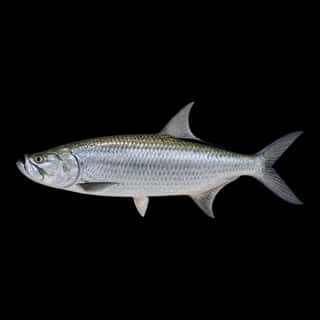
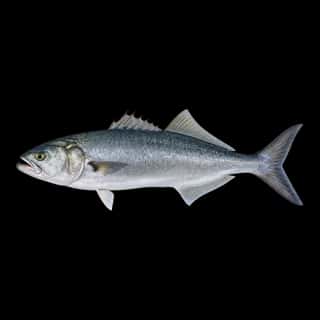
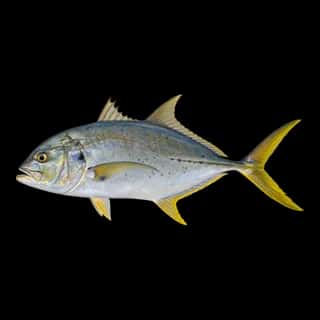
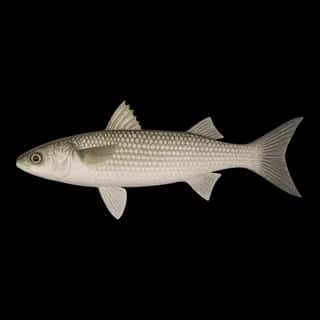
- Look for moving bait and rising temperatures to trigger the bite. Use live mullet or crabs, or large lures that mimic baitfish. Dawn and dusk are prime times. The best action is around the river mouths and deeper bends with good current.
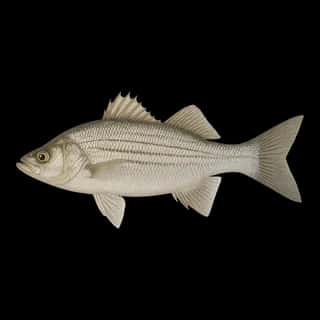
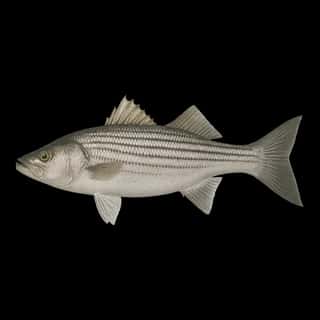
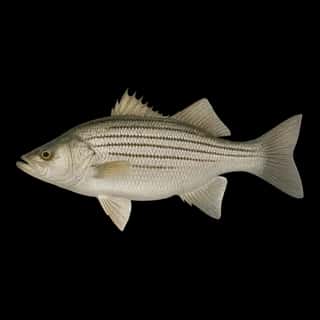
- Striped Bass: Target striped bass near submerged rocks, points, and drop-offs, especially in May through July when water temperatures are 60–75°F. They feed hard during the spring and early summer, especially at dawn, but will bite throughout the day. Live shad or herring, swimbaits, and topwater plugs all work. Focus on deeper holes and current seams.
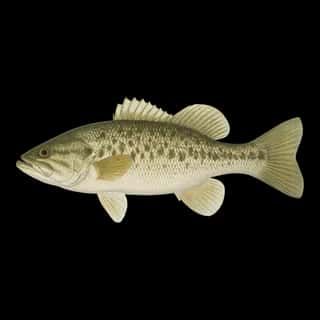
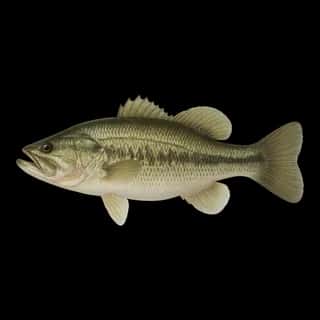
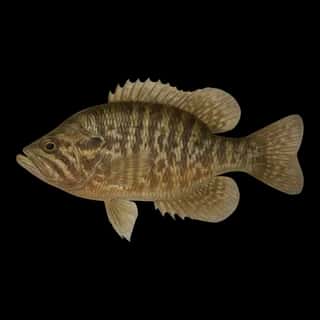
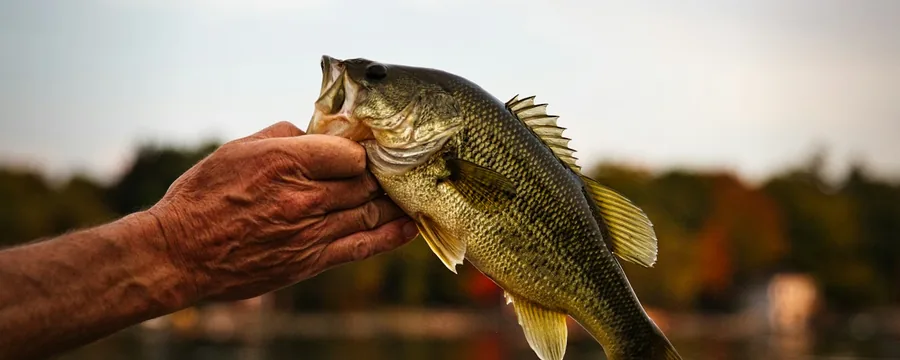
- Largemouth Bass: Largemouth bass are best from January–February and July–August, with good fishing in March, June, and September. Look for shallow cover—weed edges, rocks, or fallen trees—especially early and late in the day. Plastic worms, crankbaits, and spinnerbaits all produce, with Texas rigs working well in heavy cover. Bass move deeper when the sun is high or after a front.
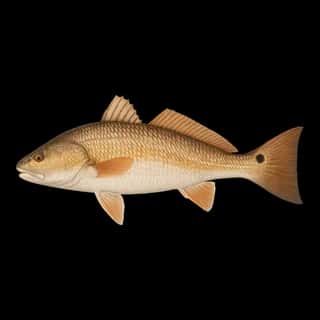
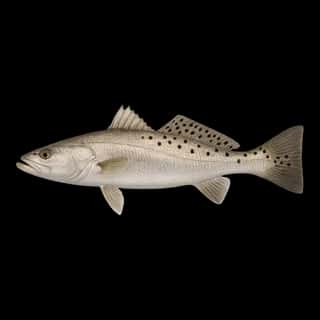
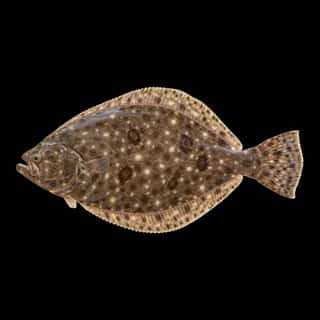
- They hold near jetties, grass flats, and mangrove edges, feeding best at dawn and dusk when bait is thick. Use popping cork rigs with live shrimp or cut mullet, or soft plastics that look like baitfish. Rising water and bait movement help trigger bites.
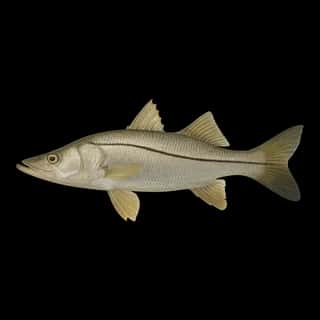
- Common Snook: Snook fishing peaks in January–February and August–September, with good bites in March, July, and October. Target mangrove points, docks, and drop-offs, especially during warm spells and on moving tides. Use live mullet or pinfish, or topwater plugs and soft plastics. Dawn and dusk are best. Note the closed seasons for harvest (see Regulations).
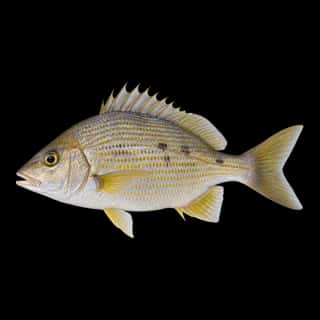
- Work grass beds, drop-offs, and shallow structure with popping cork rigs and live shrimp or soft plastics. Slow retrieves at dawn and dusk get the most bites, especially when water temperatures are 70–85°F.
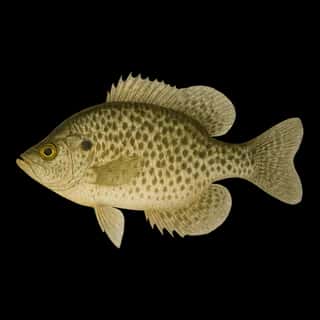
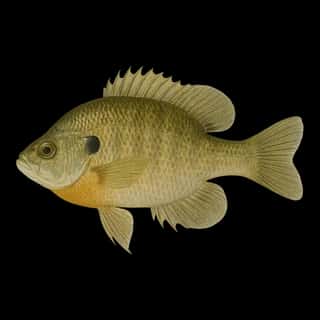
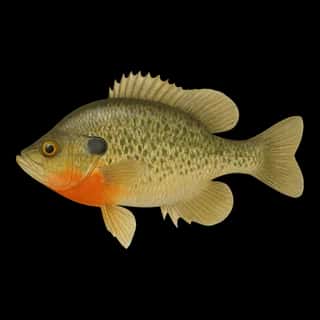
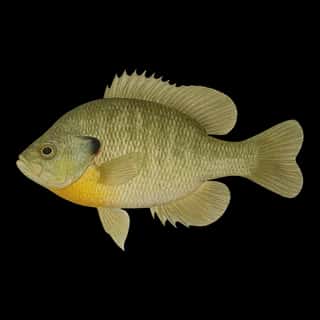
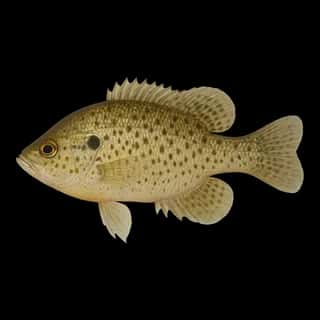
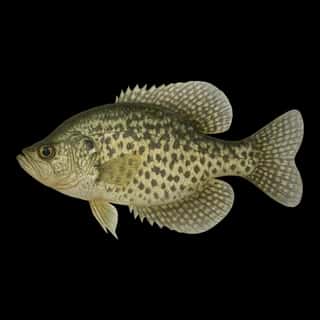
- Bluegill and Panfish: Bluegill and other sunfish bite best March through August, especially near fallen trees, weed beds, and docks. Use worms or small jigs under a bobber on light tackle. They feed all day but are most reliable at dawn and dusk.
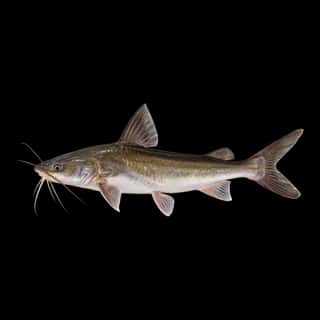
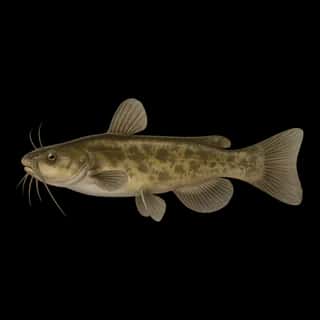
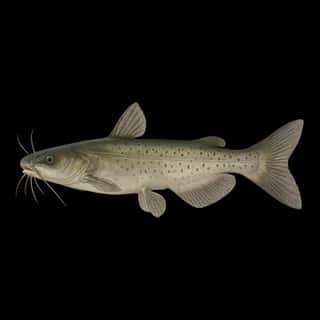
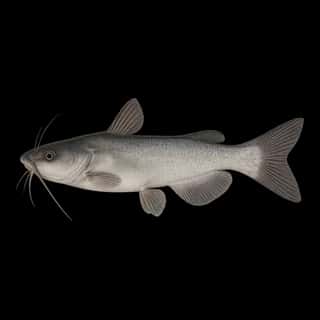
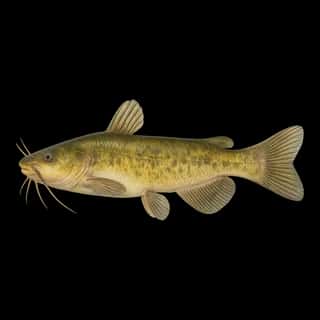
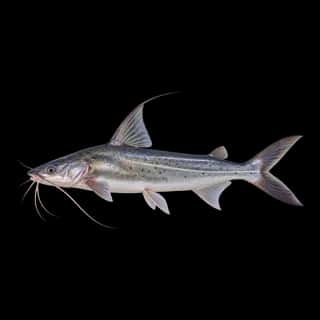
- White Catfish: Catfish action is best June through September, with good fishing March–May and October. Fish near submerged trees or rocks with chicken liver, nightcrawlers, or cut bait, especially at night or in low light.
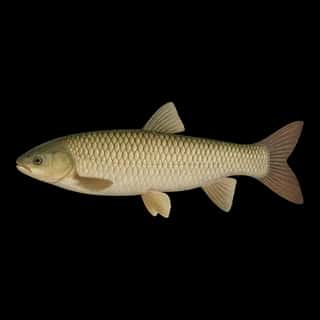
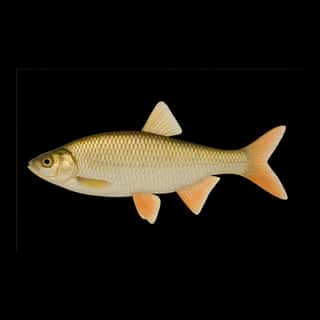
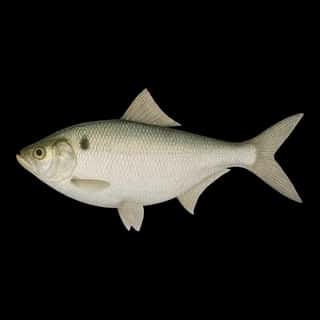
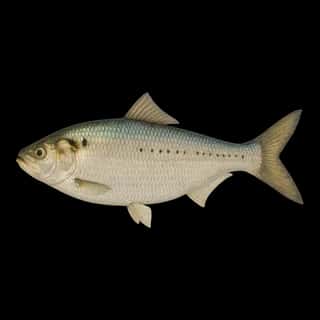
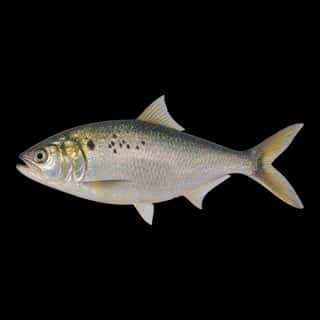
- American Shad: The shad run peaks in March, with some action in February. Target current seams and shallow runs with small jigs, spoons, or live bait during their upstream migration. Daytime is best.
Where to Fish: Spots, Structure, and Depth
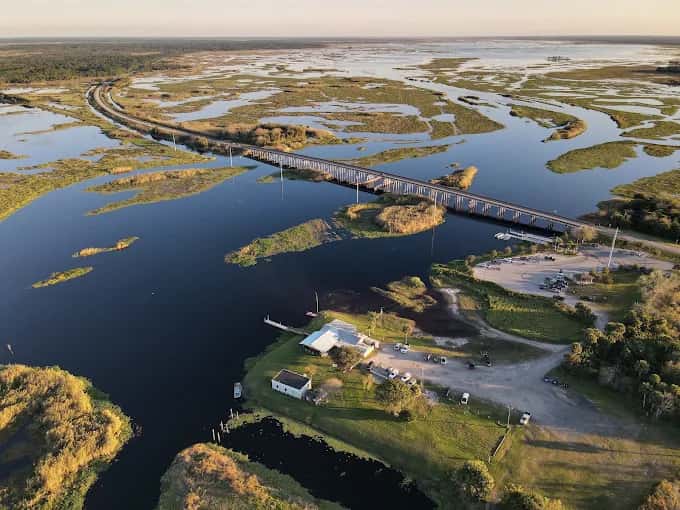
The Saint Johns River is mostly shallow—nearly all of it is 16 feet or less, but there are deep holes up to 67 feet. The best fishing is around river bends, drop-offs, and the mouths of feeder creeks. Striped bass and shad stack up in the deeper holes and at the base of drop-offs, especially where current is strong. Largemouth bass and panfish hold near weed edges, fallen trees, and docks, especially in the backwaters and oxbows. Snook and seatrout use mangrove points, docks, and grass edges, moving up on flats to feed at dawn and dusk.
If you’re launching at Ed Stone Park (four lanes, paved, flush restrooms, free, sunrise to sunset), you’re close to deep water and good cover. For shore fishing, try Alpine Groves Park or Blue Cypress Park piers. For a quiet paddle, Bee Street Park offers a natural bank launch.
Season-by-Season Breakdown
Winter (December–February): Water temperatures run cooler, often below 65°F. Largemouth bass start staging for the spawn in January and February, making this a top time for trophy fish. Snook are catch-and-release only December 15–January 31, but still feed on warm days. Panfish and catfish bite slows but can be steady on warm afternoons.
Spring (March–May): Water warms into the 70s. Striped bass feed hard as they spawn. Bluegill and panfish start bedding. Bass fishing is solid, especially around shallow cover. Most saltwater species are in their best window now.
Summer (June–August): Water temperatures reach 80–85°F. Largemouth bass bite well early and late, moving deeper mid-day. Catfish action peaks at night. Bluegill and panfish are reliable all day. Afternoon storms are common; plan to fish early.
Fall (September–November): Water cools back into the 70s. Snook season reopens September 1. Redfish and seatrout stay active, and bass move shallow again. Catfish and panfish are steady. Shad run is over, but striped bass start to feed more as water cools.
Getting on the Water: Ramps and Access
You’ll find over 20 public ramps and several piers along the Saint Johns. For trailering a boat, Ed Stone Park and Bert Maxwell Boat Ramp are the top choices—both have four lanes, paved parking, and restrooms. Ed Stone is free and open sunrise to sunset, with 50 trailer spaces and flush restrooms. Bert Maxwell is paid, always open, with 40 trailer spaces and portable restrooms. For smaller boats or kayaks, Bee Street Park and Blue Cypress Park have paddlecraft launches.
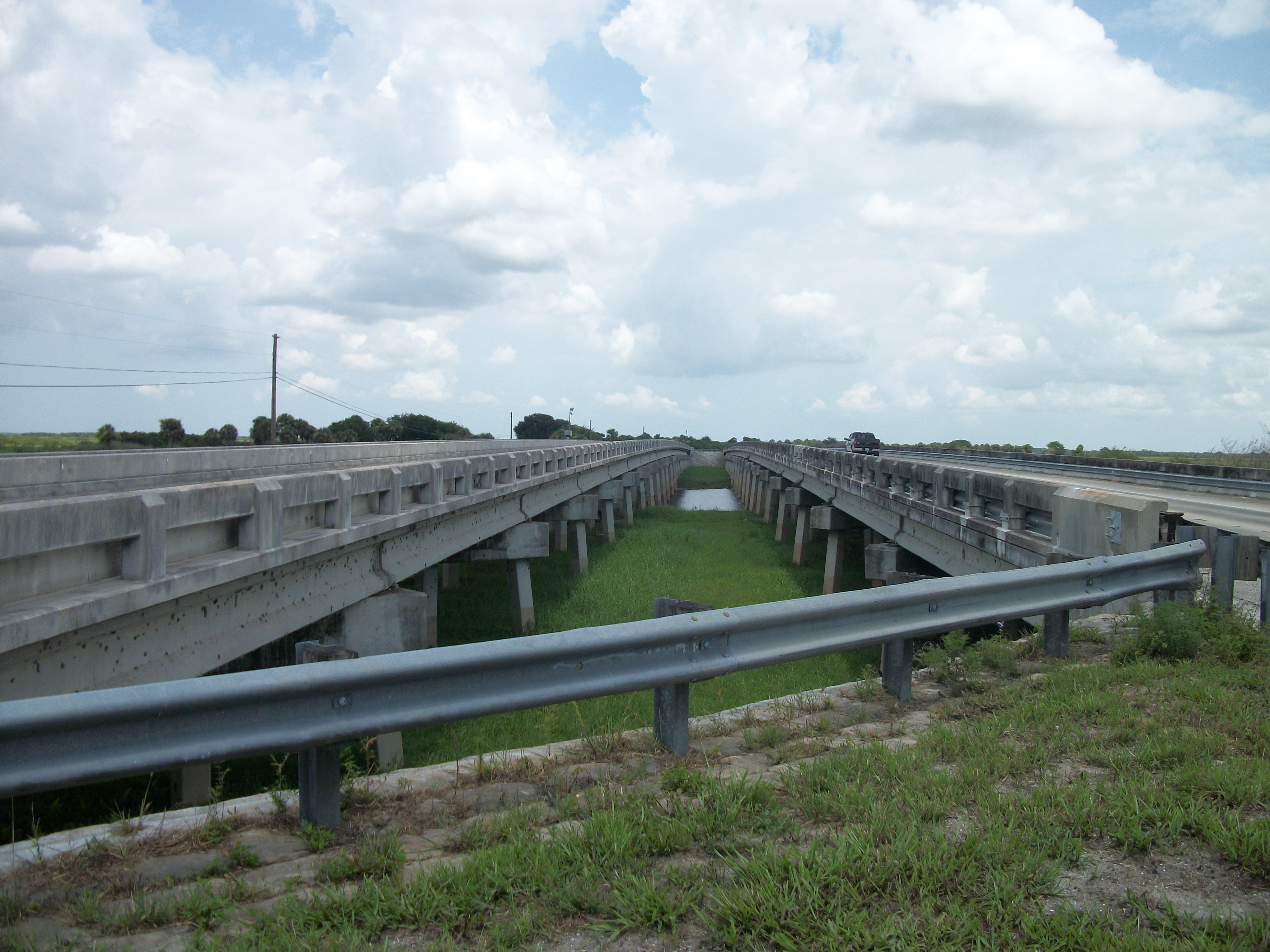
For shore anglers, Alpine Groves Park and Blue Cypress Park offer fishing piers.
Water and Conditions
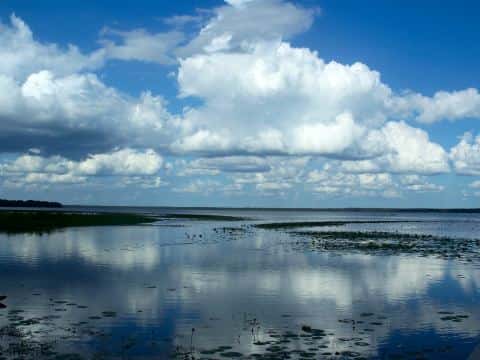
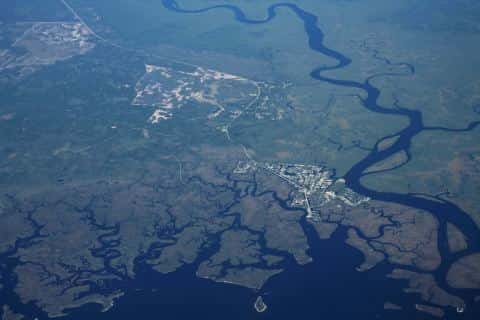
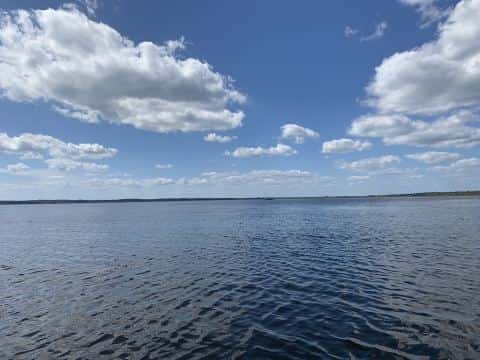
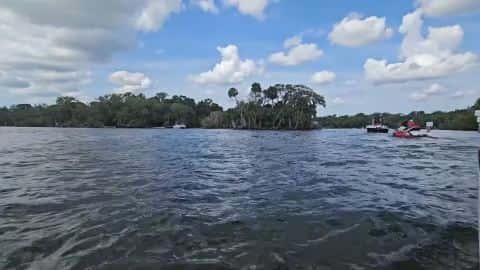
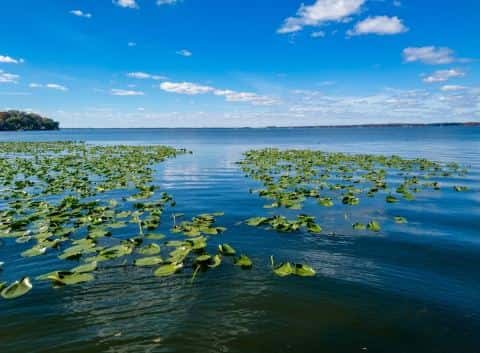
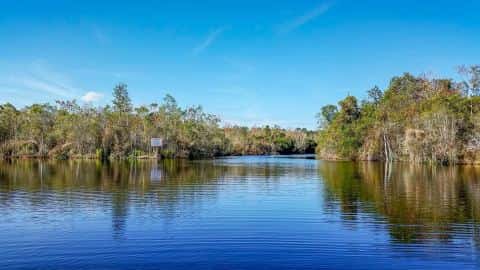
The Saint Johns is a tidal river with a mix of freshwater and saltwater influence, especially near the mouth. Water levels and currents change with tides and rainfall, so check the river level before you go. Most of the river is shallow, with only a few deep holes. Vegetation is thick in backwaters and oxbows, providing good cover for bass and panfish. Afternoon storms are common in summer, and wind can make open stretches rough. Watch for floating debris after heavy rain.
Regulations
- No minimum size. No open harvest season.
- Striped Bass and White Bass: 20 total per person per day (including sunshine bass), only 6 may be 24 inches or longer. Open year-round. Freshwater license required.
- Largemouth Bass: 5 black bass (aggregate), only one may be 16 inches or longer. No minimum length. Freshwater license required.
- Vessel limit applies (4 per vessel in this region). Open year-round. Saltwater license required.
- Common Snook: 1 per person per day, slot 28–32 inches. Closed December 15–January 31 and June 1–August 31. Snook permit and saltwater license required.
- Open year-round. Saltwater license required.
- Bluegill, Redear, Redbreast, Flier, Spotted Sunfish, Warmouth: 50 panfish aggregate per person per day. No length limit. Freshwater license required.
- Channel Catfish: No statewide bag or length limit, but check for special rules in Fish Management Areas. Freshwater license required.
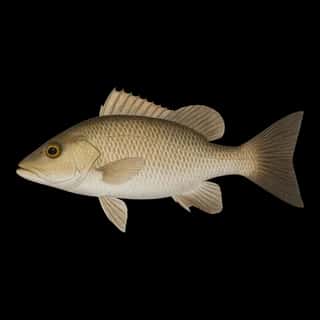
- Gray Snapper: 5 per person per day within the 10-snapper aggregate, minimum 10 inches. Saltwater license required.
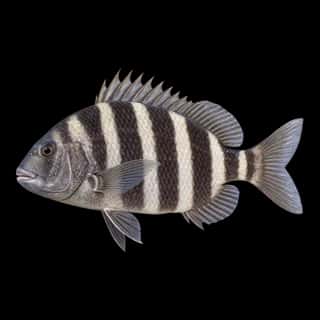
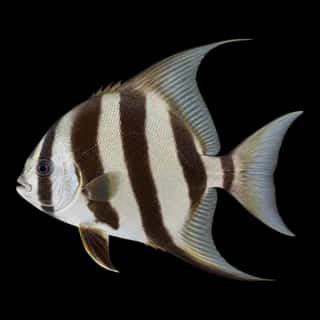
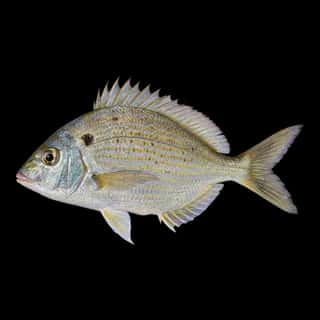
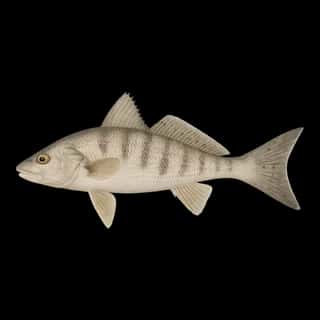
- Sheepshead: 8 per person per day, minimum 12 inches. Vessel limit 50 in March and April. Saltwater license required.
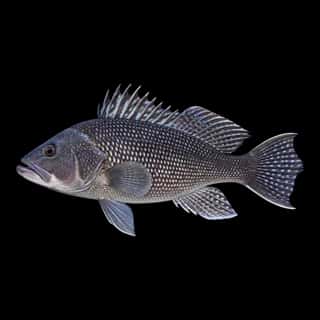
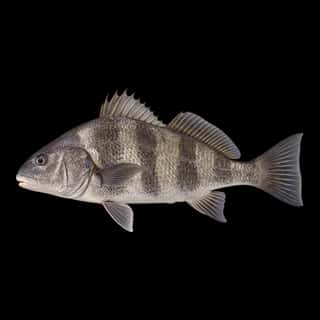
- Black Sea Bass: 7 per person per day, minimum 13 inches. Saltwater license required.
Florida requires separate freshwater and saltwater fishing licenses. Non-resident short-term and annual options are available. Buy your license before you leave home. Regulations can change, so anglers should verify the current rules with the Florida Fish and Wildlife Conservation Commission before fishing.
Shore and Boat Access
Shore fishing is possible at Alpine Groves Park, Blue Cypress Park, and County Dock Road Fishing Pier. Most of the riverbank is private or marshy, so access is best at public parks and piers. For boaters, Ed Stone Park and Bert Maxwell Boat Ramp are the main launches, both with plenty of trailer parking and docks. Smaller ramps like Astor-Butler Street and C.S. Lee Park are good for quieter sections. Kayak and paddlecraft launches are available at Bee Street Park and Blue Cypress Park.
Trip Logistics
Base yourself in DeLand for easy access to the central river, or Jacksonville for the lower river and saltwater action. Daytona Beach and Orlando Sanford airports are both within 20 miles. Live bait (shiners, shrimp, mullet) is available at tackle shops in DeLand and Palatka; call ahead for wild shiners, especially in spring. For lodging, Hontoon Island State Park and Blue Spring State Park both have campgrounds within half a mile of the water, and there are hotels in DeLand and Palatka. Book early for spring and summer weekends, especially during the shad run and bass spawn.
Ecology
The Saint Johns River mixes freshwater and saltwater, supporting a wide range of fish. Vegetation is thick in many backwaters, and water levels can change quickly with tides and rain. Algae blooms and fish kills can happen after heavy rain or in hot weather, especially in stagnant areas. Always check for updates before keeping fish, as rules and warnings can change.
What’s Hard About This Water
Most of the river is shallow, with only a few deep holes—running aground is easy if you stray from the channel. Afternoon storms and wind can make open stretches rough, especially in summer. Floating debris is common after heavy rain. Shore access is limited outside of parks and piers, and some ramps have soft or unpaved parking that can get muddy. Crowds are light except during the shad run and spring weekends, but the best ramps can fill early.
Safety
Watch for alligators when bank fishing or wading, especially in backwaters and near vegetation. Afternoon lightning storms are common in summer—get off the water early. The river can run fast after rain, and floating debris is a real hazard for boaters. Wear a life jacket and carry a current chart if you’re running unfamiliar sections.
Pros and Cons
Final Verdict
If you want a shot at both trophy freshwater and saltwater fish in one trip, the Saint Johns River is hard to beat. Bring your own boat and plan to launch early at Ed Stone Park or Bert Maxwell. Shore fishing is possible but limited. Book your lodging and license ahead, and check the weather and river level before you go. For anglers who want variety and don’t mind a little work to find the fish, this river delivers.