How to recognise it
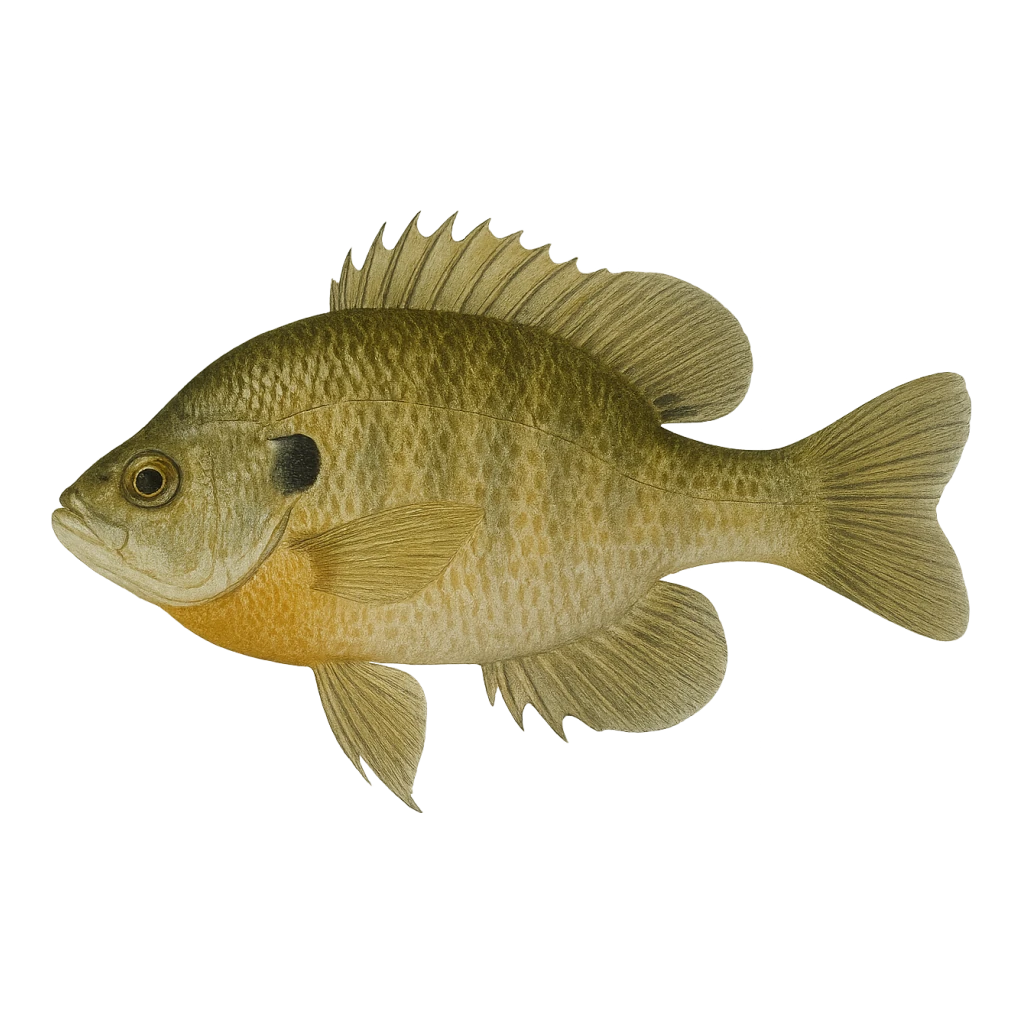
The Bluegill (Lepomis macrochirus) is a sunfish species known for its distinctive features. It has a flattened, pan-shaped body with a small mouth. The coloration varies from olive green to blue on the back, with a yellow to orange belly. The sides often display a dark spot at the base of the dorsal fin. The fins are generally rounded, with the dorsal fin being long and continuous. The Bluegill is often confused with the Pumpkinseed (Lepomis gibbosus). The key detail that separates them is the blue spot on the operculum (gill cover) of the Bluegill, which is absent in the Pumpkinseed.
Where it lives
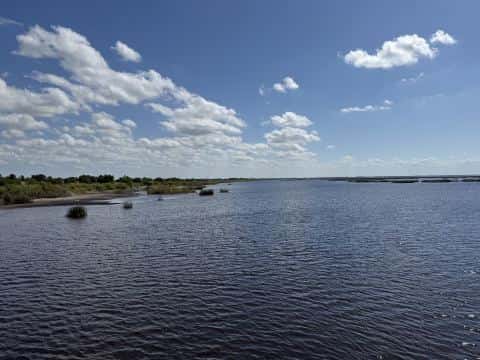
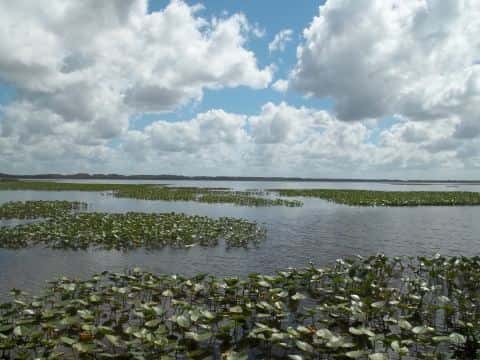
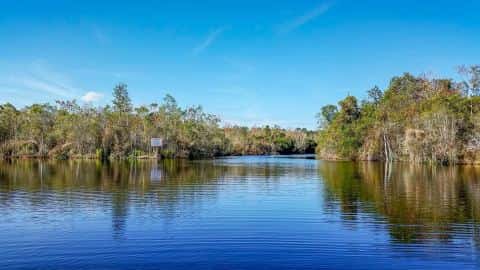
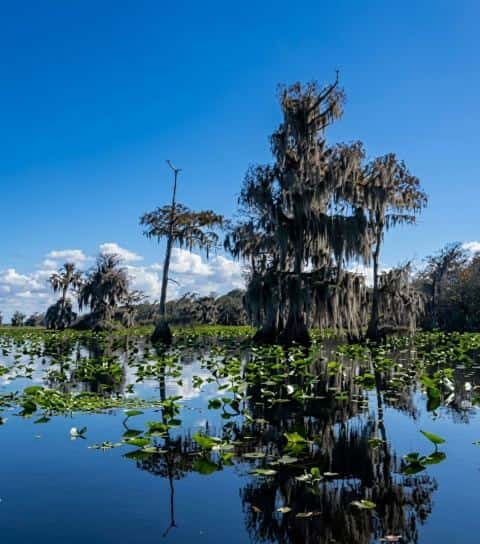
Bluegills are widely distributed across the United States. They inhabit freshwater lakes, ponds, and rivers, primarily in the eastern and central regions. They prefer shallow waters with plenty of vegetation, such as submerged plants and brush piles. The typical depth range is from 1 to 15 feet. In spring and summer, Bluegills move closer to the shore to spawn, while in winter, they may retreat to deeper waters. Seasonal changes in water temperature and light levels influence their location and behavior.
When it bites
Bluegills are most active from late spring through early fall. They typically bite when water temperatures range from 65 to 80 degrees F. Early mornings and late afternoons are the prime times for fishing. A passing cold front can make them less active, while warm, stable weather can increase their feeding. Windy days may also enhance their activity, as it stirs up the water and makes them more aggressive. A full moon can lead to increased spawning activity, making them easier to catch.
How to catch it
To catch Bluegills, use light tackle with a 4 to 6-pound test line. A small hook, size 8 to 12, is ideal. Common rigs include a bobber rig or a small jig. For baits, live worms, crickets, and small minnows work well. If using lures, try small spinners or soft plastics in natural colors like green, brown, or yellow. Cast near structures such as fallen trees or weed beds. Retrieve slowly, allowing the bait to sink and then twitch it gently to mimic natural movement.
Size, age and the table
Anglers typically encounter Bluegills ranging from 6 to 10 inches in length. A trophy Bluegill is often considered to be over 10 inches. Growth rates vary by location and food availability, but they can reach maturity in 1 to 3 years. The average lifespan is around 4 to 6 years. Bluegills are known for their good eating quality, with a mild flavor and firm texture. When handling them, use wet hands to avoid damaging their slime coat, and release them gently to ensure their survival.