Lake Istokpoga Fishing Guide: Largemouth Bass, Black Crappie, Bluegill & Best Spots
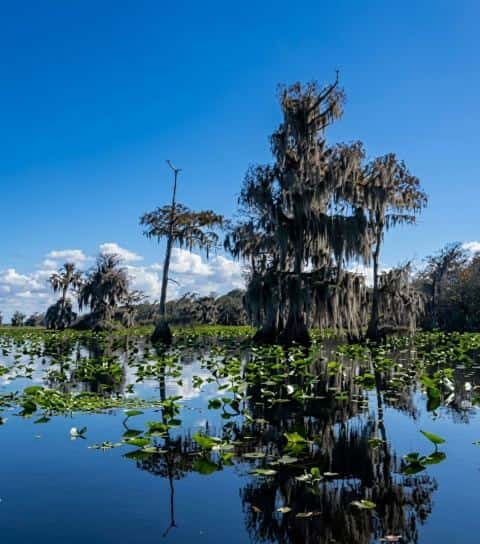
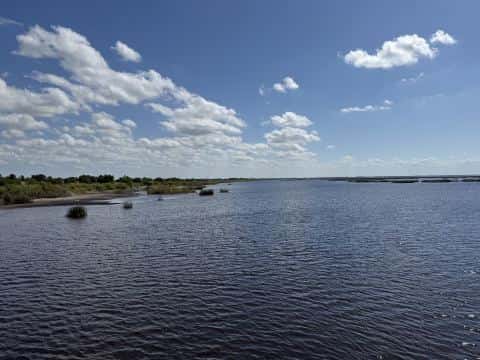
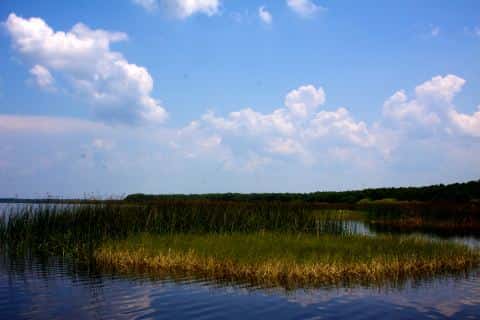
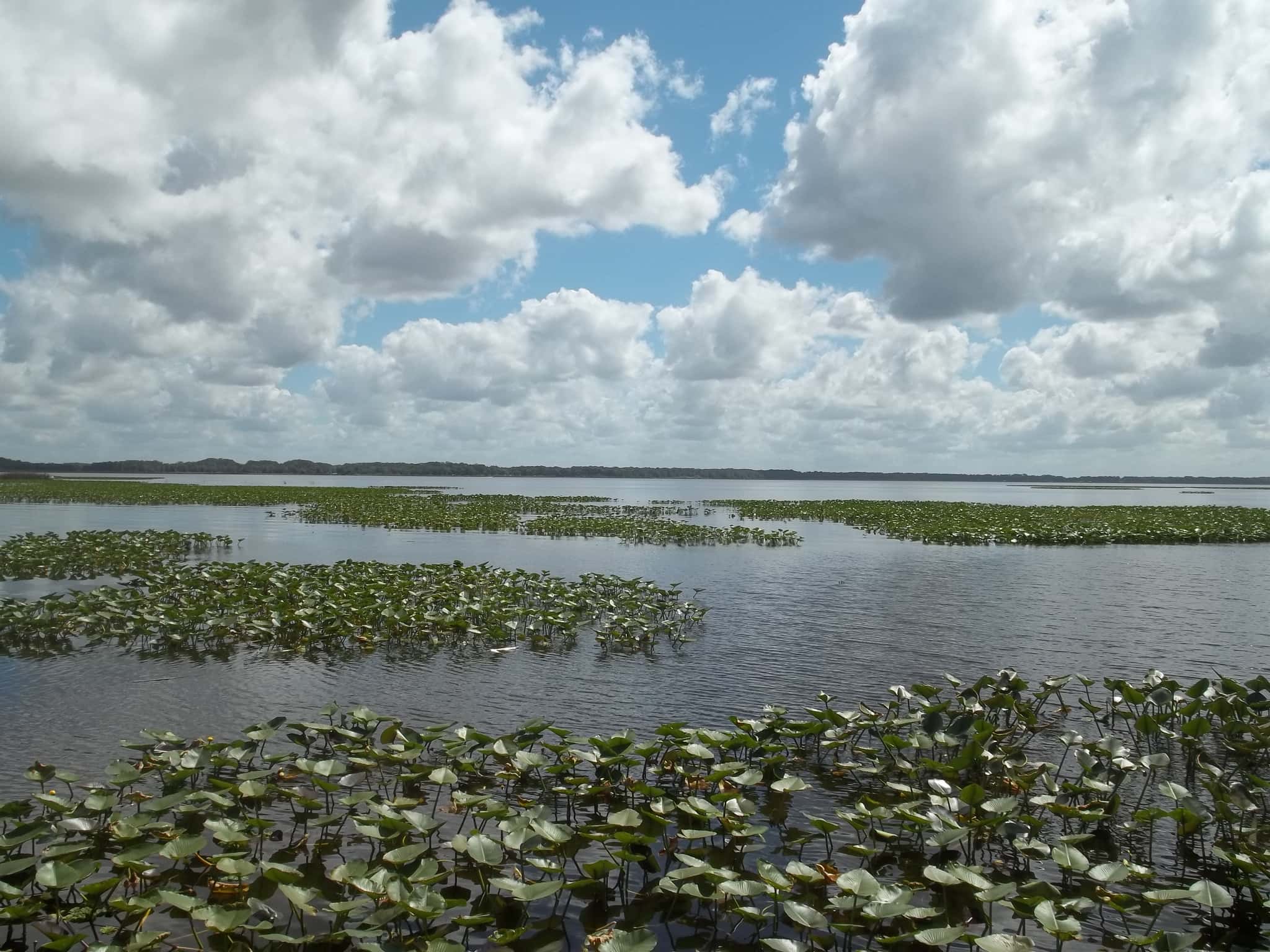
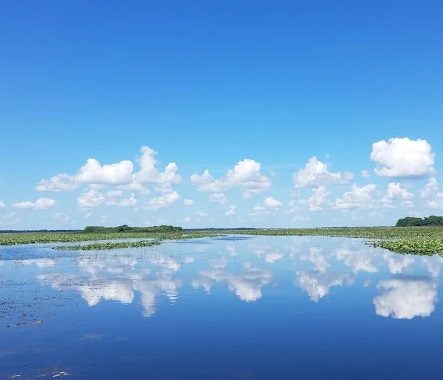
Lake Istokpoga is one of Florida’s biggest natural lakes, covering 23,864 acres in Highlands County. It’s famous for trophy largemouth bass, strong black crappie runs, and steady panfish action. The lake is shallow, averaging just 4 feet deep, and is ringed by bulrush, spatterdock, and cattails. You’ll need a boat to reach the best water, and the wind can turn things rough in a hurry. The best months for trophy bass are December through March, with crappie peaking April to June. Bluegill and redear sunfish bite strong from spring into summer.
Positioning: Lake Istokpoga vs. Lake Okeechobee
If you’re deciding between Lake Istokpoga and Lake Okeechobee, Istokpoga offers less boat traffic, easier access to grass lines, and a real shot at double-digit bass without the crowds. Okeechobee is bigger and more famous, but Istokpoga’s shallow flats and weed edges are easier to learn in a short trip. If you want a quieter trip with a shot at a trophy, Istokpoga is the pick. For more open water and more guides, Okeechobee wins.
Target Species and How to Fish Them
Largemouth Bass
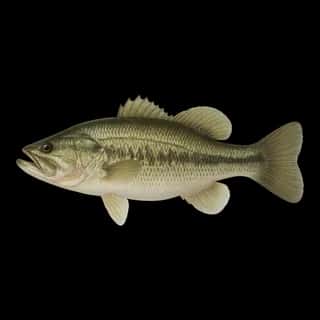
Bass here hold tight to weed edges, bulrush, and spatterdock, especially on the north and west sides. Start in shallow cover—look for outside grass lines, isolated pads, and submerged wood. The bite peaks in January and February, with good fishing in March, June, and September. Bass feed hardest when water temperatures climb into the 60s and 70s, and they’re most active at dawn, dusk, and on overcast days. Live wild shiners are the top bait, but plastic worms (Texas rigged), crankbaits, and spinnerbaits all work. Early and late in the day are best, but bass will eat throughout daylight when the water warms. In spring, slow presentations work after cold fronts; by summer, speed-worms and topwaters shine along weed lines.
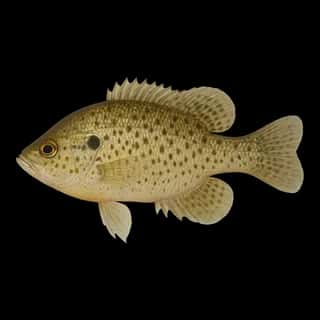
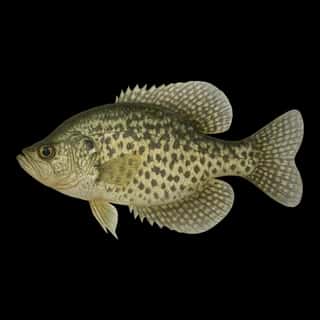
Black Crappie (Specks)
Crappie stack up near the outside edge of pads and grasses, especially in Henderson’s Cove and the north end. Look for deeper water just outside the vegetation, or drift open water with live minnows and grass shrimp. The best months are April, May, and June, with March and July also producing. Trolling jigs like Napier deer hair or Hal flies is effective for schooling fish. During the spawn, target shallow brush and pad edges.
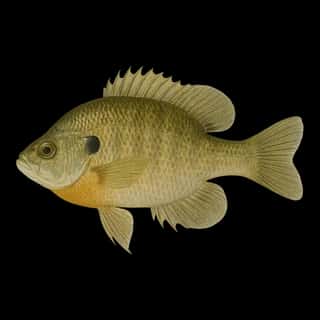
Bluegill
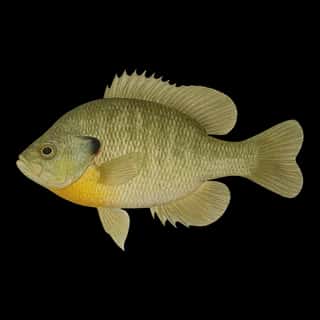
Bluegill are thick around bulrush, cattails, and spatterdock from March through August, with the bite strongest in spring and early summer. Fish light tackle with worms or crickets under a bobber, casting close to vegetation or fallen trees. They feed all day, but dawn and dusk are best. Look for bedding fish in sandy spots near the bank when water temperatures hit 70–85°F.
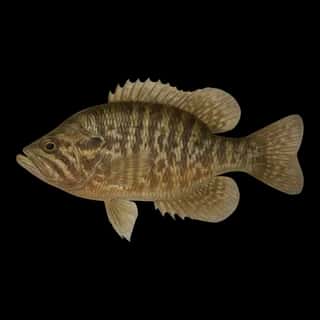
Redear Sunfish (Shellcracker)
Redear sunfish bed in the same shallow, sandy areas as bluegill, especially around bulrush and spatterdock. The bite peaks in May and June, with good action from March through August. Use red wigglers or grass shrimp on the bottom. Early morning and late afternoon are prime times. Target them when the water is warm and clear.
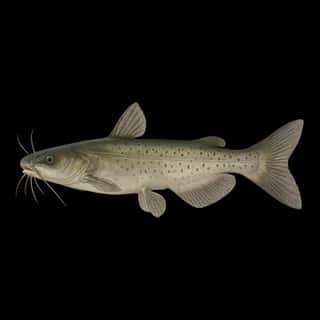
Channel Catfish
Channel cats hold near deeper holes, submerged wood, and the base of drop-offs. The best bite runs May through August, with good fishing in March, April, and September. They feed most at dusk and after dark, especially when the water is 70–85°F. Use chicken liver, stink bait, or cut bait on a slip sinker rig, and fish near bottom structure.
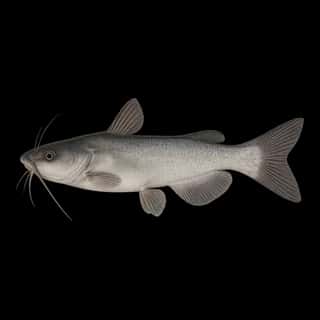
White Catfish
White catfish use the same areas as channel cats—deeper water, submerged trees, and rocky spots. Peak months are June through September, with good action in spring and October. Nightcrawlers, chicken liver, and cut bait work best, fished on the bottom at dusk or after dark.
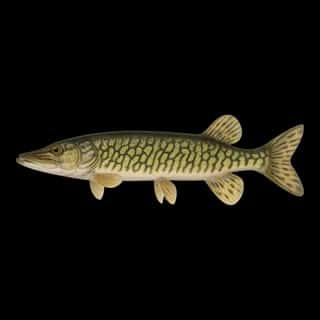
Chain Pickerel
Pickerel hunt along weed edges, lily pads, and submerged grass from March through October. They’re most active when the water is 60–75°F. Use spinnerbaits, crankbaits, or live minnows, casting near vegetation or open pockets. They’ll hit throughout the day, especially when baitfish are moving.
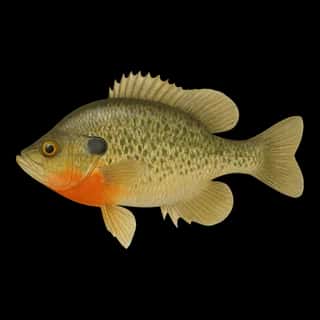
Panfish: Warmouth, Redbreast, Spotted Sunfish
These sunfish species are common around submerged wood, grass, and rocks. Warmouth bite best March through June, redbreast from March through June, and spotted sunfish April through July. Use worms, crickets, or small jigs on light tackle, casting tight to cover.
Bycatch and Bait Species
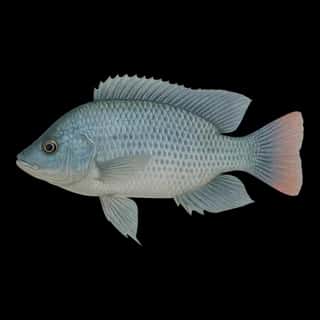
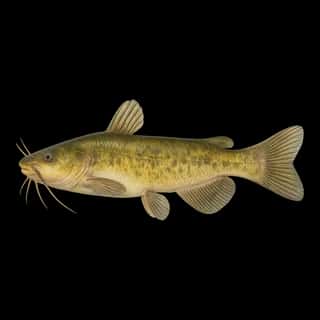
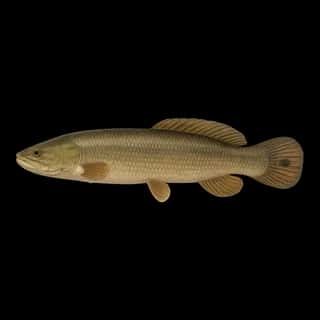
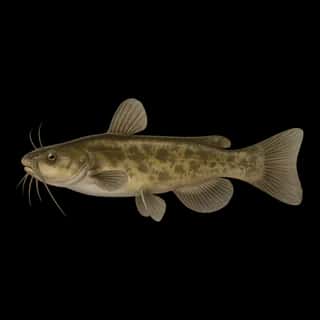
You’ll also pick up bowfin, yellow bullhead, and blue tilapia while fishing for other species. Blue tilapia are nonnative and mostly caught as bait or by accident.
Best Fishing Spots on Lake Istokpoga
- Henderson’s Cove: The north end’s outside pad and grass lines hold both crappie and bass, especially in spring and early summer. Drift or troll for specks, or flip plastics for bass.
- Windy Point: The west shore’s bulrush and spatterdock edges are prime for bass, bluegill, and redear. Fish tight to the vegetation, especially after a front.
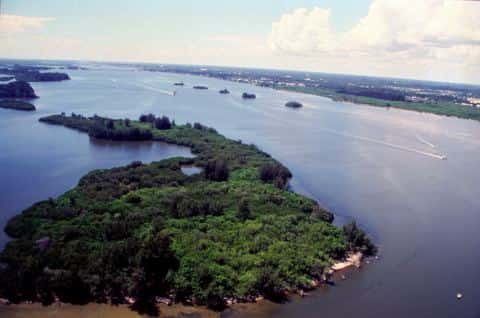
- Big Island and Bumblebee Island: These islands break up the wind and hold fish year-round. Work the weed edges and drop-offs for bass and panfish.
- South End Grass Beds: The southeast corner has thick grass and pad fields, good for bass early and for bluegill and redear during bedding season.
- Open Water Drifts: For summer crappie, drift live minnows or jigs in open water near the north and central lake, especially where you mark schools on sonar.
Structure and Depth
Lake Istokpoga is shallow—nearly half the lake is 0–5 feet, a third is 5–7 feet, and only a few pockets reach 8 feet or more. The bottom is mostly soft muck, with scattered sand and shell. Weed lines, bulrush, spatterdock, and pad fields are the main structure. Fish relate to these edges, especially where deep water swings close to cover. There’s little hard bottom, so focus on vegetation transitions and any submerged wood or brush you can find.
Season-by-Season Breakdown
- Winter (Dec–Feb): Water temps run 61–70°F. Trophy bass stage and spawn shallow—this is the best window for a giant. Crappie start moving into shallow grass edges. Bluegill and panfish slow down but can still be caught on warm afternoons. Wind can make the lake rough and muddy.
- Spring (Mar–May): Water warms to 72–80°F. Bass finish spawning and start schooling up along weed lines. Crappie spawn in April and May—this is peak speck season. Bluegill and redear start bedding. Catfish action picks up as the water warms.
- Summer (Jun–Aug): Water hits 84–86°F. Bass move to thicker grass and feed early and late. Bluegill, redear, and catfish bite strong, especially at dawn and dusk. Crappie move deeper but can be caught drifting open water. Afternoon storms and heat are common—fish early or late to avoid both.
- Fall (Sep–Nov): Water cools to 71–83°F. Bass and crappie feed up before winter, with good action along grass lines and in open water. Bluegill and redear slow down by late fall. Catfish still bite on warm days. Watch for windy days that muddy the water and make boating tough.
The single best window for trophy bass is December through March. For crappie, April through June is prime. Summer brings steady panfish and catfish action, but plan to fish early or late to beat the heat and storms. Avoid windy winter fronts if you’re in a small boat—the lake gets rough fast.
Regulations
- Largemouth Bass: No minimum length. Bag limit is 5 black bass (all species combined), only one may be 16 inches or longer. Only one trophy bass over 16 inches per angler per day. The 5-fish limit is an aggregate across all black bass species.
- Black Crappie: No length limit. Bag limit is 25 per angler per day. Open year-round.
- Bluegill, Redear Sunfish, Warmouth, Redbreast, Spotted Sunfish: No length limit. Bag limit is 50 panfish per angler per day (aggregate for all sunfish species except crappie). Open year-round.
- Blue Tilapia (nonnative): Releasing or introducing any nonnative fish into Florida waters requires a permit from FWC. No live nonnative fish may be transported for bait except variable platys and fathead minnows.
- License: A Florida freshwater fishing license is required unless you qualify for an exemption. Non-resident short-term and annual licenses are available. Buy your license before you leave home.
Regulations can change, so anglers should verify the current rules with the Florida Fish and Wildlife Conservation Commission before fishing.
Getting on the Water: Ramps and Access
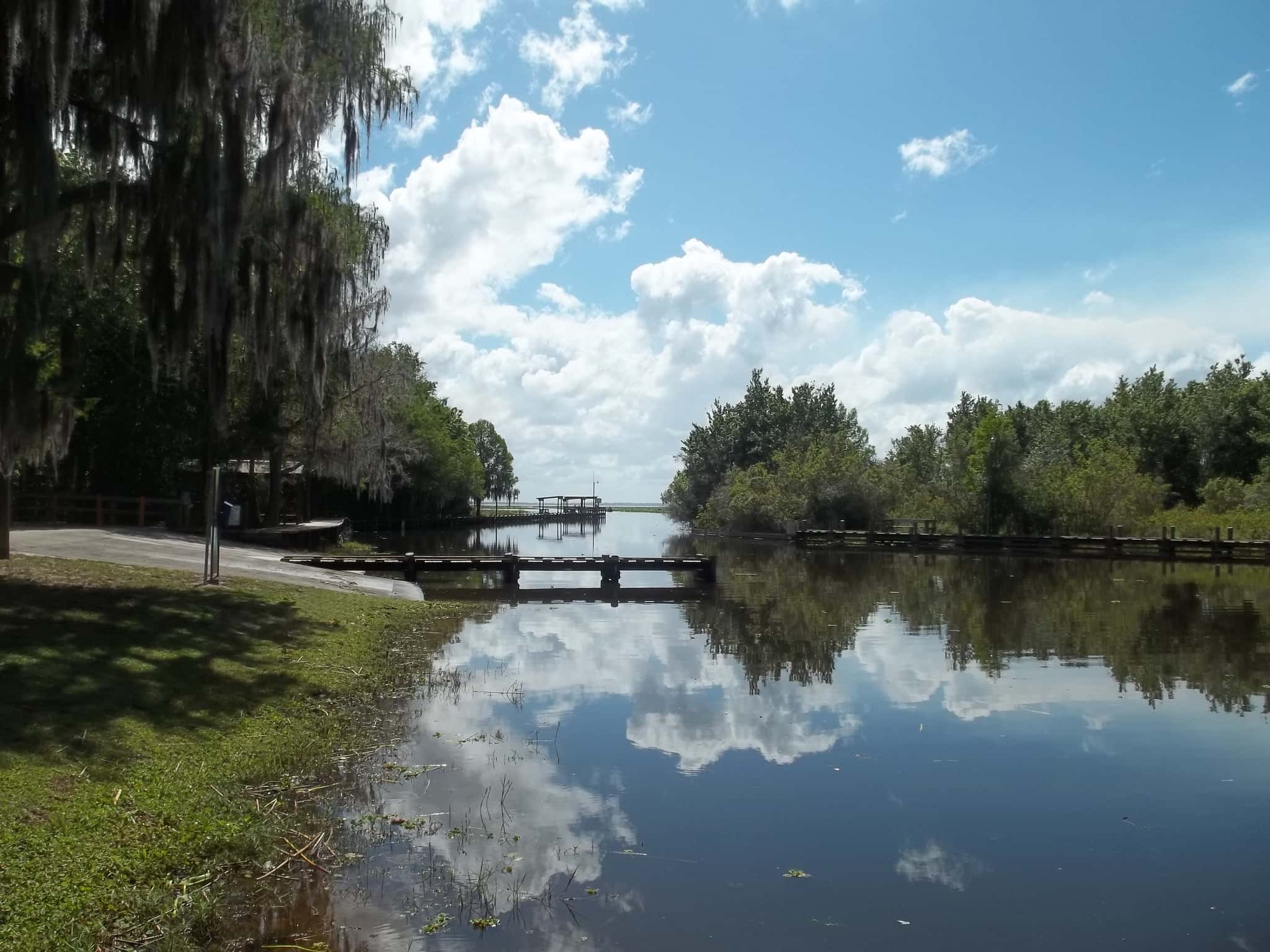
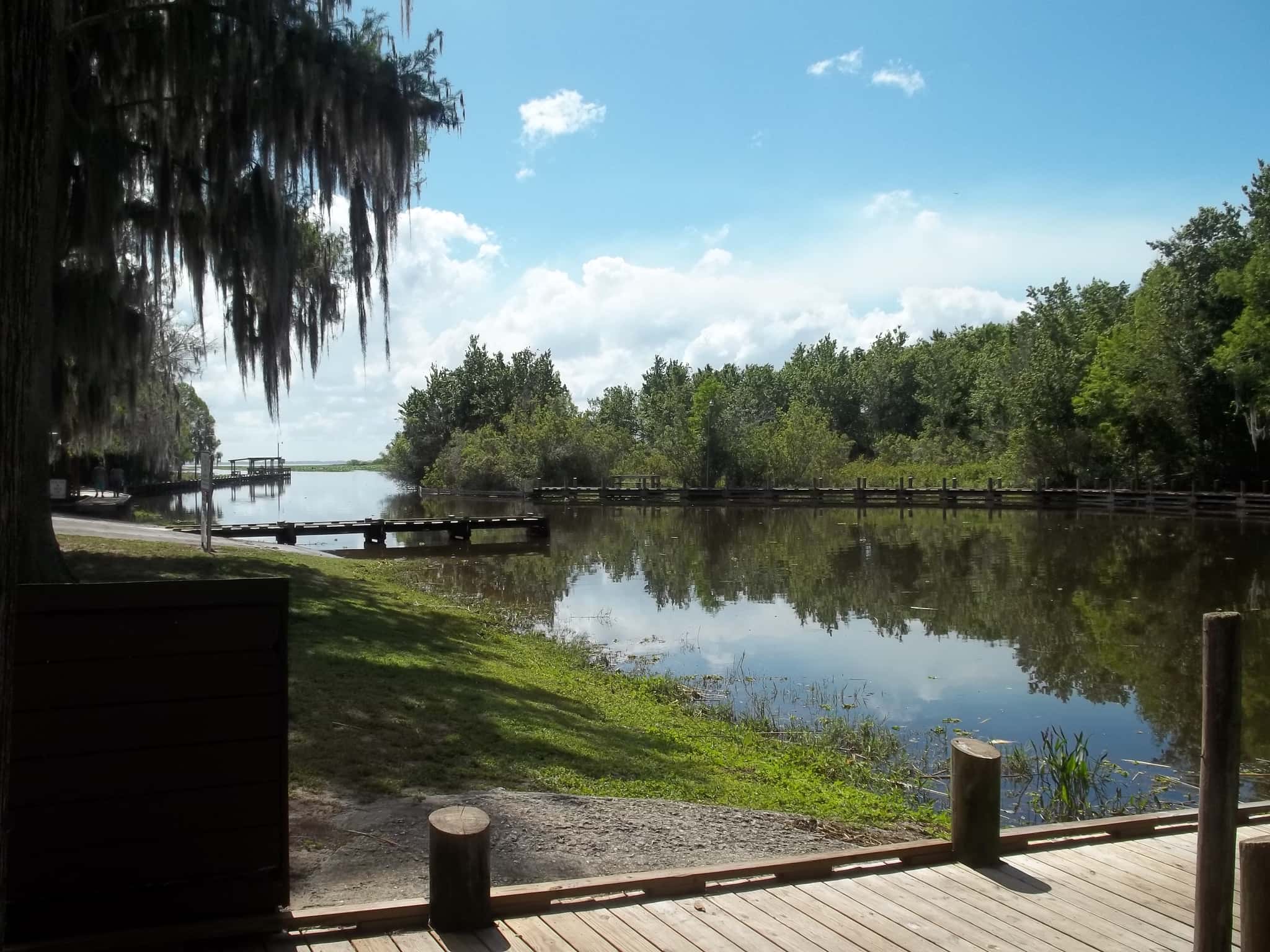
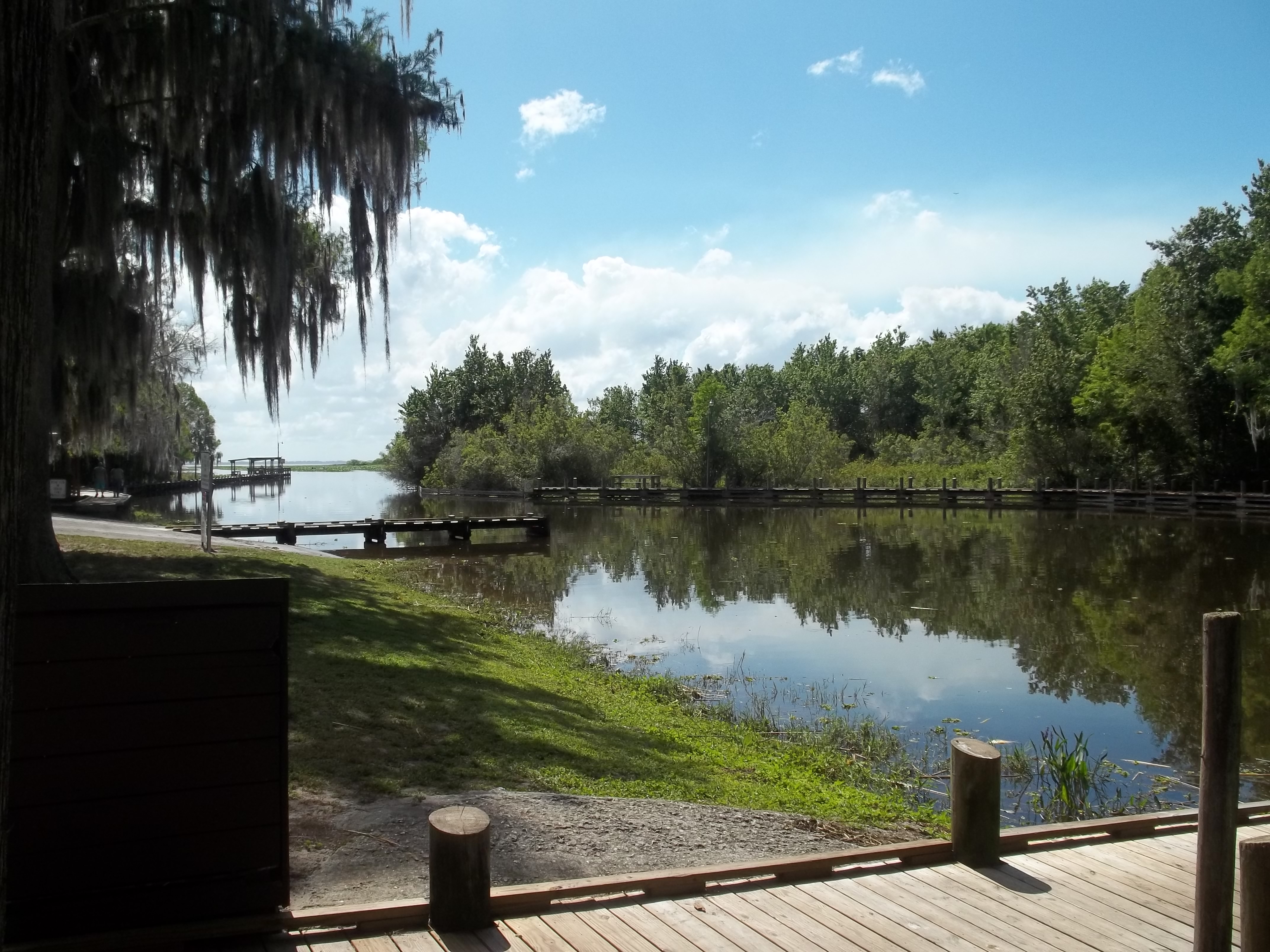
- Windy Point Park (Lake Istokpoga West): 2 concrete lanes, paved parking for 73 trailers, dock, open 24/7, flush restrooms. Good launch for the west shore and island areas.
- Boggy Branch, East, and Lake Clay Ramps: Single-lane concrete ramps, unpaved parking, open 24/7 or sunrise to sunset. Best for small boats or when the main ramps are crowded.
- Private and Resort Ramps: Several fish camps and marinas offer paid ramps, docks, and parking—Henderson’s Fish Camp, Trails End Fishing Resort, Cypress Isle RV Park & Marina, and Neiberts Fishing Resort. These are good options if you’re staying on site or want a quieter launch.
Shore and Pier Fishing
Bank access is limited—most of the shoreline is marsh or private. The parks on the north and southeast corners have some bank access, but a boat is needed to reach most productive water.
Trip Logistics: Towns, Lodging, Bait, and Supplies
The nearest town with services is Sebring, 12 miles away. There are several fish camps and RV parks on the lake, many with cabins, hookups, and private ramps. Book early for the winter bass and spring crappie windows—these months fill up fast. Live wild shiners (the top bass bait) should be reserved ahead at local fish camps or bait shops. Most camps sell minnows, worms, and basic tackle. For groceries, gas, and restaurants, plan on driving to Sebring.
Water and Conditions
Lake Istokpoga averages 4 feet deep, with a max depth of 9 feet. Water clarity is usually around 3 feet, but can drop to less than a foot after storms or when the wind stirs up the muck bottom. On July 14, 2025, the water was 83°F and clarity was 3.6 feet—both above average for summer. The lake’s clarity changes a lot year to year, so bring both bright and natural color lures. Afternoon storms are common in summer, and the wind can make the lake dangerous for small boats. Always check the weather and be ready to move off the open water fast if the wind picks up.
What’s Hard About This Water
Lake Istokpoga is shallow and wide open—wind builds a steep chop fast, and the soft muck bottom means you can get stuck near shore. Most of the shoreline is marsh or private, so shore fishing is limited to the public pier and park areas. The fishery is wild—no regular stocking for bass or panfish—so a bad spawn shows up in the fishing a few years later. On busy weekends, the main ramps can fill up early.
Ecology
Water quality is typical for a Florida lake—clarity averages 3.1 feet but can swing depending on wind and rain. Water temperatures run from 61°F in January to 86°F in July and August. The lake supports thick vegetation—bulrush, spatterdock, and cattails—which is key for fish but can make navigation tricky.
Safety
The biggest hazards here are wind and shallow water. The lake gets rough fast—don’t take a small boat out if the wind is up. The soft bottom can strand you if you run too close to shore. Summer brings afternoon lightning storms—get off the water early. Alligators are present, so don’t wade or let pets near the water’s edge.
Pros and Cons
- Pros:
- True trophy bass potential
- Big crappie runs in spring
- Good ramps and trailer parking
- Fish camps and RV parks on site
- Cons:
- Shallow, rough in wind
- Limited shore access
- Muck bottom near shore
Final Verdict
Lake Istokpoga is a real shot at a trophy bass and some of Florida’s best spring crappie fishing. If you want a quieter trip than Okeechobee with just as much big fish potential, Istokpoga is worth the drive. Book early for winter bass or spring crappie, bring your own boat, and be ready to fish the grass edges and open water. If you need shore access or a rental boat, look elsewhere.