Lake Kissimmee Fishing Guide: Largemouth Bass, Striped Bass, Black Crappie & Best Spots
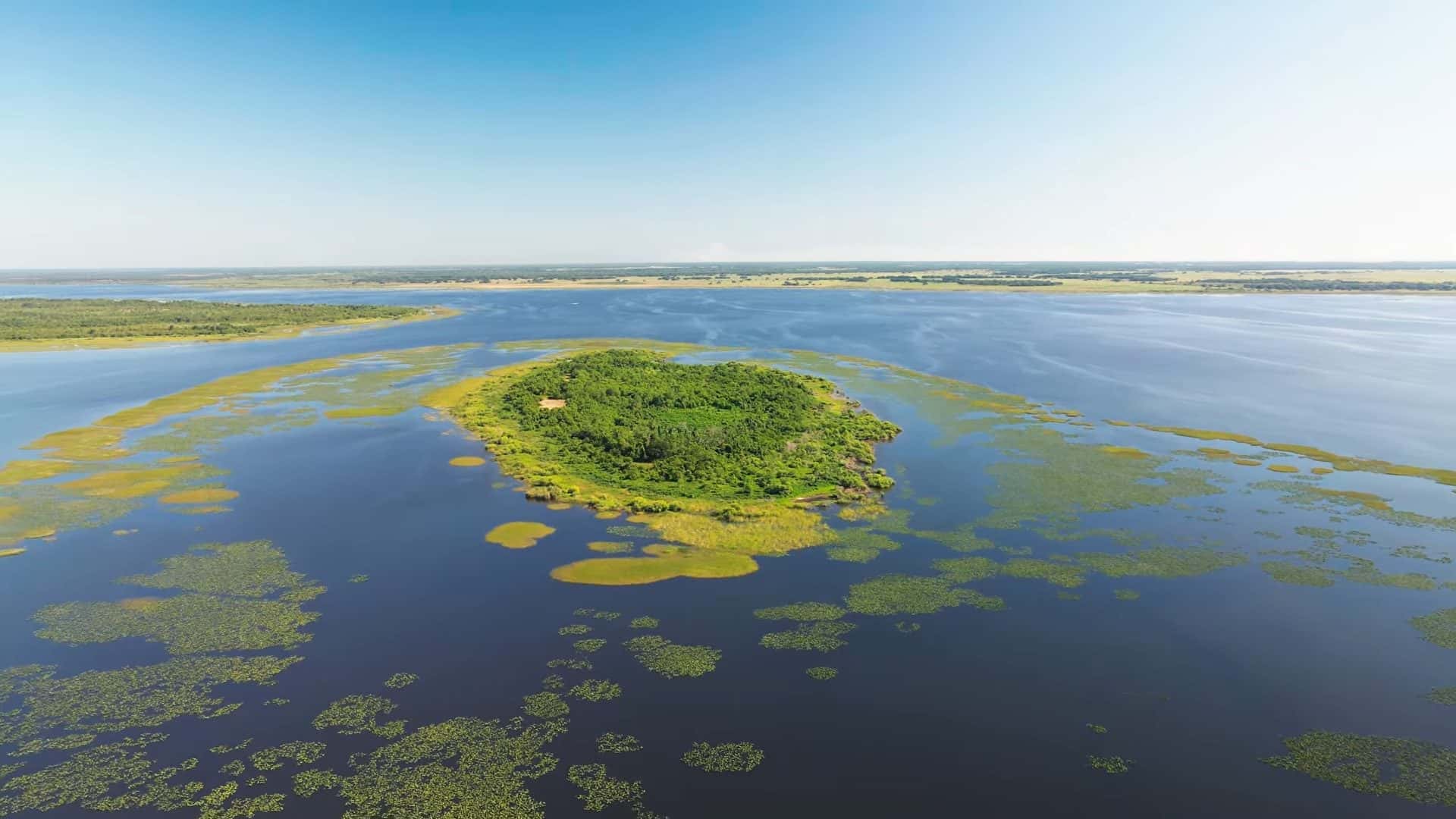
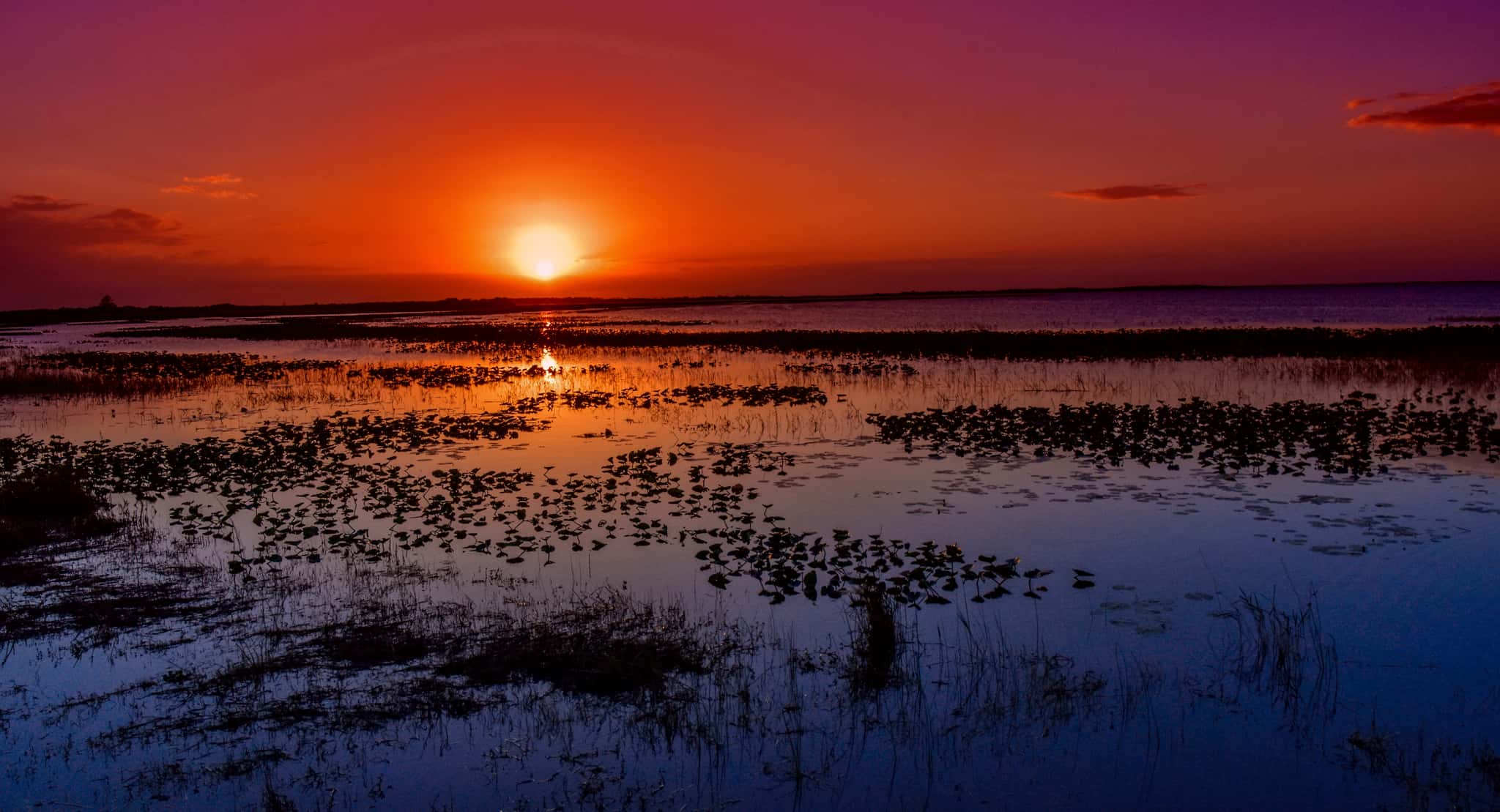
Lake Kissimmee is a 31,383-acre Florida lake in Osceola County, known for trophy largemouth bass, strong crappie and panfish action, and a solid striped bass fishery. The best months for bass are January through March and July through August, with crappie peaking April through June. Start your trip at Joe Overstreet’s Landing for all-day access and easy runs to Brahma Island, Lemon Point, and the hydrilla beds.
Positioning: Lake Kissimmee vs. the Kissimmee Chain
Lake Kissimmee is the biggest water in the Kissimmee Chain, offering more open water, deeper holes, and larger grass beds than its upstream neighbors like Lake Toho or Cypress Lake. If you’re after trophy bass or want to fish both open water and thick vegetation, Kissimmee gives you more options and less crowding than Toho, but you’ll need to cover more water and deal with wind on big open stretches. Toho is easier for bank fishing and closer to Orlando, but Kissimmee is the better pick for serious boat anglers targeting big bass and stripers.
Target Species and How to Fish Them
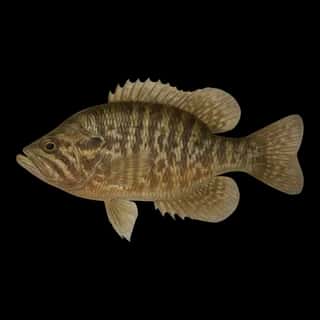
Largemouth Bass
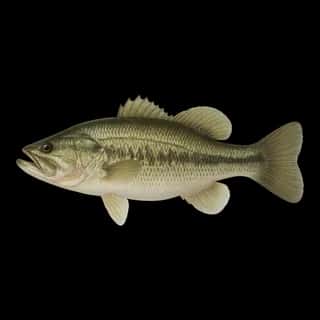
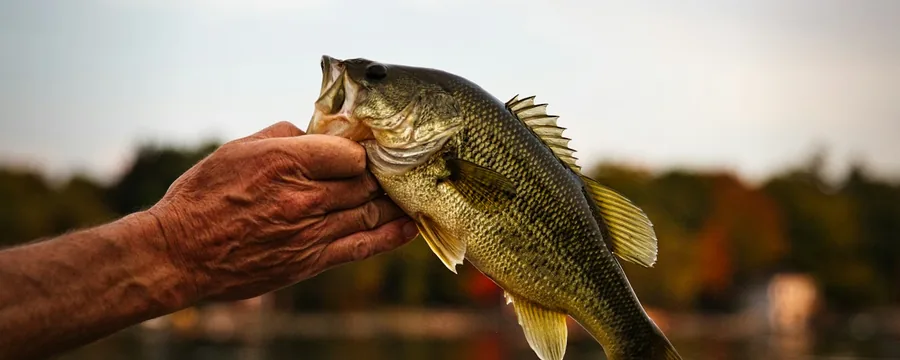
Fish for largemouth bass around hydrilla beds, weed edges, and points near Brahma Island, Grassy Island, Lemon Point, and Philadelphia Point. The top bite is January, February, July, and August, with good action in March, June, and September. Bass here are driven by water temperature and light—look for them to feed most aggressively at dawn and dusk, especially when the water is in the 65–85°F range. Throw plastic worms (Texas rig), spinnerbaits, and crankbaits along weedlines and into cover. Early morning topwater over hydrilla can be hot. When you see baitfish busting the surface, switch to a lipless crankbait for fast action. Daytime heat pushes bass deeper or under thick mats—slow down and work the edges. Fish feed at dawn, during the day, and at dusk, but the biggest ones come early and late.
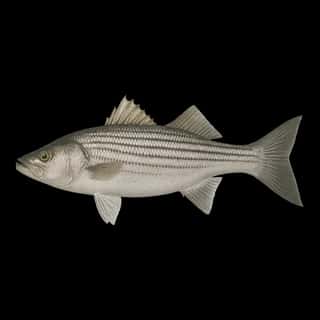
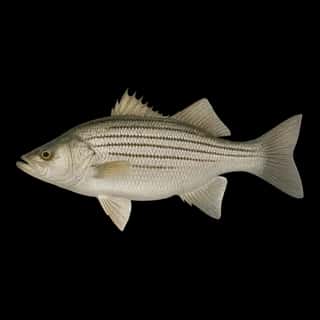
Striped Bass
Striped bass hold near submerged rocks, points, and drop-offs, especially around the old river channel and deeper cuts near Lemon Point and the Pig Trail. The peak months are May, June, and July, with good fishing in March, April, and August. Use live shad or herring if you can get them, or cast swimbaits and topwater plugs along structure. Dawn and dusk are best, but you’ll find them feeding during the day when bait is moving. Watch for surface busts—stripers push bait up and feed hard when the water is moving or after a front.
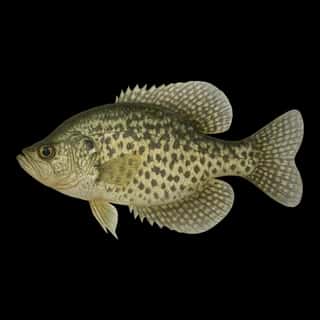
Black Crappie (Speckled Perch)
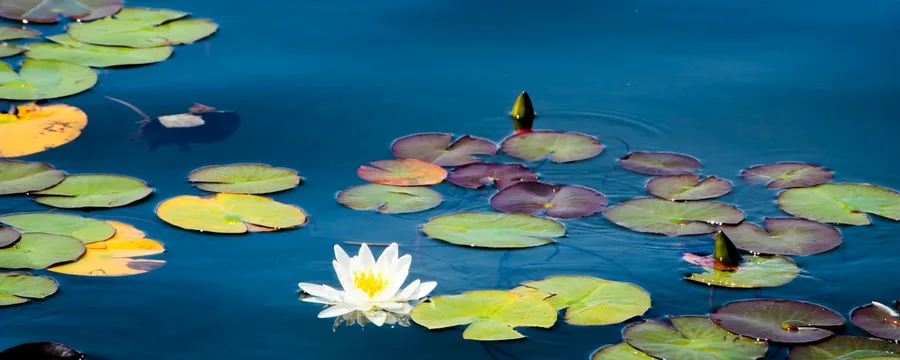
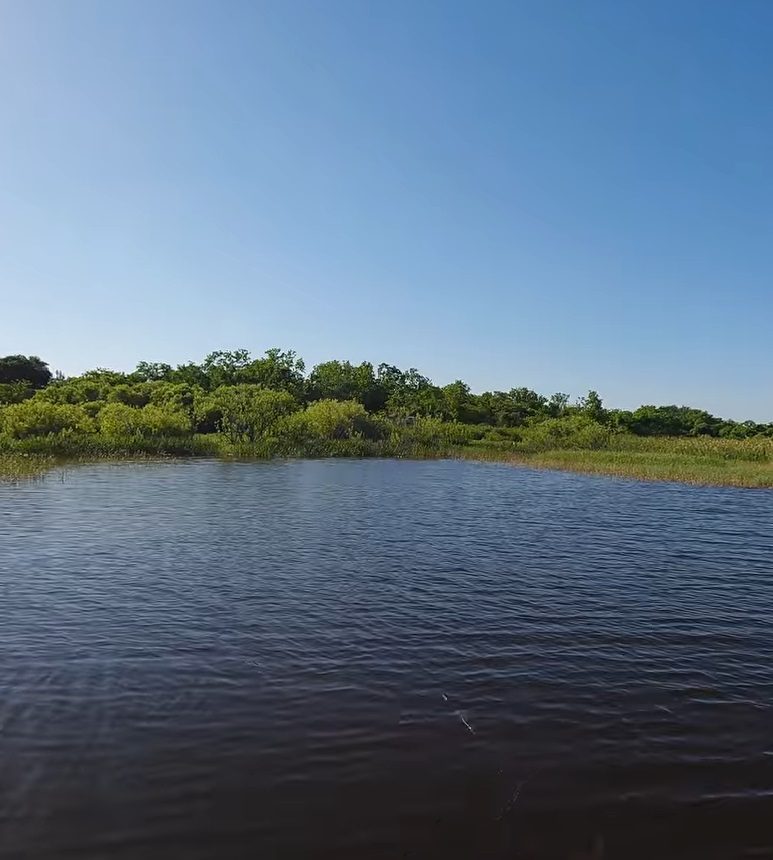
Crappie stack up around submerged brush, lily pads, and bulrushes, especially near Overstreet Landing, Philadelphia Point, and Brahma Island. The bite peaks April through June, with good fishing in March and July. Use slip bobbers with live minnows or bright jigs, and target shallow brush during the spawn, then move deeper as the water heats up. Fish feed all day, but dawn and dusk are best for bigger slabs.
Channel Catfish
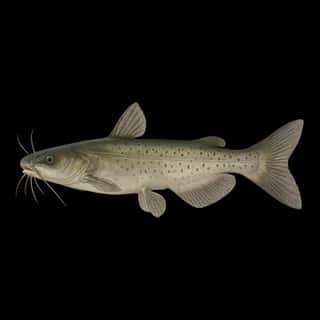
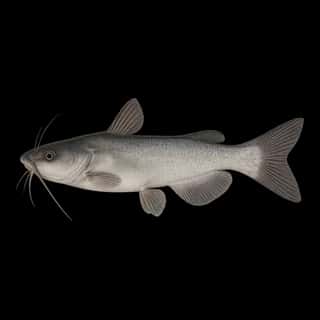
Channel cats are found near fallen trees, rocky banks, and deeper holes, especially along the old river channel and around the islands. The best bite is May through August, with good fishing in March, April, and September. Catfish feed more at dusk and into the night when water temps are 70–85°F. Use slip sinker rigs with chicken liver, stink bait, or cut bait. Cast near cover and let the scent do the work.
Sunshine Bass
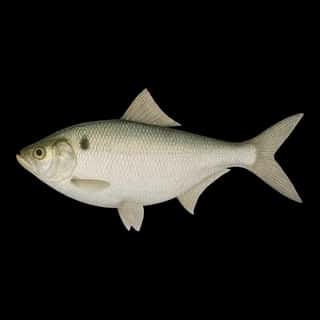
Sunshine bass (a hybrid) are active April through July, with good fishing in March and August. Target drop-offs, submerged structure, and points, especially when the water is 70–80°F. Use swimbaits, jigs, and topwater lures on medium to heavy tackle. Fish dawn, day, and dusk, focusing on areas where baitfish are present.
Chain Pickerel
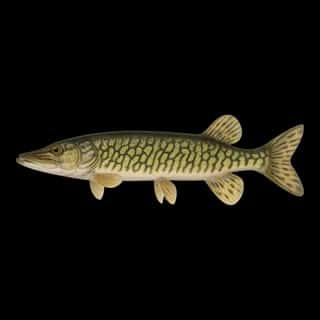
Chain pickerel bite from March through October, especially along weed edges and lily pads. Use spinnerbaits, crankbaits, or live minnows on medium gear.
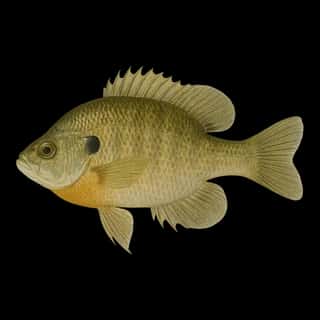
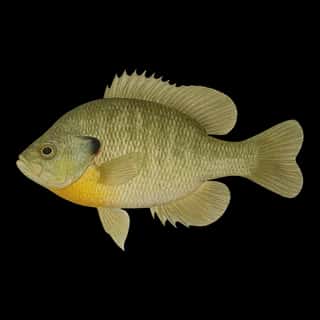
Bluegill, Redear Sunfish, Warmouth, and Spotted Sunfish
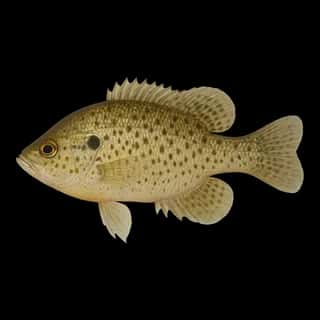
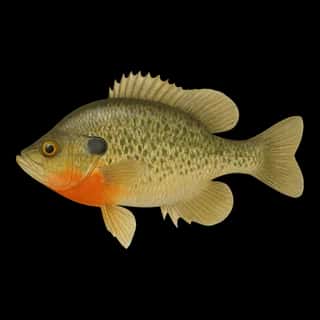
Bluegill and redear sunfish (shellcracker) are thick from March through August, especially around shallow beds, weedlines, and docks. Use worms, crickets, or small jigs under a bobber. Warmouth and spotted sunfish hold near submerged wood and rocks, biting best March through July. Fish light tackle and cast into cover for all these panfish.
Mayan Cichlid (Nonnative)
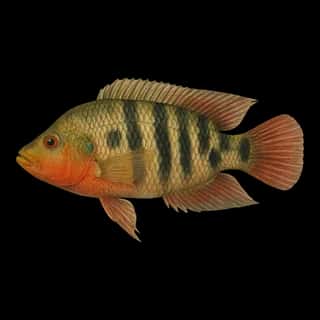
Mayan cichlids are most active July through October, holding near rocks and submerged vegetation. Use worms or minnows, or small lures that mimic natural prey. Fish during the day and at dusk when water is warm.
Bycatch
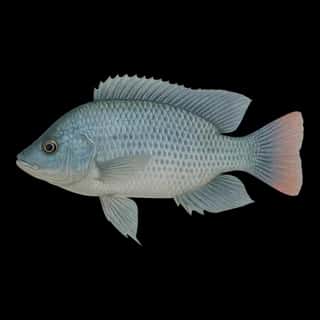
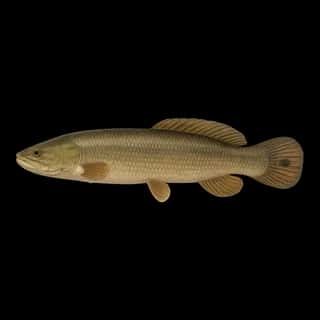
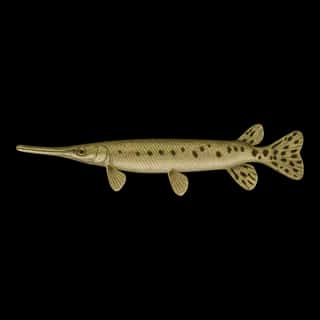
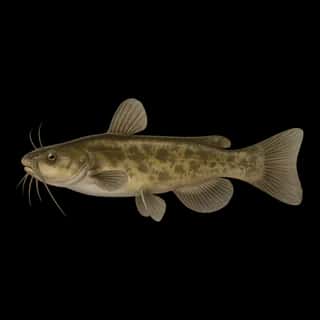
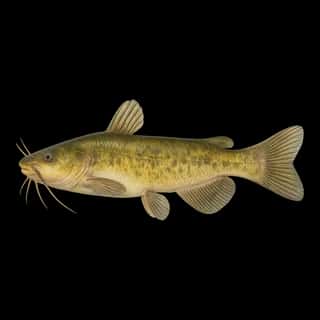
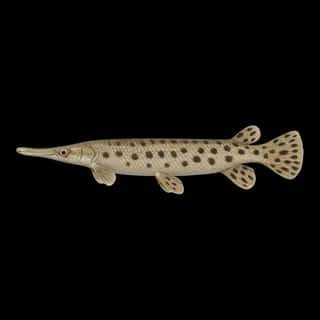
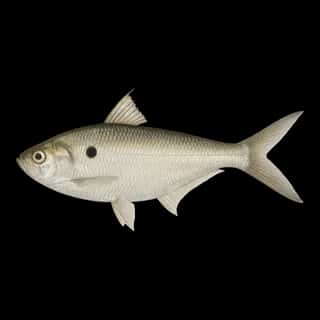
You’ll also pick up bowfin, longnose gar, and blue tilapia while fishing for other species. White catfish, redbreast sunfish, Florida gar, brown bullhead, and yellow bullhead are present per county records, but not a main target here.
Best Fishing Spots on Lake Kissimmee
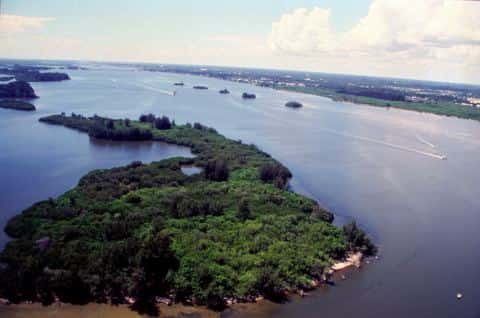
- Brahma Island: Fish the hydrilla edges and points for bass, especially early and late. The nearby bulrushes hold panfish and crappie.
- Grassy Island: Target weedlines and submerged grass for bass and pickerel. Catfish hold in deeper water off the island.
- Lemon Point and Philadelphia Point: Both are top spots for bass and crappie, with good panfish action around the pads and bulrushes.
- North Cove: Look for schooling bass and stripers, especially when baitfish are active. Fish deeper cuts and drop-offs.
- The Pig Trail: This channel area is a go-to for bass and stripers, especially when the water is moving or after a front.
- Overstreet Landing Area: The pads and bulrushes here are a crappie and panfish hotspot, especially in spring.
For day one, launch at Joe Overstreet’s Landing and head to Brahma Island or Lemon Point. These areas put you on fish fast and let you adjust to wind or boat traffic.
Structure and Depth
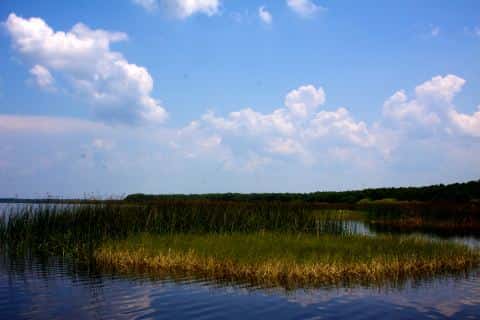
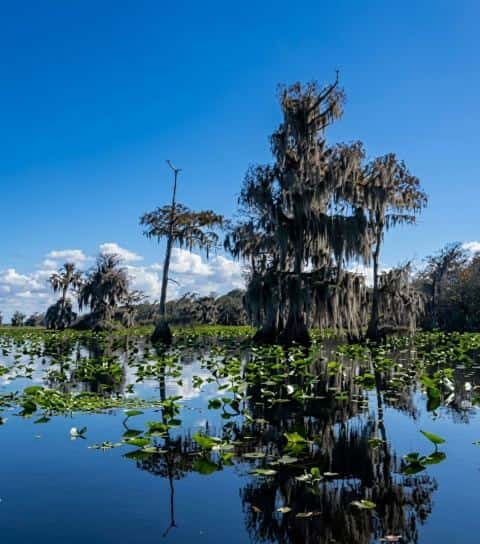
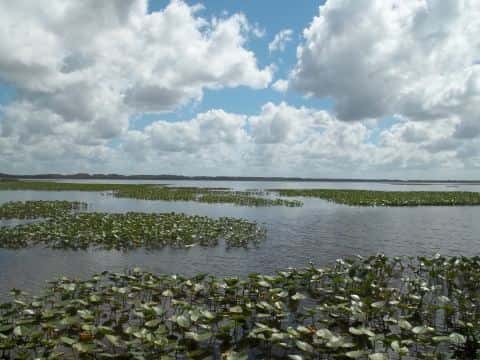
Lake Kissimmee is mostly shallow, with a mean depth of 8 feet and a max of 17 feet. Nearly half the lake is 10 feet or less, and the deepest water is in the old river channel and a few holes near the islands. Hydrilla beds, bulrushes, lily pads, and submerged wood are the main structure. Fish relate to these edges all year, moving shallow to spawn and deeper or under thick mats when the sun is high or after a front. The open water can get rough fast on windy days, so plan your runs and watch for floating vegetation.
Season-by-Season Breakdown
- Winter (Dec–Feb): Water averages 65–69°F. Trophy bass stage and spawn shallow January and February—this is the window for big fish. Crappie start moving shallow late winter. Panfish are slower but catchable on warm spells.
- Spring (Mar–May): Water warms from 69°F to 84°F. Bass finish spawning and feed heavy in March. Crappie peak April through June, with panfish and redear sunfish bedding in May and June. Striped and sunshine bass turn on as baitfish move.
- Summer (Jun–Aug): Water hits 85–88°F. Bass and stripers feed early and late, moving deeper or under mats mid-day. Catfish bite best in the heat, especially at night. Bluegill and shellcracker action stays strong. Mayan cichlids are most aggressive now.
- Fall (Sep–Nov): Water cools to 80°F in October. Bass and panfish feed up, but the bite slows as water drops below 70°F. Striped bass and sunshine bass are still catchable in September. By November, most fish move deeper or hold tight to cover.
If you only get one trip, January through March is the trophy bass window. April through June is best for crappie and panfish. Avoid late summer if you can’t handle heat or want to fish all day—midday bites are slow and storms are common.
Regulations
- Largemouth Bass: No minimum length. Bag limit is 5 black bass (all species combined), only one may be 16 inches or longer. No more than two days’ bag limit in possession.
- Striped Bass, Sunshine Bass: 20 combined per day, only 6 may be 24 inches or longer. Open year-round.
- Black Crappie: 25 per day, no length limit. Open year-round.
- Bluegill, Redear Sunfish, Warmouth, Spotted Sunfish, Redbreast Sunfish: 50 panfish (aggregate) per day, no length limit. Open year-round.
- Channel Catfish: No statewide bag or length limit, but check for Fish Management Area rules before keeping catfish.
- Nonnative Species (Mayan Cichlid, Sunshine Bass, Blue Tilapia): Releasing or introducing any nonnative fish into Florida waters requires a permit. No live nonnative fish (except variable platys and fathead minnows) may be transported for bait. Live specimens of Conditional and Prohibited nonnative species may not be possessed.
A Florida freshwater fishing license is required unless exempt. Non-residents have short-term options, but buy your license before you leave home. Regulations can change, so anglers should verify the current rules with the Florida Fish and Wildlife Conservation Commission before fishing.
Boat and Shore Access
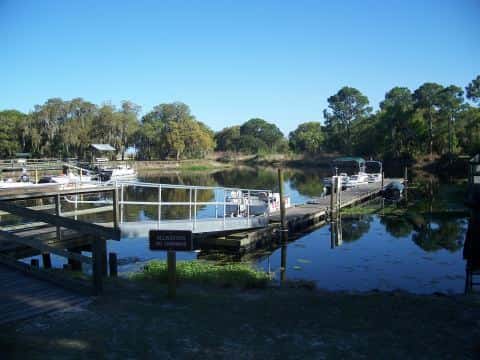
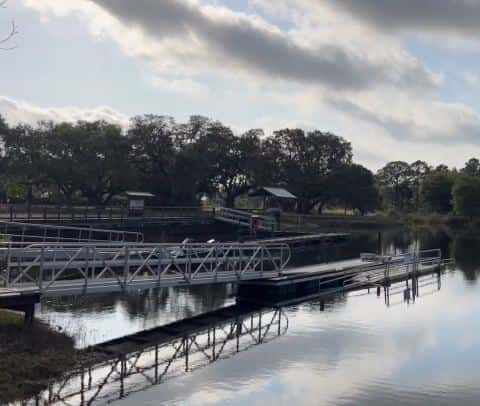
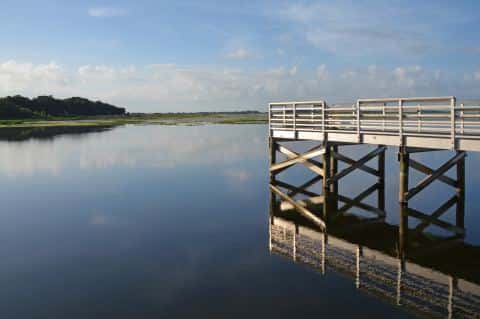
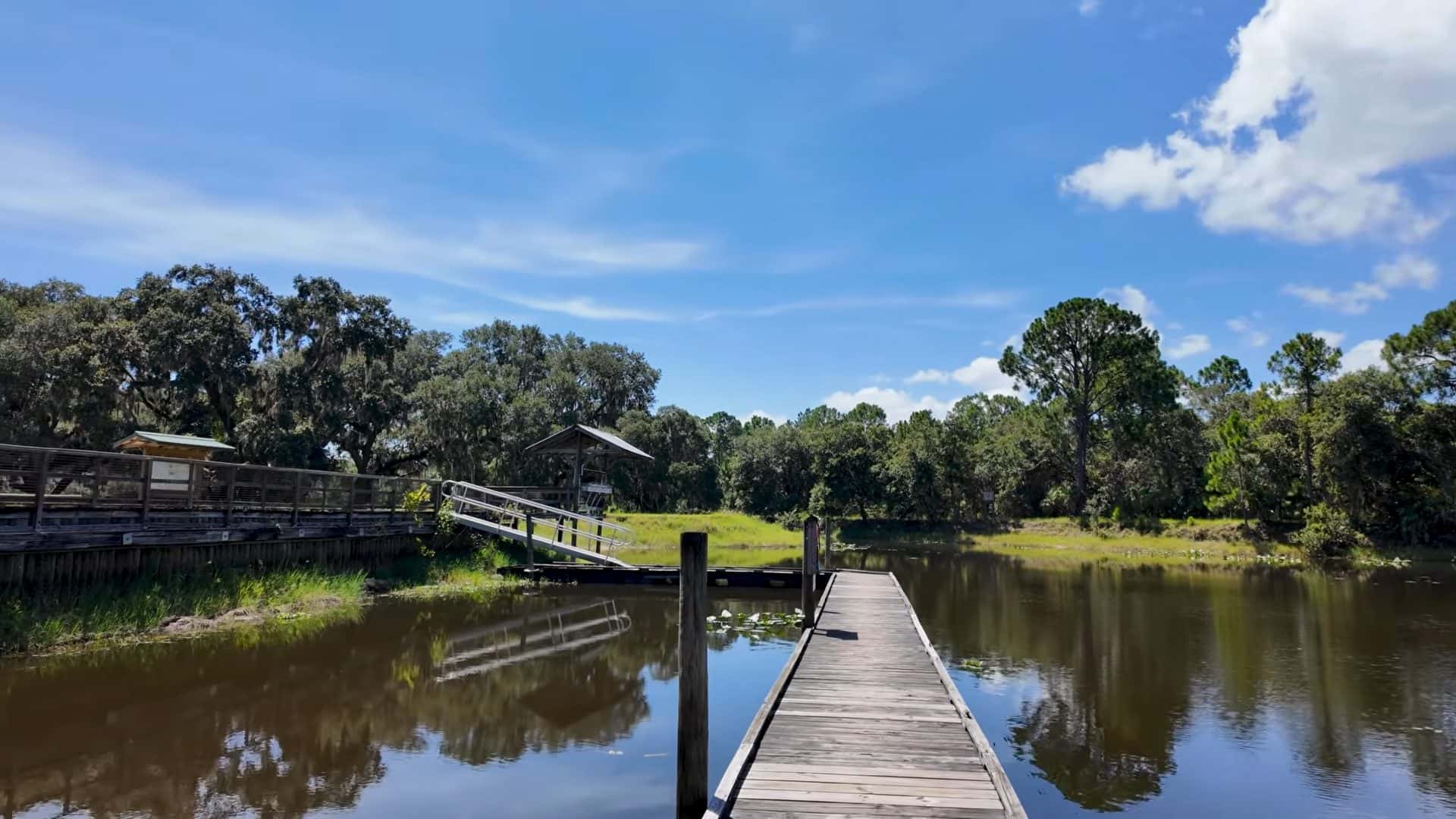
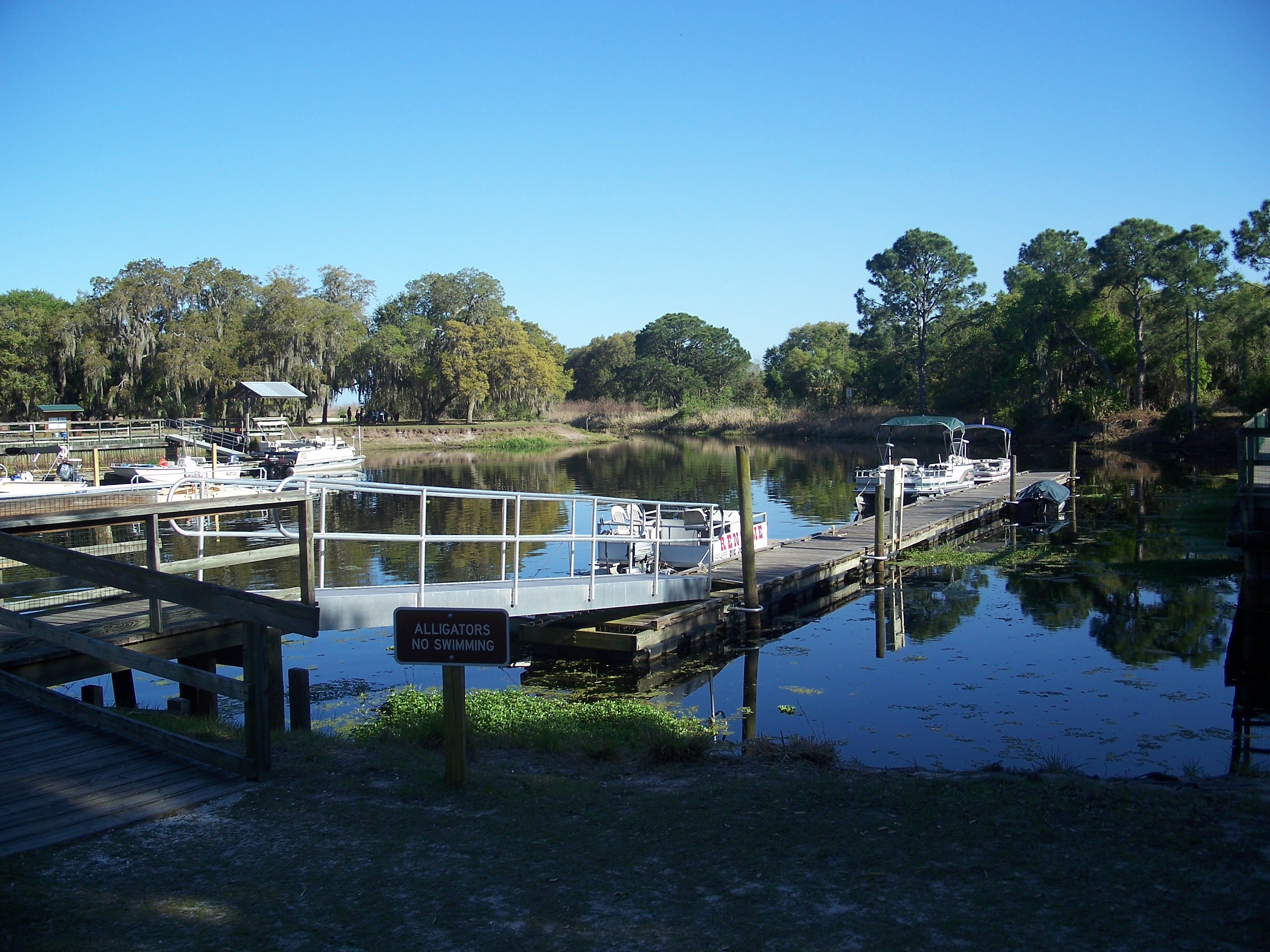
You’ll need a boat to reach most fish on Lake Kissimmee. The best ramp for all-day access is Joe Overstreet’s Landing—2 concrete lanes, 30 trailer spaces, always open, no fee, flush restrooms, and a dock. The Lake Kissimmee State Park ramp is paved, has 1 lane, 27 trailer spaces, and flush restrooms, but closes at sunset and charges a fee. Coleman Landing offers three ramps (outboard, airboat, canoe/kayak), each with 1–2 lanes, 14 trailer spaces, and composting restrooms—hours are scheduled and there’s a fee. Grape Hammock Fish Camp and Camp Tiger are private ramps with fees and limited parking. Overstreet Landing also has a public pier.
Shore fishing is limited. The Overstreet Landing pier gives some access, but most of the shoreline is marsh, private, or thick with vegetation. The state park offers some bank fishing, but a boat or kayak is the only way to reach the best water.
Trip Logistics
The nearest town with services is Hillcrest Heights, 17.5 miles away. Orlando International Airport is 36 miles north. Live bait (shiners, minnows) is a must for trophy bass and crappie; call ahead to local bait shops in Lake Wales or Yeehaw Junction to reserve wild shiners, especially in winter and spring. Lake Kissimmee State Park has campgrounds within a mile of the water, but book early for the spring bite. There are no full-service fish camps or tackle shops on the lake—bring tackle and supplies with you.
Water and Conditions
Lake Kissimmee’s water averages 79°F, with a range from 57°F to 91°F through the year. Clarity runs from 0.7 to 5.9 feet, averaging 2.1 feet—expect stained water after rain or wind, and clearer days in spring. The most recent reading (June 12, 2025) showed 88°F water, 1.6 feet clarity, and normal oxygen. Water quality changes fast—bring both dark and bright lures. The lake is mostly shallow, with plenty of hydrilla, pads, and submerged wood. Wind can build a steep chop, especially on the open middle, so check the forecast and plan your runs.
What’s Hard About This Water
Lake Kissimmee is big, open, and shallow—wind turns the open water rough fast, and soft bottom means you can run aground if you stray from the channels. Wild shiners are the top bait for trophy bass, but they can be hard to find in peak season. Summer heat and storms can shut down the bite and make afternoons dangerous. Crowds are lighter than on Toho, but weekends and spring tournaments fill the ramps early.
Ecology
The lake supports healthy grass beds, but water clarity swings from under a foot to nearly six feet depending on rain and wind. Algal blooms and low oxygen can happen in summer, especially after storms. Hydrilla and native vegetation dominate the structure. Nonnative fish like Mayan cichlid and blue tilapia are present—follow state rules for handling and never release them alive.
Safety
Wind and storms are the main hazards—shallow water and open fetch mean a small boat can get in trouble fast. Lightning is common in summer afternoons. Alligators are present along the banks and in the grass—don’t wade or let kids or pets near the water’s edge. Wear a life jacket, watch for floating vegetation, and check the weather before launching.
Pros and Cons
- Big trophy bass and strong crappie bite
- Multiple ramps with all-day access
- Healthy grass beds and varied structure
- Less crowded than Lake Toho
- Wind makes open water rough
- Shore access is limited
- Wild shiners can be hard to get
Final Verdict
Lake Kissimmee is a top pick for anglers chasing trophy bass, slab crappie, and a shot at stripers in a classic Florida setting. You need a boat to fish it right, and the best bite is January through June. Bring your own rig, plan for wind, and book your campsite or lodging early if you want to hit the spring window. If you want easy bank access or full-service amenities, Toho is a better fit. For serious anglers willing to cover water and handle the elements, Kissimmee delivers big fish and big water.