How to recognise it
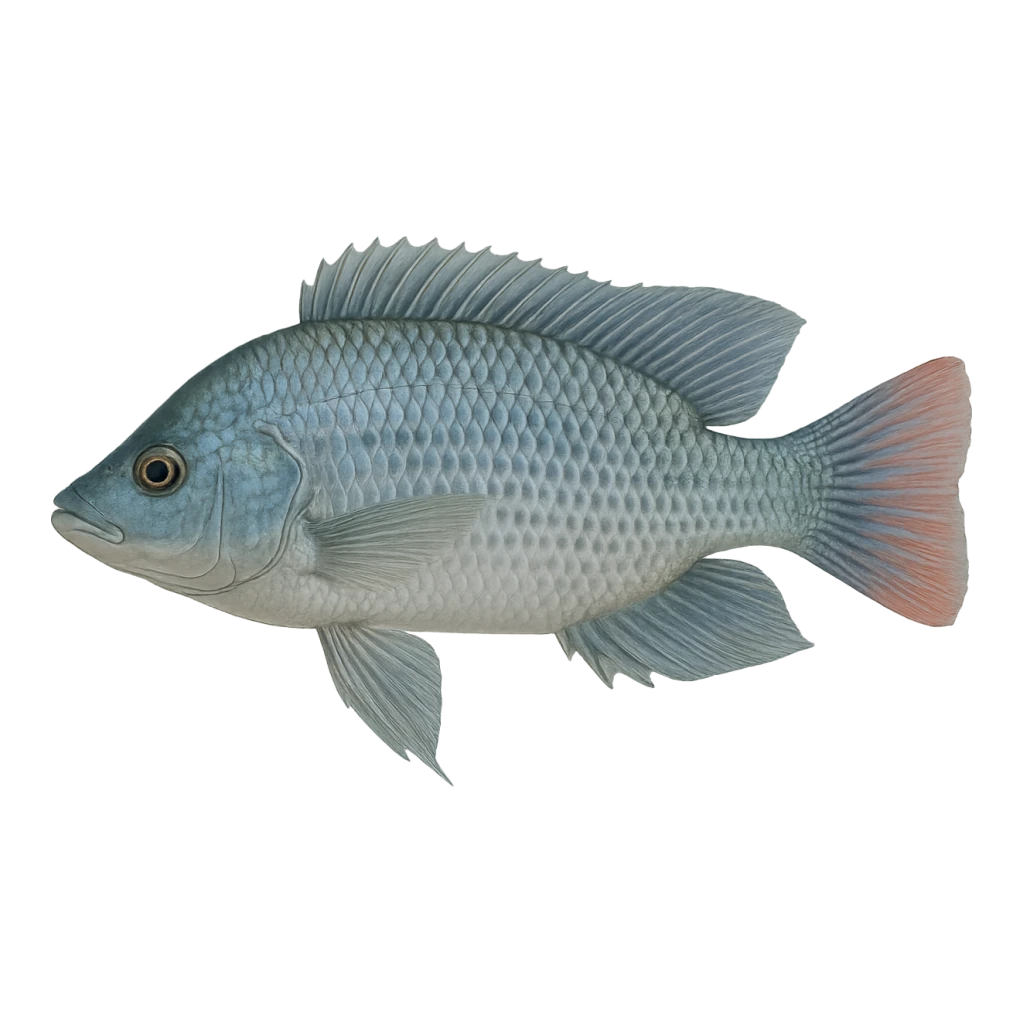
The Blue Tilapia (Oreochromis aureus) is a freshwater fish known for its distinctive features. It has a deep, laterally compressed body with a bluish-green or grayish coloration. The fins are typically long and pointed, with the dorsal fin extending along the back. The mouth is wide and slightly upturned, adapted for feeding on algae and plant material.
This species is often confused with the Mozambique Tilapia (Oreochromis mossambicus). The key detail that separates them is the number of dorsal fin spines; Blue Tilapia usually has 12 to 14 spines, while Mozambique Tilapia has 14 to 16.
Where it lives
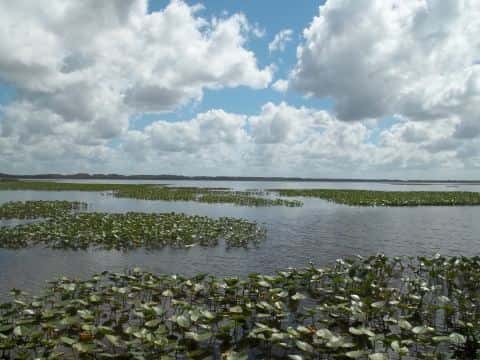
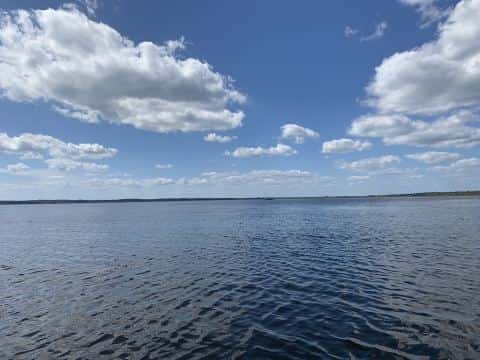
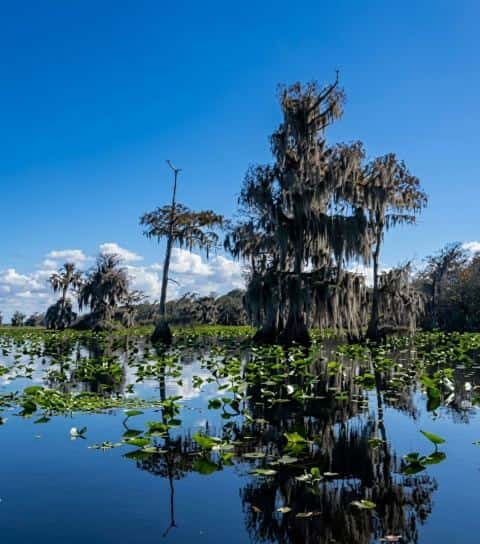
Blue Tilapia is found in various regions across the United States, primarily in the southeastern states such as Florida, Texas, and parts of California. They inhabit freshwater lakes, ponds, rivers, and reservoirs. They prefer warm, shallow waters with a depth range of 1 to 10 feet.
During the warmer months, Blue Tilapia seek cover among submerged vegetation, rocks, and structures. In colder months, they may move to deeper waters or areas with more stable temperatures, often seeking out warmer spots near springs or inflows.
When it bites
Blue Tilapia are most active from late spring through early fall, typically biting from May to October. They prefer water temperatures between 70°F and 85°F. Early morning and late afternoon are the best times to catch them, as they feed more actively during these periods.
Weather changes can impact their feeding behavior. A passing front may cause them to become less active, while stable weather conditions can improve their bite. Wind can stir up the water, making them more likely to feed, and a full moon often enhances their feeding activity at night.
How to catch it
To catch Blue Tilapia, use a light to medium spinning rod with a 6 to 10-pound test line. A size 6 to 10 hook is recommended. Common rigs include a simple bobber rig or a Carolina rig. For bait, use corn, dough balls, or small pieces of earthworms. Lures such as small jigs or soft plastics in natural colors like green or brown can also be effective.
Cast near vegetation, rocks, or other structures where they are likely to hide. Retrieve slowly, allowing the bait to settle near the bottom or among the cover. Be patient, as they may take time to bite.
Size, age and the table
Anglers typically encounter Blue Tilapia ranging from 1 to 3 pounds, with lengths of 10 to 15 inches. A trophy Blue Tilapia is usually considered to be over 5 pounds or 20 inches long. They grow quickly, reaching maturity in about 1 to 2 years, and can live up to 10 years in the wild.
Blue Tilapia are known for their good eating quality, with firm, white flesh. When handling them, wet your hands to minimize slime loss and avoid using a net if possible. If you plan to release them, do so gently to ensure their survival.