The Everglades Fishing Guide: Largemouth Bass, Snook, Spotted Seatrout & Best Spots
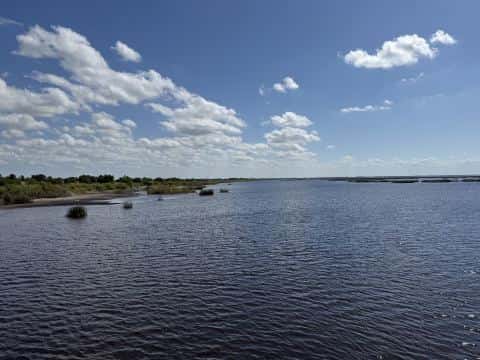
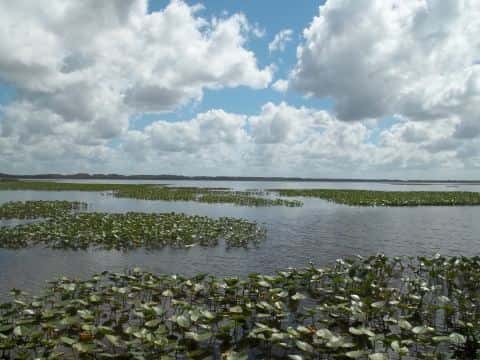
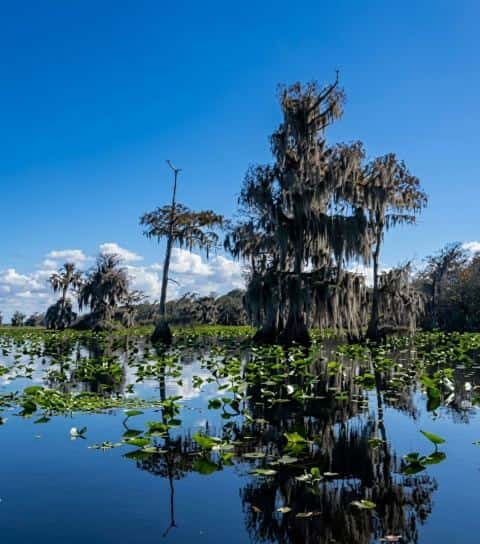
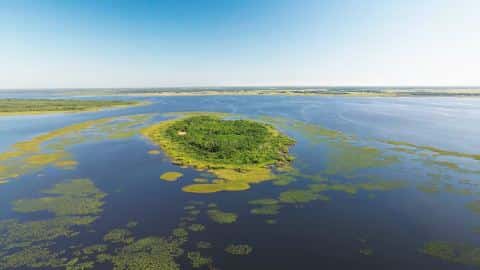
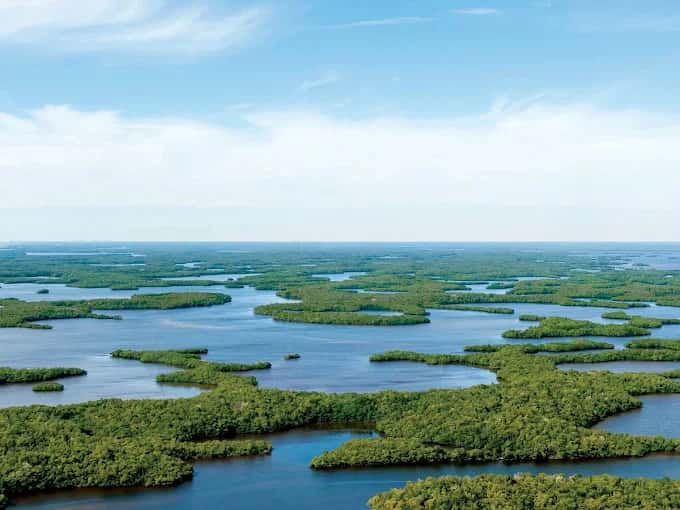
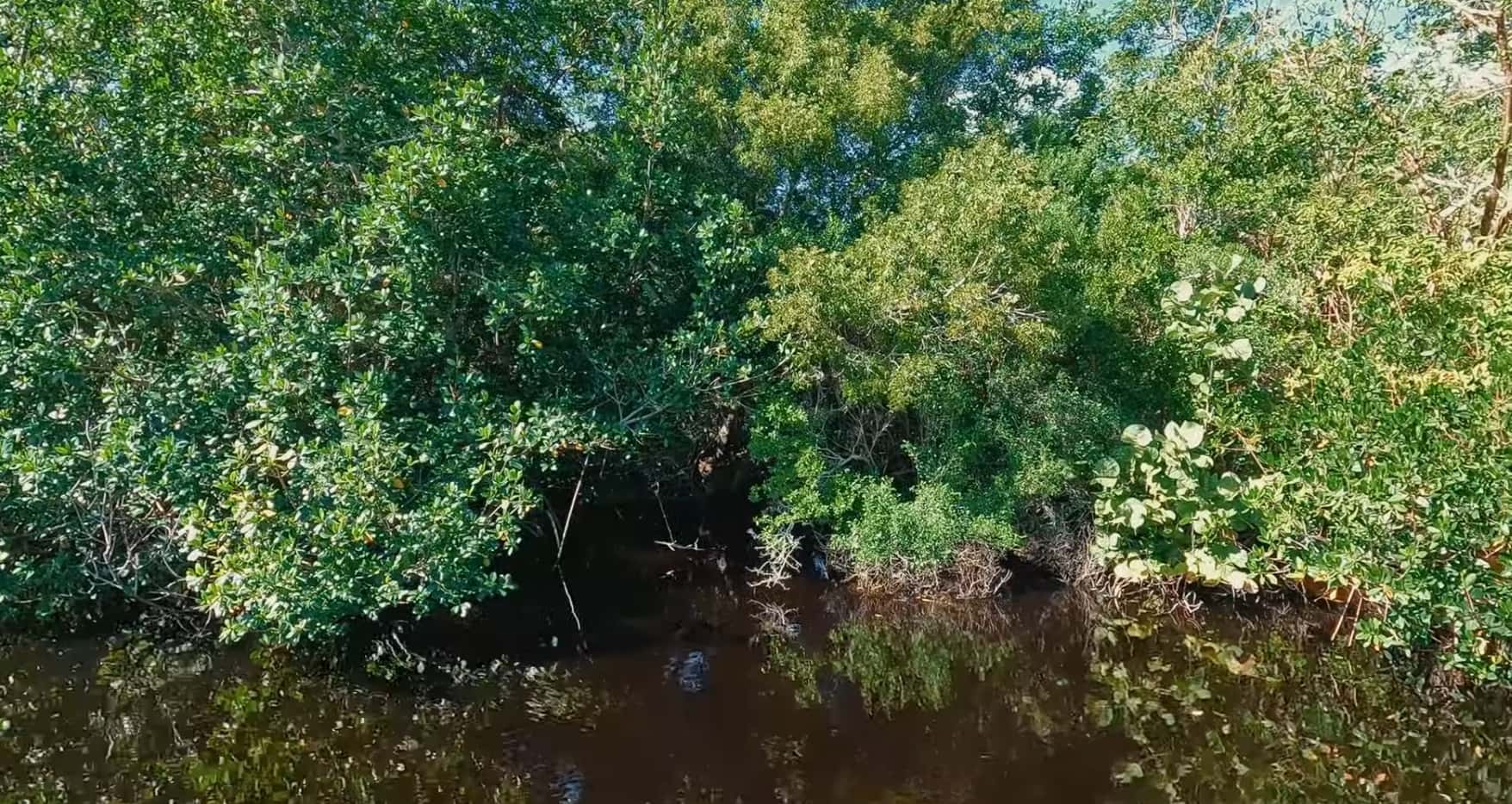
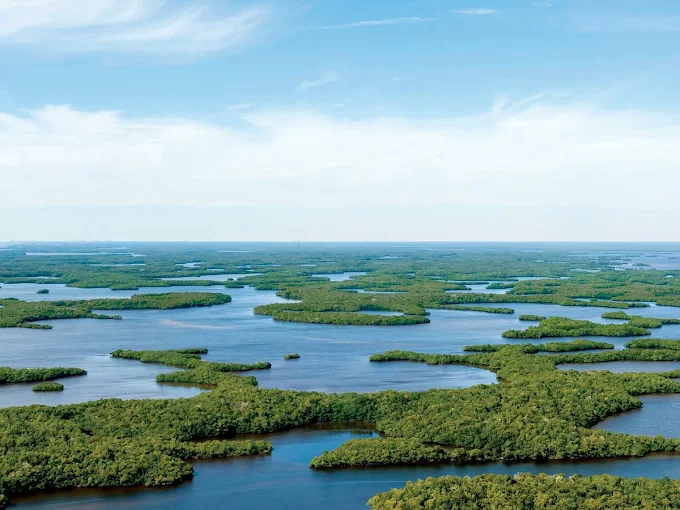
The Everglades is a sprawling, shallow wetland in South Florida, covering over 700,000 acres with an average depth of just 1 foot and a max of 8 feet. This is a place for anglers who want wild fishing, not managed lakes. The best bite for bass is January–March and July–August, while snook peak from March through September. You need a boat—airboat, shallow-draft skiff, or kayak—to reach most water. For day one, launch at Flamingo Marina for the southern Glades or use the Tamiami Trail ramps for the northern canals and sloughs.
Positioning: The Everglades vs. Biscayne Bay
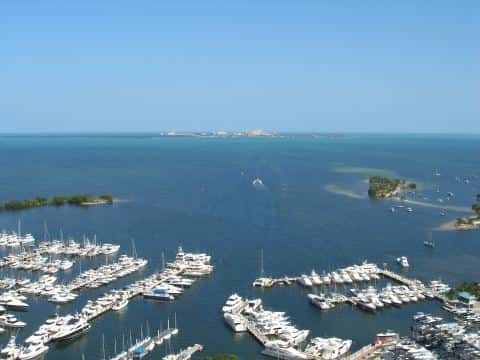
If you’re weighing The Everglades against Biscayne Bay, know that the Glades offer a true backcountry experience with more freshwater options—bass, peacock, and panfish—plus snook and seatrout in the same trip. Biscayne Bay is saltier, deeper, and better for bonefish and permit, but lacks the wild, shallow maze of the Glades.
Target Species and How to Fish Them
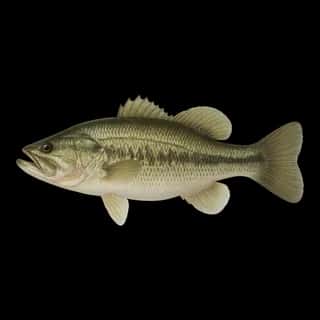
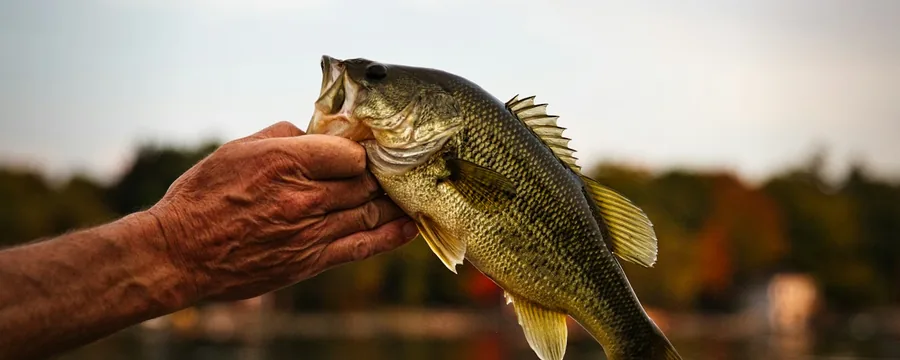
Largemouth Bass
Fish for largemouth bass in shallow areas with cover—look for weeds, submerged trees, or rocky spots along canal edges and sloughs. The best months are January, February, July, and August, with good fishing in March, June, and September. Bass here feed when water temperatures are between , which lines up with the winter and summer peaks (January water averages 71°F, July hits 90°F). Bass bite best at dawn, during the day, and dusk, especially when the light changes. Use plastic worms on a Texas rig, crankbaits, or spinnerbaits, and work them through the weeds and around downed timber. Early and late in the day are prime.
Common Snook
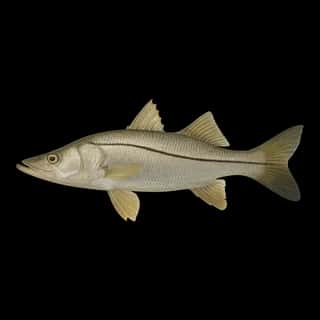
Snook hold near mangrove edges, canal mouths, and drop-offs—anywhere with moving water and ambush cover. The bite peaks in January, February, August, and September, with good fishing in March, July, and October. Snook are most active when water is 70–85°F, which matches the late winter and summer months. Their bite is driven by water temperature and tidal movement, and they feed best at dawn and dusk. Early and late are the best times, especially on a moving tide.
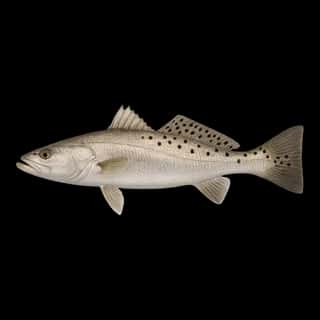
The best months are March through June, with good action in February, July, August, and September. They bite best when water is 70–85°F, which lines up with spring and early summer. Trout feed most at dawn and dusk, especially when bait is moving. Use a popping cork rig with live shrimp or soft plastics, and retrieve slowly near grass beds or sandy patches. Early morning and evening are the prime windows.
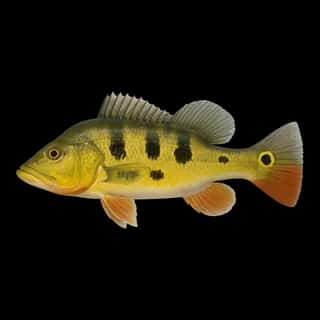
Butterfly Peacock
Butterfly peacock bass are found near submerged logs, rocks, and vegetation, especially in canals and backwaters. April through July is the peak, with good fishing in March and August. They like water 75–85°F, which matches the spring and summer highs. These fish are aggressive, especially at dawn and dusk, and are driven by baitfish and territorial behavior. Use medium to heavy spinning gear with topwater lures, swimbaits, or live shad, and cast near cover. Early and late in the day are best.
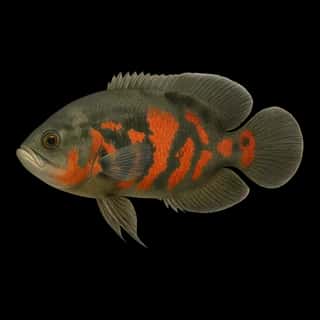
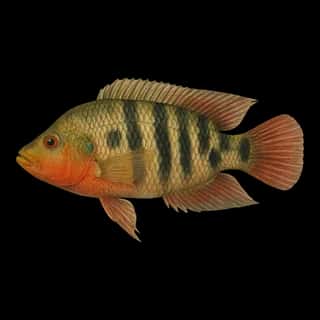
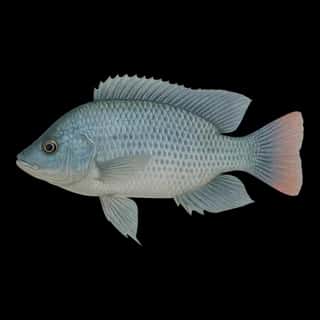
Mayan Cichlid, Oscar, Spotted Tilapia, Jaguar Guapote
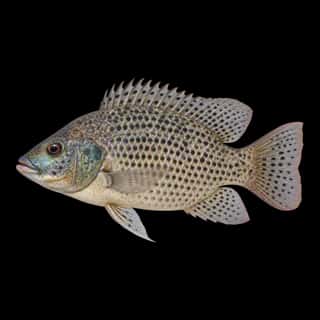
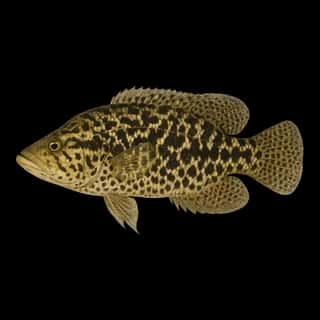
These nonnative cichlids and guapote are common in the canals and backwaters, especially near rocks, submerged logs, and thick vegetation. Mayan cichlid bite peaks July–October, Oscar from August–December, Spotted Tilapia in March–April, and Jaguar Guapote April–June. All prefer warm water and bite best during the day and at dusk. Use medium-light tackle with live worms, minnows, or small lures. Cast near cover and work slowly. These fish are aggressive and will hit a variety of baits.
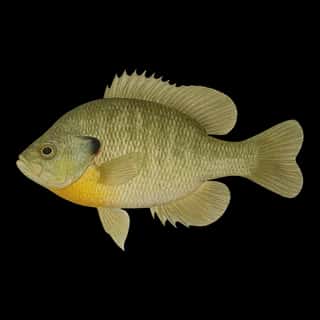
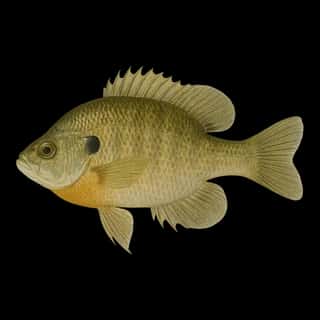
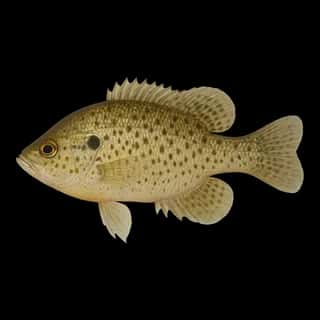
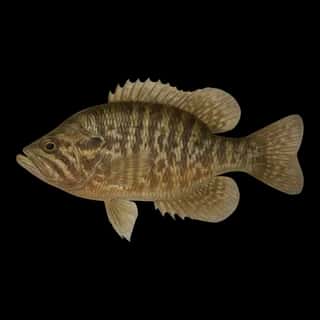
Panfish: Spotted Sunfish, Bluegill, Warmouth, Redear Sunfish
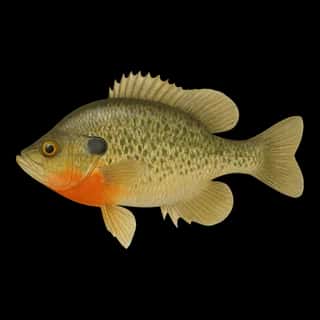
Panfish are everywhere in the Everglades, especially near submerged logs, grass edges, and shallow backwaters. Spotted sunfish bite best April–July, bluegill and redear are reliable year-round. Use light tackle with small jigs, worms, or crickets, and fish near cover. Early morning and late afternoon are best.
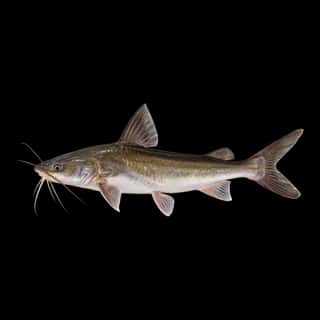
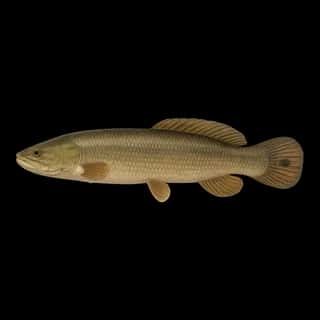
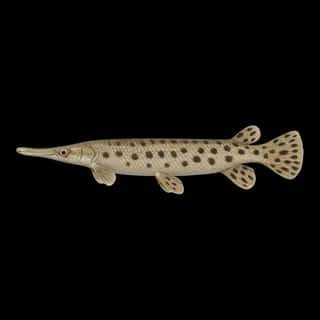
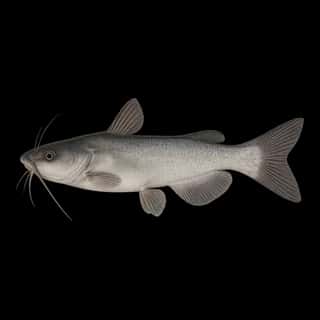
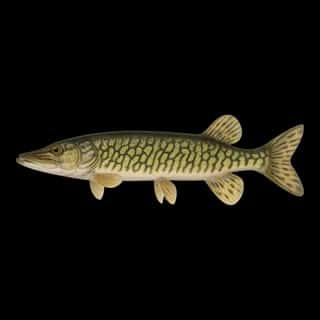
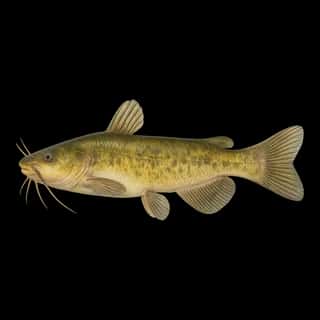
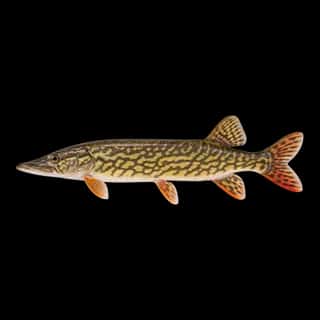
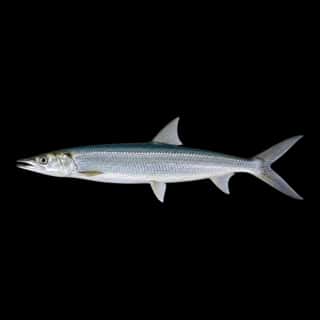
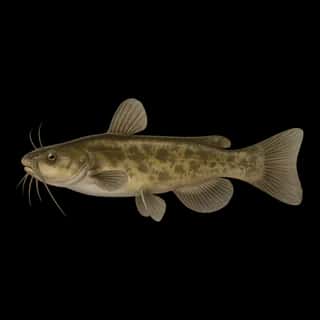
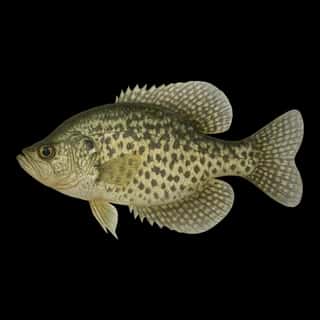
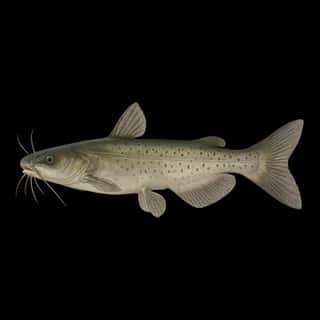
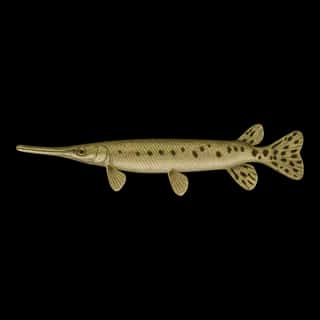
Black crappie, chain pickerel, white catfish, and redbreast sunfish are present but less common. Channel catfish, longnose gar, and yellow bullhead are on the county list only.
Best Fishing Spots
- Flamingo Marina (Canal and Bay Side): The main launch for the southern Everglades. Fish the canal for largemouth bass, snook, and peacock bass; head into Florida Bay for seatrout. The marina has 5 lanes on the bay side and 7 on the canal side, with paved parking and flush restrooms. Daylight hours only, fee required.
- Tamiami Trail Ramps (Mile 19.3, 21.9, 30.6, 33.5): These concrete ramps along US-41 give access to the northern canals and sloughs. Each has one lane, unpaved parking, and is open 24 hours. The Mile 30.6 and 33.5 ramps have the most trailer parking (30 spaces each). Fish the canal edges and adjacent sloughs for bass, peacock, cichlids, and snook.
- Mitchell’s Landing (Big Cypress): Airboat and shallow-draft boat access to the central Glades. One concrete lane, 6 trailer spaces, composting restroom. Always open, no fee.
- Glenn Garrett Memorial Park Hand Launch: Good for kayaks and canoes. Concrete ramp, 15 trailer spaces, always open. Fish nearby sloughs and grass beds for panfish and cichlids.
Structure and Depth
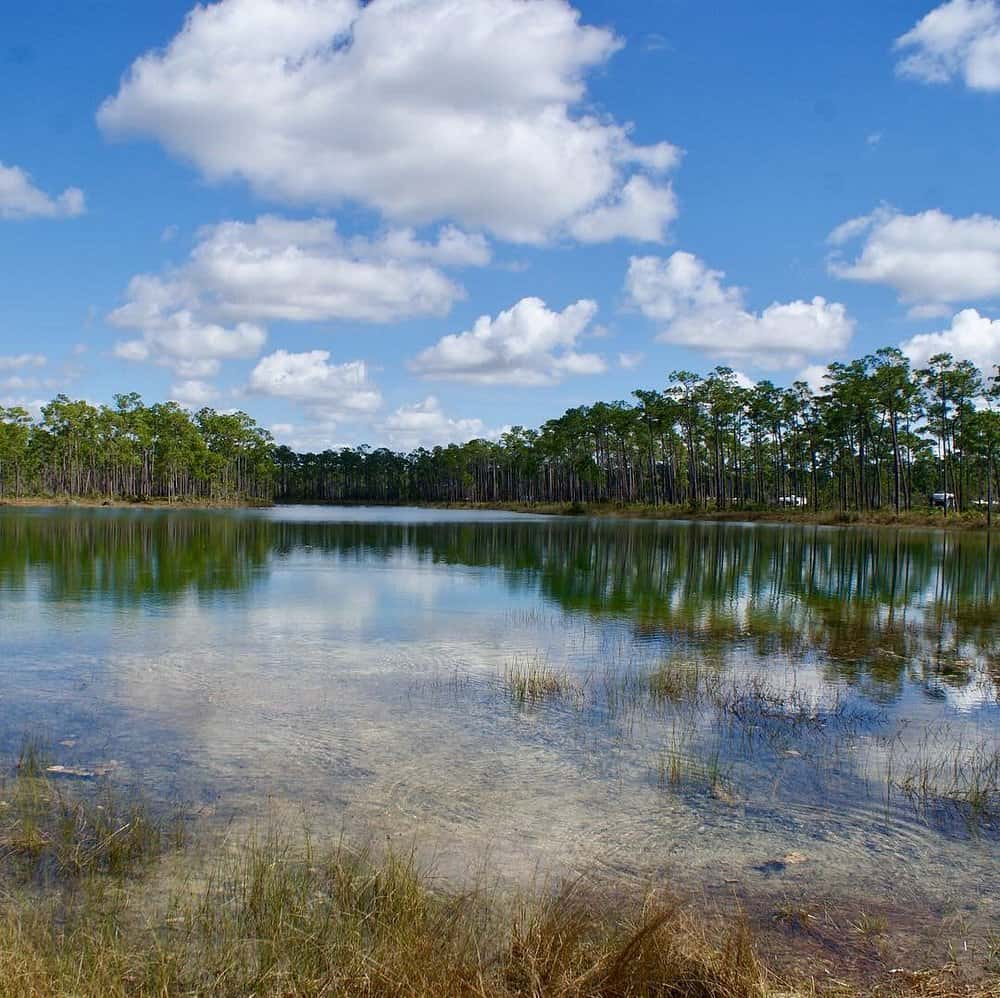
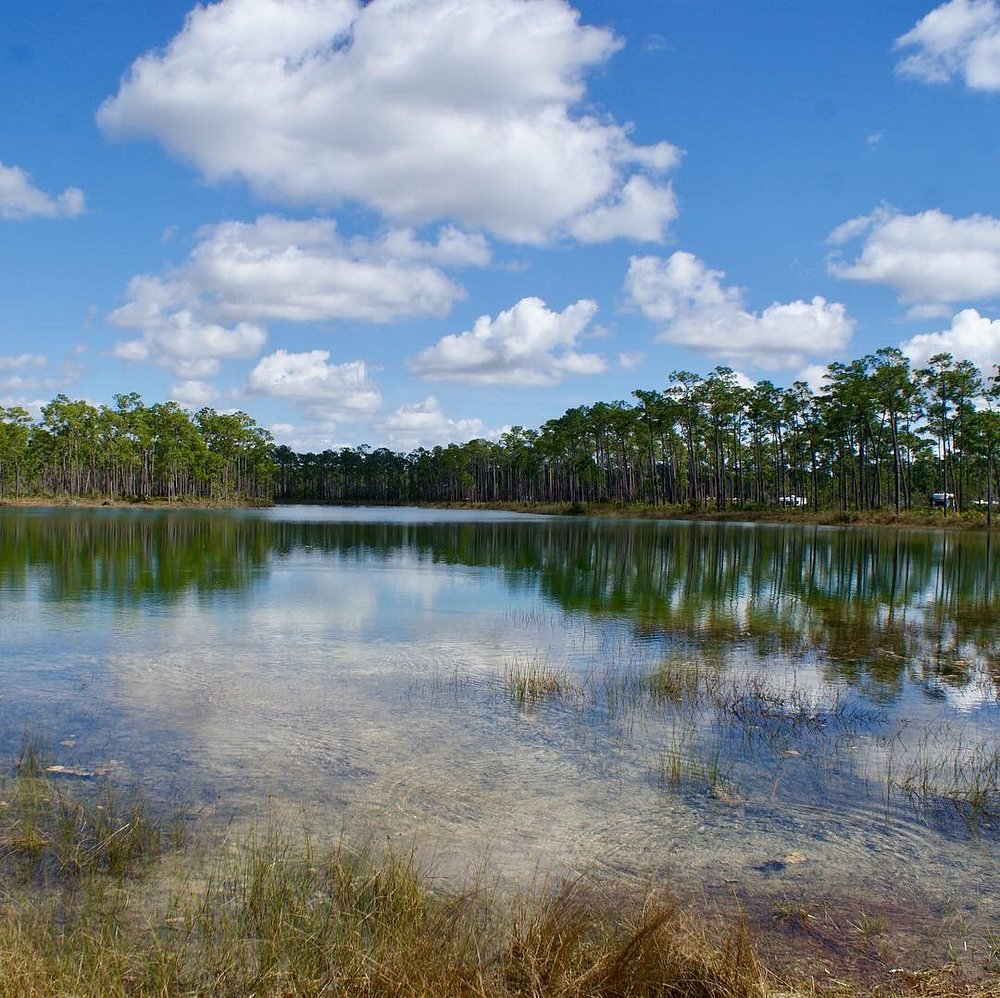
The Everglades is almost entirely shallow—over 99% of the water is less than 2 feet deep, with only a few scattered holes reaching 7–8 feet. Most fishing happens along canal edges, sloughs, and around submerged vegetation, logs, and mangrove points. There are no deep channels or rocky ledges. The bottom is soft muck or sand, and grass beds are common. Fish relate to cover—if you find a patch of weeds, a downed tree, or a mangrove point, work it thoroughly. In the dry season, fish stack in the remaining deeper sloughs and canals.
Season-by-Season Breakdown
- Winter (December–February): Water temperatures run 71–75°F. Largemouth bass bite peaks in January and February, especially at dawn and dusk. Snook are active in January and February, but the season is closed December 15–January 31—release only. Panfish are steady, especially in the canals.
- Summer (June–August): Water hits 88–90°F. Snook and peacock bass are at their most active. Bass bite well in July and August, and Mayan cichlid and oscar are aggressive. Fish early and late to avoid the heat. Afternoon storms are common—plan to be off the water by mid-afternoon.
- Fall (September–November): Water cools to 77–89°F. Snook remain active in September and October. Mayan cichlid and oscar bite well through October. Bass and panfish are steady. By November, action slows as water cools and the dry season begins.
If you only get one trip, March through July is the window for the most species and the best bite. Avoid December if you want to keep snook or peacock bass—those bites are either off or catch-and-release only.
Getting on the Water: Ramps and Access
- Flamingo Marina (Canal and Bay Side): 5 lanes (bay), 7 lanes (canal), paved parking for 100 trailers, flush restrooms, daylight hours, fee required. This is the main launch for the southern Everglades and Florida Bay.
- Tamiami Trail Ramps (Mile 30.6 and 33.5): Each has one concrete lane, 30 trailer spaces, unpaved firm parking, always open, no fee. These are the best choices for the northern Glades and canal fishing.
- Mitchell’s Landing: One concrete lane, 6 trailer spaces, composting restroom, always open, no fee. Airboat and shallow-draft boat access to central sloughs.
- Glenn Garrett Memorial Park Hand Launch: One concrete lane, 15 trailer spaces, always open, no fee. Good for kayaks and canoes.
The Flamingo ramps are the only ones with paved parking and restrooms. Many launches are daylight-only, so plan to be off the water before dark. Airboats and shallow-draft boats are the best way to cover ground here. Canoes and kayaks are popular, but be ready for long paddles and sudden storms.
Water and Conditions
The Everglades is shallow, with nearly all water under 2 feet deep. Water clarity averages 2 feet but can range from 1.6 to 2.3 feet. The latest reading (August 13, 2025) showed clarity at 2.3 feet and high dissolved oxygen (11.1 mg/L), which is above normal. Water temperatures run from 71°F in January to 90°F in July. The water can change fast after heavy rain or during the dry season, concentrating fish in deeper sloughs and canals. Afternoon storms are common in summer, and wind can make open sloughs rough. There are no tides here—water movement is driven by rainfall and canal flow.
Regulations
- Largemouth Bass: No minimum length. Bag limit is 5 black bass (including largemouth), only one of which may be 16 inches or longer. Florida freshwater fishing license required unless exempt.
- Common Snook: Slot 28–32 inches. One fish per person per day. Closed December 15–January 31 and June 1–August 31. Snook permit and recreational fishing license required.
- Butterfly Peacock: Bag limit 2, only one may be 17 inches or longer. Open year-round. Freshwater fishing license required.
- Panfish (Spotted Sunfish, Bluegill, Warmouth, Redear): Aggregate bag limit 50. No length limit. Open year-round. Freshwater fishing license required.
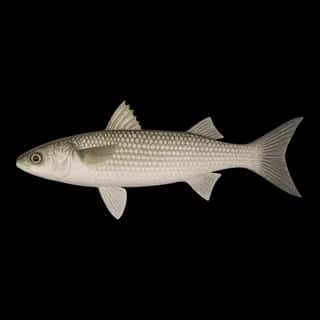
- Mullet: No minimum size. Daily bag limit 50 per person. Vessel limit 50 fish from September 1–January 31. Saltwater fishing license required unless exempt.
- Black Crappie: Bag limit 25. No statewide length limit. Open year-round. Freshwater fishing license required.
- Redbreast Sunfish: Included in panfish aggregate, bag limit 50. No length limit. Open year-round. Freshwater fishing license required.
- Nonnative Species (Mayan Cichlid, Oscar, Butterfly Peacock, Jaguar Guapote, Blue Tilapia): Releasing or introducing any nonnative fish into Florida waters requires a permit. No live nonnative fish may be transported for bait except variable platys and fathead minnows. Live specimens of Conditional and Prohibited nonnative species may not be possessed.
You need a Florida freshwater or saltwater fishing license, depending on the species. Non-residents can buy short-term licenses, but check the rules before you go. Regulations can change, so always verify the current rules with the Florida Fish and Wildlife Conservation Commission before fishing.
Shore and Boat Access
Shore fishing is limited in the Everglades. Most banks are overgrown, muddy, or inaccessible, and alligators are common. The best shore access is at ramps along the Tamiami Trail, but these spots are crowded and limited. Boat access is the way to go—airboats, shallow-draft skiffs, and kayaks let you reach the best water.
Trip Logistics
Base yourself in Homestead or Florida City for the southern Glades, or along US-41 (Tamiami Trail) for the northern canals. Miami International Airport is 51 miles away, Fort Lauderdale is 72 miles. Live bait is not sold in the park; bring it with you or catch your own. Lodging options are limited—there are campgrounds at Flamingo and in the park, plus motels in Homestead and Florida City. Book early for spring and summer, as these are the busiest fishing months. There are no tackle shops or fuel stations inside the park—stock up before you enter.
Ecology
The Everglades is a wild, dynamic system. Water clarity averages 2 feet but can drop after storms or during high winds. Dissolved oxygen is usually good, but can drop in hot, stagnant water. The area supports a mix of native and nonnative fish—Mayan cichlid, oscar, and butterfly peacock are established and reproduce naturally. Vegetation and water levels change with the seasons; in the dry season, fish concentrate in canals and sloughs. There are no red tide events here, but summer heat and storms can trigger fish kills in isolated pools.
What’s Hard About Fishing The Everglades
Most of the Everglades is extremely shallow—over 99% is less than 2 feet deep. That means you need a boat that can run skinny water, and you’ll still get stuck if you stray off the main sloughs. Wind can turn open areas into muddy chop fast, making fishing tough and navigation risky. Summer storms build quickly, and lightning is a real hazard. Crowds are rare except at the main ramps, but you’ll be on your own in the backcountry. Alligators are everywhere—don’t wade, and keep an eye on the bank.
Safety
Alligators are common along every bank and canal—don’t wade or let kids or pets near the water. Summer brings daily lightning storms; plan to be off the water by mid-afternoon. The bottom is soft muck, and it’s easy to get stuck if you leave the main channels. Bring plenty of water, sun protection, and a GPS or map—cell service is spotty in the backcountry.
Pros and Cons
- Pros:
- Wild, remote fishing for bass, snook, seatrout
- Multiple ramps, most open 24 hours
- Year-round bite for many species
- Unique mix of freshwater and saltwater fish
- Cons:
- Extremely shallow—boats run aground easily
- Alligators and biting insects everywhere
- Limited shore fishing access
Final Verdict
The Everglades is for anglers who want wild, shallow-water fishing and don’t mind roughing it. If you want to catch largemouth bass, snook, and peacock bass in the same trip, this is the place. The best months are March through July, but there’s something biting year-round. If you want comfort, deep water, or easy access, look elsewhere. If you want a real Florida adventure, the Glades deliver.