Crooked Lake Fishing Guide: Largemouth Bass, Sunshine Bass, Crappie & Best Spots
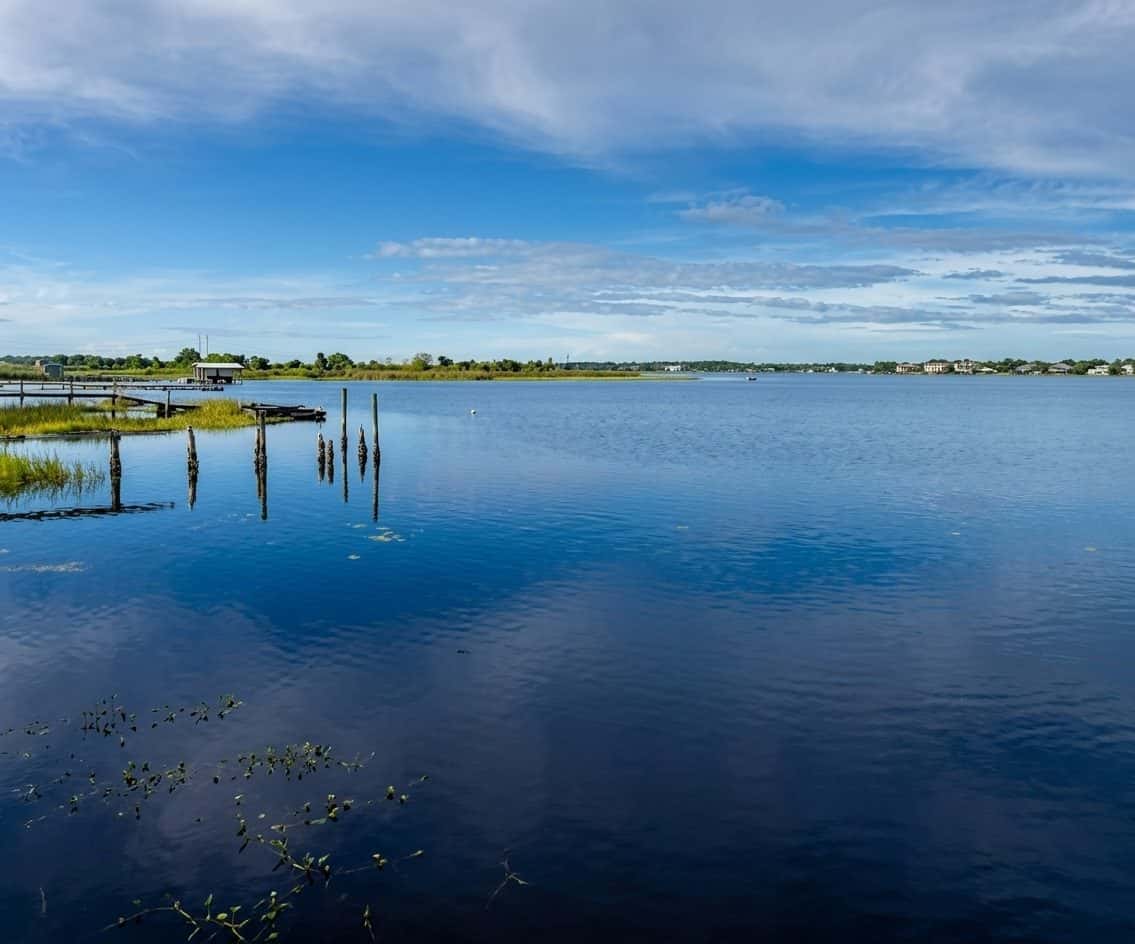
Crooked Lake in Polk County is a clear, deep Florida lake with a strong largemouth bass fishery, solid sunshine bass action, and good runs of crappie and panfish. The best months for bass are January, February, July, and August, with sunshine bass peaking April through July. You’ll need a boat to fish most of the lake, and the main public ramp is at Bob’s Landing on the west shore. Start your day working the weed edges and submerged structure near drop-offs for bass and hybrids.
Why Fish Crooked Lake?
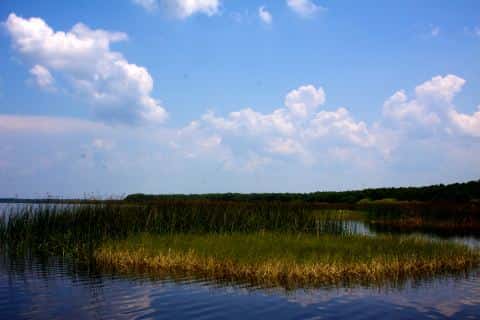
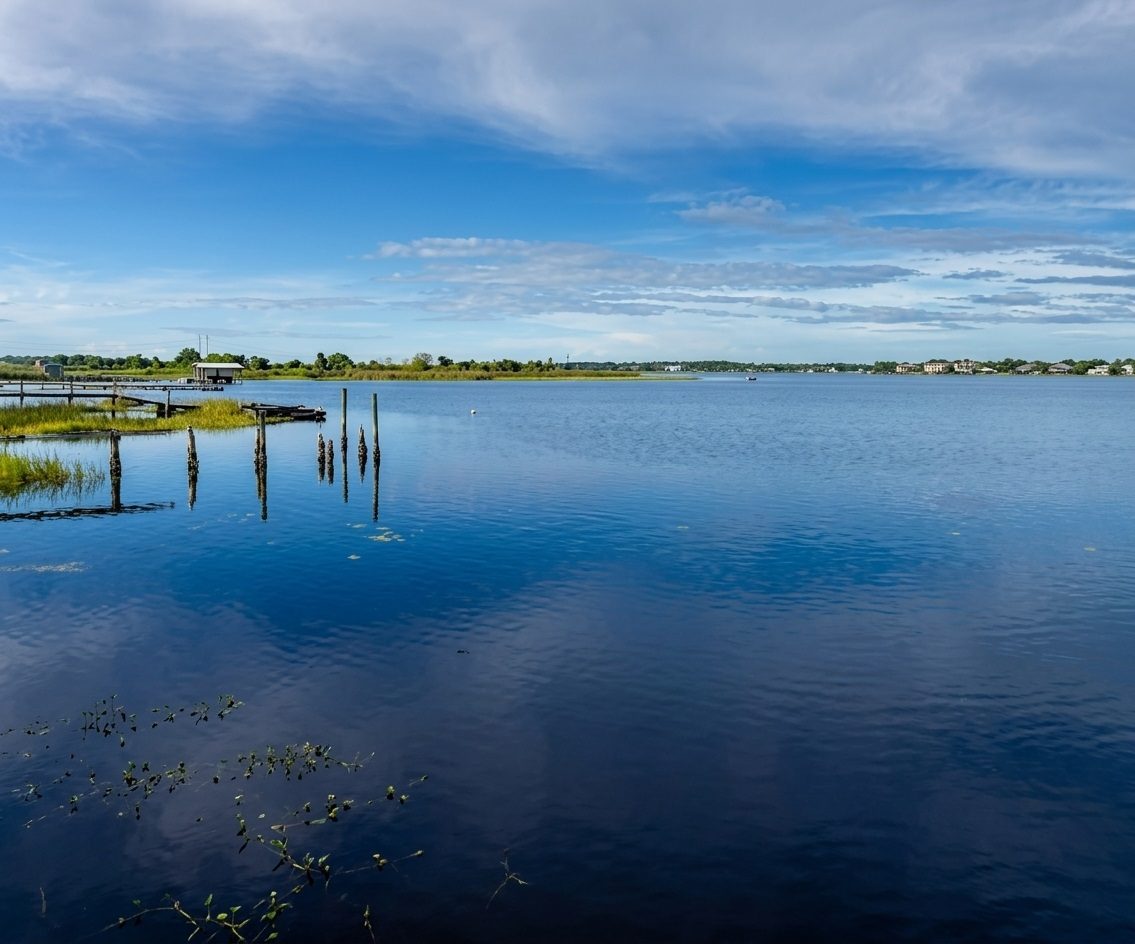
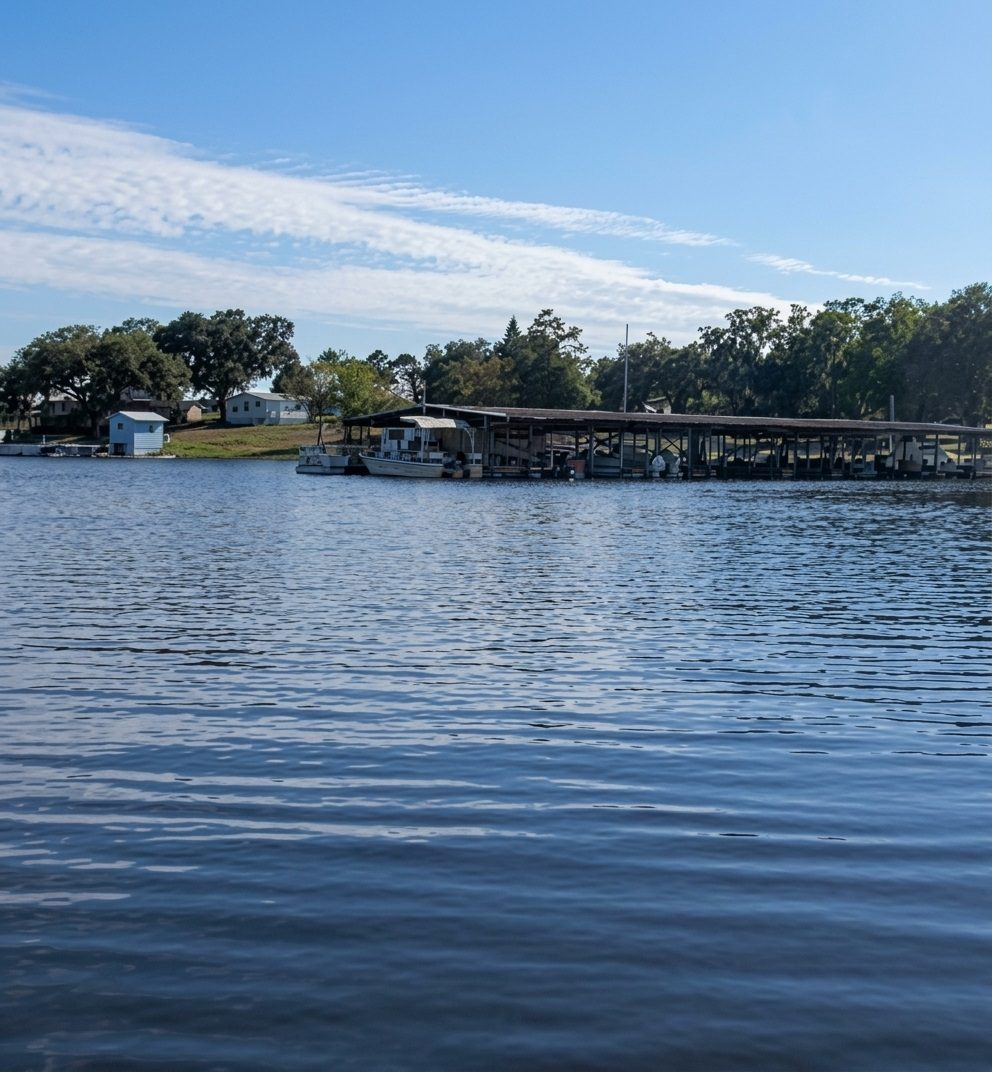
Crooked Lake stands out for its deep, clear water and variety of structure, with depths down to 38 feet and over 24 miles of shoreline. It’s less pressured than nearby lakes like Lake Kissimmee, offering a quieter experience and a shot at trophy bass. The water stays clearer than most central Florida lakes, which changes how you fish it—lighter line and natural presentations matter here. If you want deep water options and a mix of bass, hybrids, and panfish, Crooked Lake is a strong pick.
Target Species and How to Fish Them
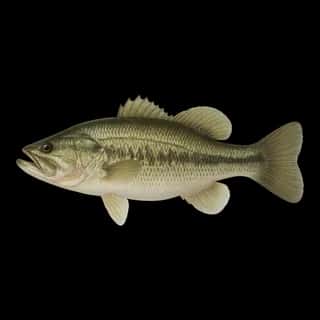
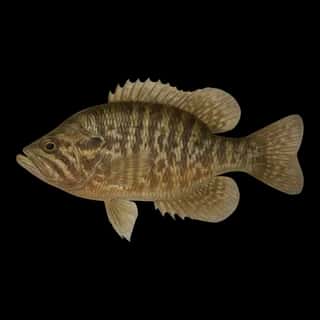
Largemouth Bass: Fish the shallow weed edges, rocky points, and fallen trees, especially where cover meets a drop-off. The best months are January, February, July, and August, with good fishing in March, June, and September. Bass here respond to changes in water temperature and light, so early and late in the day are prime. Use plastic worms (Texas rig), crankbaits, and spinnerbaits. The bass feed at dawn, during the day, and at dusk, but the bite is strongest at first and last light.
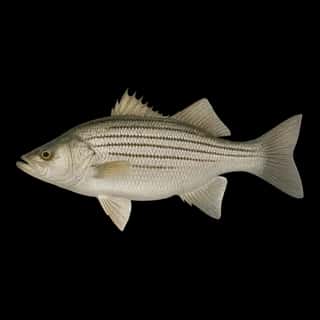
Sunshine Bass: Target submerged structure, points, and drop-offs, especially in spring and early summer. April through July is peak, with March and August also good. These hybrids turn on when the water is 70–80°F. Swimbaits, jigs, and topwater lures all work. Fish them at dawn, during the day, or dusk—look for schooling activity and baitfish.
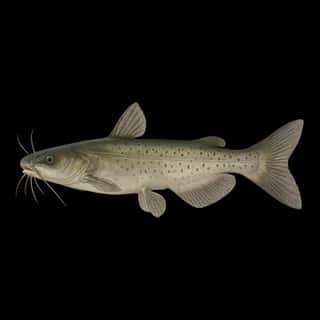
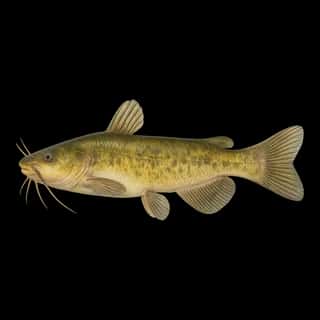
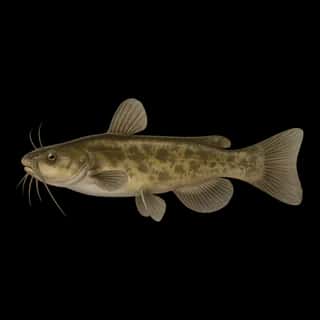
Channel Catfish: Find them near fallen trees, rocky banks, or deeper holes. May through August is the top window, with March, April, and September also producing. They bite best at dusk and into the night, especially when the water is warm. Use chicken liver, stink bait, or cut bait on a slip sinker rig.
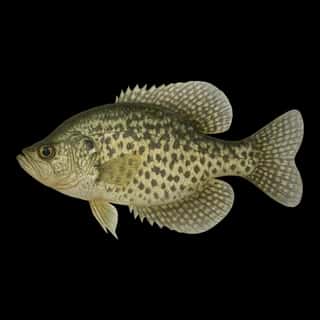
Black Crappie: Focus on submerged brush piles and shallow structure during the spring spawn. April, May, and June are the best months, with March and July still good. Use slip bobbers with live minnows or bright jigs.
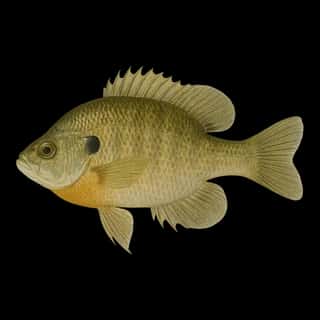
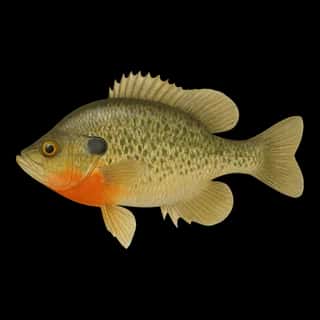
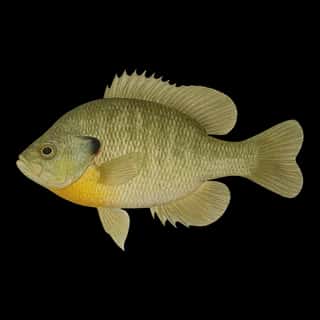
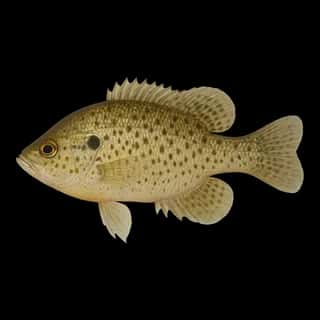
Bluegill and Redear Sunfish: Fish near weed beds, docks, and submerged logs. Bluegill bite best March through August, with February and September also good. Redear peak in May and June, with action from March through August. Use worms, crickets, or small jigs under a bobber. Early morning and late afternoon are best.
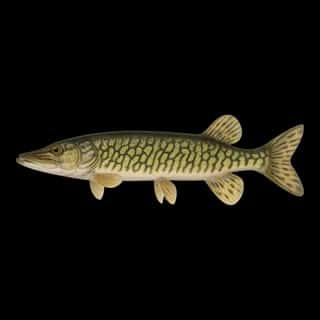
Chain Pickerel: Work the edges of lily pads and weedy areas with spinnerbaits, crankbaits, or live minnows. March through October is the main window, with the bite driven by warmer water and active prey.
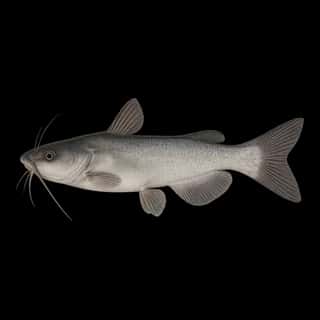
White Catfish: Target deeper holes and structure from June through September, with some action March through May and in October. Nightcrawlers, chicken liver, or cut bait on the bottom work best, especially at dusk and after dark.
Other Sunfish (Warmouth, Redbreast, Spotted): All are catchable spring through summer near cover with small live bait or jigs. Fish dawn to dusk.
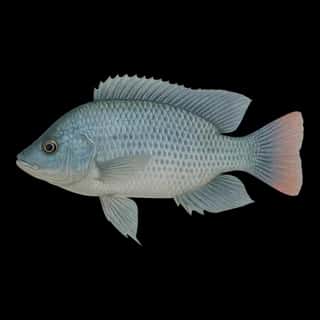
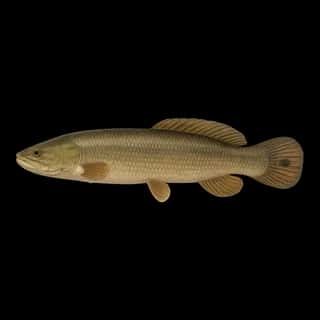
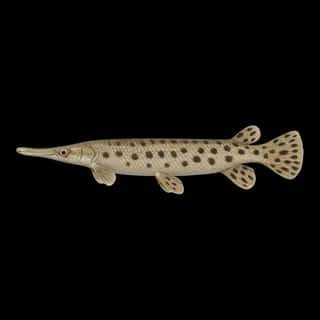
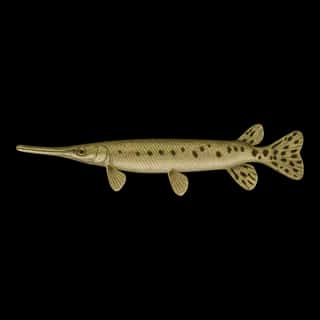
Bycatch: Bowfin, Florida gar, longnose gar, and yellow bullhead show up while fishing for other species. Blue tilapia are present and used as bait.
Best Fishing Spots on Crooked Lake
- West Shore Weedlines: Start near the main ramp at Bob’s Landing and work the weed edges and drop-offs. Bass and sunshine bass hold here, especially early and late.
- South End Deep Holes: The southern basin has water over 30 feet deep. In summer heat or after a front, bass and catfish drop into these holes.
- North Point Submerged Timber: Look for brush piles and submerged wood on the north end for crappie and panfish, especially in spring.
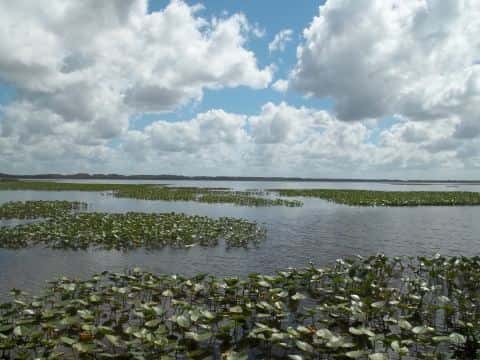
- East Shore Lily Pads: Pickerel and panfish hold along the pad edges and shallow cover on the east side.
- Midlake Drop-offs: Sunshine bass and catfish roam the deeper midlake structure, especially where a flat drops into 15–20 feet.
Structure and Depth
Crooked Lake has a mix of shallow flats and deep water. About half the lake is 10 feet or deeper, with the deepest holes reaching 38 feet. Shallow bands (3–8 feet) ring the shoreline and hold fish in spring and early summer. The main drop-offs and deeper holes come into play as the water warms or after a cold front. Weed beds, rocky points, and submerged timber are the main structure to target. Clear water means fish can be spooky—use lighter line and natural colors.
Season-by-Season Breakdown
- Winter (Dec–Feb, water 67–70°F): Bass stage for the spawn in shallow cover, especially January and February. Crappie move shallow to brush and timber. Sunfish slow down but can be caught on warm days. Catfish are less active but still catchable in deeper holes.
- Spring (Mar–May, water 76–80°F): Bass spawn in shallow flats and weed edges. Crappie and sunfish are active and close to shore. Sunshine bass start to school and feed hard. This is the best window for numbers and size across most species.
- Summer (Jun–Aug, water 83–86°F): Bass and sunshine bass feed early and late, then move deeper by midday. Catfish and white catfish are most active at night. Bluegill and redear sunfish bed and feed near cover. Pickerel and gar stay aggressive. Water clarity can drop after storms.
- Fall (Sep–Nov, water 76°F): Bass and hybrids chase bait around drop-offs and points. Panfish remain active until water cools in November. Catfish slow as temps drop. Crappie start to move deeper.
The single best window for trophy bass is January and February. For sunshine bass, April through July is the main run. Avoid December if you want steady action—most species slow down as water temps drop.
Getting on the Water: Ramps and Access
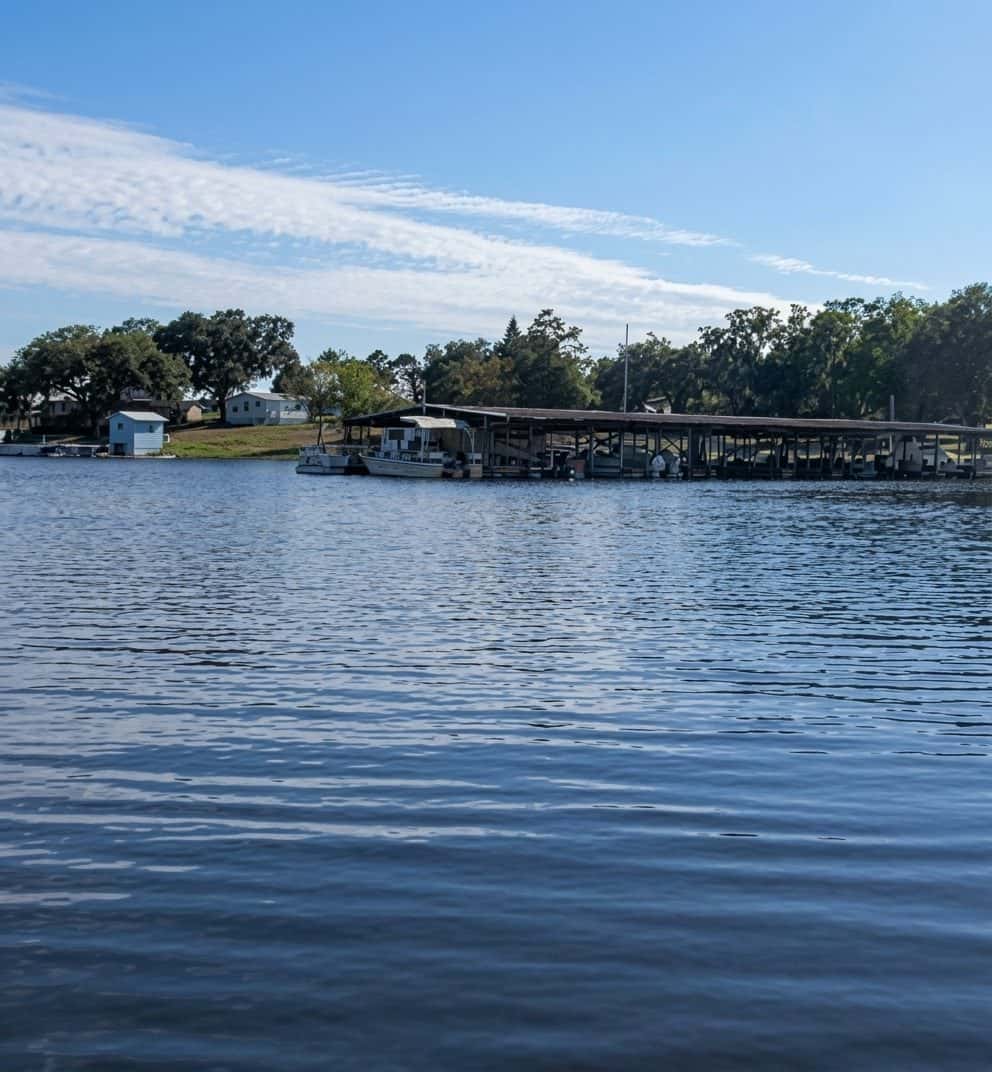
The main public ramp is Bob’s Landing Mobile Home Park and Boat Ramp on the west shore. It has one concrete lane, a dock, flush restrooms, and unpaved trailer parking for about 25 rigs. The ramp is open 24 hours and charges a launch fee. This is the best spot for trailering in and gives quick access to the west shore weedlines and main lake.
Water and Conditions
Crooked Lake is known for clear water, with average Secchi clarity over 23 feet, but it can drop as low as 3.6 feet after storms or heavy algae. The most recent reading (August 2025) showed water at 86°F and clarity at 4.3 feet—hot and stained for this lake. Water temperatures run from the low 60s in winter to the upper 80s in summer. The lake is deep by Florida standards, with plenty of oxygen and a pH around 6.9. Watch for clarity changes after rain—when the water stains, switch to darker lures.
What is Hard About This Water
Crooked Lake’s clear water makes fish wary, so you’ll need to downsize line and use natural colors to get bites, especially on calm days. There’s only one main public ramp, so access is limited and the lot can fill up fast on weekends. Shore fishing options are thin—most productive water is only reachable by boat. Wind can stack up a chop on open stretches, and the deep holes can make anchoring tricky.
Safety
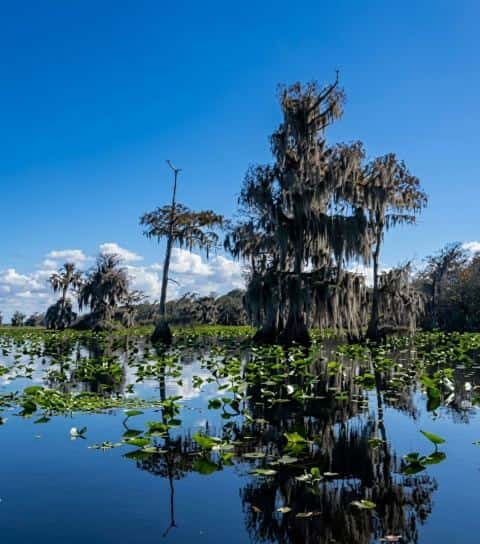
Afternoon storms and lightning are common in summer—get off the water early if thunderheads build. The lake’s deep holes can be a hazard if you’re not watching your depth finder, and the clear water can hide submerged timber. Alligators are present, so use caution if you’re fishing close to the bank or launching a small boat. Always check the weather before heading out, and carry plenty of water for hot days.
Regulations
- Largemouth Bass: No minimum length. Bag limit is 5 black bass (including largemouth), only one of which may be 16 inches or longer. The 5-fish limit is an aggregate across all black bass species. No person may possess more than two days’ bag limit of freshwater game fish.
- Channel Catfish: No statewide bag or possession limit, except as noted in Fish Management Area regulations. Check for any local rules before keeping catfish.
- Black Crappie: No length limit. Bag limit is 25 per person per day. Open year-round. No person may possess more than two days’ bag limit.
- Bluegill, Redear, Warmouth, Redbreast, Spotted Sunfish: No length limit. Bag limit is 50 panfish (aggregate) per person per day. Open year-round.
- Nonnative Species (Sunshine Bass, Blue Tilapia): Releasing or introducing any nonnative fish into Florida waters requires a permit from the Commission (Ch. 68-5, F.A.C.). No live nonnative fish, except variable platys and fathead minnows, may be transported for use as bait. Live specimens of Conditional and Prohibited nonnative species may not be possessed.
- License: A Florida freshwater fishing license is required unless exempt. Non-resident short-term licenses are available, but check how to purchase before you leave home.
Regulations can change, so anglers should verify the current rules with the Florida Fish and Wildlife Conservation Commission before fishing.
Pros and Cons
- Pros:
- Deep, clear water with big bass potential
- Solid sunshine bass and crappie runs
- Good ramp access with 24-hour launch
- Less pressured than nearby big lakes
- Cons:
- Only one main public ramp
- Launch fee required
- Clear water makes fish spooky
- Limited shore fishing access
Final Verdict
Crooked Lake is a strong pick if you want deep, clear Florida water with a real shot at trophy bass and solid hybrid action. The best months are January–February for bass and April–July for sunshine bass. You’ll need a boat, and the main ramp can fill up on weekends, so plan to arrive early. The water is clearer than most lakes in the area, so scale down your tackle and use natural colors. If you want a quieter trip than the crowds at Lake Kissimmee, Crooked Lake delivers, but don’t expect easy shore access or a lot of ramps.