Indian River Lagoon Fishing Guide: Snook, Spotted Seatrout, Red Drum & Best Spots
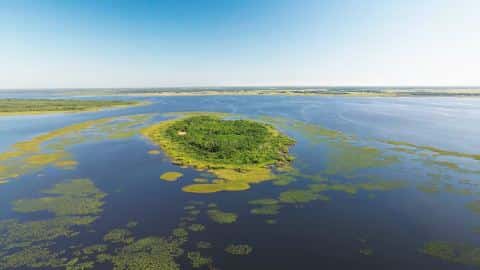
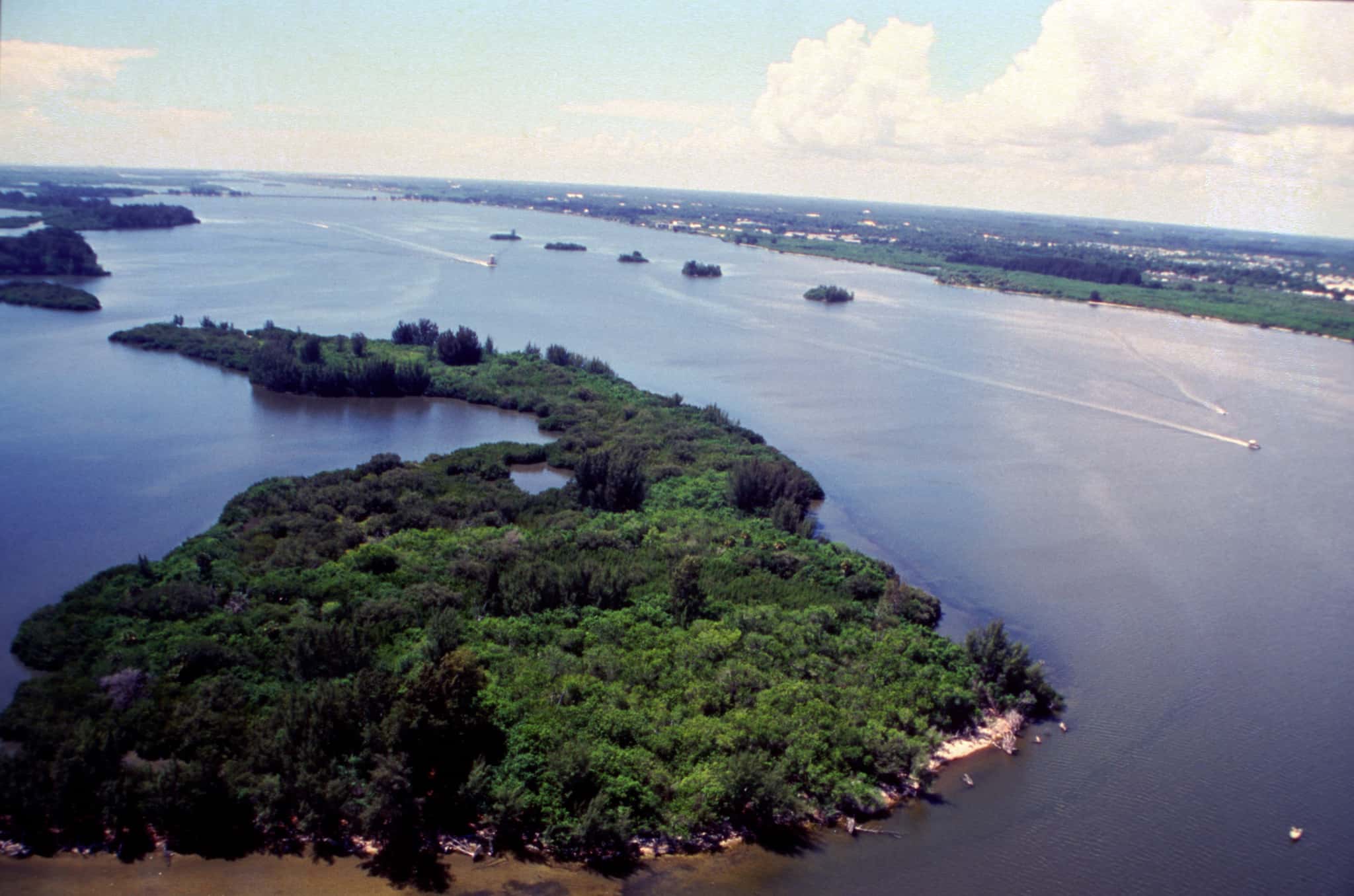
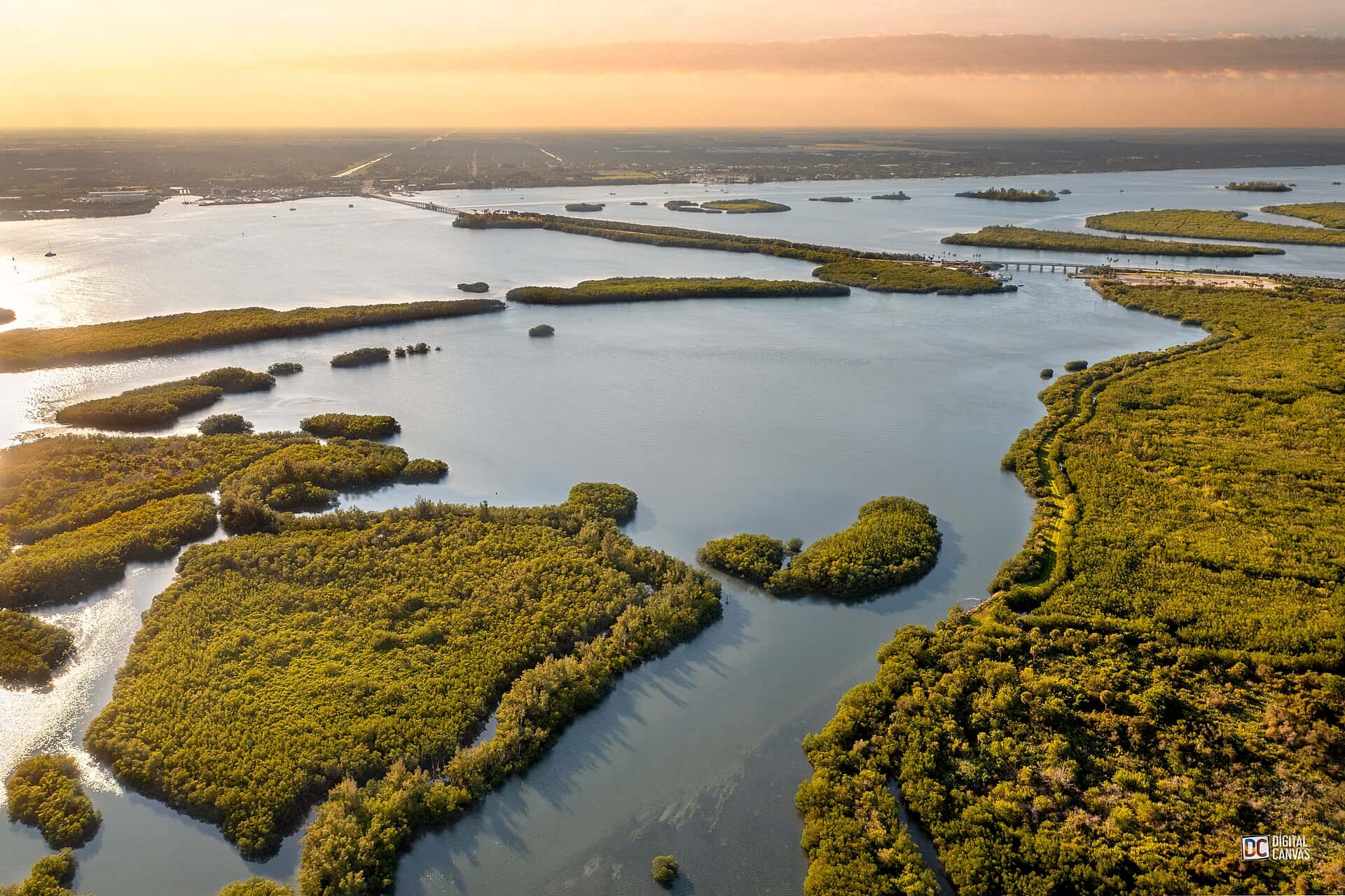
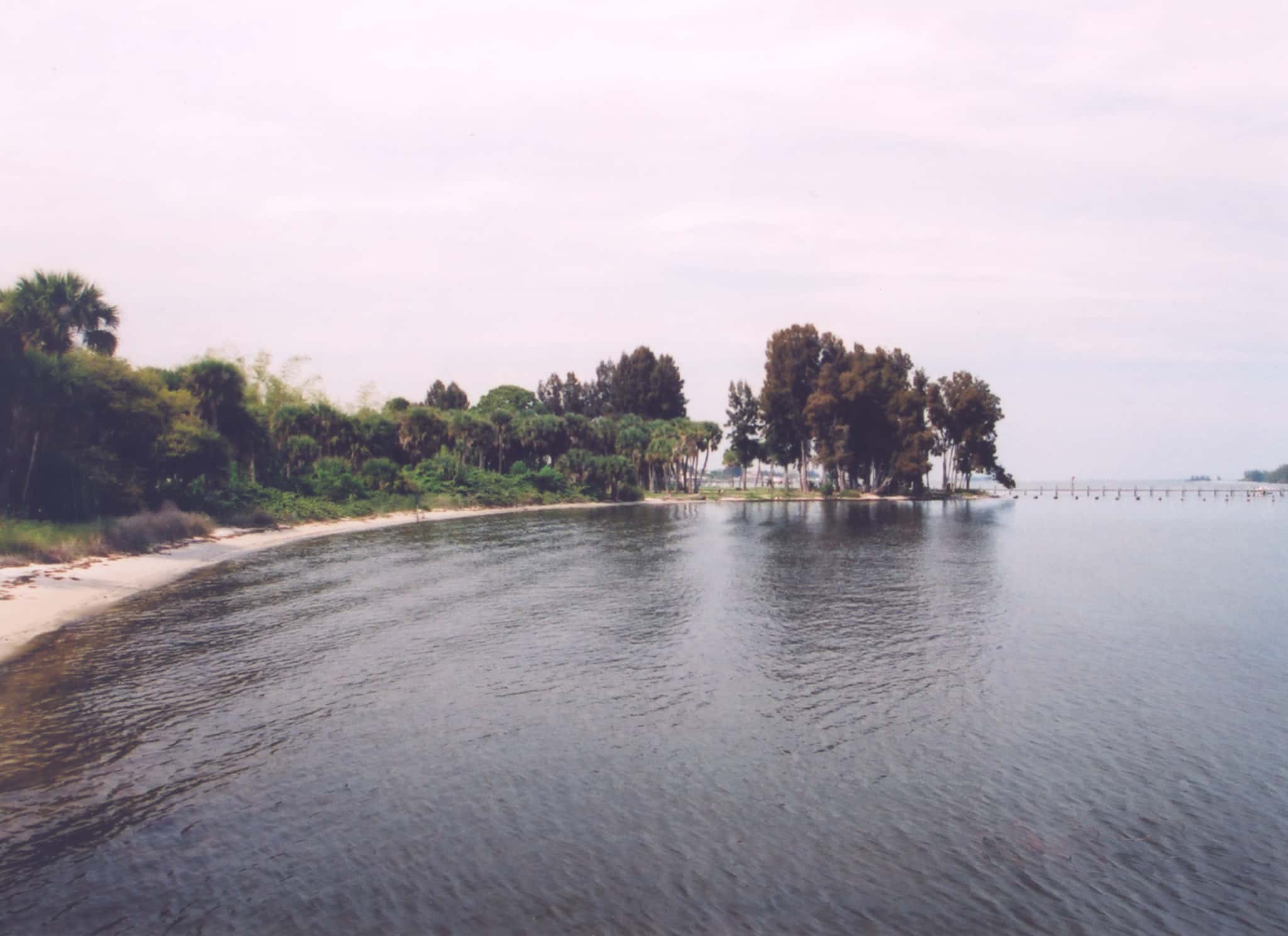
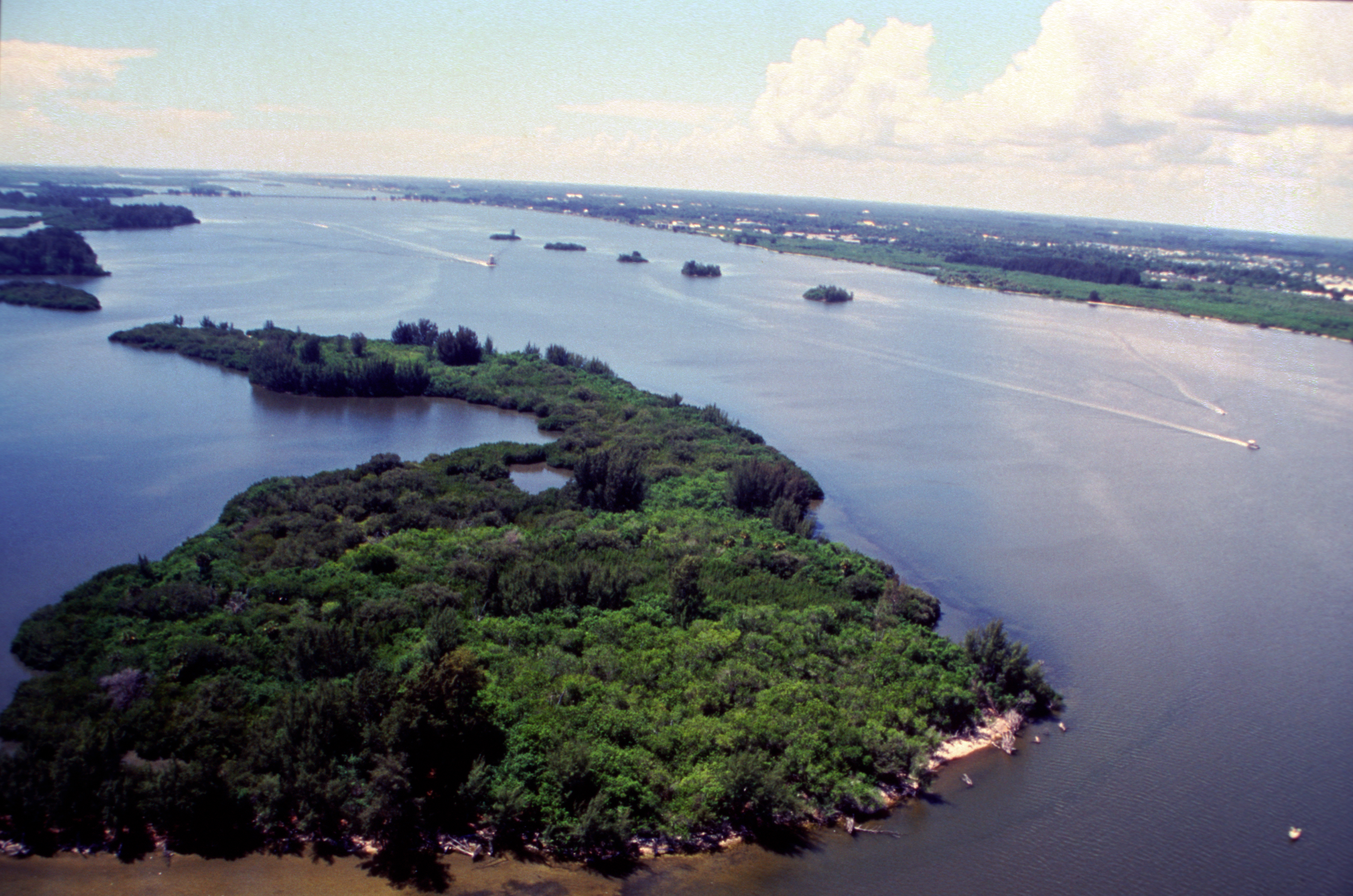
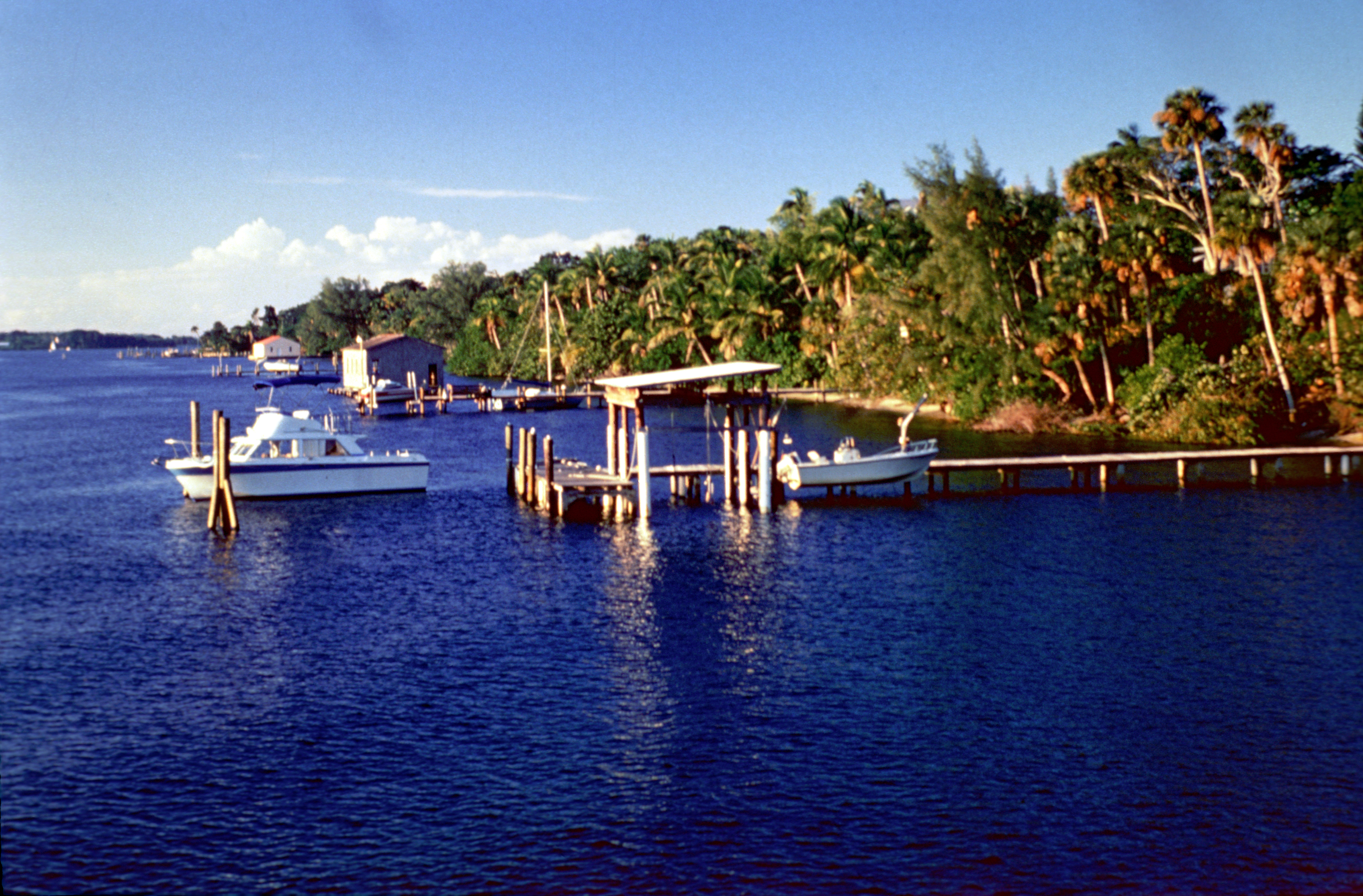
Indian River Lagoon is a sprawling estuary on Florida’s east coast, stretching across Brevard County and beyond. It’s famous for its shallow grass flats, mangrove shorelines, and year-round fishing for snook, seatrout, red drum, tarpon, and more. The lagoon averages just 1 foot deep, with 93% of its area in less than 2 feet, but there are a few deeper holes and channels. Over 42,000 acres of seagrass—most of it continuous beds—anchor the ecosystem and shape the fishing. Tidal range is minimal (about 0.3 feet), so wind and bait movement matter more than tide height. You’ll want a boat or kayak to reach the best water, but there are piers and some shore access. March through June is the prime window for most headline species. Start your trip at Ballard Park or Christensons Landing for easy ramp access and plenty of parking.
Positioning: Indian River Lagoon vs. Mosquito Lagoon
Indian River Lagoon offers more grass flats, more ramps, and a wider range of species than Mosquito Lagoon to the north. The Indian River has deeper holes and more structure, making it more forgiving in summer heat or after a cold front. Mosquito Lagoon is famous for sight-fishing redfish on ultra-shallow flats, but Indian River Lagoon gives you better odds at snook, tarpon, and seatrout in the same trip. If you want variety and year-round options, Indian River Lagoon is the pick.
Target Species and How to Fish Them
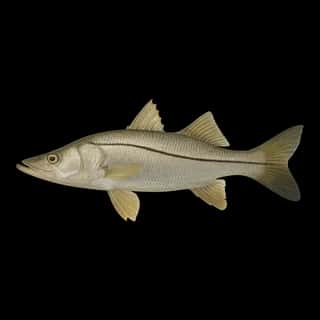
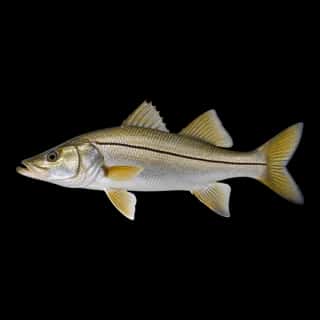
Common Snook: Snook hold tight to mangrove edges, docks, and drop-offs throughout the lagoon. The best bite is January, February, August, and September, with good fishing in March, July, and October. Water temperature and tidal movement drive the bite—look for active fish when the water is between, especially on moving water. Live mullet or pinfish are top baits, but topwater plugs and soft plastics work too. Fish dawn and dusk for your best shot at a big one. The legal slot is tight, and the season closes December 15–January 31 and June 1–August 31, so plan your trip for February–May or September–mid-December if you want to keep one.
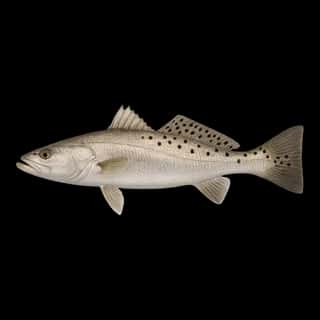
Spotted Seatrout: Seatrout stack up on grass beds, especially the continuous seagrass that covers most of the lagoon. March through June is peak, with good action from February through September. Use a popping cork with live shrimp or soft plastics, working the edges of grass beds and shallow drop-offs. The legal slot is 15–19 inches, and the season is open January–October. November and December are closed.
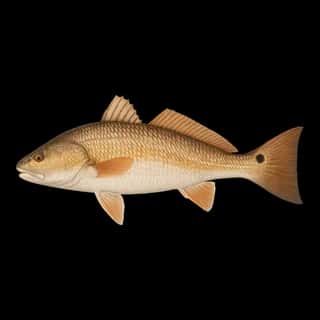
Red Drum (Redfish): Redfish cruise grass flats, mangrove points, and sandy potholes. March through June is the main window, with good fishing in February, July, and August. Use live shrimp, cut mullet, or soft plastics near structure. All redfish must be released here—no harvest is allowed in the Indian River Lagoon region.
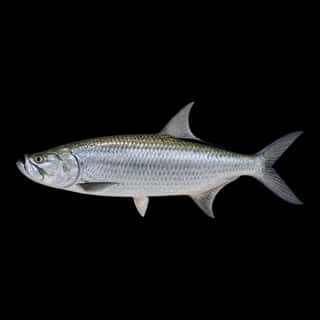
Tarpon: Tarpon show up around schools of baitfish, especially near piers, jetties, and deeper channels. March through September is the main run, with February and October also worth a shot. They’re most active at dawn and dusk, and water temps turn them on. Use heavy tackle and live mullet or crabs, or big swimbaits. All tarpon over 40 inches must stay in the water; this is a catch-and-release fishery unless you’re after a record with a tarpon tag.
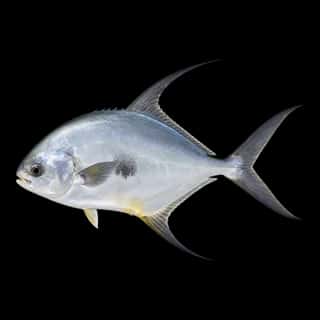
Permit: Permit are less common but show up on sandy bars and grass flats, especially from April through July. They feed all day but are most aggressive when baitfish and crabs are thick. Use live crabs, shrimp, or small jigs near reefs and sandbars. The slot is 11–22 inches fork length, with one over 22 inches allowed per person and two per vessel. Open year-round here.
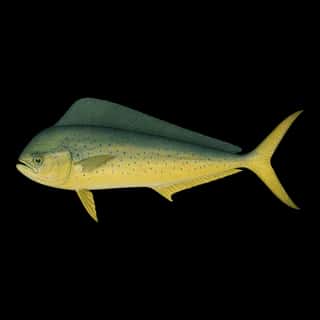
Mahi Mahi: Mahi are a pelagic species, usually caught near the inlets, especially around floating debris and weed lines. April through July is prime, with March and August also good. Use live bait or trolling lures on medium-heavy tackle.
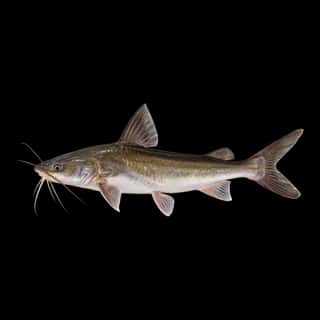
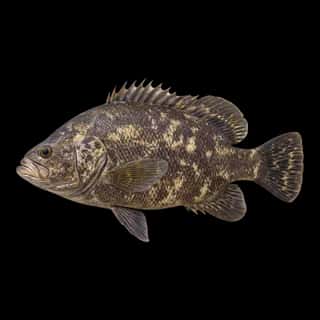
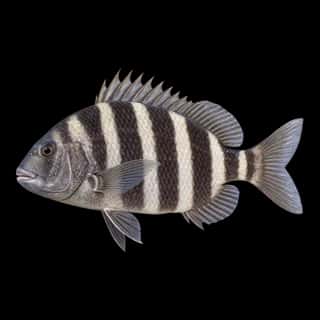
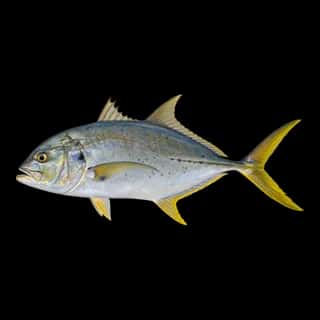
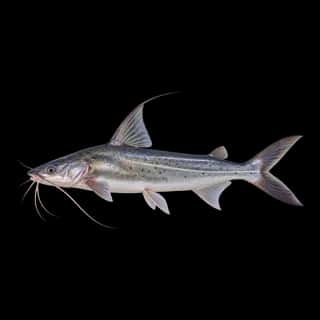
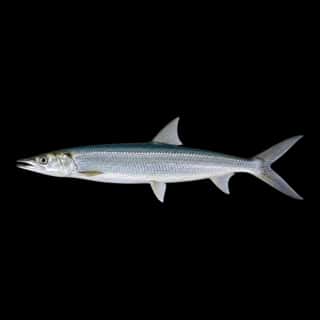
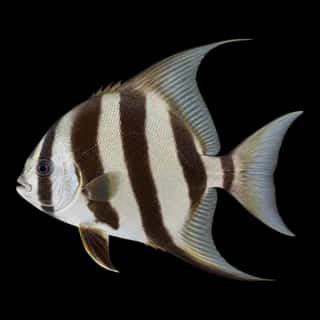
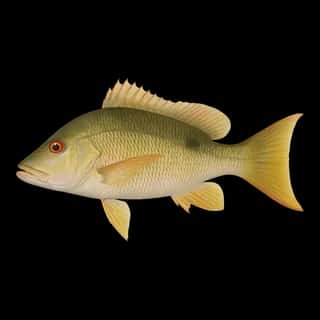
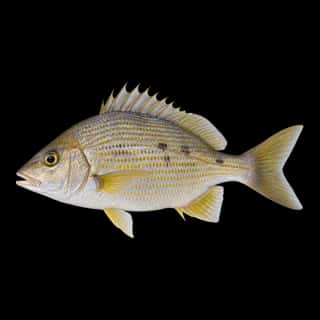
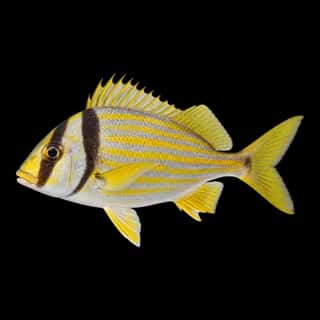
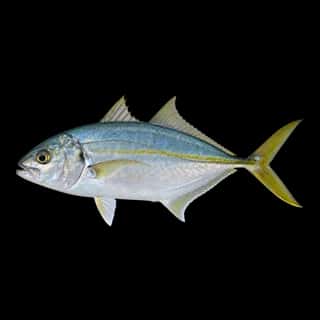
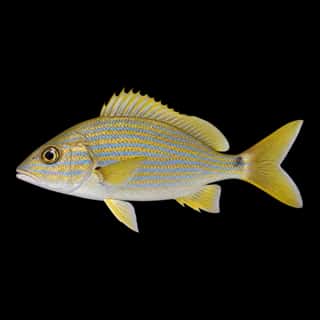
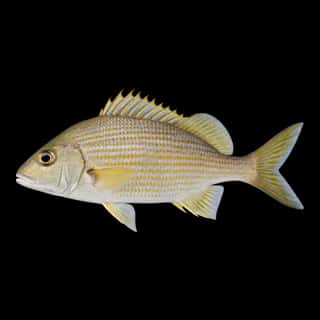
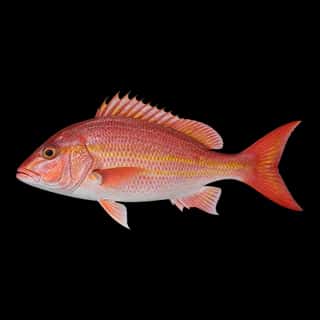
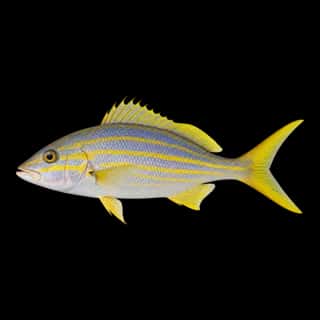
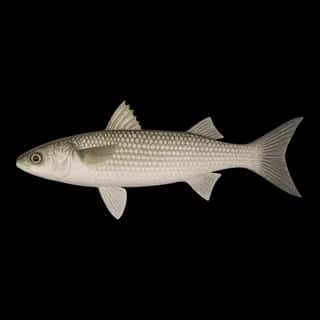
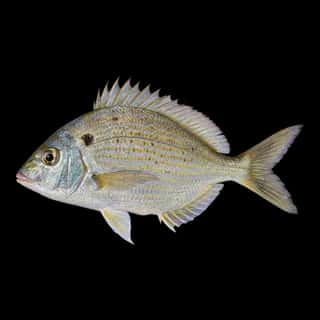
Other Targets: Gray snapper, sheepshead, crevalle jack, porkfish, and a long list of secondary species are all catchable around structure, docks, and reefs. Use shrimp, crabs, or cut bait near hard bottom or pilings. Ladyfish, catfish, spadefish, grunts, and pinfish are common bycatch on the same baits.
Best Fishing Spots
- Ballard Park Flats: Launch at Ballard Park and fish the grass flats just south of the ramp. Good for seatrout, redfish, and snook, especially at first light.
- Sebastian Inlet Area: The deeper cuts and jetties around Sebastian Inlet hold snook, tarpon, and permit. Fish the outgoing tide for snook and tarpon staging on the drop-offs.
- Eau Gallie Causeway: The causeway edges and nearby grass beds are reliable for seatrout and redfish. Work the pilings for sheepshead and snapper.
- Christensons Landing: Use this ramp to access the mid-lagoon grass beds and mangrove shorelines. Good for snook and trout, especially on a moving tide.
- Main Street Park Pier (Sebastian): For shore anglers, this pier gives access to deeper water and is a solid spot for snapper, jacks, and the occasional tarpon.
Structure and Depth
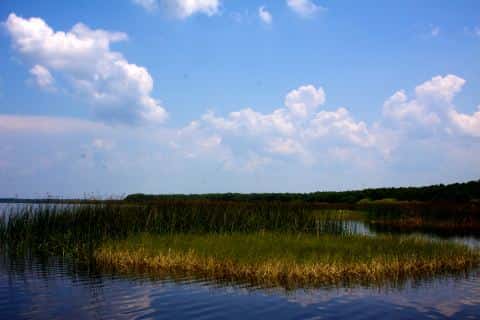
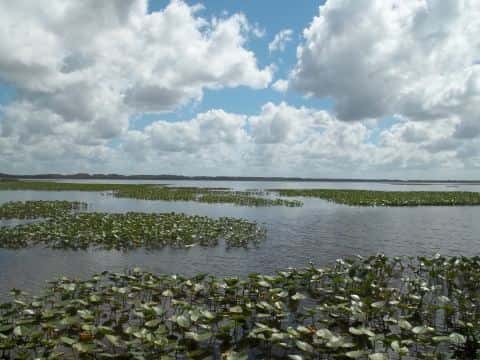
Indian River Lagoon is almost entirely shallow—over 93% is less than 2 feet deep. The main structure is continuous seagrass beds, with some patchy grass and sandy potholes mixed in. Fish the edges of these grass beds for trout and redfish, and target mangrove points and docks for snook. Deeper cuts and channels near the inlets hold tarpon and snapper, especially in summer. The bottom is mostly sand and mud, with some rocky areas near the inlets and causeways. Because the lagoon is so shallow, wind can muddy the water fast and make boat navigation tricky outside marked channels.
Season-by-Season Breakdown
- Winter (Dec–Feb): Water temps run. Snook fishing is closed most of this period (season opens Feb 1), but seatrout and redfish are active on sunny afternoons. Focus on deeper holes and channels for consistent action. Tarpon are scarce but possible on warm spells.
- Spring (Mar–May): Water warms. This is the best window for seatrout, redfish, snook (Feb–May), and the start of the tarpon run. Grass beds and mangrove edges are loaded with fish. Permit and mahi show up in late spring.
- Summer (Jun–Aug): Water peaks. Snook season closes June–August, but the bite is still strong for catch-and-release. Tarpon, seatrout, and permit are all active. Fish early and late to avoid the heat, and watch for afternoon storms. Red tide risk starts to rise in late summer.
- Fall (Sep–Nov): Water cools. Snook season reopens September 1. Redfish and seatrout stay active, but November–December is closed for seatrout harvest. Red tide risk is highest in September and October—if it hits, move north or fish upwind areas.
If you only get one trip, March through June is the sweet spot for numbers and size across all headline species. Avoid November–December for seatrout harvest and June–August if you want to keep a snook.
Water and Conditions
Water clarity averages 3.6 feet but can drop to zero after wind or rain. The latest reading (May 14, 2025) showed 3 feet of clarity, a bit below normal, with water temp at 81°F—above the annual average. Dissolved oxygen runs about 5.8 mg/L, but can swing from 0.4 to 19.2 mg/L, so fish may move deeper or hug the grass edges when oxygen drops. The lagoon’s 42,000 acres of seagrass (about four fifths continuous beds) are the main habitat—work the edges and cuts for the best action. Tidal range is tiny (0.3 feet), so focus on wind-driven movement and bait schools more than tide charts. Red tide is rare (1 year in 12), but the risk peaks in September and October. If cell counts spike over 100,000 per liter, expect fish kills and move to unaffected areas.
Getting on the Water: Ramps and Access
- Ballard Park Public Boat Ramp: 4 lanes, concrete, 32 trailer spaces, unpaved firm parking, scheduled hours, flush restrooms, fee required. Good all-around launch for boats and kayaks.
- Christensons Landing Public Boat Ramp: 4 lanes, concrete, 50 trailer spaces, paved parking, flush restrooms, fee required. High capacity and easy access to mid-lagoon.
- Claude Edge Front Street Park Boat Ramp: 4 lanes, concrete, 38 trailer spaces, paved parking, scheduled hours, flush restrooms, fee required.
- Long Point Park Campground Ramp: 1 lane, concrete, 100 trailer spaces, paved parking, flush restrooms, fee required. Best for campers staying at the park.
- Sebastian Inlet State Park - Coconut Point Boat Ramp: 3 lanes, concrete, 16 trailer spaces, unpaved firm parking, flush restrooms, always open, fee required.
- First Street Boat Ramp (Grant): 1 lane, concrete, 6 trailer spaces, paved parking, always open, portable restrooms, fee required.
- Kayak Launches: Castaways Point Park and several state park launches offer sand or gravel access for paddlecraft. Some have docks and flush restrooms.
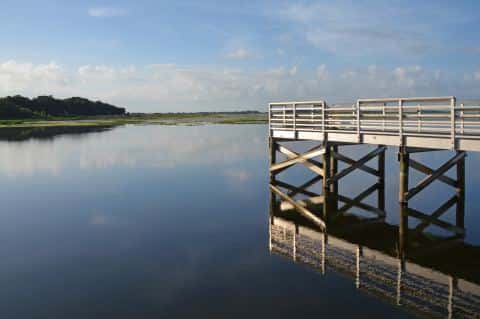
- Piers: Main Street Park, Fisherman's Landing Park, Melbourne Beach Pier, Pineapple Park, Riverside Park, Riverview Park, and Shoreside Park all offer public fishing piers.
Most ramps require a fee and have flush restrooms. Trailer parking is good at the main ramps, but fills up on weekends. The Eau Gallie Causeway ramp is temporarily closed. The lagoon is shallow and wind-exposed, so stick to marked channels if you’re trailering a boat. Kayaks and shallow-draft boats have more freedom but still need to watch for soft bottom and sudden drop-offs.
What is Hard About This Water
Indian River Lagoon’s shallow depths mean you have to watch your route—most of the water is less than 2 feet deep, and it’s easy to run aground outside the channels. Wind can muddy the flats fast, shutting down sight-fishing and making it tough for small boats. Red tide is rare but can wipe out the bite in fall, and ramp parking fills up early on weekends. The fishery is wild—there’s no regular stocking, so tough years show up in the catch.
Safety
Watch for sudden storms and lightning, especially in summer afternoons. The shallow flats can strand you at low water or if the wind blows water out of the lagoon. Stingrays are common on the grass and sand flats—shuffle your feet if you wade. Boat traffic is heavy near ramps and inlets, so keep an eye out when crossing channels.
Regulations
- Common Snook: Slot 28–32" total length. One fish per person per day. Closed Dec 15–Jan 31 and Jun 1–Aug 31. Snook permit and recreational fishing license required. Must remain whole until landed. No commercial harvest or sale. For-hire captain and crew may not retain a bag limit.
- Spotted Seatrout: Slot 15–19" total length. Two fish per person per day. Closed Nov 1–Dec 31. Only one over 19" per vessel (or per person from shore). Must remain whole until landed. For-hire captain and crew may not keep a bag limit while on a for-hire trip.
- Red Drum (Redfish): Catch-and-release only in Indian River Lagoon. No harvest allowed—no slot, no bag, no season.
- Tarpon: Catch-and-release only. No minimum size. Tarpon over 40" must stay in the water unless pursuing a state or world record with a tarpon tag. One tarpon tag per person per year for record attempts. Recreational saltwater fishing license required.
- Permit: Slot 11–22" fork length, with one over 22" allowed per person (max two per vessel). Daily bag limit: 2 per person. Open year-round here. Recreational saltwater fishing license required.
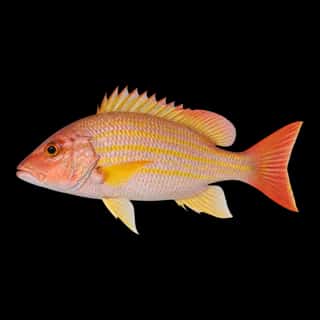
- Gray Snapper: Minimum 10" total length. Five per person within the 10 snapper aggregate bag. Open year-round. Recreational saltwater fishing license required.
- Sheepshead: Minimum 12" total length. Eight per person per day. Vessel limit 50 per trip in March and April. Open year-round. Recreational saltwater fishing license required.
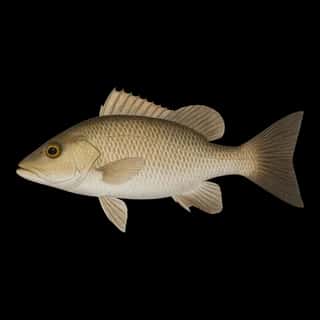
- Mutton Snapper: Minimum 18" total length. Five per person within the 10 snapper aggregate. State Reef Fish Angler designation required in addition to license.
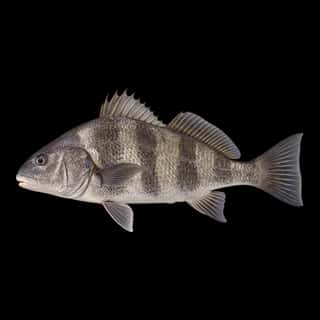
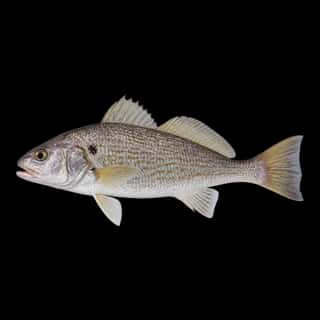
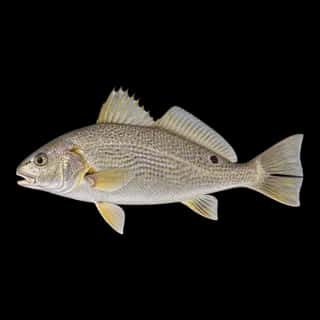
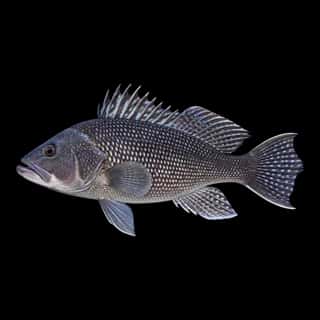
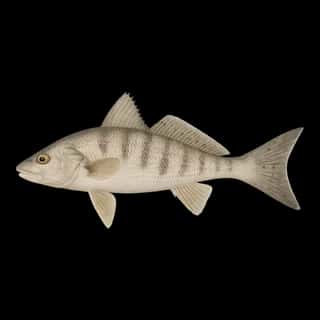
- Black Drum: Slot 14–24" with one over 24" allowed. Five per person per day. Open year-round. Recreational saltwater fishing license required.
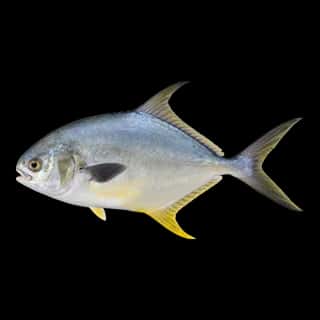
- Florida Pompano: Minimum 11" fork length. Six per person per day. Open year-round. Recreational saltwater fishing license required.
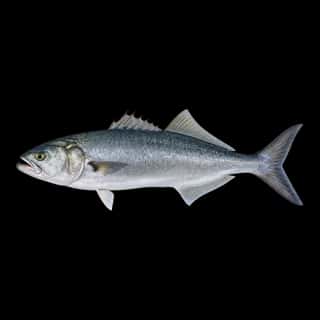
- Bluefish: Minimum 12" fork length. Three per person per day from Nassau through Miami-Dade counties. Recreational saltwater fishing license required.
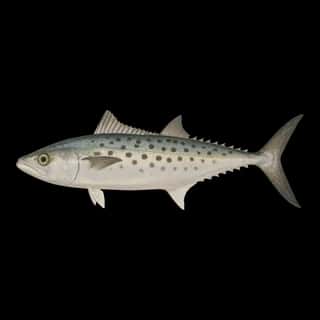
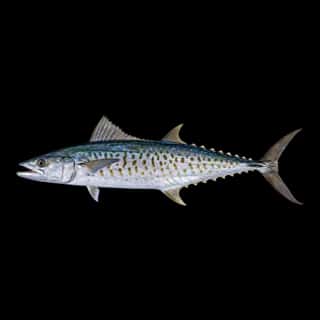
- Spanish Mackerel: Minimum 12" fork length. Fifteen per person per day. Open year-round. Recreational saltwater fishing license required.
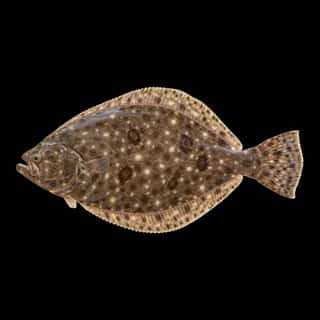
- Gulf Flounder: Minimum 14" total length. Five per person per day. Closed Oct 15–Nov 30. Recreational saltwater fishing license required.
- Atlantic Tripletail: Minimum 18". Two per person per day. Open year-round. Hook-and-line only. Recreational saltwater fishing license required.
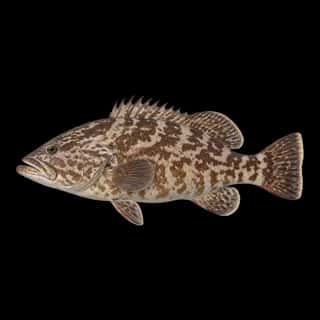
- Gag Grouper: Minimum 24" total length. One per person within the three grouper aggregate. Vessel limit two per day. State Reef Fish Angler designation required. Open May 1–Aug 1 (subject to early closure by executive order).
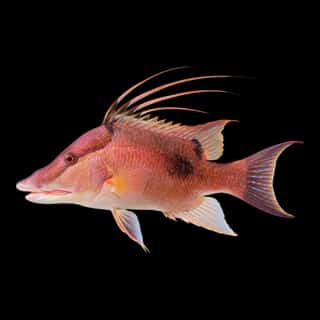
- Hogfish: Minimum 16" fork length. One per person per day. State Reef Fish Angler designation required. Open May 1–Oct 31.
A Florida recreational saltwater fishing license is required for all anglers, resident or non-resident. Non-residents can buy short-term licenses. Separate freshwater and saltwater licenses are required if you plan to fish both. Always check the current FWC regulations before keeping any fish.
Pros and Cons
- Pros: Year-round fishing, huge grass flats, many ramps, variety of species
- Cons: Shallow water limits big boats, wind muddies flats fast, red tide risk in fall, ramp parking fills on weekends
Final Verdict
Indian River Lagoon is a top pick for anglers who want variety, numbers, and a shot at trophy snook, seatrout, or tarpon. The shallow grass beds and mangrove edges hold fish all year, but March through June is the best window. You’ll need a boat or kayak to reach the best water, and you’ll want to plan around the tight snook and seatrout seasons if you want to keep fish. Ramp access is good, but weekends get crowded. If you want a place where you can target multiple headline species in one trip, Indian River Lagoon is hard to beat.
FAQ
- Can I fish from shore or a pier? Yes, there are several public fishing piers and some park shorelines, but a boat or kayak gives you access to the best flats and grass beds.
- Is live bait available nearby? Most local tackle shops and marinas sell live shrimp and mullet. Bring your own if you want wild shiners or pinfish.
- Do I need a special permit for snook or tarpon? Yes, a snook permit is required to keep snook, and a tarpon tag is needed only if you’re pursuing a record fish. Both require a recreational saltwater fishing license.
- When is red tide a problem? Red tide is rare but most likely in September and October. If it hits, move to unaffected areas or fish upwind.