How to recognise it
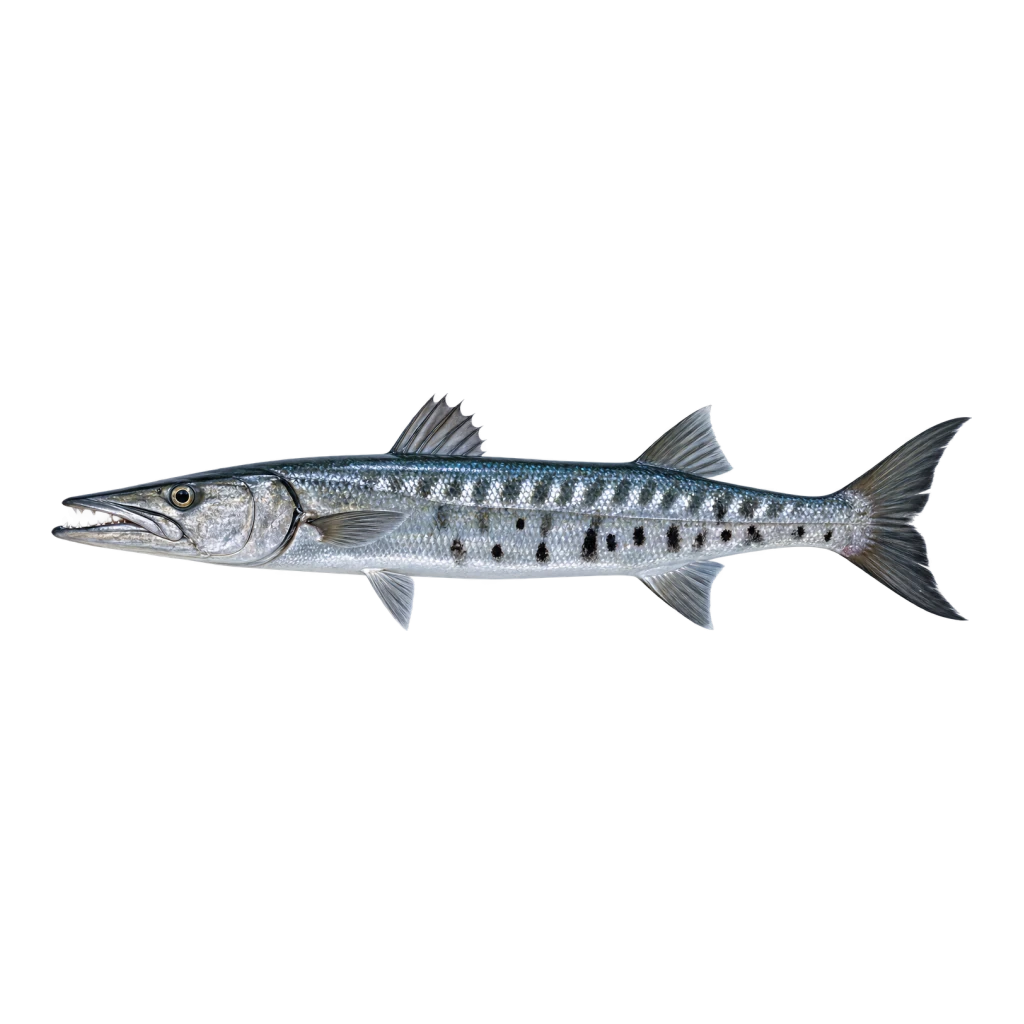
The Great Barracuda (Sphyraena barracuda) is a long, streamlined fish with a pointed snout and sharp teeth. It can grow up to 6 feet long and weigh over 100 pounds. The body is typically silver with a greenish or bluish tint on the back. Dark vertical stripes run along the sides. The fins are generally clear or slightly yellow. The mouth is large, extending back to the eyes, filled with sharp, fang-like teeth.
This species is often confused with the Spanish Mackerel (Scomberomorus maculatus). The key detail that separates them is the barracuda's elongated body and larger, more pronounced teeth compared to the smaller, more streamlined mackerel.
Where it lives
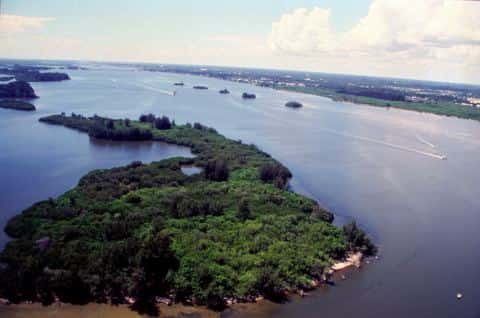
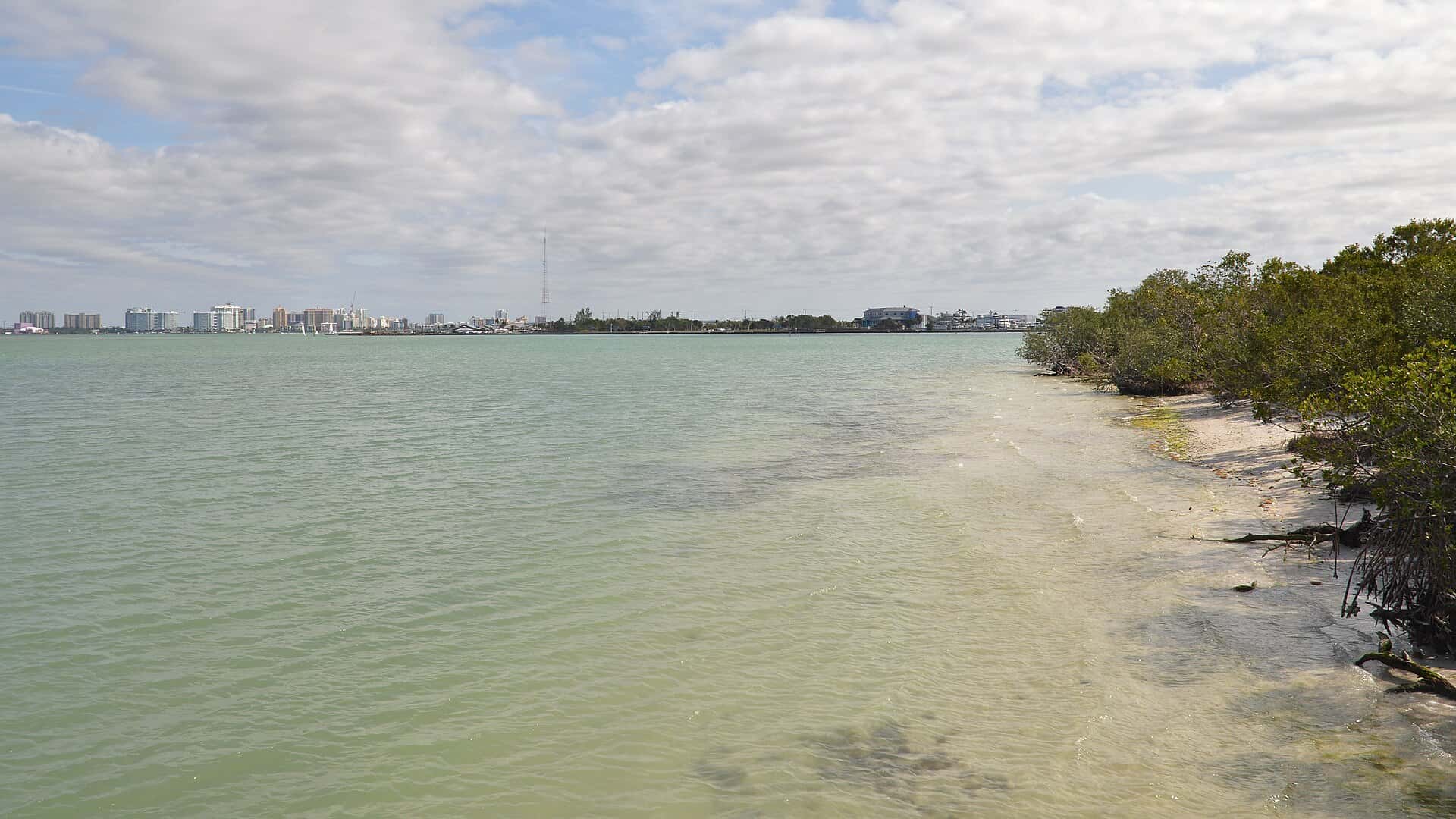
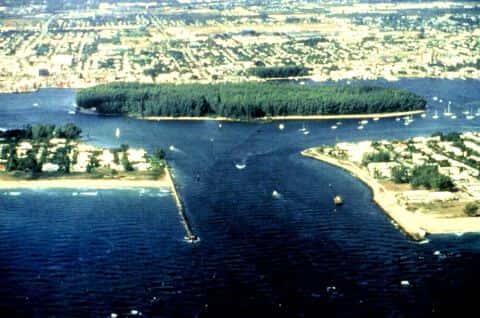
The Great Barracuda is found in the warm coastal waters of the Atlantic Ocean, from Florida to the Caribbean and down to Brazil. In the U.S., it is most commonly seen in the southeastern region, particularly around Florida and the Gulf of Mexico. They inhabit both inshore and offshore waters, often found near coral reefs, mangroves, and wrecks.
Great Barracudas prefer depths ranging from 10 to 100 feet but can be found in shallower or deeper waters depending on the season. In warmer months, they are more likely to be found in shallow waters, while in cooler months, they may move to deeper areas for warmth and food.
When it bites
Great Barracudas are most active from late spring through early fall. They bite best when water temperatures range from 70 to 85 degrees F. Early morning and late afternoon are prime times for fishing, as they are more likely to hunt during these periods.
Weather changes can influence their feeding behavior. A passing front may trigger increased activity, while strong winds can make them less aggressive. A full moon can also enhance their feeding patterns, making them more likely to strike at lures and baits.
How to catch it
To catch Great Barracuda, use a variety of rigs such as a wire leader to prevent bite-offs. Recommended baits include live fish like pilchards or mackerel, as well as cut bait. Lures should be shiny and mimic the appearance of baitfish; popular sizes range from 4 to 8 inches. Colors like silver, blue, and green tend to be effective.
Use a medium to heavy spinning or conventional rod with a line test of 30 to 50 pounds. Hooks should be size 4/0 to 6/0. Cast near structures like reefs, wrecks, or mangroves, and retrieve your bait or lure quickly to trigger a strike. A fast, erratic retrieve often works best.
Size, age and the table
The typical size of a Great Barracuda encountered by anglers is around 3 to 4 feet long, weighing between 10 to 30 pounds. A trophy-sized barracuda is generally considered to be over 5 feet long and weighing more than 50 pounds. They grow quickly, reaching maturity in about 3 to 4 years and can live up to 14 years.
Great Barracuda are known for their firm, white flesh, which is considered good eating when properly prepared. However, they can carry ciguatera toxin, so it is essential to check local advisories. Handle them carefully to avoid injury from their sharp teeth, and if releasing, do so quickly to minimize stress on the fish.