Biscayne Bay Fishing Guide: Tarpon, Snook, Seatrout & Best Spots
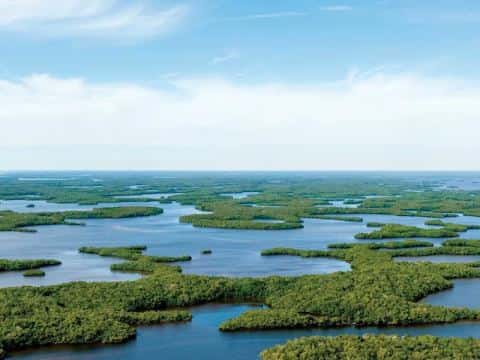
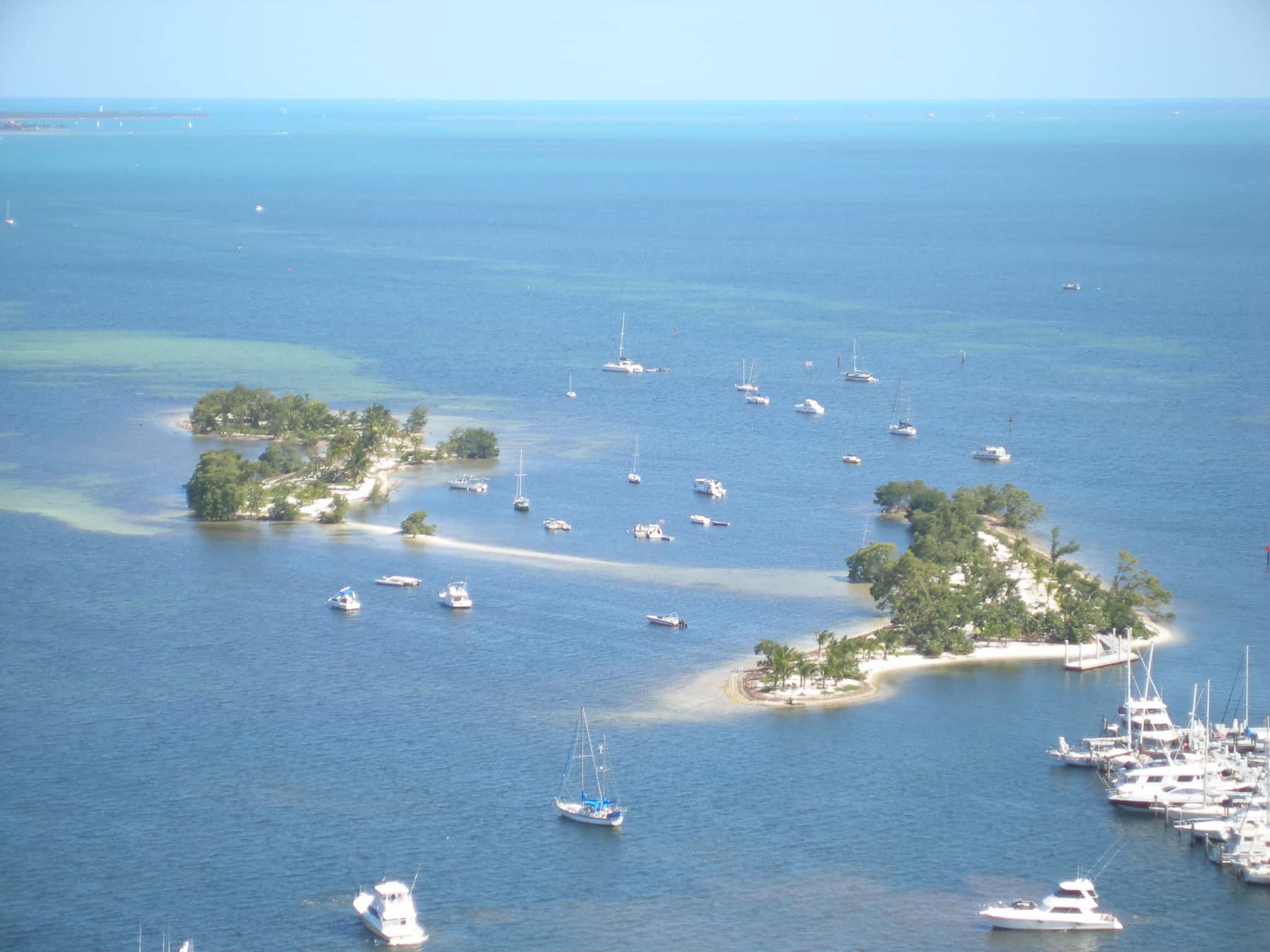
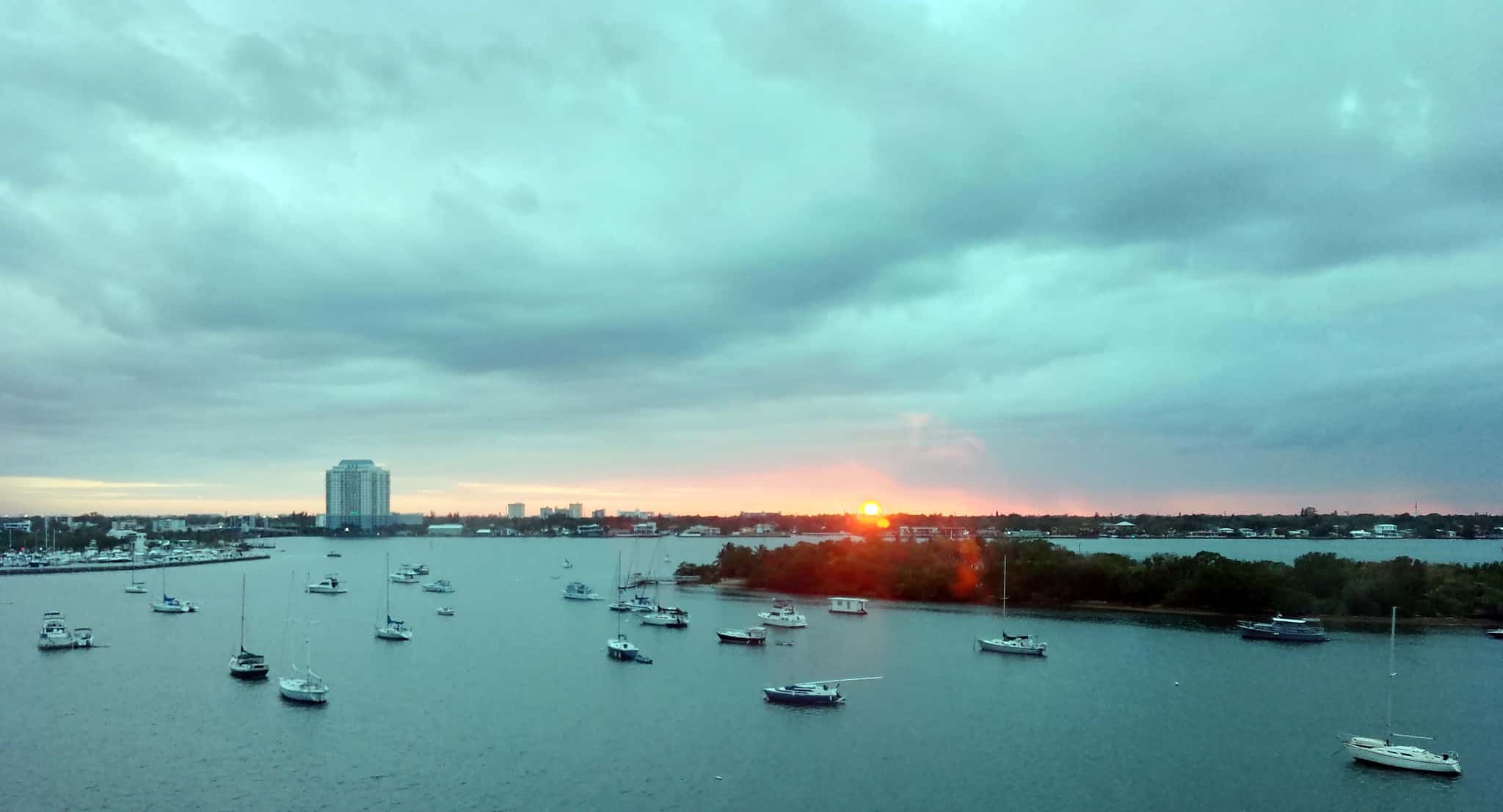
Biscayne Bay is a sprawling estuary in Miami-Dade County, Florida, stretching about 35 miles from North Miami Beach to Card Sound. The bay is famous for its vast seagrass beds, shallow flats, and a mix of inshore and nearshore species that draw anglers from around the country. If you want to target tarpon, snook, seatrout, permit, and more, this is a place where you can do it all. The best fishing runs from March through July, with tarpon and snook peaking in spring and early summer. You’ll need a boat to reach the best flats and channels, but there are also nine public fishing piers and plenty of kayak launches. For day one, launch at Black Point Park for the widest access and head for the grass flats or channel edges at first light.
Positioning: Biscayne Bay vs. Nearby Waters
Biscayne Bay stands out for its huge expanse of continuous seagrass and shallow flats, offering more inshore variety than most South Florida bays. Compared to Florida Bay or the Keys, Biscayne is easier to access from Miami and has more ramps and piers. The bay is shallower and more grass-dominated than the Intracoastal to the north, and it fishes differently than the deeper, more urbanized canals nearby. If you want big tarpon, snook, and permit in a grass-flat setting, Biscayne Bay is the better pick.
Target Species and How to Fish Them
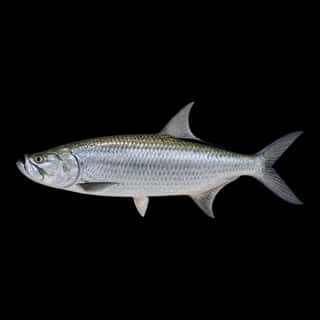
Tarpon: Tarpon hold around schools of baitfish and structure like piers and channel edges throughout Biscayne Bay. The best months are March through September, with the bite strongest from spring into summer when water temperatures run. Tarpon are most active at dawn and dusk, especially when bait is thick and water temps climb. Look for rolling fish near the deeper cuts and around the mouths of creeks or rivers. Live mullet, crabs, or large swimbaits work well. Cast at first light or just before dark for the best shot at a hookup.
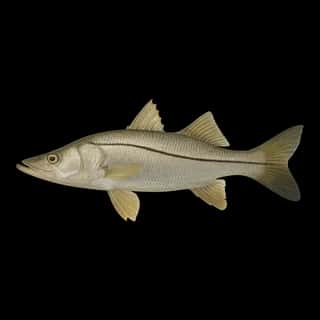
Common Snook: Snook stack up near mangrove points, docks, and drop-offs, especially where current moves past structure. The top bite is January, February, August, and September, with good action in March, July, and October. Snook feed best when water is and the tide is moving. Target them at dawn and dusk with live mullet, pinfish, or topwater plugs. Focus on ambush spots along mangroves and dock pilings, especially on a rising or falling tide.
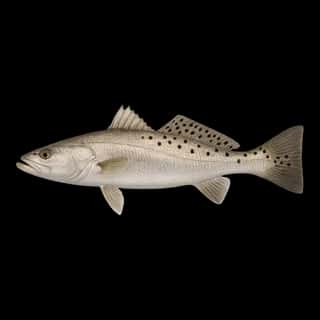
Spotted Seatrout: Seatrout are thick over the grass beds and along drop-offs in shallow water. March through June is peak, with good fishing from February through September. They like water temps and feed most at dawn and dusk. Use popping cork rigs with live shrimp or soft plastics, working the edges of the grass flats and sandy potholes. Retrieve slowly to mimic an injured baitfish.
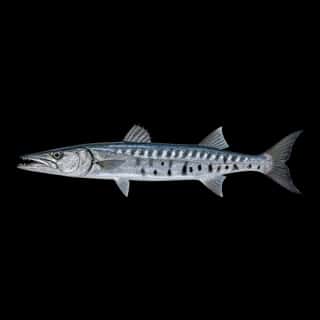
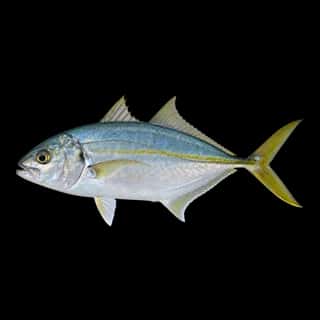
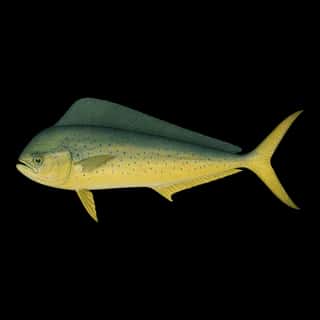
Troll or cast live baits or flashy lures around weed lines and floating objects. Early morning and late afternoon are best, but they’ll bite all day if bait is present.
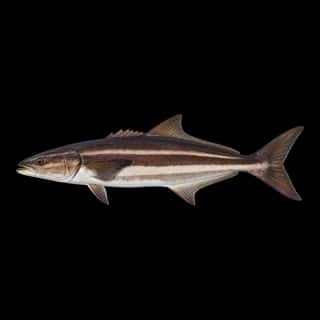
The best months are April through July, with good action in March and August. They like water temps and feed throughout the day. Use heavy tackle with live pinfish or jigs near deep structure. Dawn and dusk are productive, but they’ll hit during the day if bait is thick.
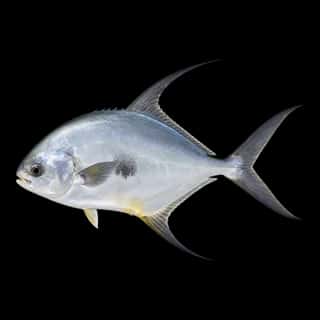
Permit: Permit cruise sandy flats, bars, and reefs, especially from April through July. Look for them tailing on the flats at dawn or during the day. Crabs, shrimp, and small jigs are the go-to baits. Cast ahead of cruising fish on the sand or grass edges.
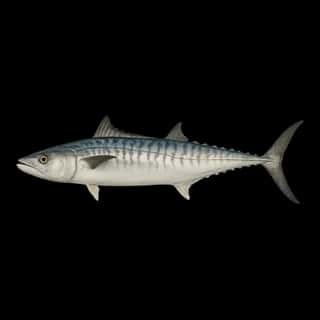
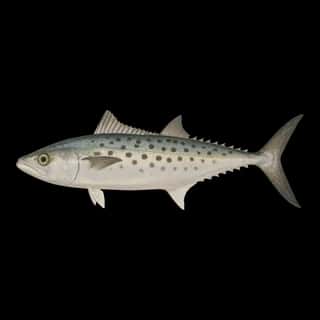
King Mackerel: King mackerel run along current edges, reefs, and wrecks near the bay’s mouth, especially April through July. They like water and bite best when bait schools are moving. Troll or cast live bait or spoons along current lines during the day.
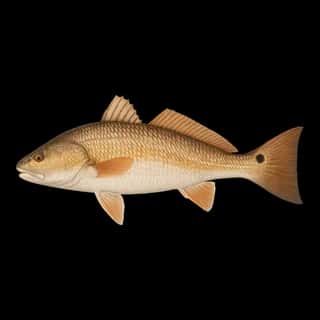
Red Drum: Redfish work the grass flats, mangroves, and sandy potholes from March through June, with good fishing in February, July, and August. Use popping corks with live shrimp or cut mullet, and target structure like grass edges and mangrove points.
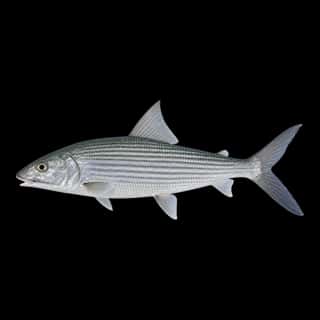
Bonefish: Bonefish tail on sandy flats and near mangroves from April through July, with good fishing in March and August. They like water and feed on crustaceans. Use shrimp, crabs, or small flies on light tackle, and look for them on the flats at dawn or on a moving tide.
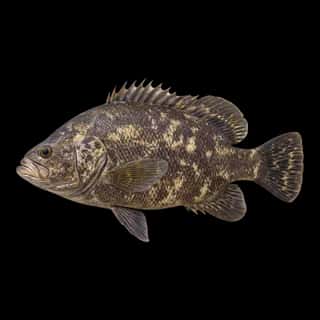
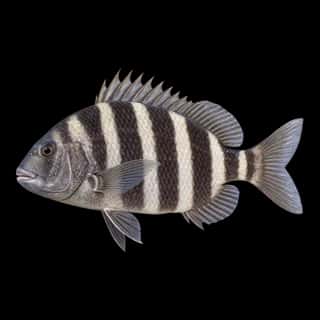
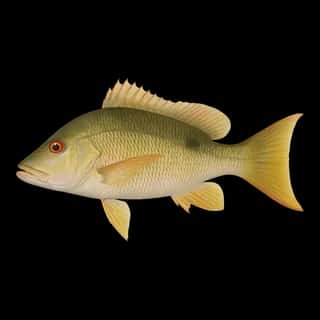
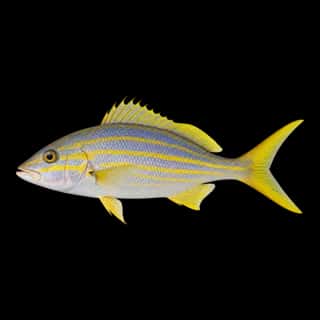
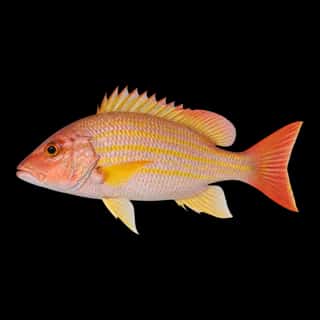
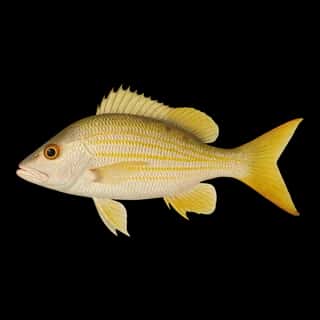
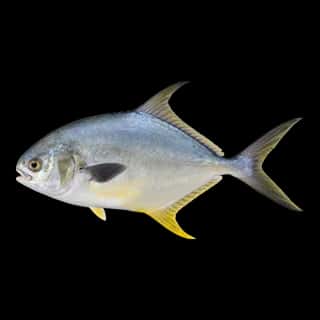
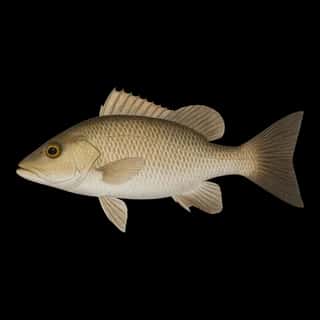
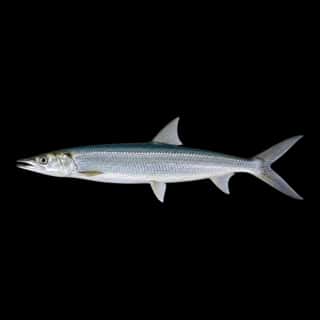
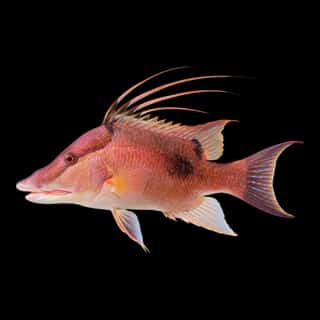
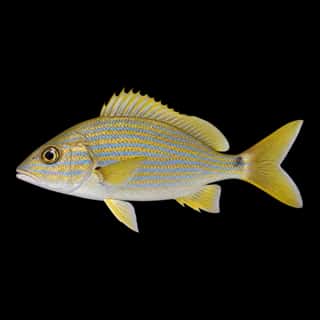
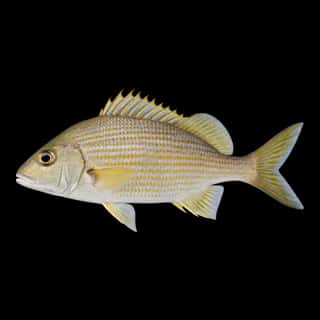
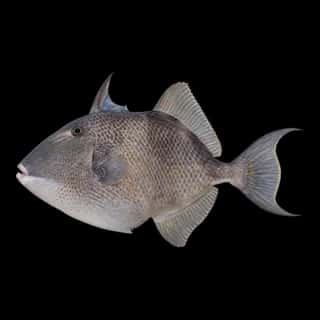
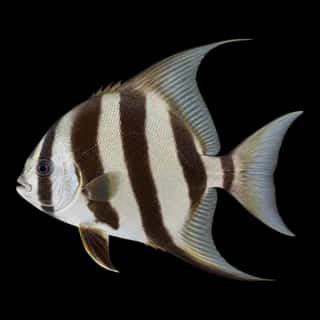
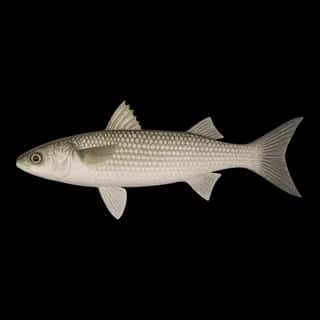
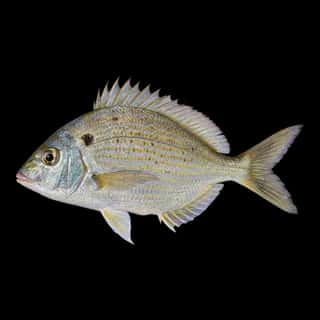
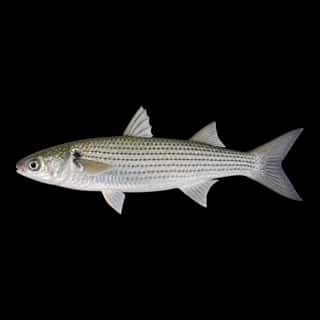
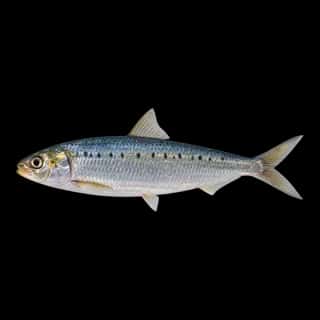
Other Species: Gray snapper, yellowtail snapper, mutton snapper, hogfish, Atlantic tripletail, sheepshead, and Florida pompano are all present and caught around reefs, mangroves, and grass beds, mostly on live bait or jigs. Ladyfish, white grunt, Atlantic spadefish, mullet, and pinfish are common bycatch or bait.
Best Fishing Spots
- Safety Valve Flats: This long stretch of shallow sand flats and tidal channels from Key Biscayne to the Ragged Keys is prime for bonefish, permit, and tarpon. Work the edges of the flats and the deeper channels on a moving tide.
- Black Point Channel: Near the Black Point Park ramp, this area has grass flats dropping into deeper water. It’s a go-to spot for snook, seatrout, and redfish at dawn or dusk.
- Card Sound Flats: The southern end of the bay holds permit, bonefish, and snapper on sandy and grassy flats. Fish the potholes and grass edges, especially on a rising tide.
- Miami River Mouth: The river mouth and nearby docks hold snook and tarpon, especially during outgoing tides when bait is flushed out.
- Haulover and Newport Piers: These piers offer shore anglers shots at snapper, seatrout, and the occasional tarpon, especially at night or on a strong tide.
- Oleta River State Park: The park’s pier and kayak launch give access to grass beds and mangroves for seatrout, snapper, and juvenile tarpon.
Structure and Depth
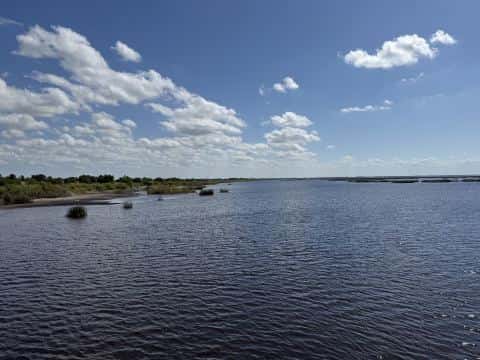
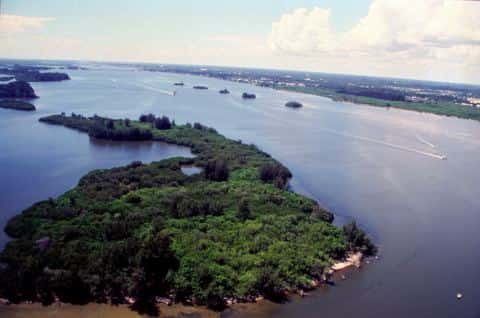
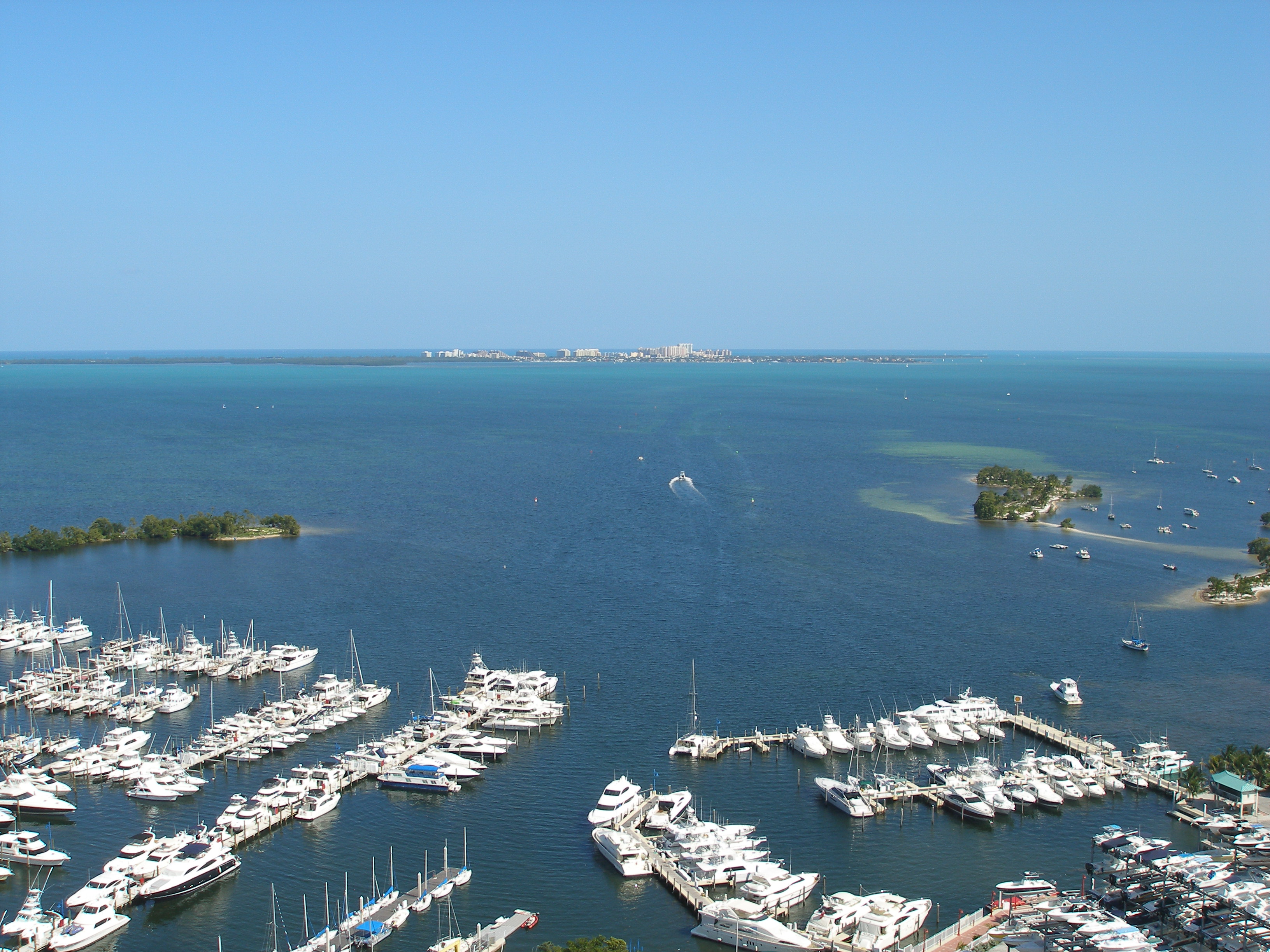
Biscayne Bay is overwhelmingly shallow, with 99.8% of its area under 3 feet deep and only a few scattered holes dropping to 20 feet or more. The bottom is dominated by continuous seagrass beds (about four-fifths of the grass acreage), with patchy grass and sandy flats making up the rest. Fish relate to the edges and cuts in these grass beds, the sand holes, and the drop-offs near channels. The deepest water is near dredged channels and at the bay’s southern end. Most fishing happens in 1–3 feet of water, so flats boats, kayaks, and shallow-draft skiffs are ideal.
Season-by-Season Breakdown
- Winter (Dec–Feb): Water temperatures run. Snook bite best in January and February, especially around structure. Seatrout and redfish are active on the grass flats. Tarpon are less reliable but can be caught on warm spells. Wind can make the bay choppy, so pick your days.
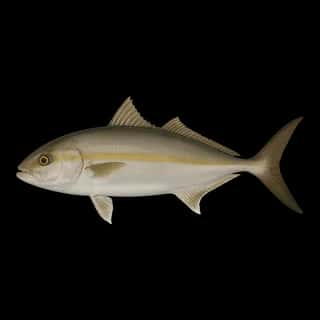
- Spring (Mar–May): Water warms from 77. This is the best window for tarpon, seatrout, redfish, and snook. Permit, mahi, and amberjack start showing up strong in April and May. Grass flats and channel edges produce all day, especially at dawn and dusk.
- Summer (Jun–Aug): Water peaks. Tarpon, permit, mahi, and amberjack are all in play. Early mornings and late evenings are best to beat the heat and boat traffic. Afternoon storms are common—plan to be off the water by mid-afternoon. Bonefish and snook are active, but red drum slow down.
- Fall (Sep–Nov): Water cools from 86. Snook and tarpon action tapers off but can still be good in September and October. Seatrout and snapper pick up again. October is the main month for red tide risk—if a bloom hits, move to unaffected areas or fish upwind.
Water and Conditions
Biscayne Bay’s water averages 80°F, with lows around 61°F and highs up to 93°F. Clarity is usually good, with a Secchi reading of 9.8 feet, but can drop after storms or during algae blooms. The most recent reading (July 22, 2025) showed 90°F water, normal clarity, and slightly low oxygen—hot summer days can stress fish and slow the bite. The bay’s vast grass beds help keep water clear, but wind can muddy the shallows fast. Red tide is rare here (only one bloom in the last 12 years), but October is the risk month. When cell counts top 100,000 per liter, fish kills are likely; at 10,000–100,000, you may feel it in your breathing but the fish are still there. If a bloom hits, fish upwind or move to unaffected flats.
Getting on the Water: Ramps and Access
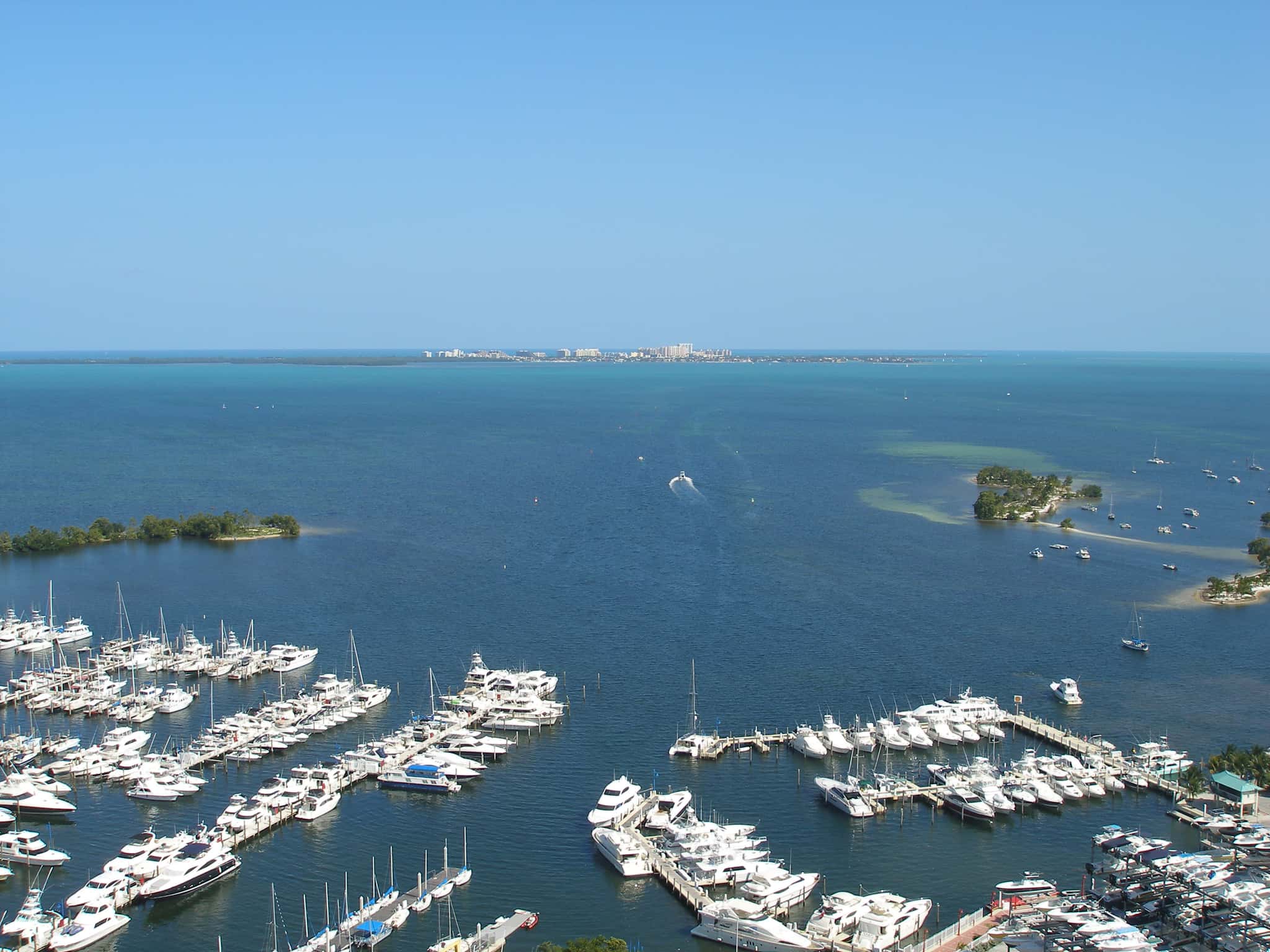
- Black Point Park – Boat Ramp: The main launch for trailers, with 10 lanes, paved parking for 128 trailers, concrete surface, and flush restrooms. Open 24/7, fee required. This is the default ramp for most boaters.
- Morningside Park Public Boat Ramp: Four lanes, asphalt surface, 24 trailer spaces, flush restrooms, open sunrise to sunset. Free to use, but parking is unpaved and can get soft after rain.
- Cutler Drain Canal (East and West): Two single-lane ramps, one concrete and one gravel, always open. Trailer parking for 15 at each. East ramp is in better shape; west needs repair.
- Chapman Field Park Kayak Launch: Dock launch for kayaks, paved parking, flush restrooms. Good for paddlecraft access to grass flats.
- Bill Sadowski Park and Nature Center: Sand launch for canoes and kayaks, paved parking, flush restrooms, fee required.
- Deering Point Park Paddlecraft Launch: Gravel launch, paved parking, no fee.
- Oleta River State Park and Haulover Pier: Both have fishing piers and kayak access, but no trailer ramps.
- Fishing Piers: Nine public piers, including Bill Bags Cape Florida State Park, Haulover Pier, Newport Fishing Pier, East Greynolds Park, and Rickenbacker Causeway East Pier, offer shore fishing for snapper, seatrout, and more.
Trailer parking is best at Black Point Park.
Regulations
- Tarpon: Catch-and-release only. No minimum size. Tarpon over 40 inches must stay in the water. One tarpon tag per person per year if pursuing a state or world record. No open harvest season.
- Common Snook: Slot limit 28–32 inches total length. One fish per person per day. Closed Dec 15–Jan 31 and Jun 1–Aug 31. Snook permit and saltwater license required.
- Spotted Seatrout: Slot 15–19 inches total length. Three per person per day. One fish over 19 inches per vessel (or per person from shore). Open year-round.
- Greater Amberjack: Minimum 28 inches fork length. One per person per day. Closed April. State Reef Fish Angler designation required.
- Permit (inside SPZ): Minimum 22 inches fork length. One per person, max two per vessel. Closed April 1–July 31.
- King Mackerel: Minimum 24 inches fork length. Two per person per day. Open year-round.
- Red Drum: Slot 18–27 inches total length. One per person per day, two per vessel. Open year-round.
- Bonefish: Catch-and-release only. No harvest allowed at any time.
- Gray Snapper: Minimum 10 inches total length. Five per person within the 10 snapper aggregate. Open year-round.
- Yellowtail Snapper: Minimum 12 inches total length. Up to 10 per person within the 10 snapper aggregate. State Reef Fish Angler designation required. Open year-round.
- Mutton Snapper: Minimum 18 inches total length. Five per person within the 10 snapper aggregate. State Reef Fish Angler designation required. Open year-round.
- Hogfish: Minimum 16 inches fork length. One per person per day. Open May 1–Oct 31. State Reef Fish Angler designation required.
- Atlantic Tripletail: Minimum 18 inches. Two per person per day. Hook-and-line only. Open year-round.
- Sheepshead: Minimum 12 inches total length. Eight per person per day. Vessel limit 50 in March and April. Open year-round.
- Florida Pompano: Minimum 11 inches fork length. Six per person per day. Open year-round.
- Mullet: No minimum size. 50 per person per day. Vessel limit 50 from Sept 1–Jan 31. Open year-round.
A Florida recreational saltwater fishing license is required for all anglers, including non-residents. Separate freshwater and saltwater licenses exist. Some species (snook, reef fish) require a free permit or designation in addition to the license. Buy your license before you leave home. Regulations can change, so anglers should verify the current rules with the Florida Fish and Wildlife Conservation Commission before fishing.
Shore and Boat Access
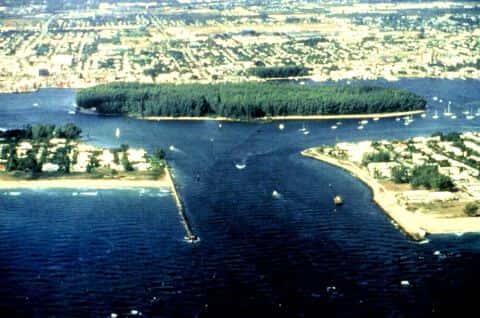
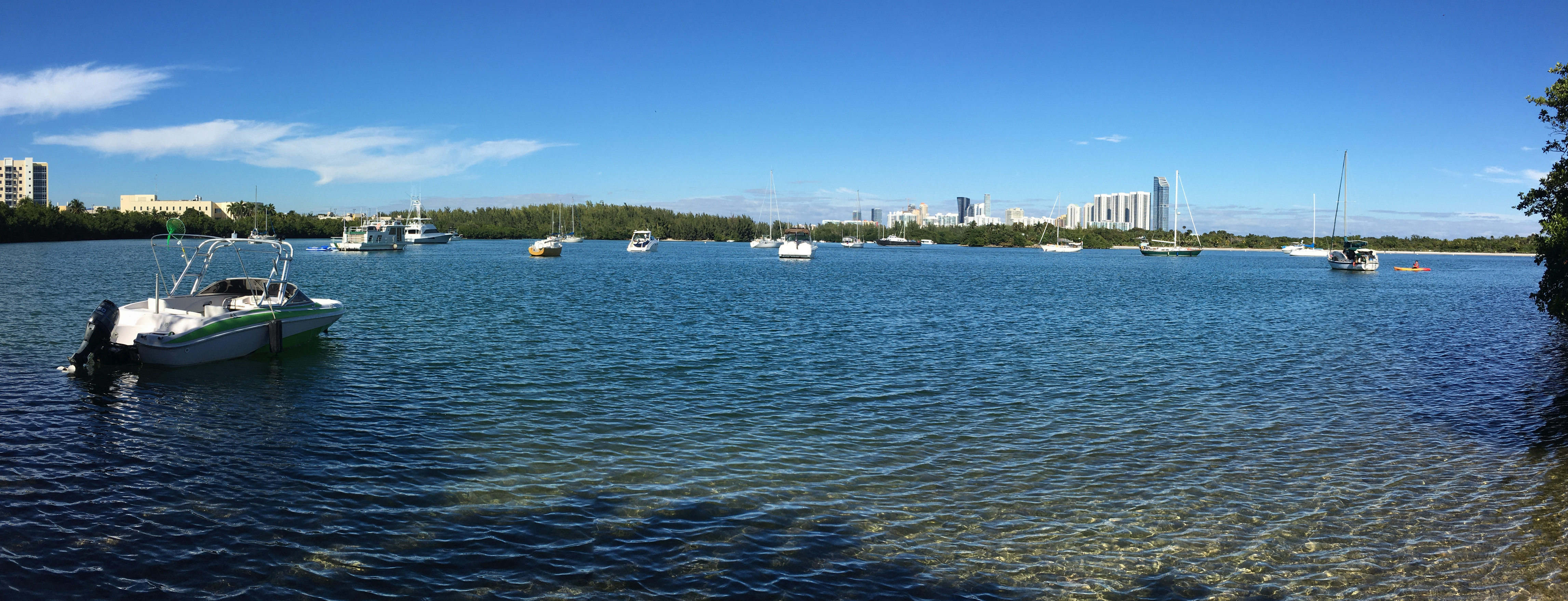
Shore fishing is solid, with nine public piers and multiple parks offering access to grass flats, channels, and mangroves. Haulover Pier, Newport Fishing Pier, and Oleta River State Park are top picks for snapper, seatrout, and the occasional tarpon. Most of the shoreline is developed or private, so stick to public parks and piers. Kayak and paddlecraft launches are spread throughout the bay, with Chapman Field, Deering Point, and Bill Sadowski Park offering paved parking and restrooms. For boaters, Black Point Park is the main ramp, with 10 lanes and plenty of trailer parking. Other ramps are smaller or limited to paddlecraft. Some ramps and piers may be closed for construction—check ahead.
Trip Logistics
The nearest city with full services is Kendall, 5.9 miles from the bay. Miami International Airport is 11 miles away, and Fort Lauderdale is 30 miles. Live bait (mullet, shrimp, pinfish) is available at local tackle shops—call ahead if you want wild shiners or large mullet. Lodging options include hotels in Miami and Kendall, as well as RV parks and campgrounds near the bay. Book early for spring and early summer, especially if you want to hit the peak tarpon or snook bite. Tackle shops are scattered around Miami and the south end—bring what you need for grass flats and shallow water.
Ecology
Biscayne Bay is one of the largest seagrass estuaries in Florida, with over 214,000 acres of mapped grass beds—about four-fifths of it continuous. These grass beds are the backbone of the fishery, holding bait and gamefish year-round. Water quality is generally good, but clarity and oxygen can drop after storms or during hot spells. Red tide is rare but possible in October. When a bloom hits, move to unaffected areas or fish upwind. The bay’s shallow depth and grass cover make it sensitive to wind, runoff, and boat traffic—watch for sudden changes in clarity and avoid running over grass beds.
What’s Hard About This Water
Biscayne Bay is shallow—nearly all of it under 3 feet—so running aground is a real risk if you don’t know the channels. Wind can turn the bay into a choppy mess fast, especially in open areas with little shelter. Crowds are heavy on weekends, especially at Black Point Park and the main piers. Some ramps and piers close for construction or repairs, so always check status before you go. Red tide is rare but can shut down fishing in October. The fishery is wild—no stocking—so tough years show up in the catch.
Safety
The biggest hazards here are wind, shallow bars, and sudden storms. Always check the weather and tide before you launch. Afternoon lightning is common in summer—plan to be off the water by early afternoon. If you’re wading the flats, shuffle your feet to avoid stingrays. Boat traffic can be heavy near Miami and the main channels—keep an eye out, especially around piers and bridges.
Pros and Cons
- Pros:
- Huge grass flats and shallow water
- Wide variety of inshore species
- Multiple ramps and piers
- Good kayak and paddlecraft access
- Cons:
- Very shallow—easy to run aground
- Wind and storms can shut down fishing
- Crowded ramps and piers on weekends
Final Verdict
Biscayne Bay is a top pick for anglers who want to fish grass flats, chase tarpon, snook, and seatrout, and explore a huge, shallow estuary. The best fishing is March through July, but there’s action year-round. You’ll need a boat or kayak for the best spots, and you have to watch the wind and tide. Shore anglers have solid options at the public piers. If you want variety and access close to Miami, Biscayne Bay delivers. Just plan ahead for ramps, bring your own boat, and check for any red tide or ramp closures before you go.