How to recognise it
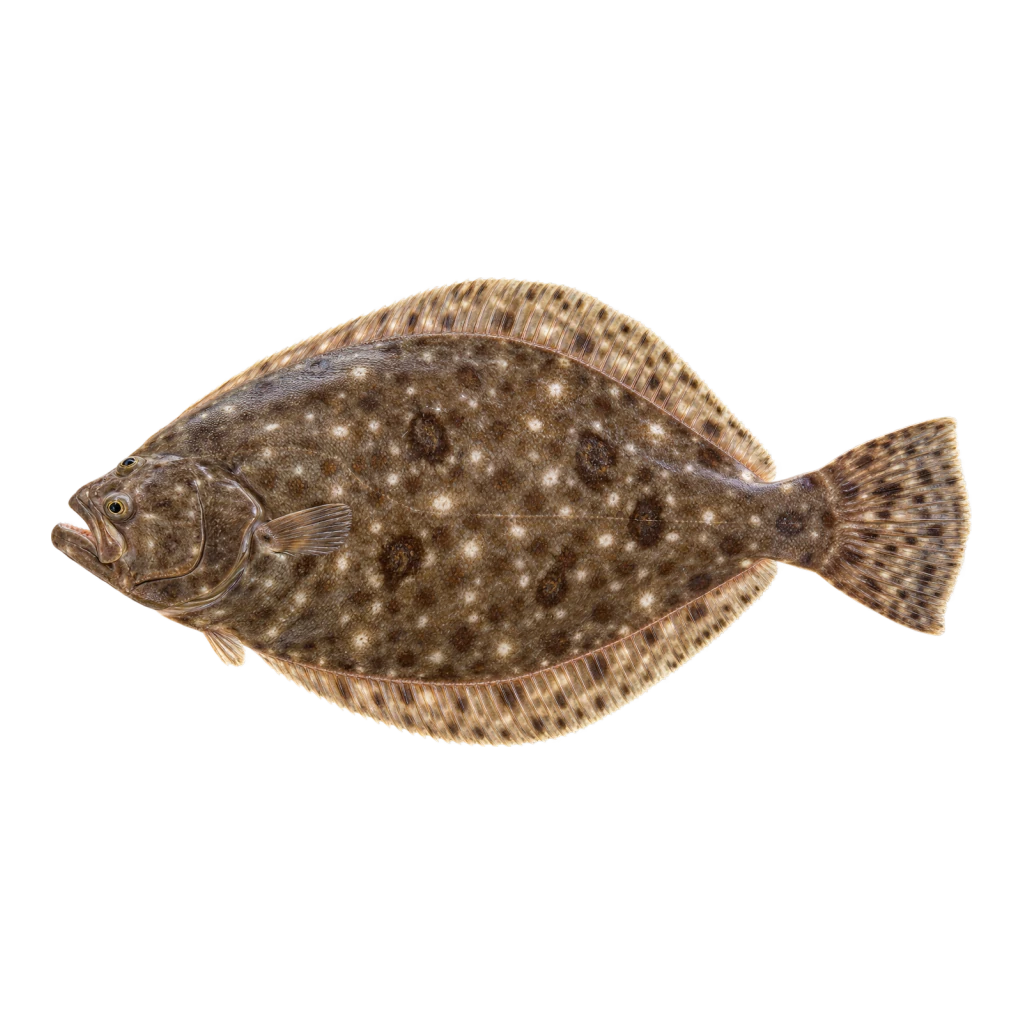
The Gulf Flounder (Paralichthys albigutta) is a flatfish with a distinctive shape. It has a flattened body and both eyes located on the right side. The coloration is typically a brownish or greenish hue with lighter spots, providing excellent camouflage against the ocean floor. The dorsal fin runs along the length of the body, merging with the caudal fin. The mouth is small but wide, allowing it to capture prey effectively.
This species is often confused with the Southern Flounder (Paralichthys lethostigma). The key detail that separates them is the Gulf Flounder's more elongated body shape and the absence of a dark spot at the base of the pectoral fin, which is present in the Southern Flounder.
Where it lives
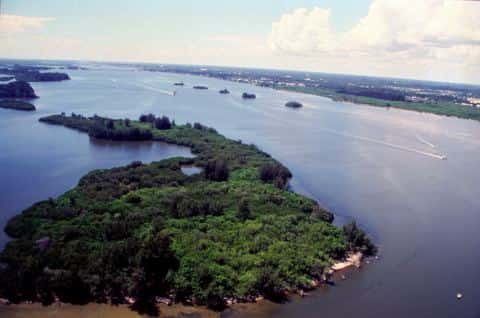
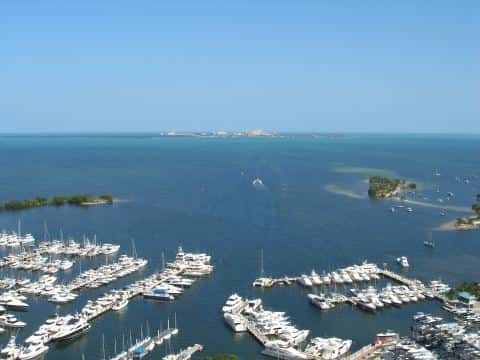
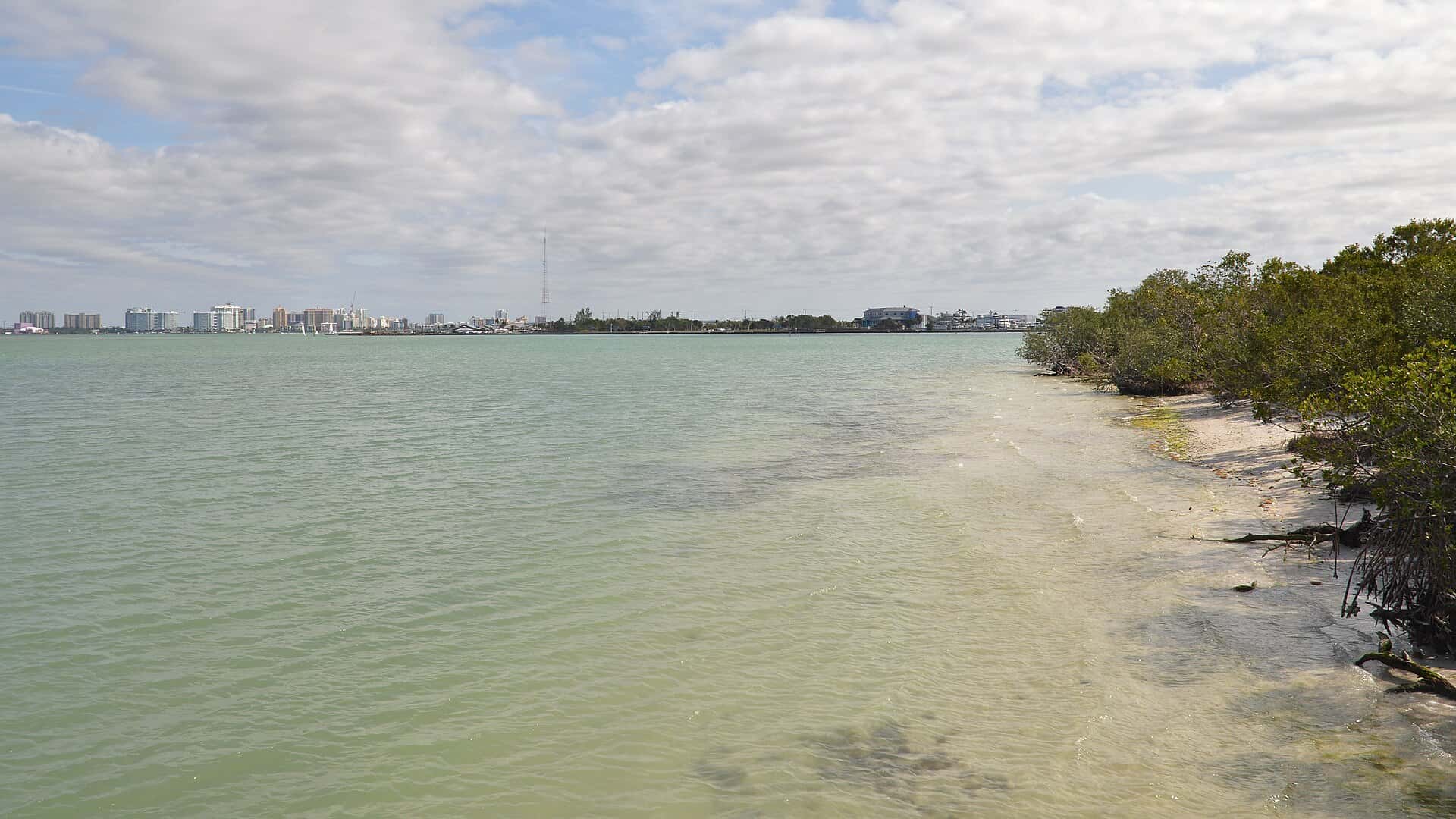
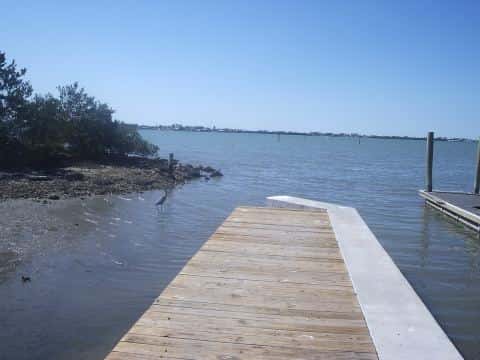
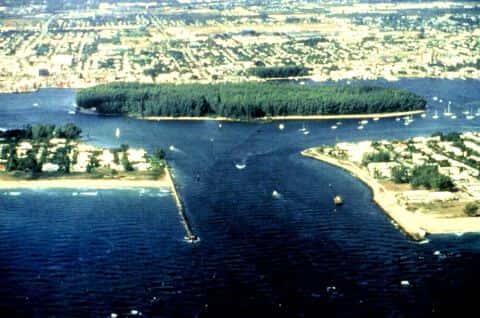
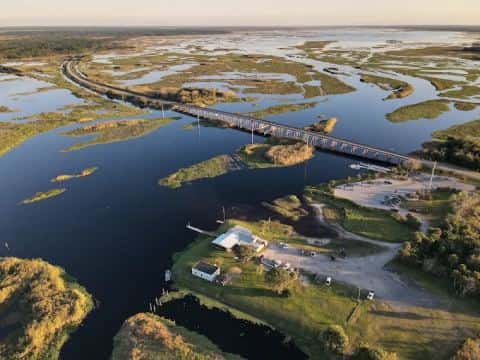
The Gulf Flounder is primarily found along the Gulf of Mexico coast. Its range extends from the eastern coast of Texas to the western coast of Florida. This species inhabits estuaries, bays, and coastal waters, preferring sandy or muddy bottoms. It typically resides at depths of 10 to 60 feet.
During the warmer months, Gulf Flounder move into shallower waters, often near grass beds and structures. In colder months, they tend to migrate to deeper waters for warmth. This seasonal movement is crucial for their survival and feeding habits.
When it bites
The Gulf Flounder is most active from late spring through early fall, particularly from May to October. They prefer water temperatures between 68°F and 82°F. The best times to fish for them are during the early morning and late afternoon when they are more likely to feed.
Weather conditions can influence their feeding behavior. A passing cold front may trigger increased activity, while strong winds can make them less likely to bite. A full moon often leads to heightened feeding, making it an ideal time for anglers to target this species.
How to catch it
To catch Gulf Flounder, anglers can use a variety of rigs. A Carolina rig with a 1 to 2-ounce weight is effective, as is a jig head with a soft plastic bait. Recommended bait sizes range from 3 to 6 inches, with colors like white, chartreuse, and natural bait imitations being particularly effective.
Using a 15 to 30-pound test line is advisable, with a 1/0 to 3/0 hook size. Cast near structures such as rocks, piers, or grass beds, and work the bait slowly along the bottom. A steady retrieve or a slight jigging motion can entice strikes from the flounder.
Size, age and the table
Anglers typically encounter Gulf Flounder ranging from 12 to 24 inches in length. A trophy Gulf Flounder is generally considered to be over 25 inches. The growth rate is moderate, with fish reaching maturity around 2 to 3 years of age. They can live up to 10 years in the wild.
Gulf Flounder are known for their excellent eating quality. The flesh is white, firm, and mild in flavor. When handling, it is important to minimize stress to the fish. If releasing, use wet hands and avoid using a net to ensure a higher survival rate.