Lake Worth Fishing Guide: Tarpon, Snook, Permit & Best Spots
Target Species and How to Fish Them
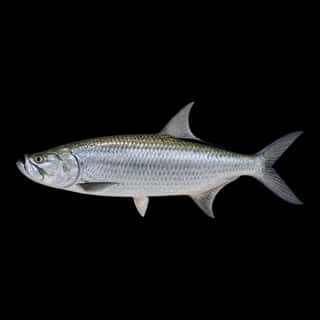
Tarpon hold near bait schools, piers, and jetties, especially around Annie's Dock, the Lake Worth Pier, and the Ocean Inlet Park North Jetty. The bite peaks March through September when the water is 75–88°F. Tarpon feed best at dawn and dusk, with action driven by baitfish presence and water temperature. Use heavy tackle with live mullet or crabs, or large baitfish-imitating lures. Focus on low-light hours and moving tides.
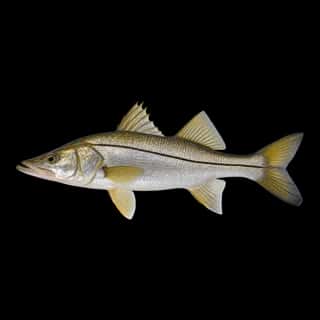
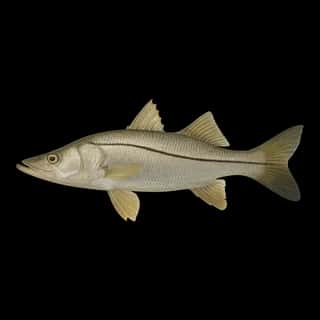
Common Snook stack along mangroves, docks, and drop-offs—Bryant Park North, Lantana Bicentennial Park, and the Snook Islands area are prime. The top bite is January, February, August, and September, with good fishing in March, July, and October when water is 70–85°F. Snook respond to tidal movement and warm water. Use live mullet or pinfish, or topwater plugs and soft plastics. Fish dawn and dusk for the best chance.
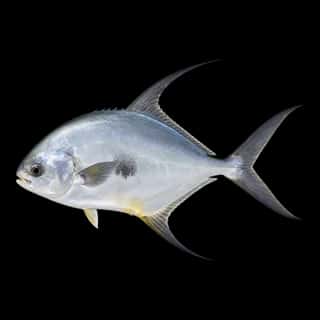
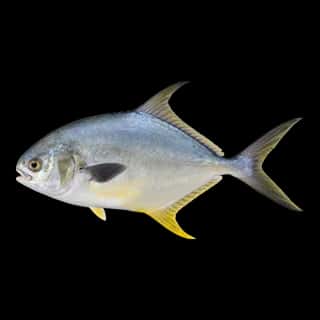
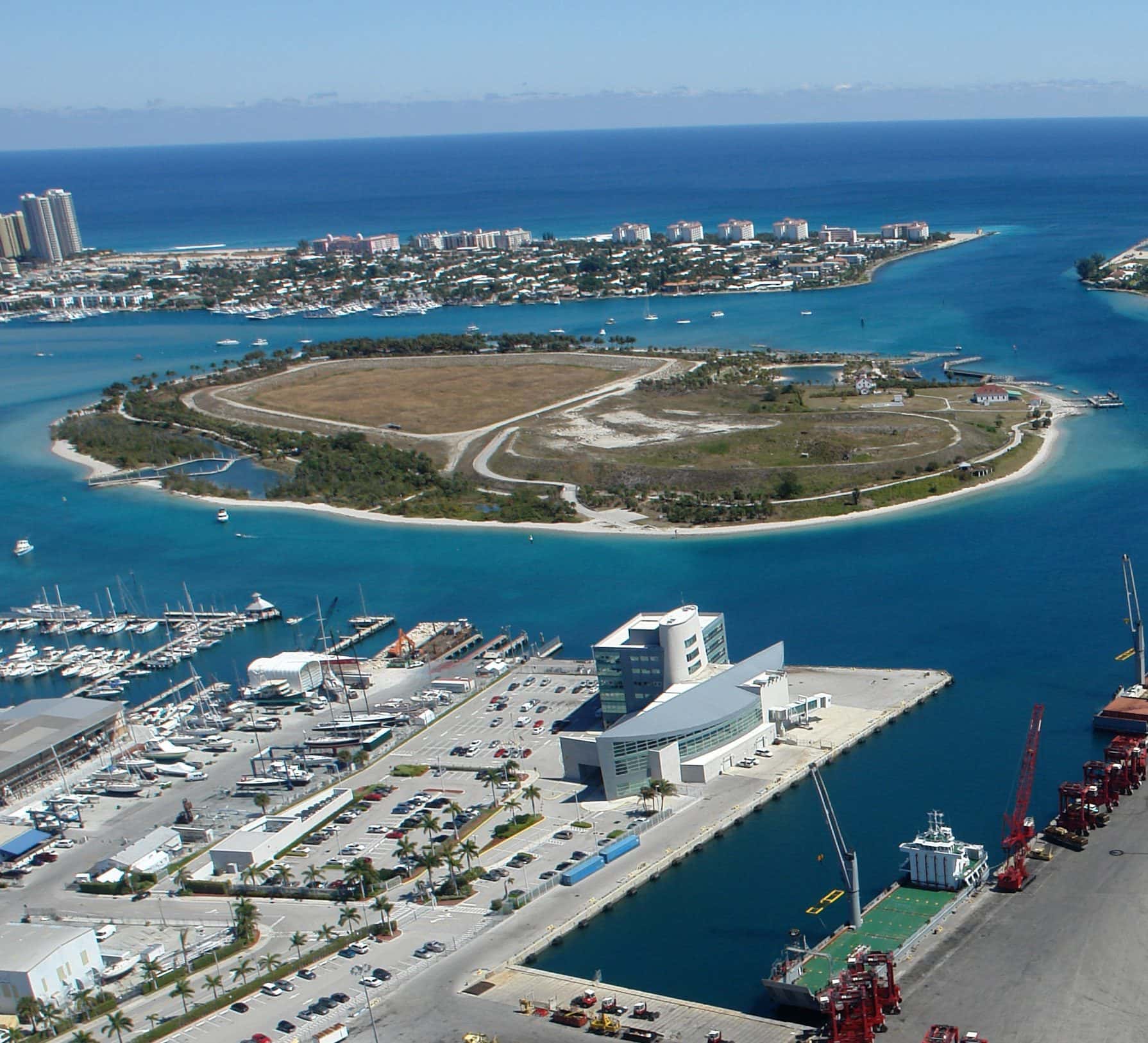
Permit feed on sandbars, reefs, and grassy flats, especially near the sand edges and shallow bars south of Peanut Island and around the inlet. April through July is the main window, with March and August also producing. Permit are aggressive when baitfish and crabs are present. Use live crabs, shrimp, or small jigs on light spinning gear. Fish early, late, or on moving tides.
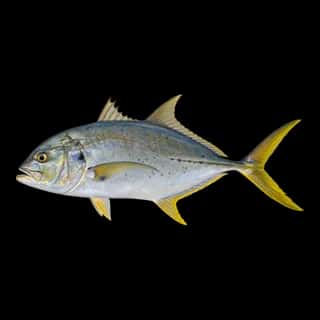
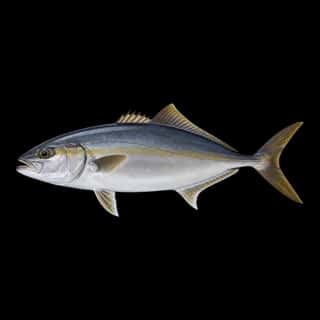
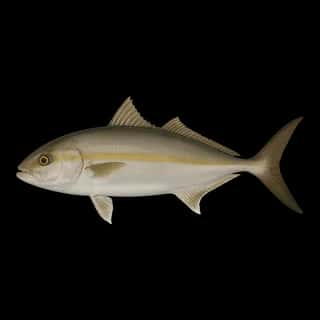
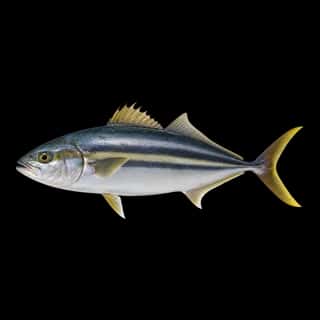
Greater Amberjack are found near deeper reefs and wrecks closer to the inlet and channel edges, especially from April through July. March and August are also good. They hunt baitfish and squid, biting best at dawn, day, and dusk when water is 75–86°F. Use heavy tackle with live pinfish or squid, or big jigs. Target structure and deeper water, especially on incoming tide.
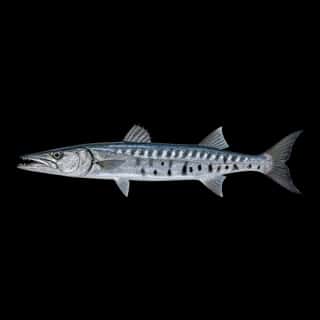
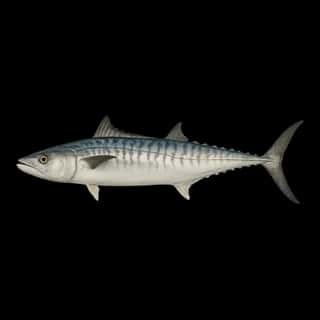
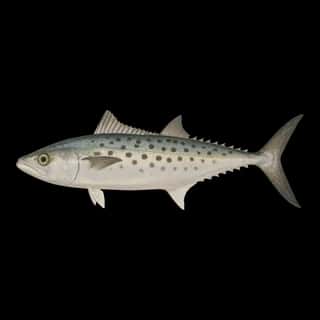
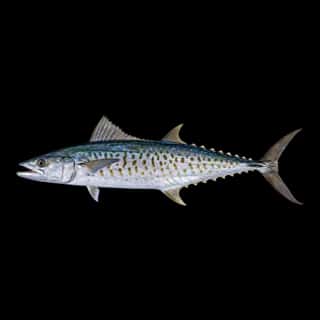
King Mackerel cruise current edges, reefs, and wrecks, often near the inlet and along color changes. April through July is prime, with March and August still productive. Look for schools of baitfish and troll or cast spoons, diving plugs, or live menhaden. Fish dawn through midday on moving water.
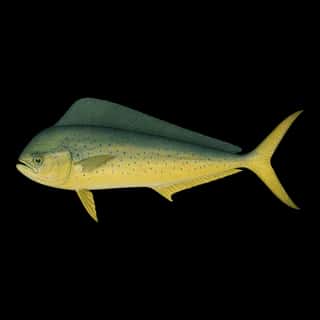
Mahi Mahi show up around floating debris, weed lines, and color changes near the inlet. April through July is best, with some action in March and August. Use live small mackerel or poppers and jigs on medium-heavy gear. Fish when water is 75–88°F, especially after sunrise and before sunset.
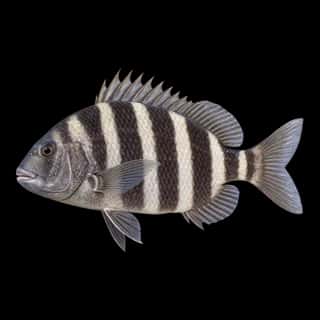
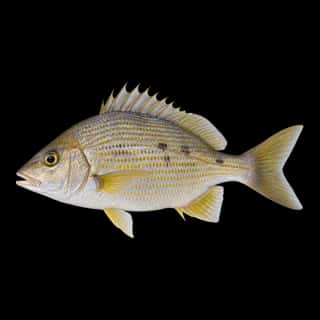
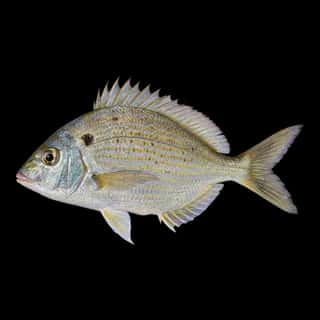
Sheepshead gather on docks, pilings, and rocky structure—try Bryant Park, Lantana Bicentennial Park, and the pilings near the old bridge. April through June is peak, with March and July also good. Use live fiddler crabs, shrimp, or sand fleas on light tackle. Fish dawn, day, or dusk, focusing on hard structure.
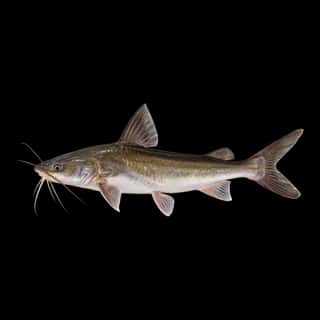
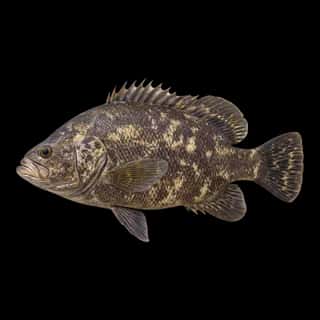
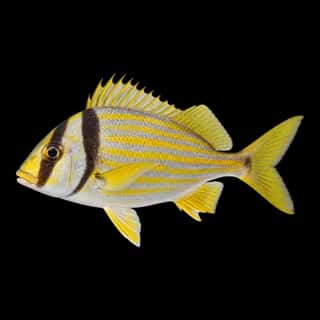
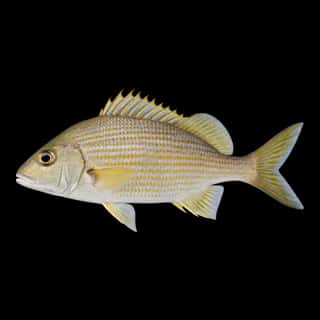
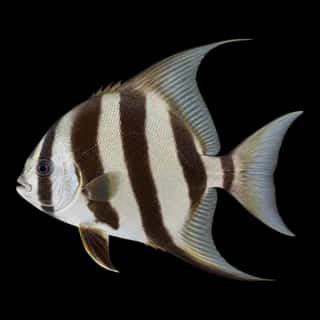
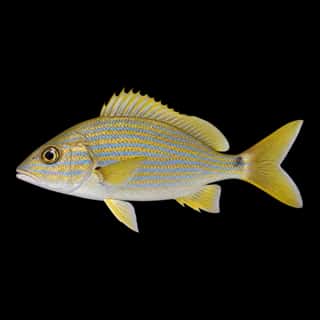
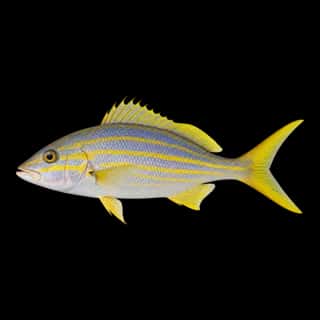
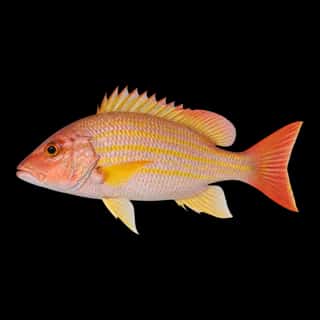
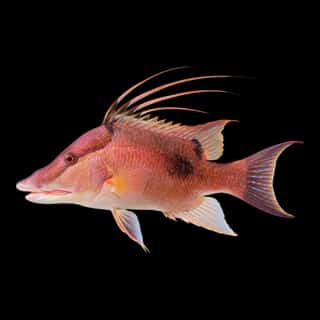
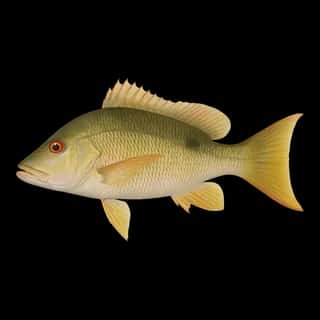
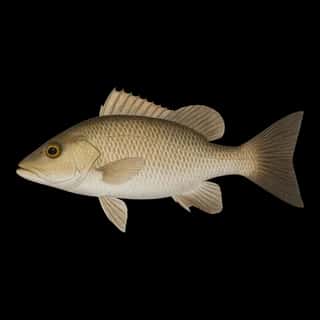
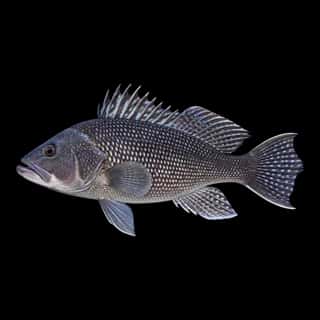
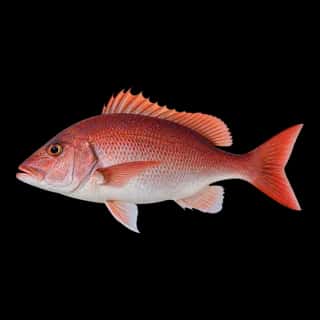
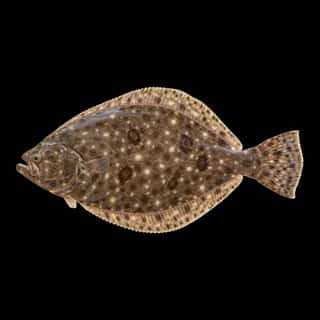
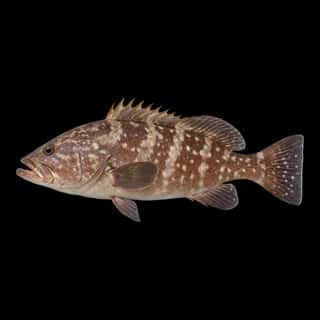
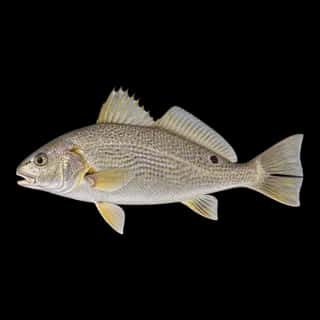
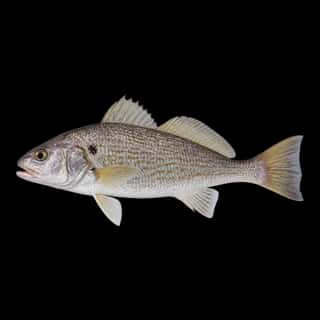
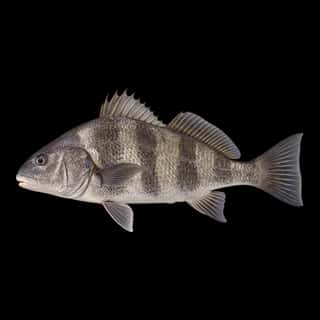
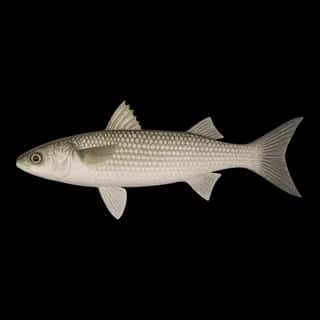
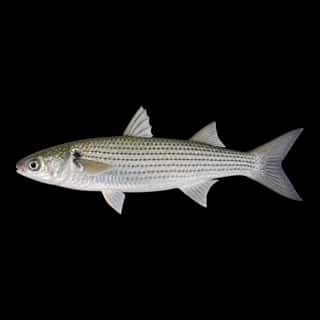
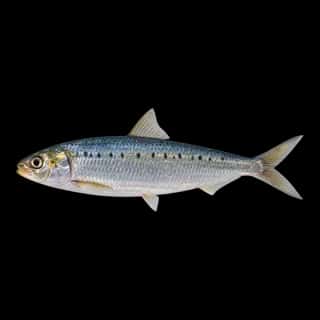
Other regular catches include gray snapper, mutton snapper, hogfish, yellowtail snapper, black sea bass, and gulf flounder. Fish structure, reefs, and deeper holes with live or cut bait. Bycatch like white grunt, spadefish, catfish, pigfish, and pinfish are common on shrimp or cut bait. Mullet and white mullet are abundant and best used as live bait for larger predators.
Season-by-Season Breakdown
- Winter (Dec–Feb, 70–73°F): Snook bite peaks in January and February, but the season is closed Dec 15–Jan 31—release only. Sheepshead and snapper are steady. Tarpon action is slowest in December but starts to pick up by February as water warms.
- Spring (Mar–May, 76–82°F): Tarpon, permit, amberjack, king mackerel, and mahi mahi all turn on as water climbs past 75°F. March is the start of the main run for most headline species. Sheepshead spawn and stack on structure. This is the best window for variety and numbers.
- Summer (Jun–Aug, 86–88°F): Tarpon, permit, amberjack, king mackerel, and mahi mahi all stay hot. Snook bite peaks in August and September, but the season is closed June–August—release only. Fish early or late to beat the heat and boat traffic. Water clarity can drop after storms.
- Fall (Sep–Nov, 86–78°F): Snook season reopens September 1, and the bite remains strong. Tarpon and permit slow as water cools, but snapper and sheepshead remain steady. October and November see fewer crowds, but flounder is closed Oct 15–Nov 30. Water clarity improves as temperatures drop.
The single best window for a trip is March through July, when the most species are active and the bite is consistent. Avoid late fall if you want flounder or the main tarpon run.
Where to Fish: Structure and Depth
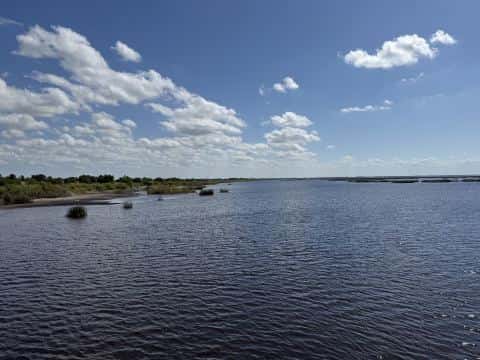
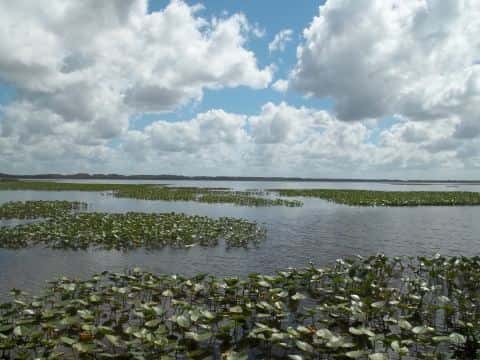
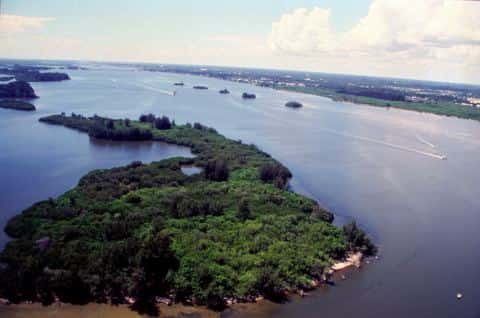
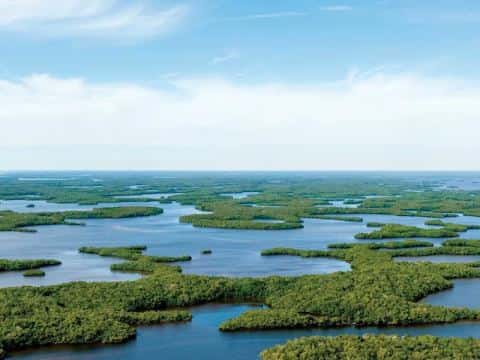
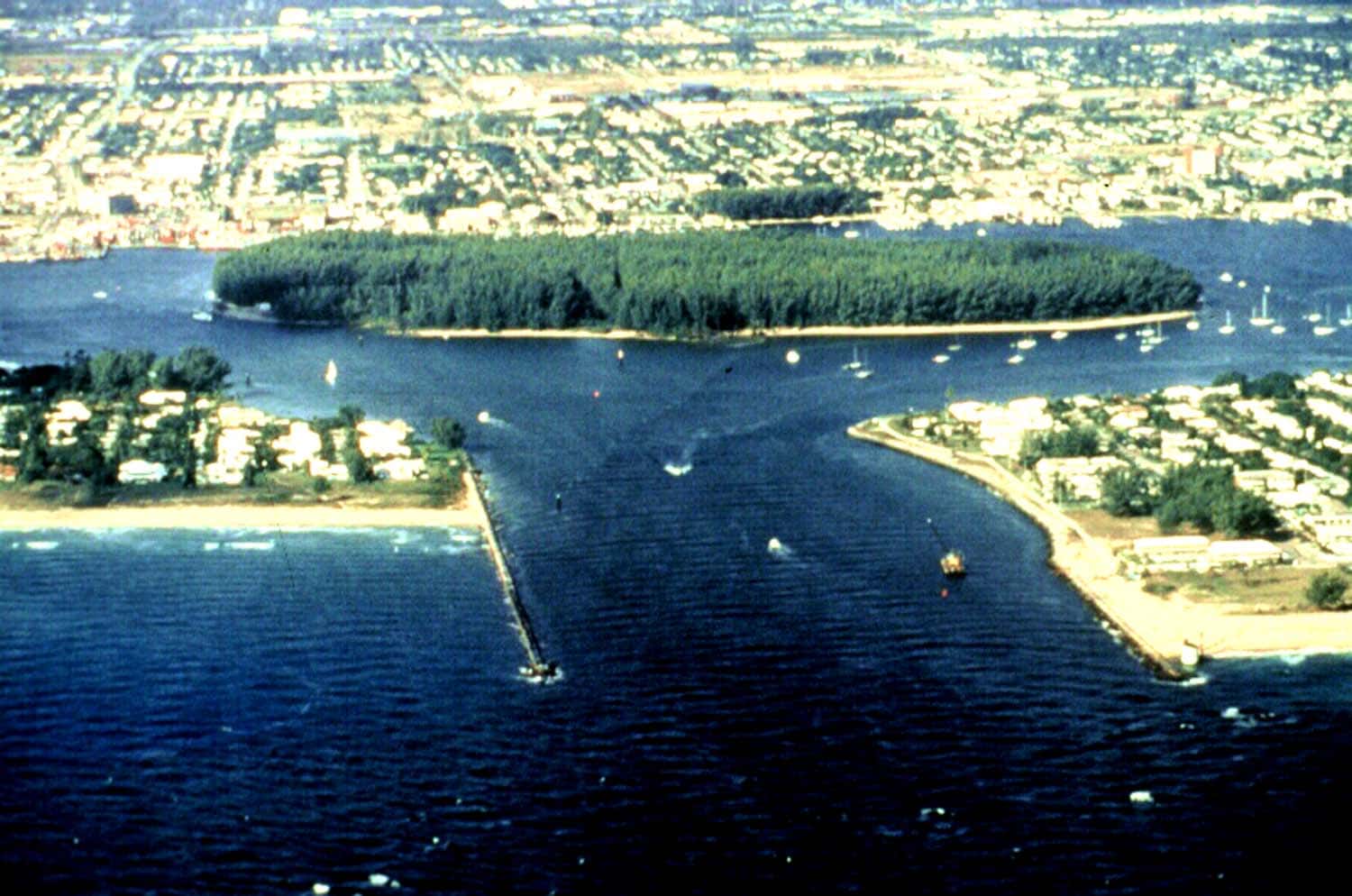
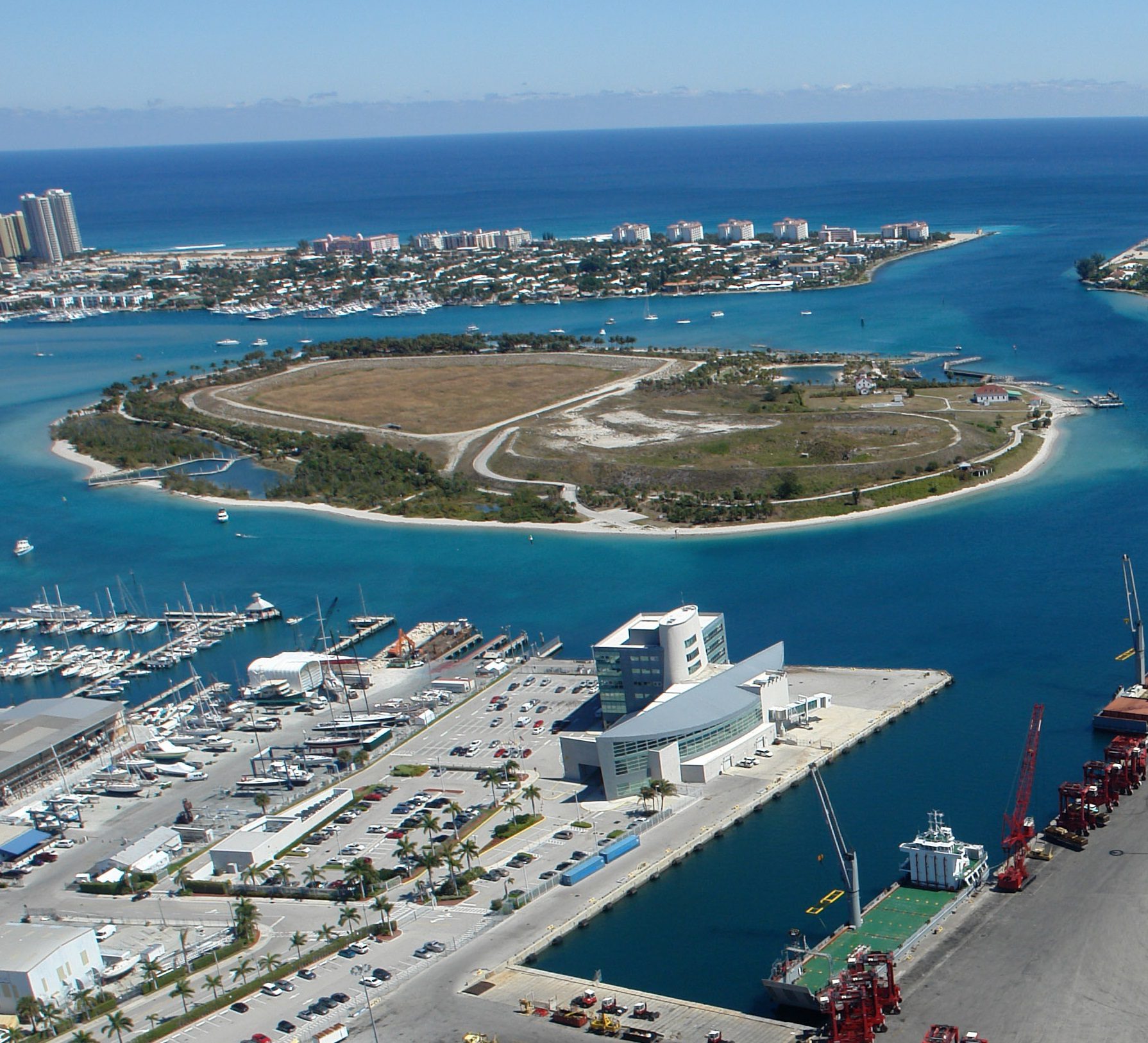
Lake Worth is a shallow tidal lagoon—over 94% is less than 2 feet deep, with only scattered holes and channels reaching 10–25 feet. Most fishing happens along grass flats, sandbars, mangrove edges, docks, piers, and the main channel. The deeper holes near the inlet and bridges hold bigger fish, especially in summer heat or after a front. The Snook Islands area, Peanut Island, the old bridge pilings, and the inlet jetties are all proven spots. On a falling tide, fish stage on the drop-offs and at the mouths of channels. When the tide floods, predators push onto the flats and grass edges to hunt bait.
Getting on the Water: Ramps and Access
- Phil Foster Park Boat Ramp: 4 lanes, paved, always open, flush restrooms, 126 trailer spaces. This is the main launch for boats and offers the fastest access to the inlet, Peanut Island, and deep water.
- Harvey E. Oyer Park Boat Ramp: 5 lanes, paved, always open, flush restrooms, 162 trailer spaces. Good for southern lagoon access and less crowded than Foster on weekends.
- Bryant Park North Boat Ramp: 2 lanes, paved, always open, portable restrooms, 55 trailer spaces. Central location for the mid-lagoon and Snook Islands.
- Jim Barry Light Harbor Park: 3 lanes, paved, sunrise to sunset, flush restrooms, 72 trailer spaces.
- Lake Park Harbor Marina: 4 lanes, paved, always open, flush restrooms, 49 trailer spaces.
- Kayak and Paddlecraft Launches: Osprey Park, Phil Foster Park Paddlecraft Launch, Bryant Park North Snook Islands Dock, and others. Most are sand or dock launches, paved parking, sunrise to sunset hours.
- Piers and Jetties: Annie's Dock, Lake Worth Pier, Currie Park, Lantana Bicentennial Park, Old Lake Worth Bridge Fishing Pier, and the Ocean Inlet Park North Jetty all offer shore or pier fishing options.
All main ramps are paved and have trailer parking. Some charge a launch fee. Flush restrooms are available at Phil Foster, Harvey E. Oyer, and most larger parks. Smaller kayak launches may have limited parking and hours. The Sportsman Park Boat Ramp is currently closed, and Currie Park Boat Ramp is temporarily closed—check status before you go.
Water and Conditions
Lake Worth is a tidal lagoon with a mean depth of just 1 foot and a max depth of 25 feet. Water temperature ranges from 70°F in winter to 88°F in summer, with the best fishing when water is 75–85°F. Water clarity averages 3.6 feet but can swing from under a foot to over 6 feet depending on wind, rain, and boat traffic. The most recent reading (August 2025) showed 90°F water and 3.3 feet of clarity—hotter and a little murkier than average. The shallow flats can get muddy fast on a blow, and summer storms can drop clarity overnight. Plan lure color and presentation for changing conditions.
Regulations
- Tarpon: Catch-and-release only. No size limit. Tarpon over 40 inches must stay in the water unless pursuing a state or world record with a tarpon tag. One tarpon tag per person per year for record attempts only. No open harvest season. Recreational saltwater fishing license required; tarpon tag only if pursuing a record fish.
- Common Snook, Tarpon Snook: Slot 28–32 inches total length. One per person per day. Closed Dec 15–Jan 31 and June 1–Aug 31. Snook permit and recreational saltwater fishing license required.
- Permit: Slot 11–22 inches fork length; may possess one over 22 inches as part of the daily bag. Two per person per day, no more than two over 22 inches per vessel. Open year-round. Recreational saltwater fishing license required.
- Greater Amberjack, Almaco Jack: Minimum 28 inches fork length. One per person per day. Closed April. State Reef Fish Angler designation and recreational saltwater fishing license required.
- King Mackerel: Minimum 24 inches fork length. Two per person per day. Open year-round. Recreational saltwater fishing license required.
- Sheepshead: Minimum 12 inches total length. Eight per person per day. Vessel limit 50 per trip during March and April. Open year-round. Recreational saltwater fishing license required.
- Gray Snapper: Minimum 10 inches total length. Five per person per day within the 10 snapper aggregate bag limit. Open year-round. Recreational saltwater fishing license required.
- Mutton Snapper: Minimum 18 inches total length. Five per person per day within the 10 snapper aggregate bag limit. State Reef Fish Angler designation and recreational saltwater fishing license required.
- Hogfish: Minimum 16 inches fork length. One per person per day. Open May 1–Oct 31. State Reef Fish Angler designation and recreational saltwater fishing license required.
- Yellowtail Snapper: Minimum 12 inches total length. Up to 10 per person per day within the 10 snapper aggregate bag limit. State Reef Fish Angler designation and recreational saltwater fishing license required.
- Black Sea Bass: Minimum 13 inches total length. Seven per person per day. Recreational saltwater fishing license required.
- Gulf Flounder: Minimum 14 inches total length. Five per person per day. Closed Oct 15–Nov 30. Recreational saltwater fishing license required.
- Mullet, White Mullet: No minimum size. Fifty per person per day. Vessel limit 50 fish from Sept 1–Jan 31. Recreational saltwater fishing license required.
A Florida recreational saltwater fishing license is required for all anglers unless exempt. Non-residents need a license before fishing. Some species require a snook permit or State Reef Fish Angler designation. Always check the current FWC rules before keeping any fish.
Shore and Boat Access
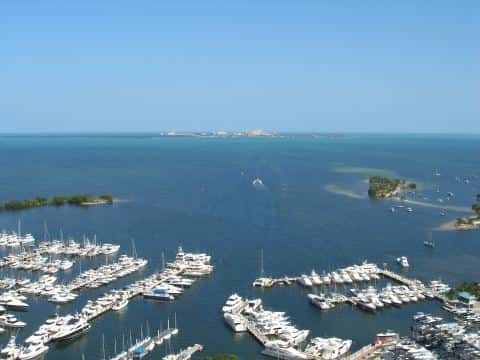
Lake Worth offers strong access for both boaters and shore anglers. Multiple public ramps are spread along the lagoon, with Phil Foster Park and Harvey E. Oyer Park offering the most lanes and parking. Kayak launches are available at Osprey Park, Phil Foster Park, and Bryant Park North. Shore and pier fishing is possible at Annie's Dock, Lake Worth Pier, Lantana Bicentennial Park, and several city parks. Most piers are free or low-cost and open sunrise to sunset. The main ramps are open 24 hours, but some smaller launches and parks close at sunset. Trailer parking is ample at the main ramps, but weekends fill up fast.
Trip Logistics
Lake Worth sits just 1 mile from West Palm Beach and 4 miles from Palm Beach International Airport (PBI). Fort Lauderdale airport is 46 miles south. The main base towns are Lake Worth Beach, West Palm Beach, and Boynton Beach, all with hotels, fish camps, and RV parks. The best ramps for most anglers are Phil Foster Park and Harvey E. Oyer Park—both have large lots, flush restrooms, and all-hours access. Live bait is available at tackle shops near the ramps, but wild mullet and crabs are best reserved ahead in peak season. Book lodging and guides early for March–July. Tackle shops in West Palm Beach and Lake Worth Beach carry everything you need for saltwater fishing. Book at least a month ahead for spring and early summer trips.
Ecology
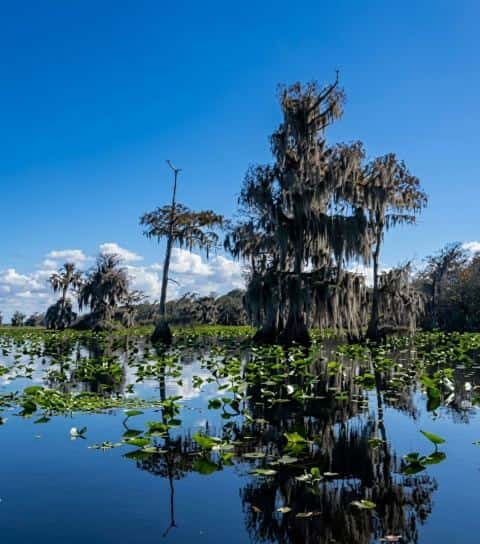
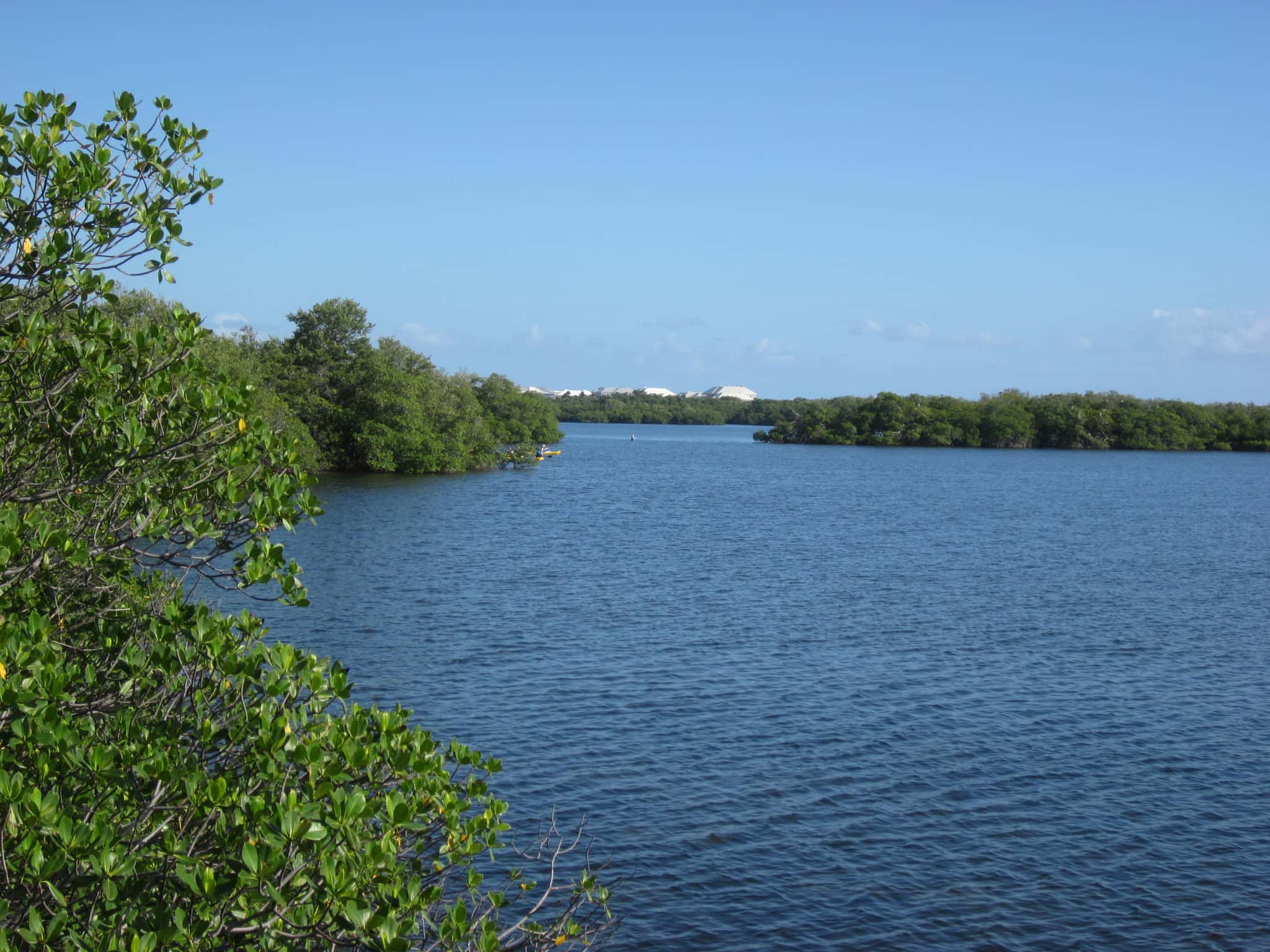
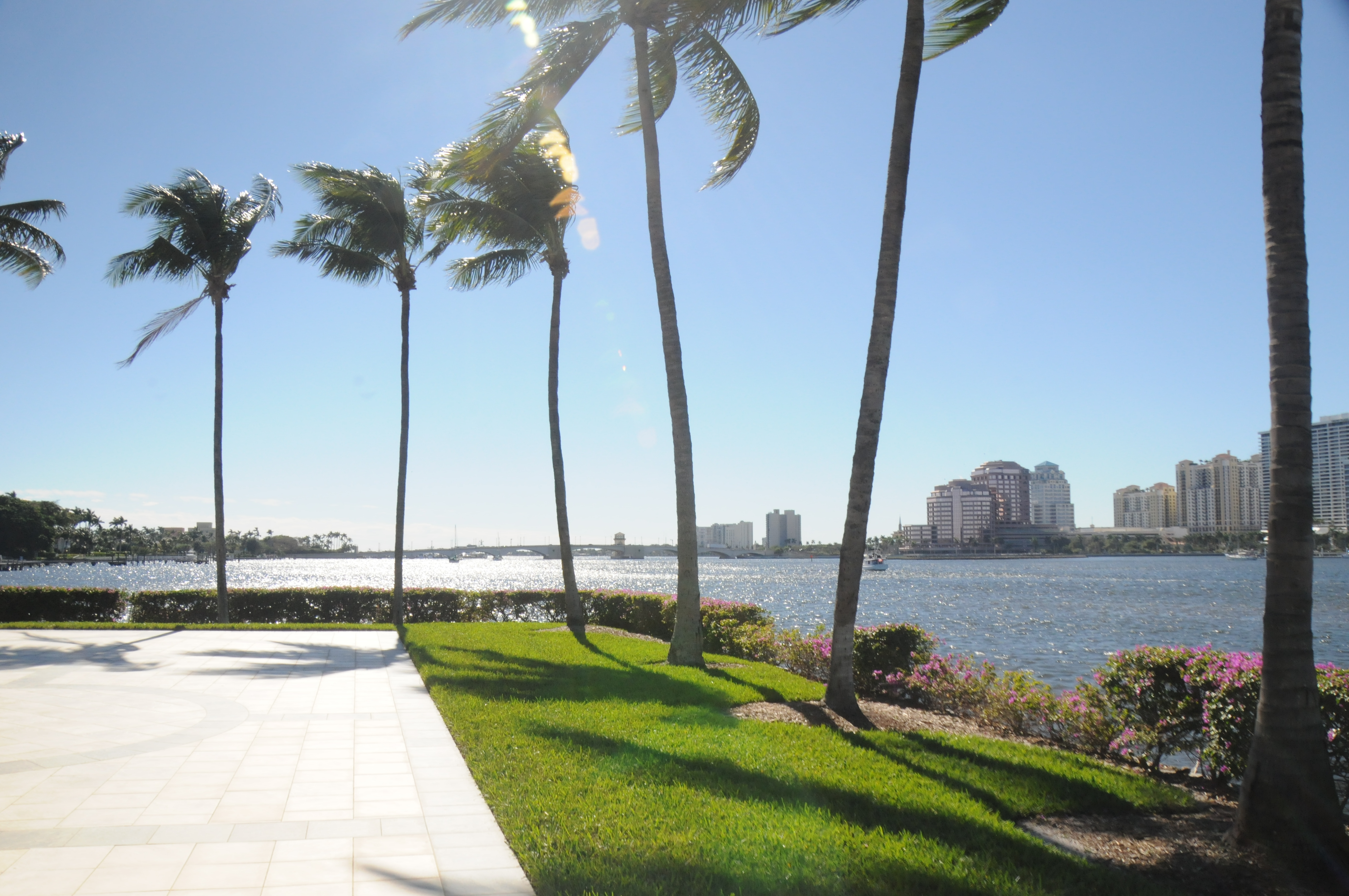
Lake Worth is a shallow, tidal lagoon with a mean water temperature of 81°F and clarity averaging 3.6 feet, but readings swing from under a foot to over 6 feet. Water quality is generally good, but clarity drops after storms and heavy boat traffic. The bottom is mostly sand and mud, with grass beds and scattered oyster bars. Summer brings the risk of algal blooms and low oxygen in the shallowest areas. The lagoon supports a mix of seagrass, mangroves, and tidal flats, providing habitat for a wide range of fish.
What Makes Lake Worth Hard
The lagoon is extremely shallow—over 94% is less than 2 feet deep—so running aground is a real risk if you stray from marked channels. Wind can muddy the flats quickly, making sight fishing tough. Boat traffic is heavy on weekends, and main ramps fill up early. The fishery is wild, not stocked, so tough years show up in the catch. The best bite often overlaps with the hottest, buggiest months.
Safety
Shallow water and soft bottom mean it's easy to get stuck if you leave the channel. Afternoon storms are common in summer—get off the water before lightning moves in. Boat traffic is heavy near the inlets and bridges, so keep a sharp lookout. If wading, shuffle your feet to avoid stingrays. Jellyfish and sharp oyster shells are a risk—wear shoes if wading.
Pros and Cons
- Pros:
- Strong tarpon and snook fishery
- Multiple ramps and piers
- Easy airport access
- Year-round fishing options
- Cons:
- Very shallow—easy to run aground
- Heavy weekend boat traffic
- Water clarity drops after storms
- The fishery is wild, not stocked
Final Verdict
Lake Worth is a top pick for anglers after tarpon, snook, permit, and snapper in a shallow, tidal setting. The best fishing is March through July, when most headline species are active and water temperatures are right. You'll want a boat or kayak to reach the best spots, but shore and pier options are solid for snapper, sheepshead, and jacks. Plan for shallow water, changing clarity, and busy ramps on weekends. If you want a wild, year-round fishery with easy access and variety, Lake Worth delivers—just bring your own boat or book a guide, and watch the weather.