How to recognise it
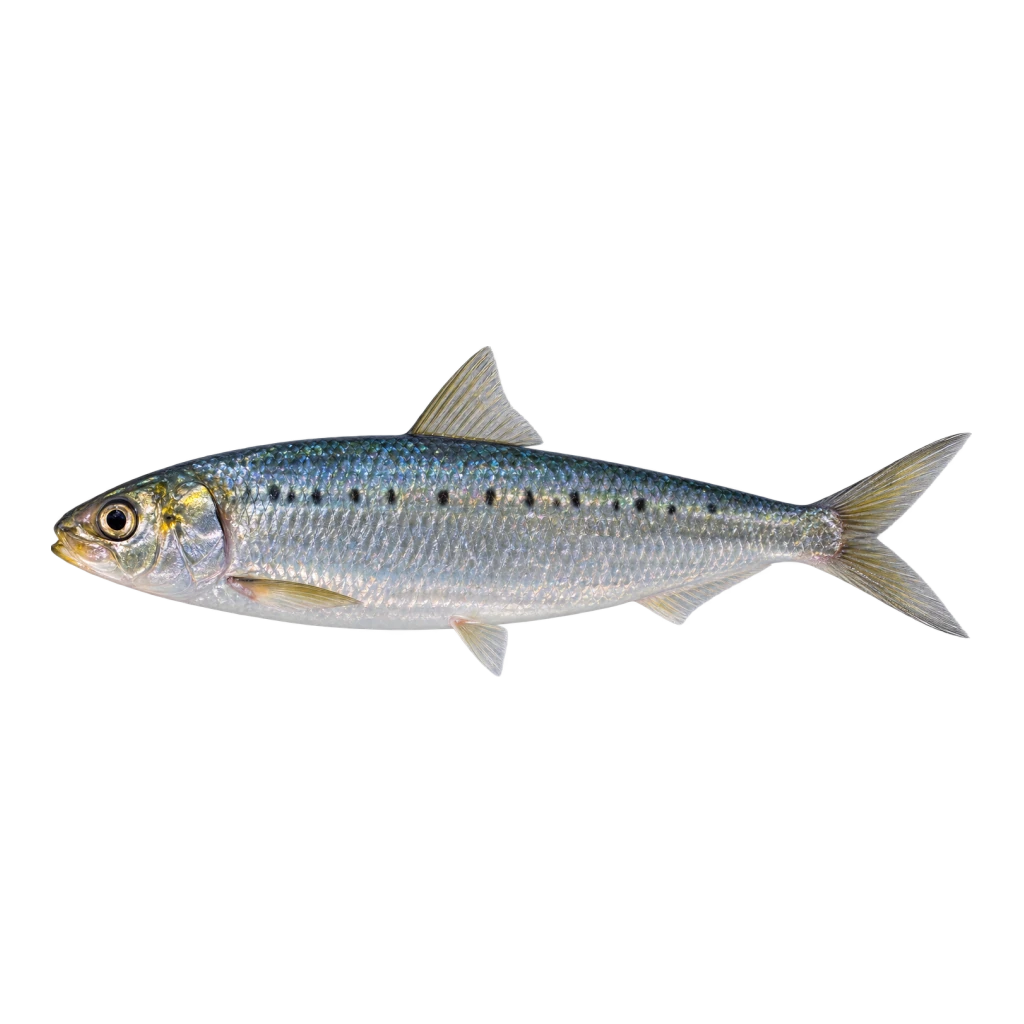
The Round Sardinella (Sardinella aurita) is a slender fish with a streamlined body. It has a bluish-green back and silver sides. The belly is silvery-white. The fish features a forked tail and a single dorsal fin. The dorsal fin is located towards the middle of the body. The mouth is small and slightly protruding, with sharp teeth. The Round Sardinella is often confused with the Atlantic Sardine (Sardina pilchardus). The key detail that separates them is the number of dorsal fin rays; the Round Sardinella has 14 to 16 rays, while the Atlantic Sardine has 8 to 10.
Where it lives
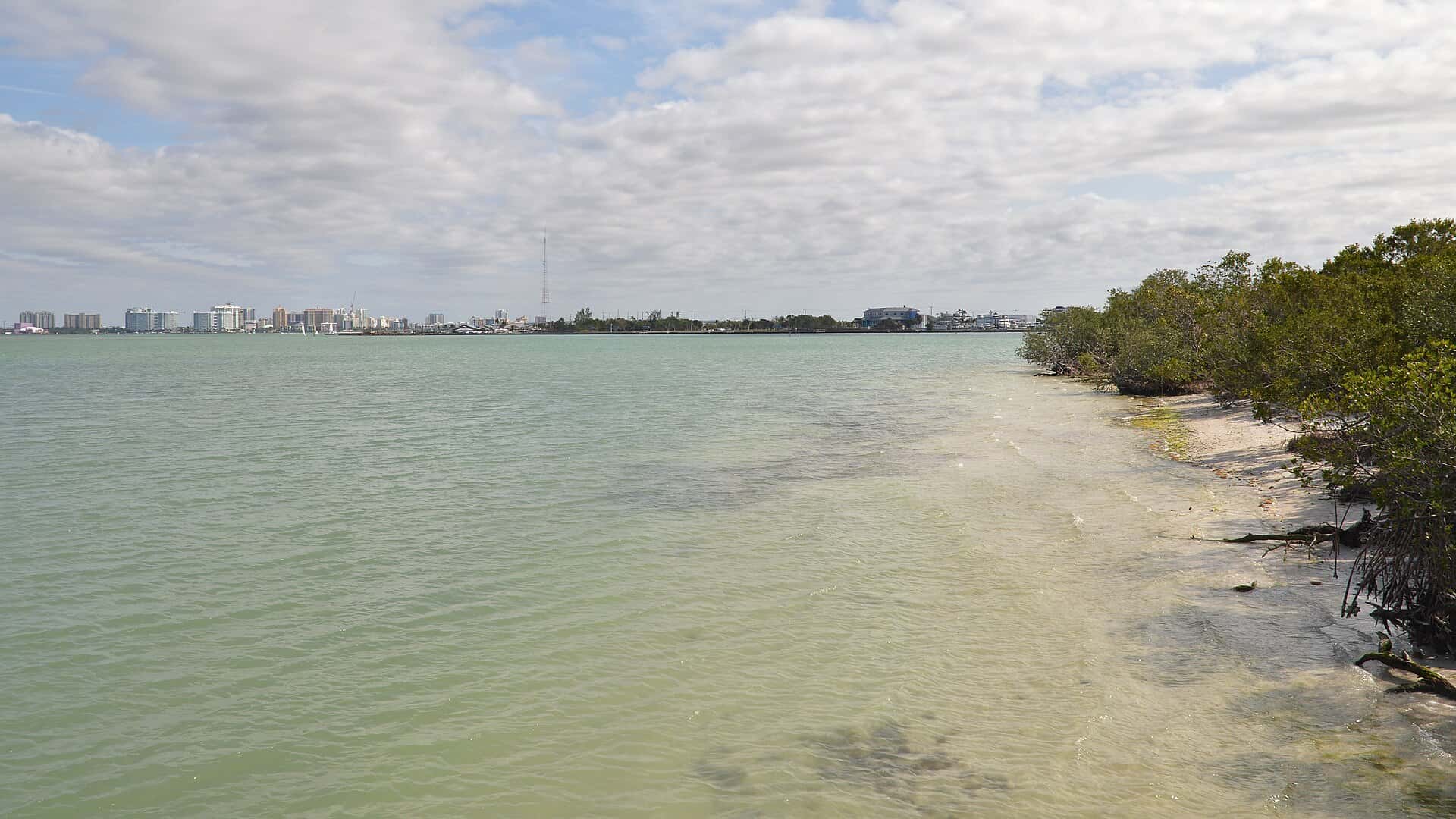
The Round Sardinella is primarily found along the Atlantic coast of the United States. Its range includes the Gulf of Mexico and the Caribbean Sea. It prefers warm, shallow waters, typically found in coastal areas. The depth range is usually between 10 to 150 feet. During the summer months, they are more abundant in shallower waters. In winter, they tend to move to deeper areas. They often associate with schools of other small fish and are found near structures like reefs and jetties.
When it bites
The Round Sardinella is most active from late spring to early fall. The ideal water temperature for fishing is between 70°F and 85°F. They tend to bite best during early morning and late afternoon. Weather changes, such as a passing front or strong winds, can trigger feeding activity. A full moon may also increase their activity level, making them more likely to bite.
How to catch it
To catch Round Sardinella, anglers should use light tackle. A typical rig includes a small hook (size 8 to 12) and a 2 to 4-pound test line. Good baits include small pieces of shrimp, squid, or small minnows. Lures such as small jigs or spoons in silver or blue colors can also be effective. Cast near schools of fish or around structures where they are likely to gather. Retrieve the bait or lure slowly, mimicking the movement of small prey.
Size, age and the table
Round Sardinella typically measures between 8 to 12 inches in length. A trophy specimen is considered to be over 12 inches. They grow quickly, reaching maturity in about 1 to 2 years. The lifespan of this species can be up to 5 years. The flesh is considered to be of good quality, often used for canning or as bait. When handling, be gentle to avoid damaging their delicate bodies. For release, minimize air exposure and return them to the water quickly.