Sarasota Bay Fishing Guide: Snook, Trout, Redfish, Tarpon, Permit & Best Spots
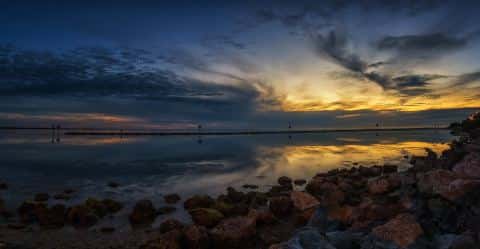
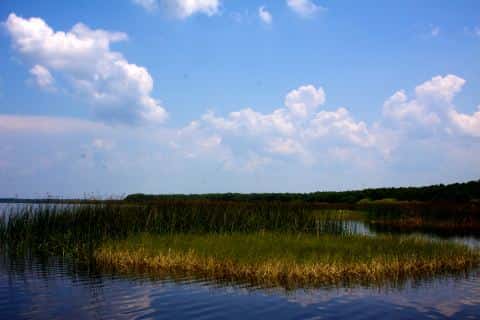
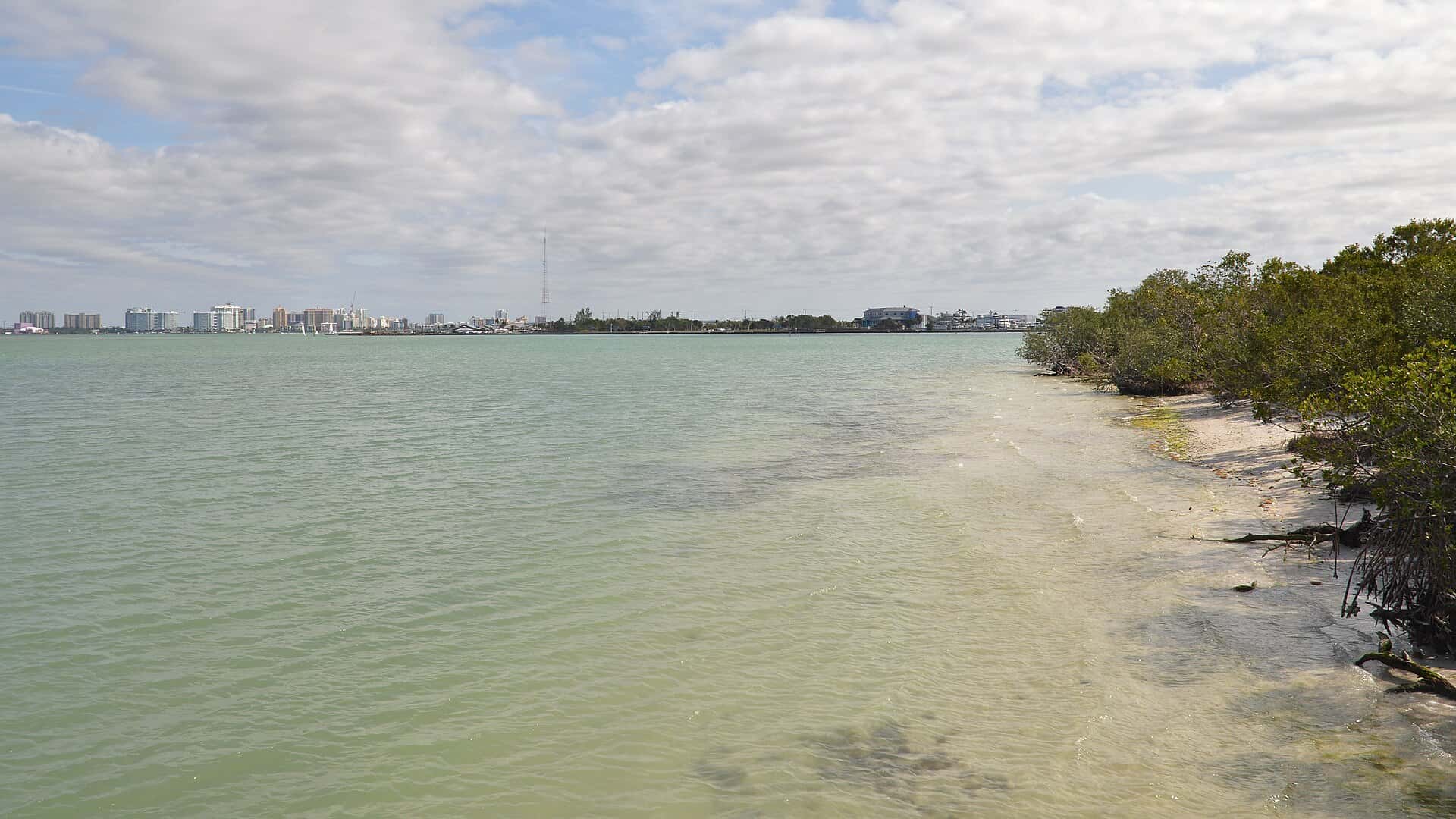
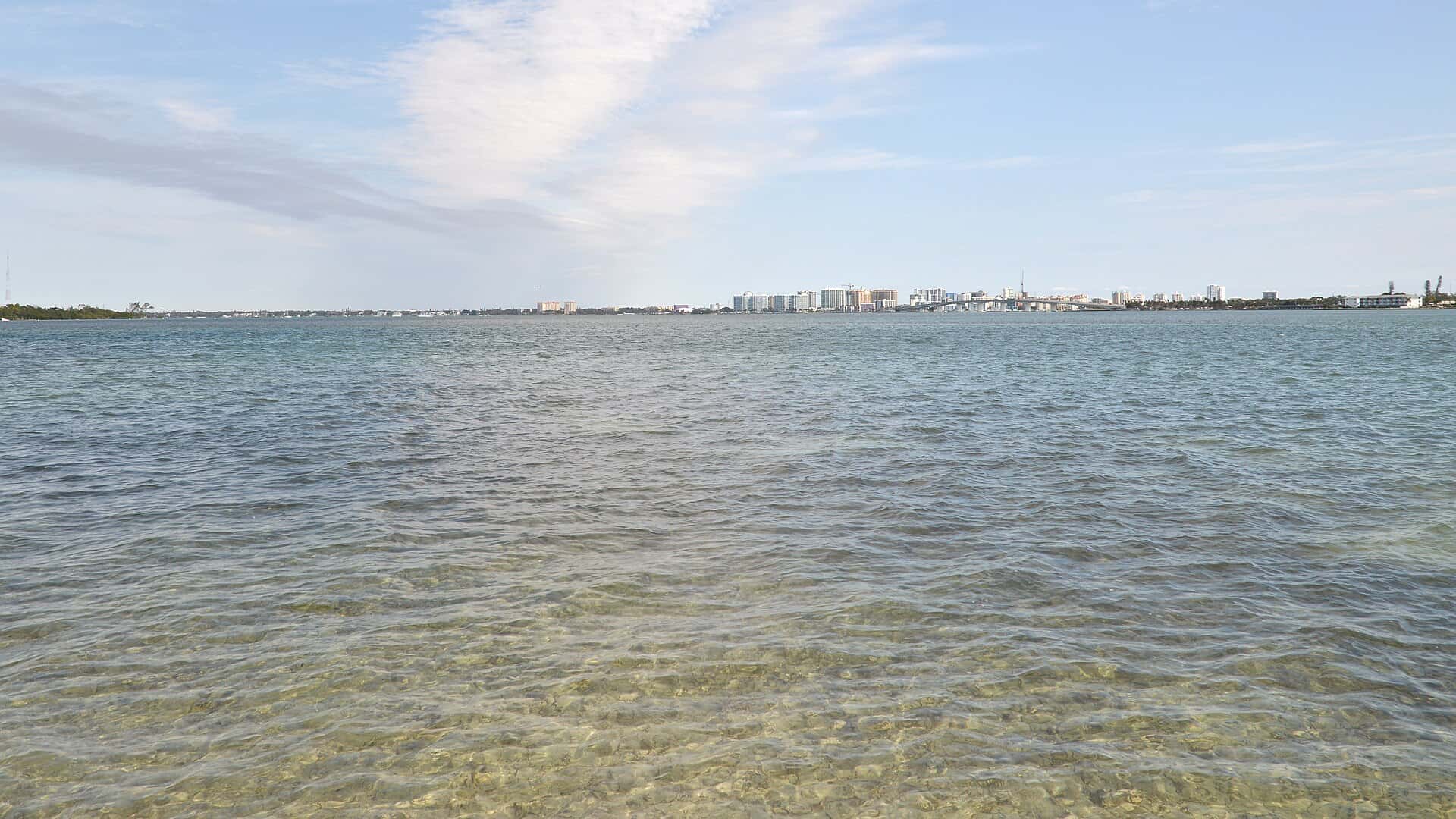
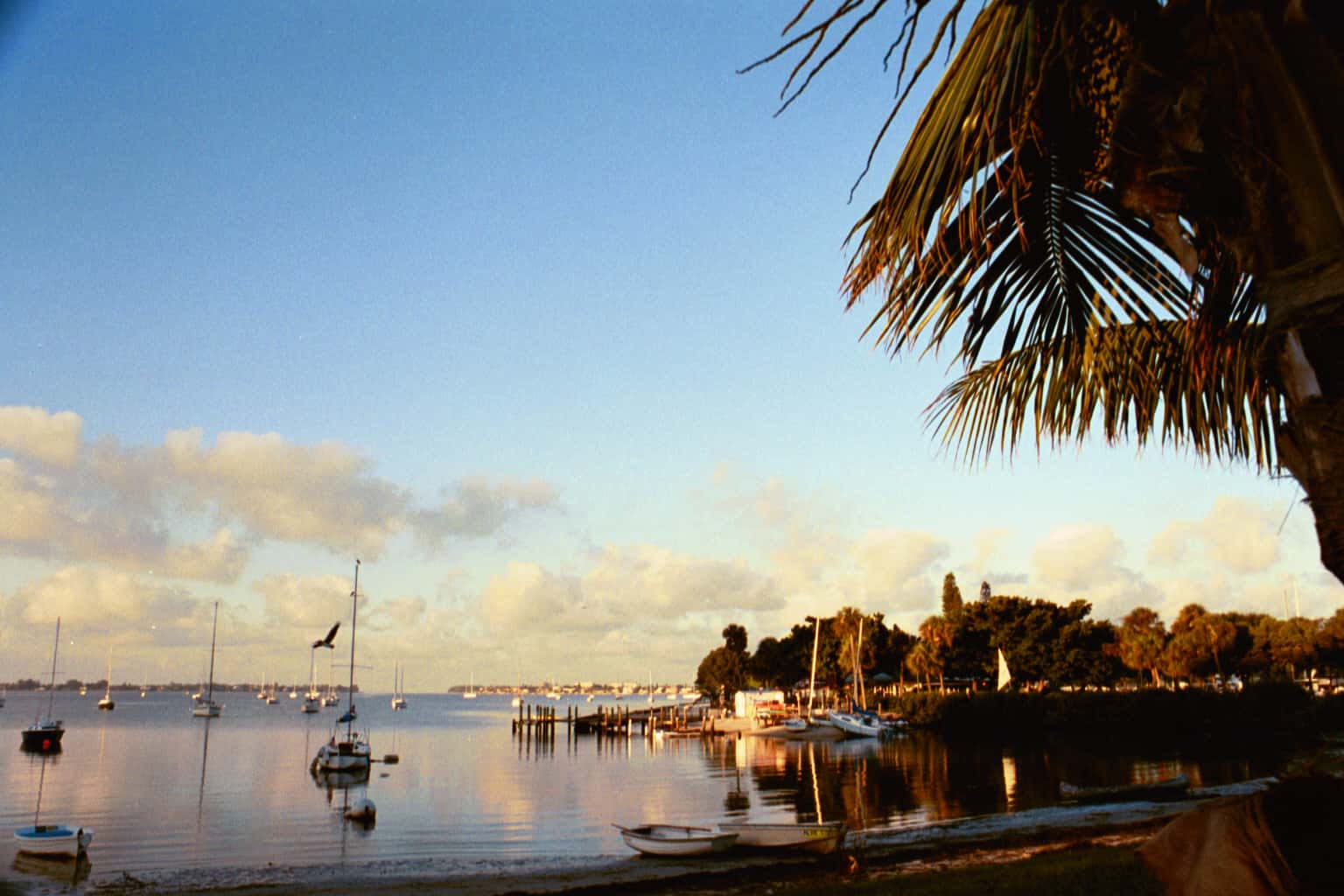
Sarasota Bay is a shallow estuary on Florida’s Gulf Coast, known for its big grass flats, steady snook and trout bite, and year-round fishing. The bay covers over 21,000 acres, with nearly half of it carpeted in seagrass. The best fishing runs March through June, when water temperatures climb and the main species feed hard. You’ll want a boat or kayak for most of the bay, but there are eight public piers and two main ramps with good trailer parking. Start your day at Ken Thompson Park or Sarasota Centennial Park ramps and fish the grass edges and drop-offs near Longbar Point or the New Pass channel. The main hazards are wind chop on open water and red tide blooms, which peak October to December.
Why Pick Sarasota Bay Over Tampa Bay?
Sarasota Bay is smaller and shallower than Tampa Bay, with clearer water and less boat traffic. The grass flats here are more continuous, making it easier to target trout and redfish without running miles between spots. You’ll see fewer big shipping channels and less industrial shoreline. If you want a quieter bay with easy access, plenty of piers, and a strong spring bite for snook and trout, Sarasota Bay is the better pick. Tampa Bay offers deeper water and more variety, but it’s busier and can be tougher to fish on windy days.
Target Species and How to Fish Them
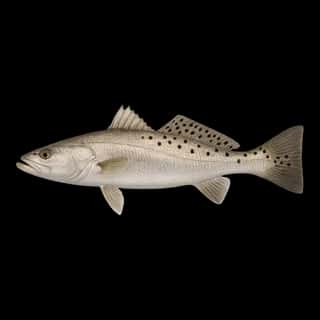
Spotted Seatrout: Fish the edges of the continuous grass beds, especially near drop-offs and sandy potholes. March through June is the peak bite, with good action in February and July–September when water runs. Seatrout feed best at dawn and dusk, especially when the tide is moving. Use popping cork rigs with live shrimp or soft plastics, and work them slowly along the grass. Early and late in the day are prime.
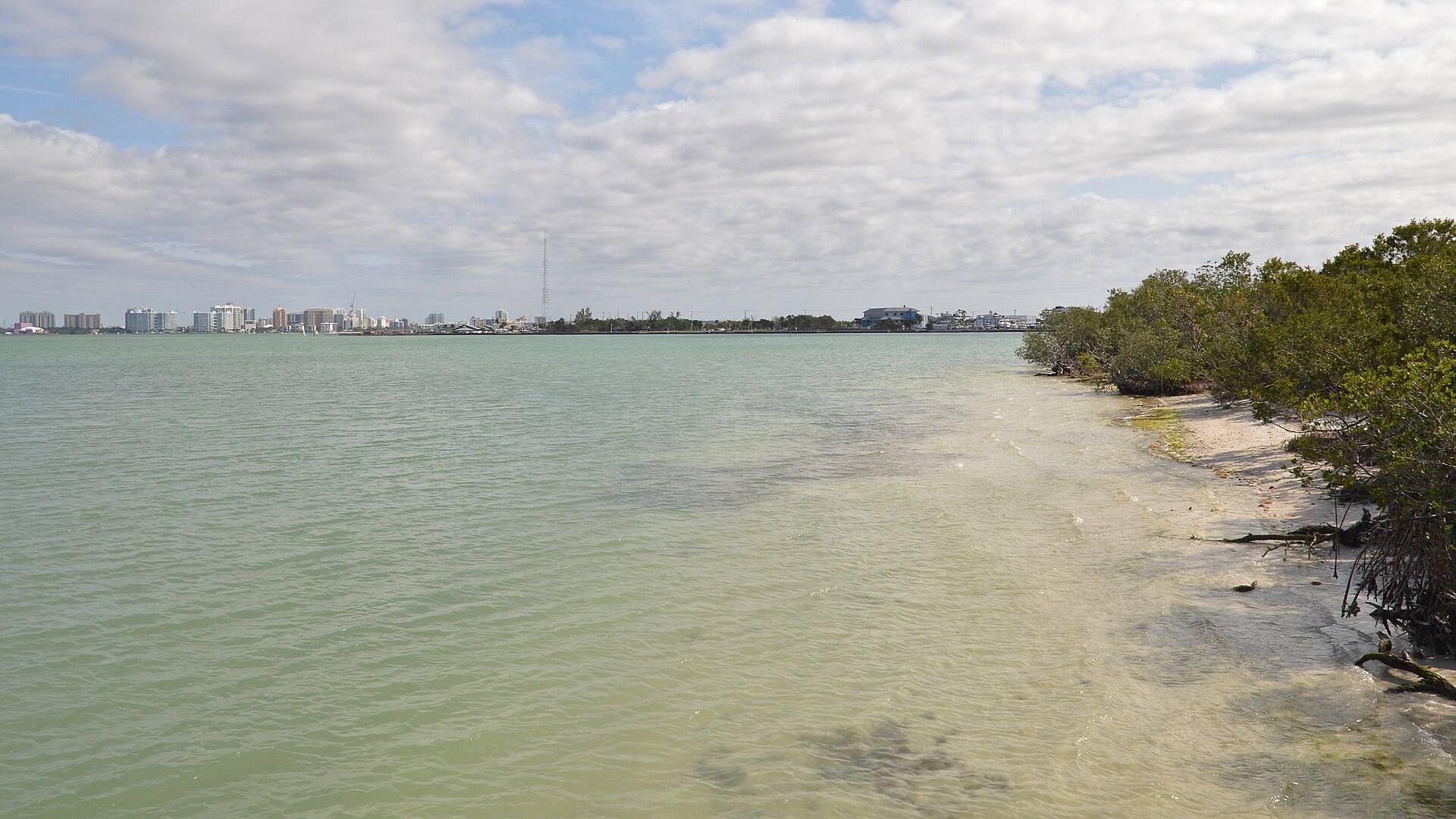
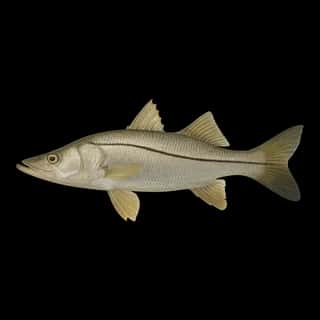
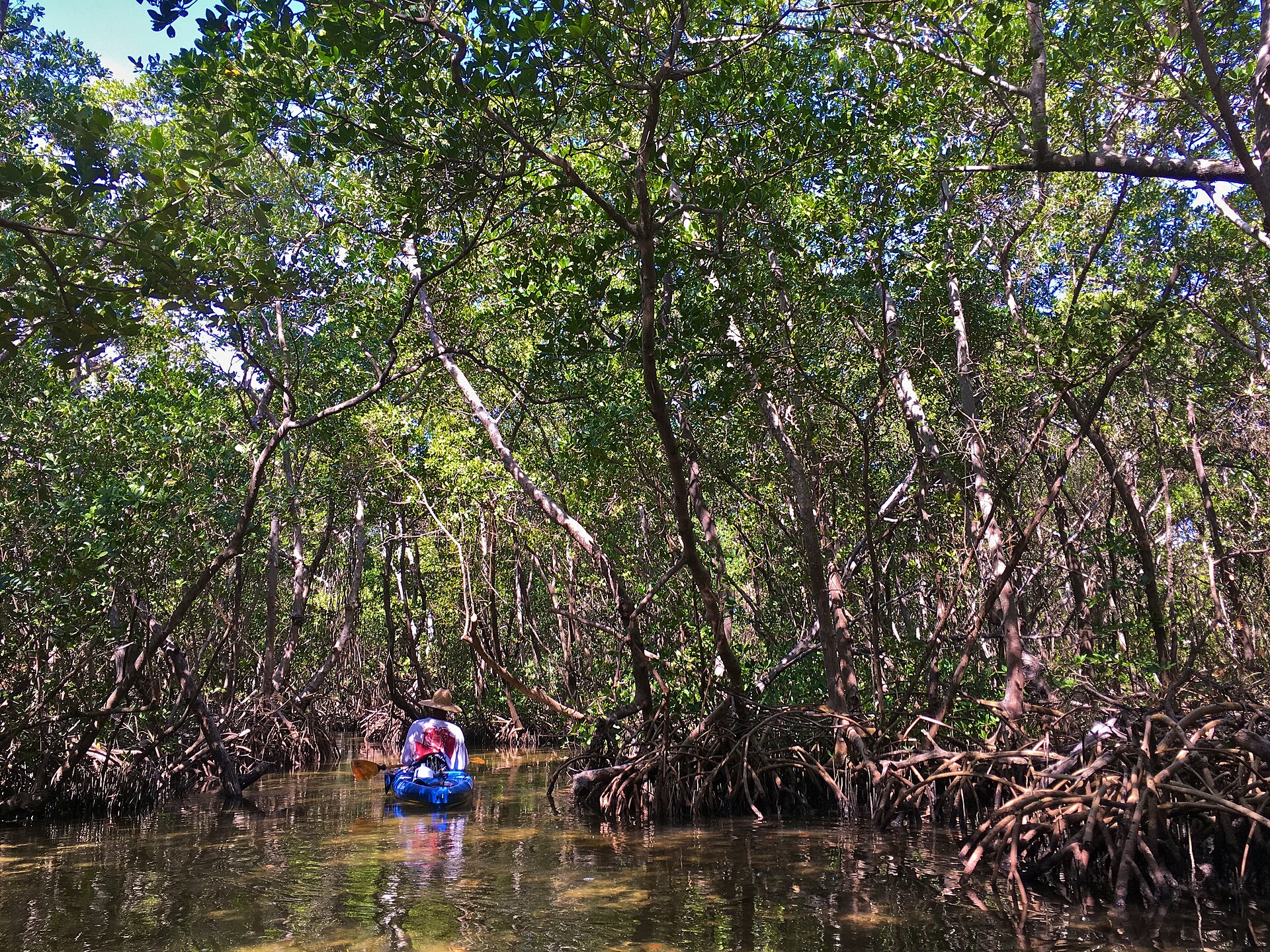
Common Snook: Target mangrove points, docks, and deeper drop-offs, especially near passes and creek mouths. Snook feed best at dawn and dusk, and the bite turns on with a strong tide. Use live mullet or pinfish, or throw topwater plugs and soft plastics. Early morning and late evening are best. The open season is March–April and September–November; all other months are catch-and-release only.
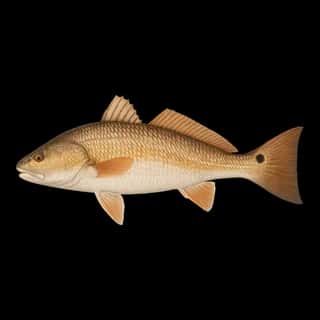
Red Drum (Redfish): Work the grass flats, mangrove edges, and sandy potholes. March through June is the top window, with good fishing in February, July, and August. Use popping corks with live shrimp or cut mullet, or soft plastics that mimic baitfish. Early and late in the day, especially on a rising or falling tide, are best.
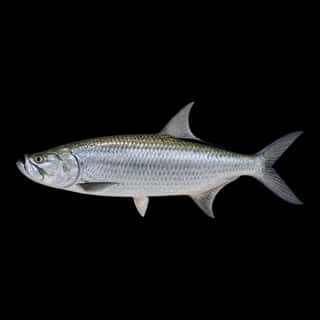
Tarpon: Tarpon feed at dawn and dusk, especially when baitfish are thick and the tide is moving. Use heavy spinning or baitcasting gear with live mullet or crabs, or large swimbaits. Early morning and late evening are prime. Tarpon over 40 inches must stay in the water—this is a catch-and-release fishery unless you’re pursuing a record with a tarpon tag.
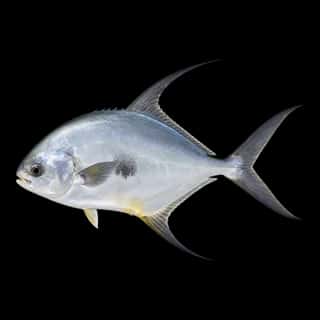
Permit: Target sandbars and shallow reefs, especially where crabs and shrimp are present. April through July is the main window, with good fishing in March and August as water runs. Permit feed throughout the day, but dawn and dusk are best. Use live crabs, shrimp, or small jigs on light tackle with a fluorocarbon leader. Look for them tailing on shallow flats or cruising the edges of bars.
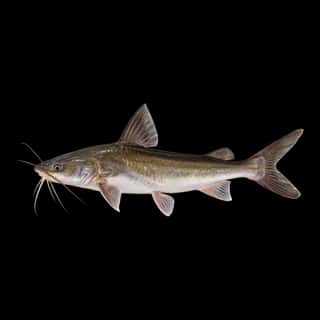
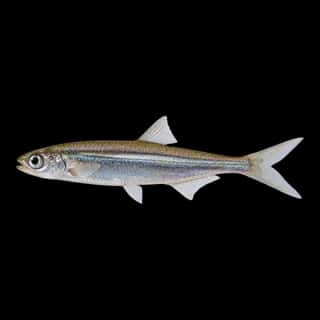
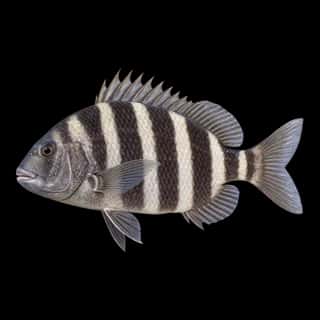
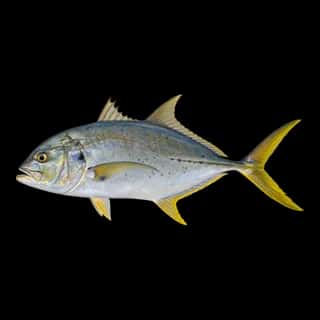
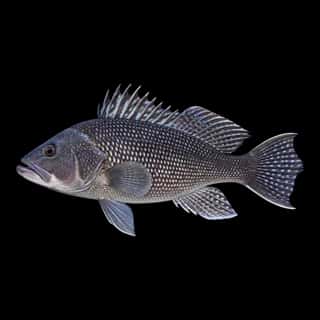
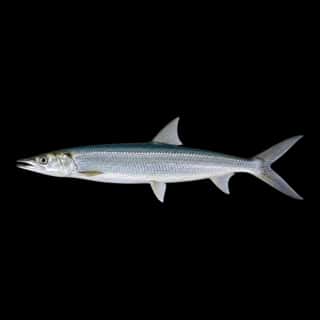
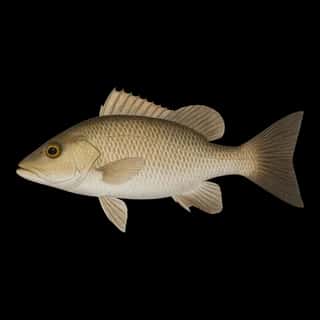
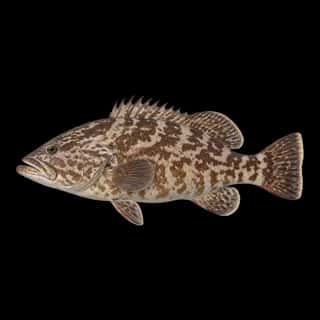
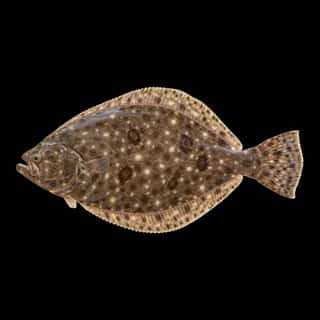
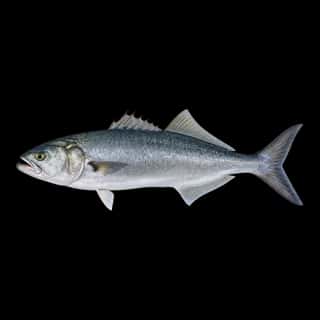
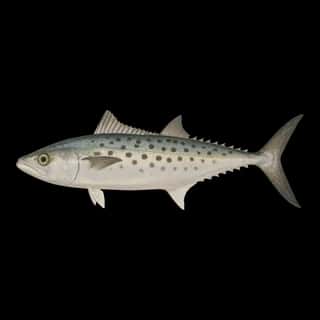
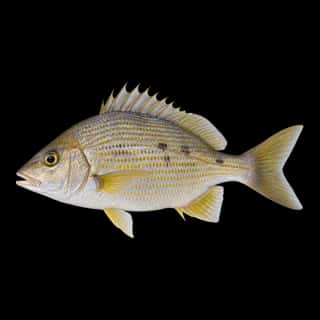
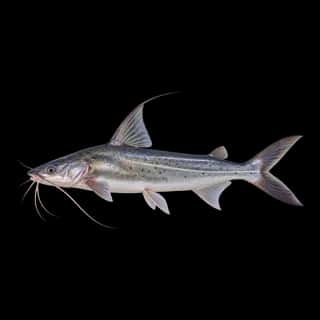
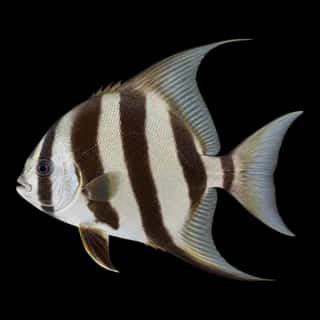
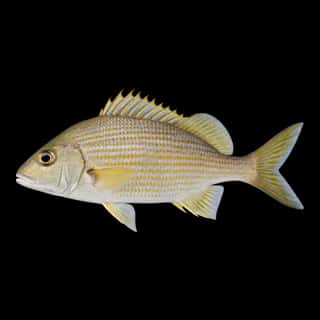
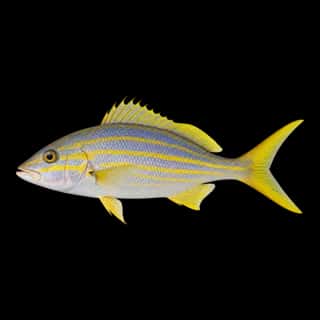
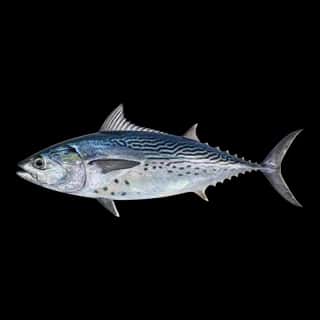
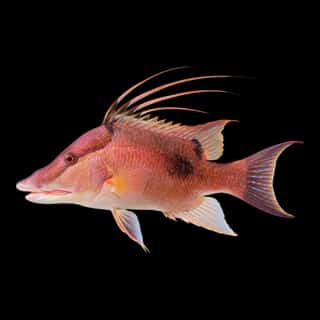
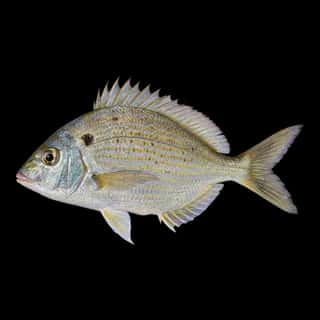
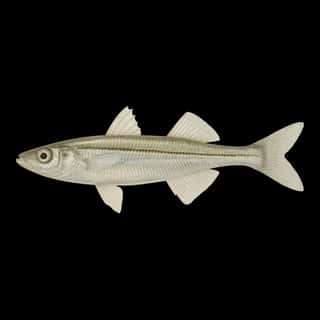
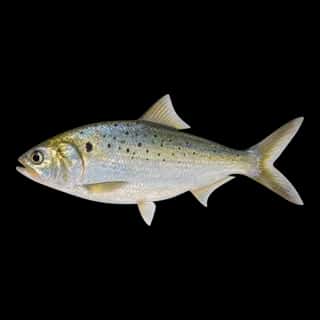
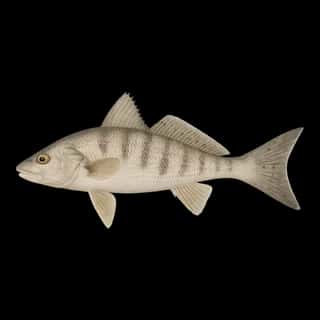
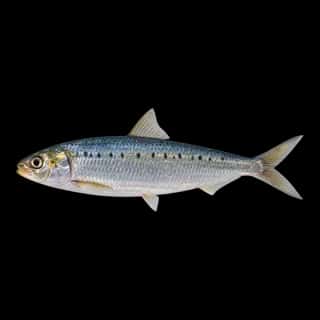
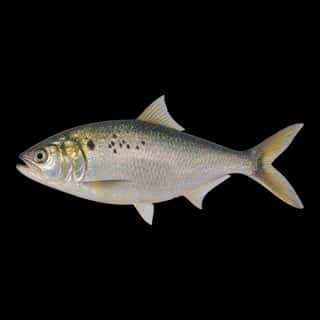
Other Species: Gray snapper, sheepshead, gag grouper (September only), Gulf flounder (open December 1–October 14), Spanish mackerel, bluefish, yellowtail snapper, hogfish, and black sea bass are all present. Ladyfish, jacks, catfish, grunts, spadefish, and kingfish show up as bycatch, especially when fishing live bait or jigs near structure.
Best Fishing Spots on Sarasota Bay
- Longbar Point: The grass flats and drop-offs here hold trout, redfish, and snook, especially on a moving tide. Fish the edge of the grass for trout and reds, and work the deeper cuts for snook.
- New Pass Channel: This deeper pass connects the bay to the Gulf and is a prime spot for snook, tarpon, and permit, especially during strong tidal flow. Fish the drop-offs and bridge pilings.
- Big Pass: Another Gulf connection, Big Pass is a go-to for tarpon in summer and for snook and reds on the edges. Fish the channel edges and sandbars on a falling tide.
- City Island Grass Flats: The flats east of City Island and Ken Thompson Park have thick grass beds that hold trout, redfish, and the occasional permit. Work the sand holes and grass edges.
- Whitaker Bayou and Hudson Bayou: These creeks and their mouths are good for snook and reds, especially after a rain or on a strong outgoing tide.
- Causeway Park and Bradenton Beach City Pier: Both offer shore and pier fishing for trout, reds, sheepshead, and snapper, especially when the tide is moving.
Structure, Depth, and How It Shapes the Fishing
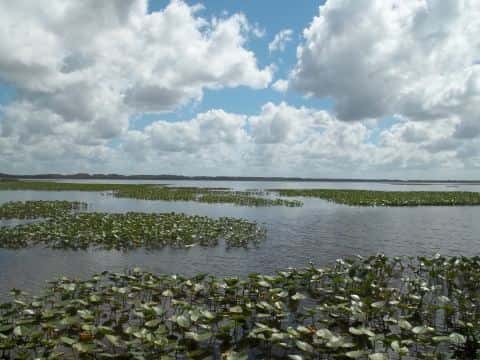
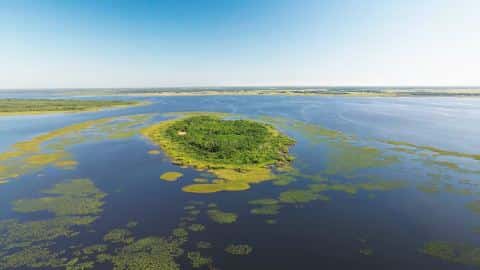
Sarasota Bay is shallow—over 95% is less than 2 feet deep at mean tide, with only a few channels and holes dropping to 13–41 feet. The main structure is seagrass, with about 9,300 acres mapped, and roughly four-fifths of it is continuous beds. Fish the edges and cuts of these grass beds for trout and reds; snook and tarpon use the deeper drop-offs and passes. Patchy grass holds fish in the sand holes, especially when the sun is high. Hard bottom and oyster bars are scattered but less common. The deeper channels near the passes and bridges are key in summer heat or after a cold front.
Season-by-Season Breakdown
- Winter (Dec–Feb): Trout and redfish stay active on sunny afternoons, especially on the grass flats near deeper water. Snook are less reliable—most are catch-and-release only until March, and cold snaps push them deep or under docks. Sheepshead and snapper bite well around structure. Tarpon are rare this time of year.
- Spring (Mar–May): This is the best window for trout, redfish, and snook. Fish move shallow to feed and spawn. Permit and tarpon start showing up as water warms. The grass flats and mangrove edges are loaded, and the bite is strong on moving tides at dawn and dusk.
- Summer (Jun–Aug): Tarpon fishing peaks, especially near the passes and deeper cuts. Snook and reds feed early and late, then move deeper or under shade. Afternoon storms are common—plan to fish early. Red tide risk rises late in summer, especially into fall.
- Fall (Sep–Nov): Snook and reds feed hard before the first cold fronts. Trout action is steady, and tarpon linger until water cools. Red tide risk is highest October–December—if blooms hit, move to the upper bay or fish the passes where water is cleaner.
How Tides and Conditions Affect the Fishing
Sarasota Bay has a 2.1-foot tide range, with most days seeing about 1.3 feet of movement. Moving water is key—fish feed best on a rising or falling tide, especially near passes, grass edges, and drop-offs. On slack tide, fish go sluggish and spread out. Water clarity averages 6.7 feet but can drop to 1.3 feet after storms or wind. Use darker or noisy lures when the water is stained, and switch to natural colors when it’s clear. The most recent reading (September 2025) showed water at 85°F and clarity at 5.2 feet—warmer and a bit dirtier than average.
Shore and Boat Access
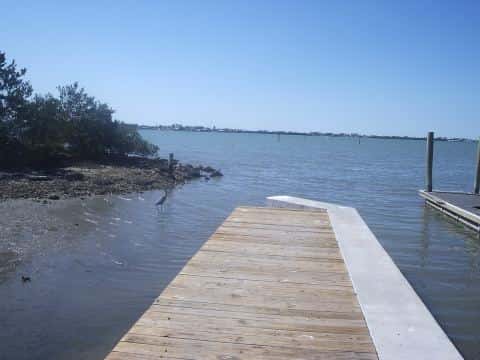
You can fish Sarasota Bay from shore, piers, kayak, or boat. There are eight public piers, including Bradenton Beach City Pier, Causeway Park, Heron's Landing, Joan M. Durante Community Park, Linley Street, Longboat Key Historic Marker, Van Wezel Performing Arts Hall, and Whitaker Gateway Park. These piers offer good action for trout, reds, sheepshead, and snapper, especially on moving tides.
For boaters, the main ramps are Sarasota Centennial Park (6 lanes, paved, 77 trailer spaces, flush restrooms, open scheduled hours) and Ken Thompson Park (5 lanes, paved, 30 trailer spaces, flush restrooms, open 24/7). Both are concrete, have docks, and are the best choice for trailered boats. Smaller ramps and kayak launches are scattered around the bay, including Ted Sperling South Lido Beach, Longboat Key Bayfront Park, and several sand launches for paddlecraft. Most ramps have unpaved but firm parking. Coquina Beach Boat Ramp North (2 lanes, paid, 20 trailer spaces) is another option on the north end.
The bay is shallow, so watch for grass, sandbars, and sudden drop-offs—especially on a low tide. Wind can build a steep chop fast, making open water rough for small boats.
Regulations
- Spotted Seatrout: Slot 15–19 inches total length. Three fish per person per day. One fish over 19 inches per vessel (or per person from shore), included in the bag. Open year-round. Must remain whole until landed. For-hire captain and crew may not keep a bag limit.
- Common Snook: Slot 28–33 inches total length. One fish per person per day. Snook permit and recreational fishing license required. Closed December 1–end of February and May 1–August 31. Open March–April and September–November. Must remain whole until landed. No commercial harvest or sale.
- Red Drum: Slot 18–27 inches total length. One fish per person, two per vessel. Open year-round. Bag limits apply at docks and parking lots. Four fish per person transport limit away from the water.
- Tarpon: Catch-and-release only. No minimum size. Tarpon over 40 inches must stay in the water unless pursuing a record with a tarpon tag (one per person per year). No open harvest season.
- Permit: Slot 11–22 inches fork length, with one over 22 inches per person (max two per vessel). Two per person per day. Open year-round. Special rules apply in Biscayne National Park (not here).
- Gray Snapper: Minimum 10 inches total length. Five per person within the 10-snapper aggregate. Open year-round.
- Sheepshead: Minimum 12 inches total length. Eight per person per day. 50 per vessel in March and April. Open year-round.
- Gag Grouper: Minimum 24 inches total length. Two per person within the four-grouper aggregate. State Reef Fish Angler designation required. Open September 1–30, 2026 only; closed all other months. FWC sets season annually—confirm current dates before booking.
- Gulf Flounder: Minimum 14 inches total length. Five per person per day. Closed October 15–November 30 each year. Open December 1–October 14.
- Black Sea Bass: Minimum 10 inches total length. 100 pounds per person per day.
- Spanish Mackerel: Minimum 12 inches fork length. 15 per person per day. Open year-round.
- Bluefish: Minimum 12 inches fork length. 10 per person per day.
- Yellowtail Snapper: Minimum 12 inches total length. Up to 10 per person within the 10-snapper aggregate. State Reef Fish Angler designation required. Open year-round.
- Hogfish: Minimum 14 inches fork length. Five per person per day. State Reef Fish Angler designation required. Open year-round.
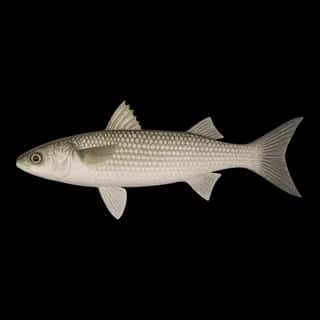
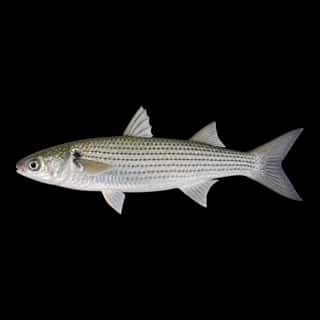
- Mullet (all species): No minimum size. 50 per person per day. Vessel limit 50 fish from September 1–January 31.
A Florida recreational saltwater fishing license is required for all anglers, including non-residents. Separate freshwater and saltwater licenses are issued. Some species require a free permit or designation—snook, tarpon (if pursuing a record), and reef fish (grouper, snapper, hogfish, yellowtail). Buy your license before you leave home. Regulations can change, so anglers should verify the current rules with the Florida Fish and Wildlife Conservation Commission before fishing.
Trip Logistics: Getting on the Water
The nearest city with services is Sarasota, 6.2 miles from the bay. Sarasota-Bradenton International Airport (SRQ) is 4 miles away, with Tampa and St. Pete-Clearwater airports about 40 and 37 miles out. The main ramps are Ken Thompson Park (5 lanes, always open, flush restrooms, 30 trailer spaces) and Sarasota Centennial Park (6 lanes, scheduled hours, flush restrooms, 77 trailer spaces). Smaller ramps and kayak launches are scattered around the bay.
Live bait (shrimp, pinfish, mullet) is available at tackle shops in Sarasota and Bradenton. Wild shiners and crabs should be reserved ahead if you want them for tarpon or permit. Lodging options include hotels in Sarasota, RV parks, and vacation rentals near the bay. There are eight public piers for shore anglers, and several parks with parking and restrooms. Book lodging and any bait reservations early for the March–June peak.
Ecology, Water Quality, and Red Tide
Sarasota Bay is dominated by seagrass—about 9,300 acres, mostly continuous beds. Water clarity averages 6.7 feet but can swing from 1.3 to nearly 14 feet depending on wind and runoff. The water temperature runs from in winter in summer. Red tide (Karenia brevis) is a regular risk, with blooms in 9 of the past 12 years, peaking October–December. When cell counts go over 100,000 per liter, fish kills are likely; 10,000–100,000 brings breathing irritation but fish are still present. If red tide hits, move to the upper bay or fish the passes where water is cleaner. The most recent water reading (September 2025) was 85°F and 5.2 feet clarity—warmer and a bit dirtier than average.
What’s Hard About Fishing Sarasota Bay
Nearly all of Sarasota Bay is shallow—over 95% is less than 2 feet deep—so running aground is easy on a low tide, especially if you’re new here. Wind can build a steep chop fast, making open water rough for small boats. Red tide is a real risk in fall, and when it blooms, fishing can shut down for weeks. Crowds pick up on weekends and during spring break, and the main ramps can fill early. The fishery is wild—no stocking—so a bad spawn or a hard freeze can hurt the bite for years.
Safety
If you’re wading the grass flats, shuffle your feet—stingrays are common, especially in summer. Afternoon storms and lightning are a real hazard from June through September, so plan to fish early and keep an eye on the sky. The shallow water and soft bottom make it easy to run aground on a low tide, so carry a current chart and watch the tide station at Whitfield Estates. Boat traffic can be heavy near the passes and bridges—stay alert.
Pros and Cons
- Pros:
- Year-round fishing for snook, trout, reds, tarpon, permit
- 9,278 acres of seagrass flats
- 8 public piers, 2 main ramps with good parking
- Easy access from Sarasota and SRQ airport
- Cons:
- Very shallow—easy to run aground
- Red tide risk October–December
- Wind can make open water rough fast
Final Verdict
Sarasota Bay is a top pick for anglers who want steady action for snook, trout, redfish, and tarpon on big grass flats, with easy access and plenty of shore options. The best fishing is March through June, but you can catch fish year-round if you watch the tides and weather. Bring your own boat or kayak, and plan for shallow water and the risk of red tide in fall. If you want a quieter, more grass-heavy bay than Tampa Bay, with less boat traffic and more shore access, Sarasota Bay is the place to go.