How to recognise it
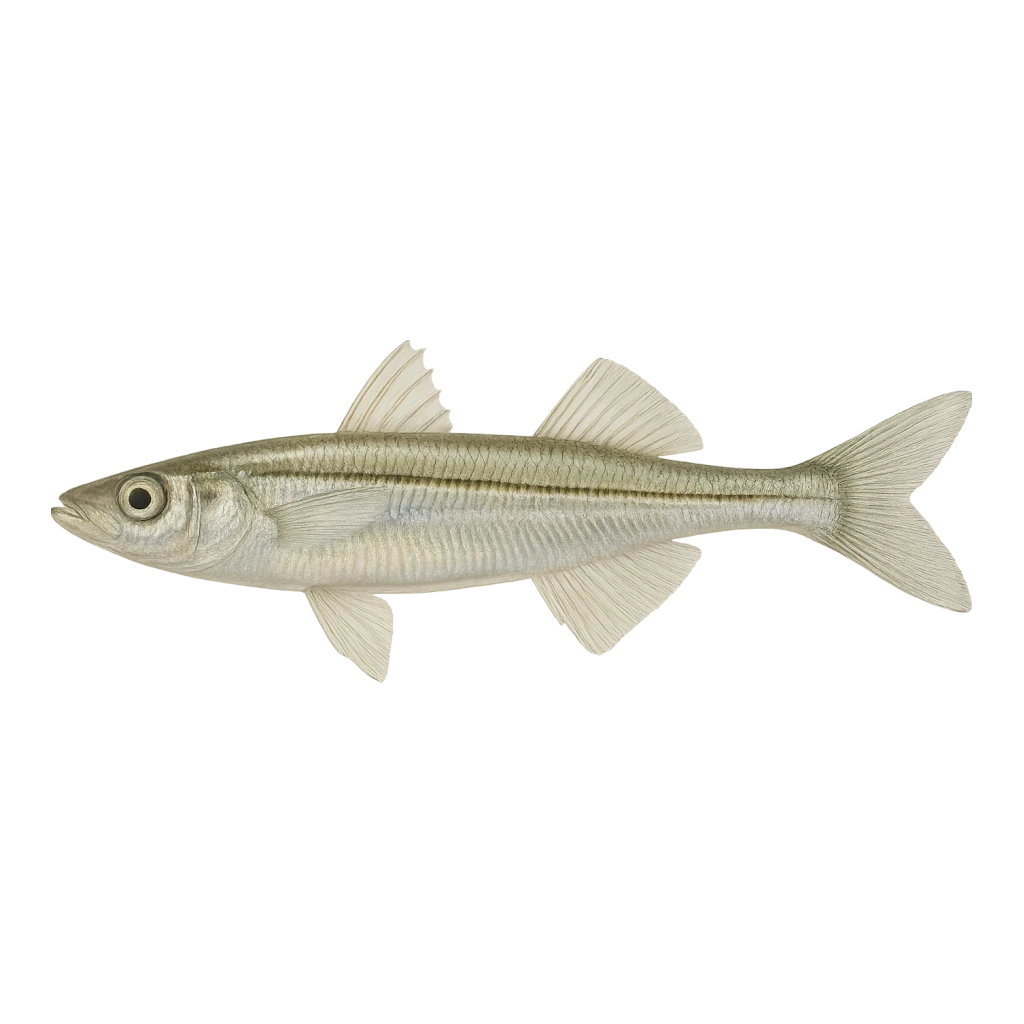
The Inland Silverside (Menidia beryllina) is a small fish, typically measuring 3 to 6 inches in length. It has a slender, elongated body with a distinctive silver stripe running along each side. The back is a greenish or bluish color, while the belly is silvery-white. The fins are generally transparent, with the dorsal fin located near the middle of the body. The mouth is small and slightly upturned, adapted for feeding on small prey.
This species is often confused with the Atlantic Silverside (Menidia menidia). The key detail that separates them is the Inland Silverside's more pronounced silver stripe and slightly smaller size.
Where it lives
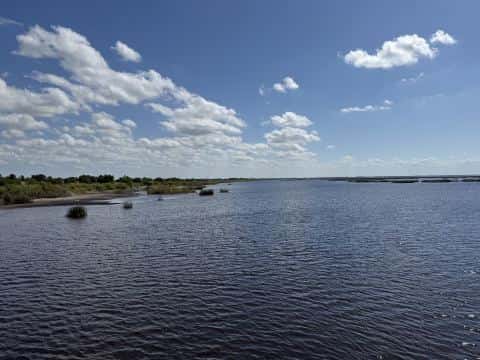
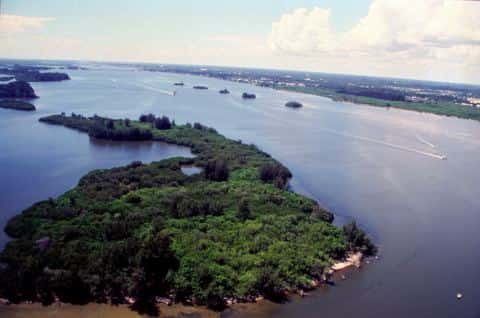
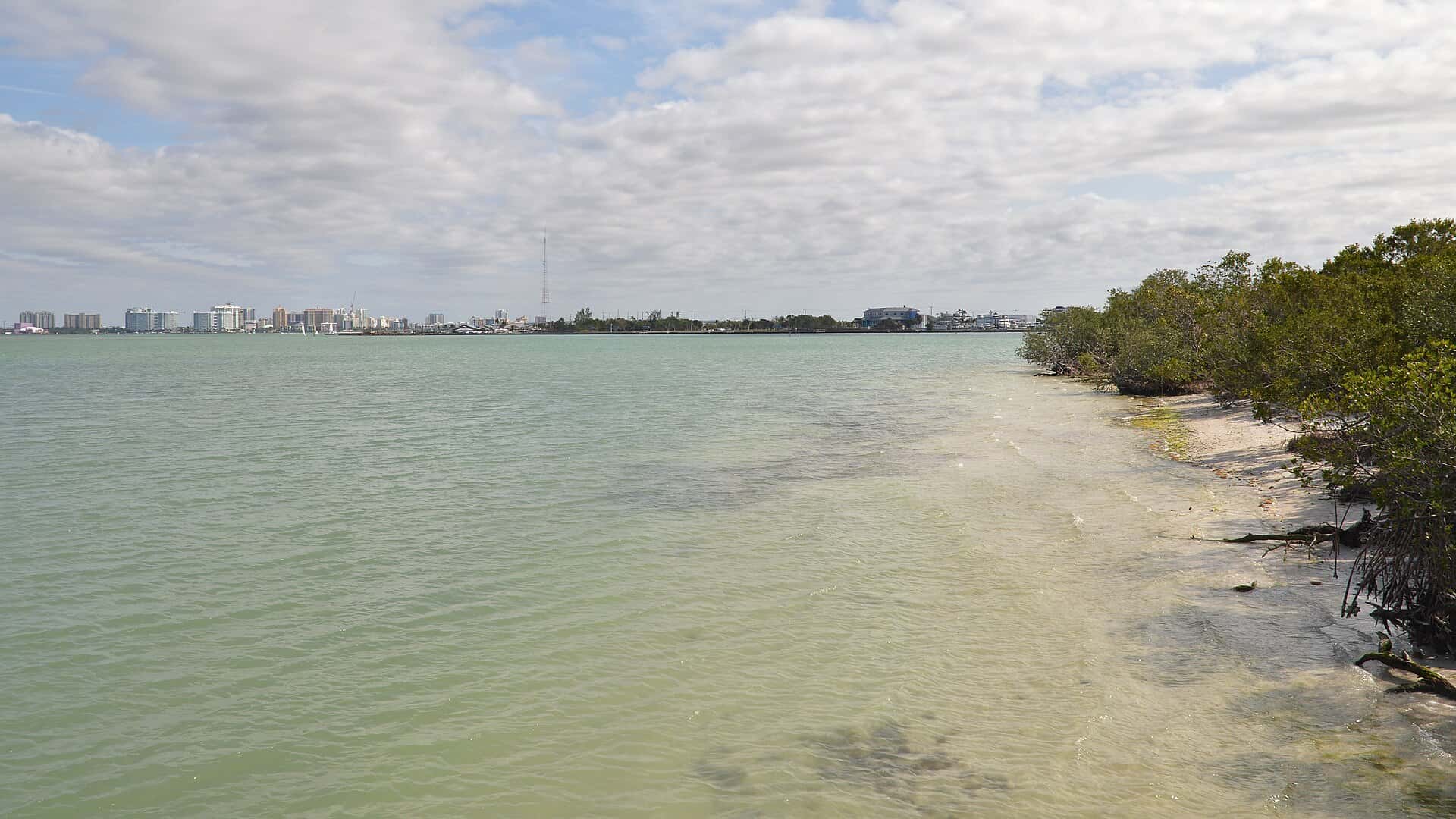
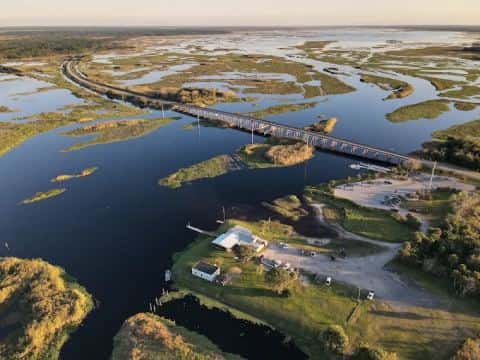
The Inland Silverside is primarily found in the eastern and central United States. Its range extends from the Great Lakes region down to the Gulf of Mexico. This species inhabits freshwater environments such as lakes, ponds, and rivers, often preferring shallow waters with abundant vegetation.
In terms of depth, Inland Silversides are typically found in waters ranging from 1 to 10 feet deep. They seek cover in areas with submerged plants, rocks, or other structures. During the warmer months, they may move into shallower areas, while in colder months, they tend to retreat to slightly deeper waters.
When it bites
The Inland Silverside is most active from late spring through early fall. The ideal water temperature for fishing is between 65 and 80 degrees F. They are more likely to bite during the early morning and late evening hours, when light levels are lower.
Weather conditions can influence their feeding behavior. A passing front may trigger increased activity, while strong winds can make them more skittish. A full moon often leads to heightened feeding activity, making it a good time for anglers to target them.
How to catch it
To catch Inland Silversides, anglers can use light tackle rigs. A simple float rig with a small hook (size 8 to 12) and a light line (2 to 6-pound test) works well. Baits such as small worms, maggots, or tiny minnows are effective. For lures, try using small spinners or jigs in bright colors like chartreuse or white, typically in sizes 1/16 to 1/8 ounce.
Cast near structures or vegetation where the fish are likely to be hiding. Retrieve the bait or lure slowly, allowing it to mimic the movement of natural prey. Keep an eye on the water surface for signs of feeding activity, such as jumping fish or surface disturbances.
Size, age and the table
Anglers typically encounter Inland Silversides ranging from 3 to 6 inches in length. A trophy Inland Silverside is considered to be over 7 inches. These fish grow quickly, reaching maturity in about one year and can live up to three years in the wild.
Inland Silversides are edible, though they are often considered a secondary catch. They have a mild flavor and are best prepared fresh. When handling them, use wet hands to minimize damage to their skin. For catch and release, gently remove the hook and return them to the water quickly to ensure their survival.