Newnans Lake Fishing Guide: Largemouth Bass, Black Crappie, Bluegill & Best Spots
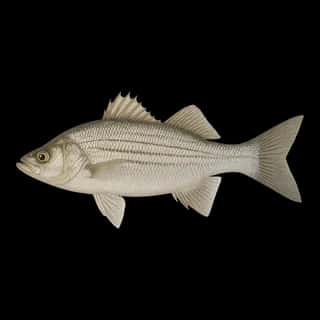
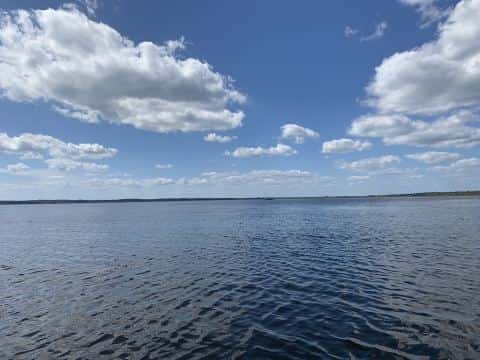
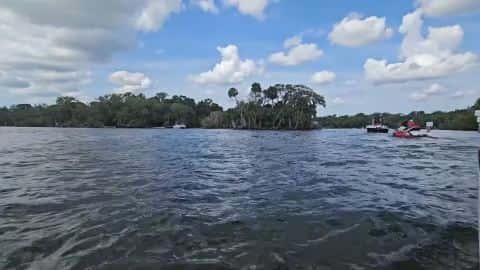
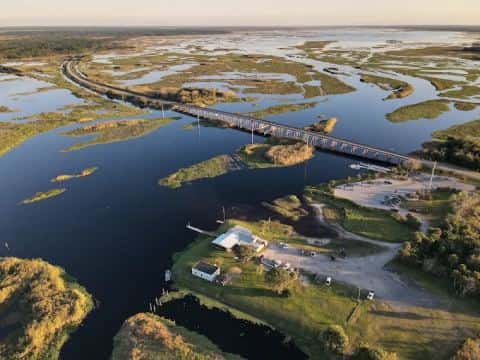
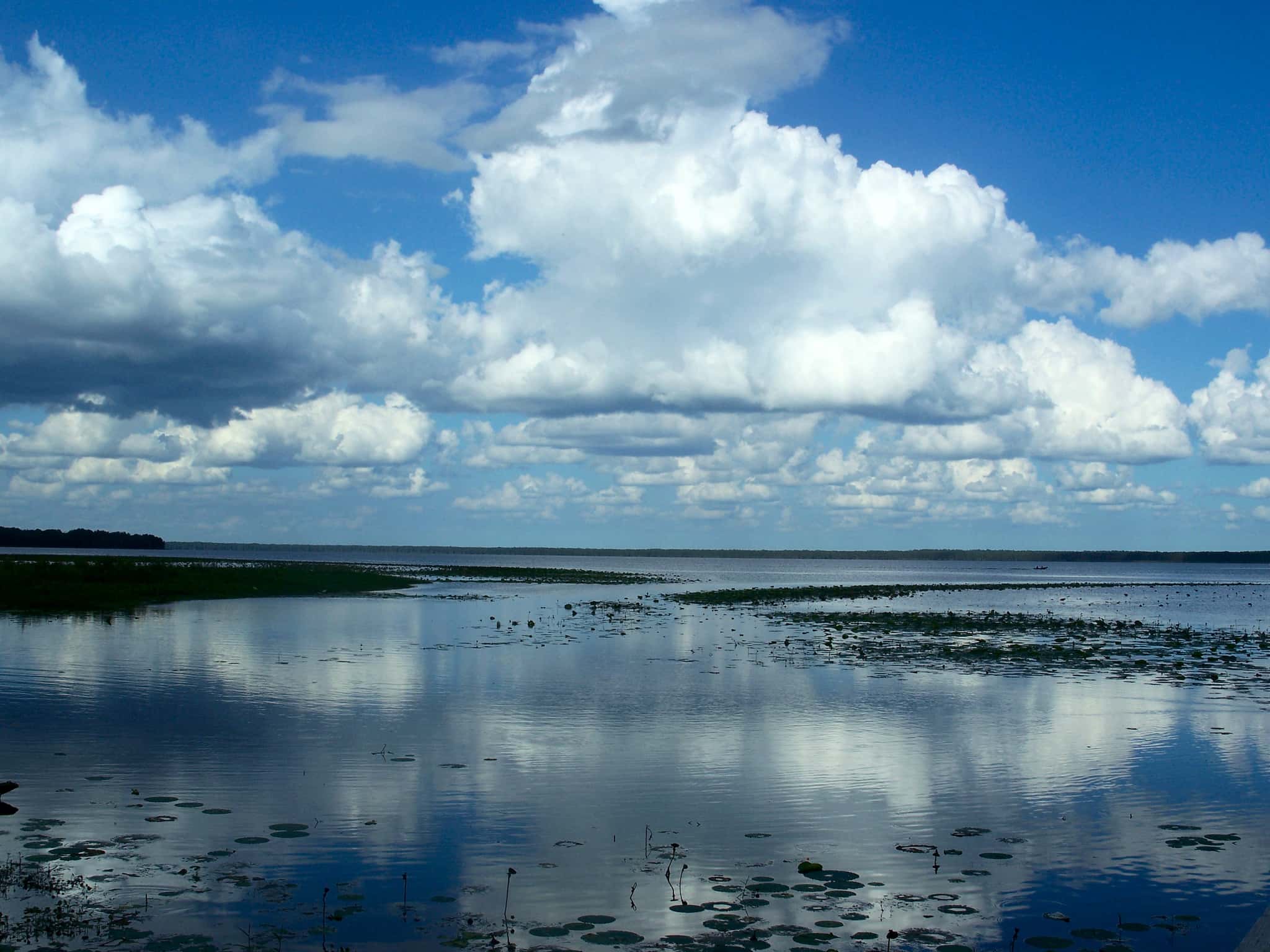
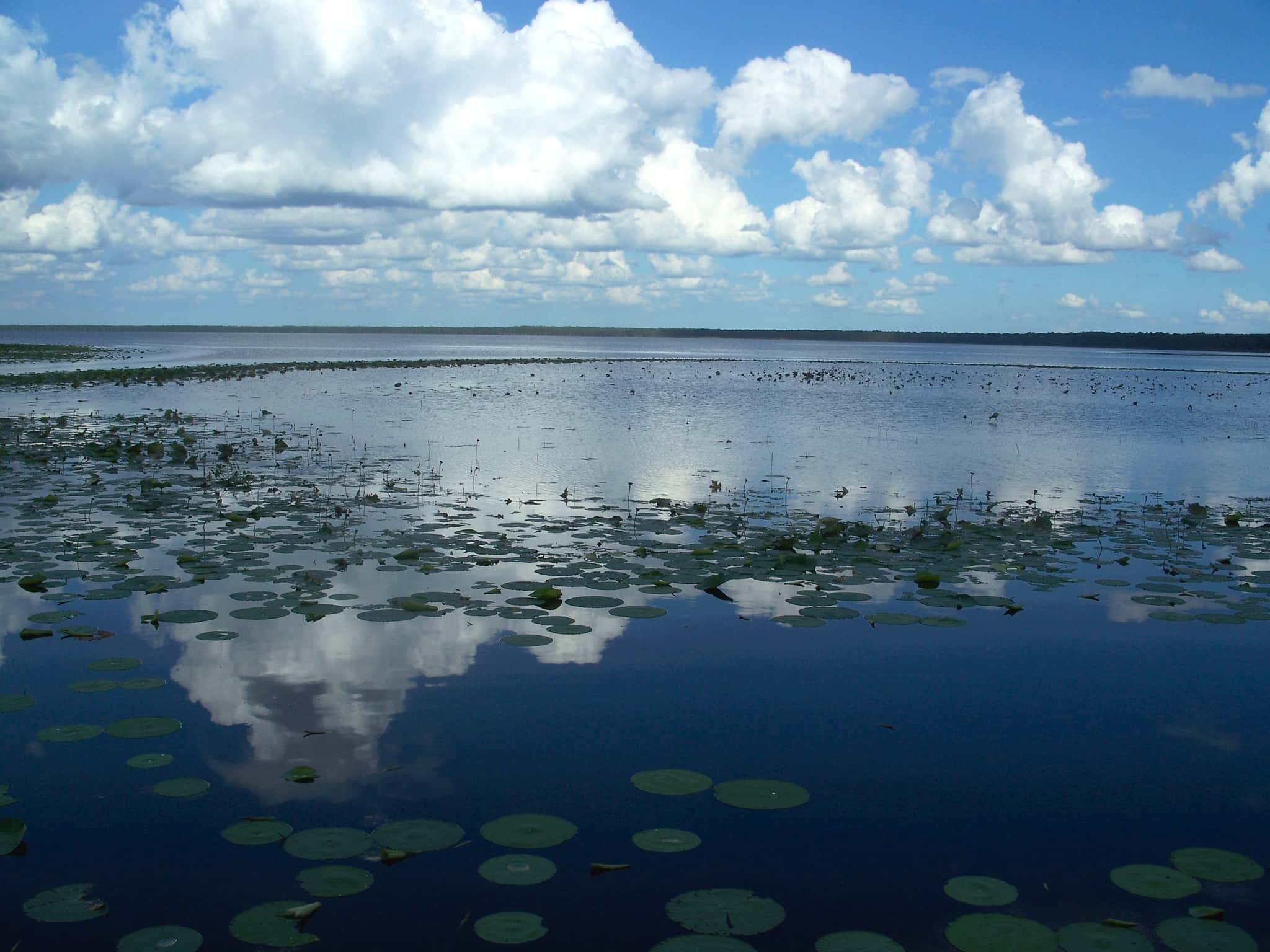
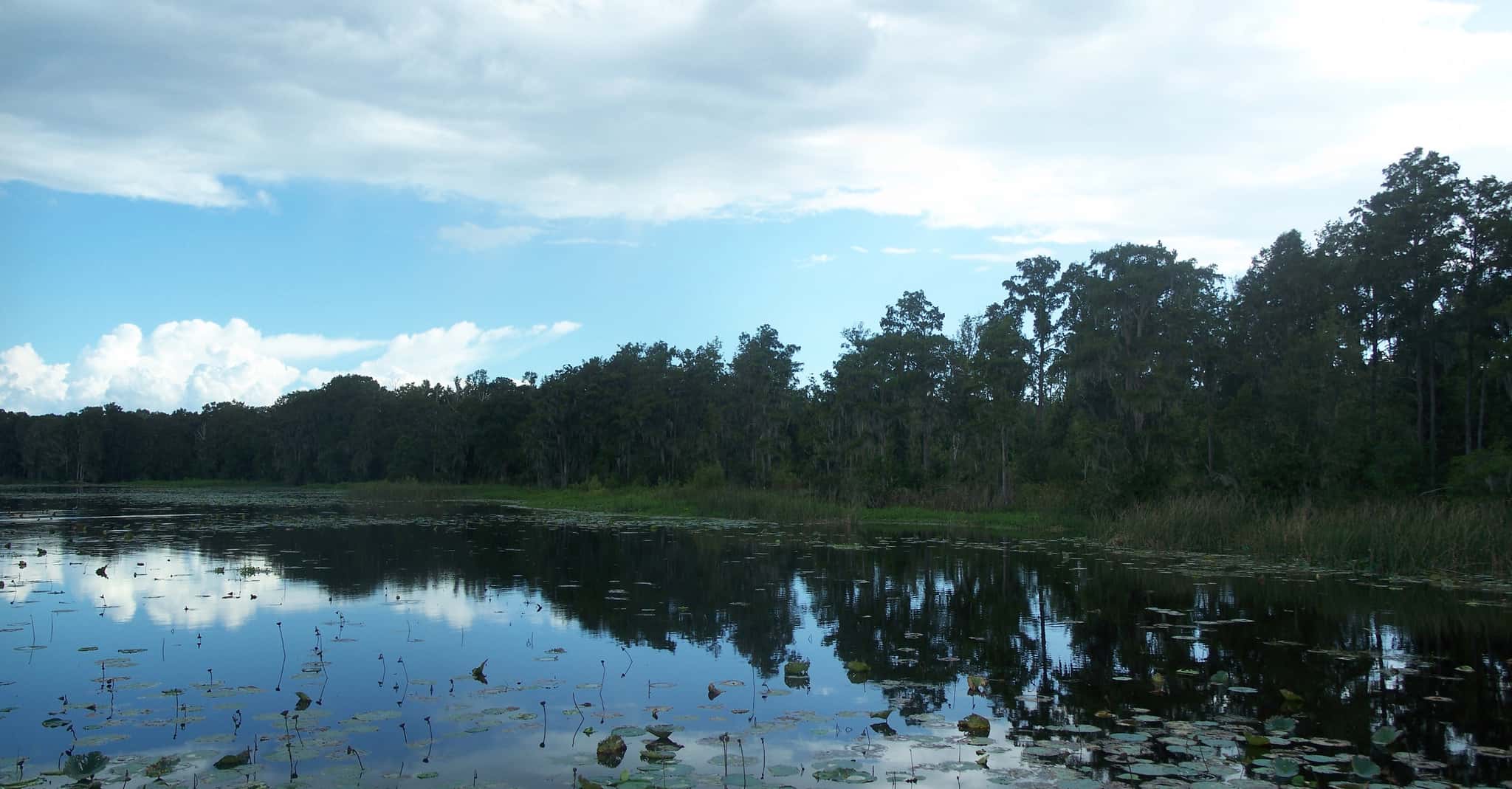
Newnans Lake is a 5,974-acre shallow natural lake just east of Gainesville, Florida. It’s a classic North Florida fishery with largemouth bass, black crappie (“specks”), bluegill, redear sunfish, channel and white catfish, and several other sunfish species. The best fishing runs from March through June, with strong bites for bass, crappie, and panfish. You’ll want a boat for most of the lake, but there’s some bank and kayak access at Palm Point Park. Start your trip at Earl P. Powers Park Boat Ramp if water levels allow—otherwise, check Palm Point for bank fishing or kayak launching. Fish attractors are maintained by FWC and are a good place to start for crappie and bluegill.
Why Fish Newnans Lake?
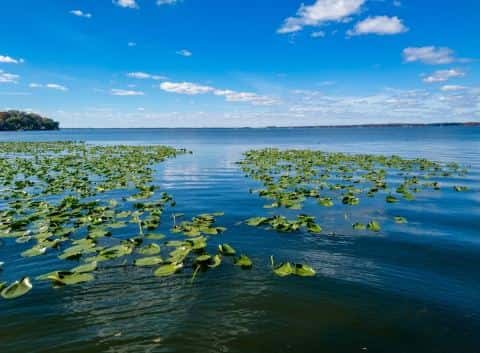
Newnans Lake is a productive, shallow lake with a soft bottom, abundant vegetation, and plenty of structure for bass and panfish. It’s less crowded than nearby Orange Lake and Lochloosa, but still close to Gainesville for supplies and lodging. The lake is managed as a Fish Management Area, with regular stocking and habitat improvements. If you’re after trophy bass, the lake has produced fish over 10 pounds, and the panfish bite can be excellent in spring and early summer.
How Newnans Compares to Orange Lake and Lochloosa
Anglers often compare Newnans Lake to Orange Lake and Lochloosa Lake, both within 20 miles. Orange Lake is bigger and deeper, with more vegetation and a reputation for giant bass and crappie, but it also draws more pressure and can be tough when water levels drop. Lochloosa is known for consistent panfish action and good bass numbers, but it’s smaller and can get crowded on weekends. Newnans offers easier access from Gainesville, less competition for spots, and a strong spring bite, but water levels can make launching tricky in dry years. If you want a quieter trip with solid fishing close to town, Newnans is a good bet.
Target Species and How to Fish Them
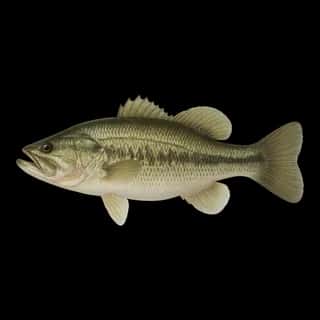
Largemouth Bass
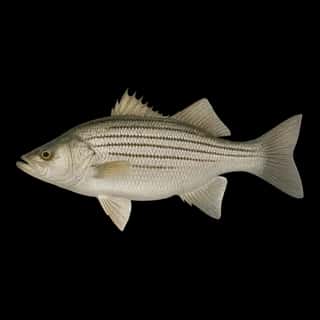
Bass fishing on Newnans Lake centers around shallow cover—look for weed edges, fallen trees, and any submerged brush. The best months are January, February, July, and August, with good action in March, June, and September. Bass are most active when water temperatures run, which lines up with spring and summer. Changes in water temperature and light levels drive the bite, so early and late in the day are prime. Throw plastic worms (Texas rig), crankbaits, or spinnerbaits into shallow cover, especially near the west and north shores where structure is thickest. Dawn and dusk are best, but bass will feed throughout the day if the weather is stable.
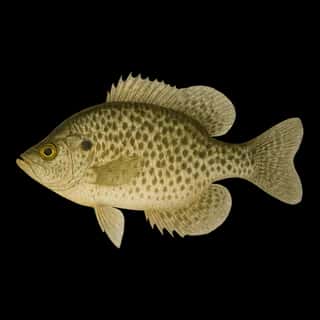
Black Crappie (“Specks”)
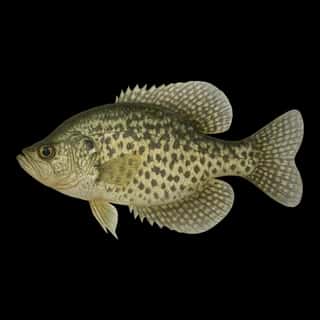
Crappie are a main draw in spring—April, May, and June are peak, with good fishing in March and July. Crappie stack up around submerged brush, fish attractors, and shallow areas during the spawn. Use light tackle with slip bobbers and live minnows or bright jigs. Target the FWC-maintained fish attractors, which are marked on the lake, and brush piles near the east shore. Early morning and late afternoon are best, but they’ll bite through the day when the water is warm.
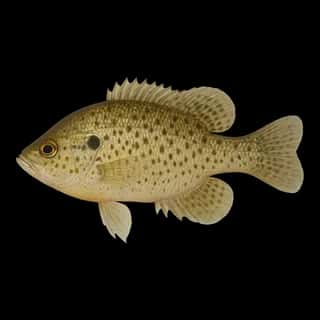
Bluegill
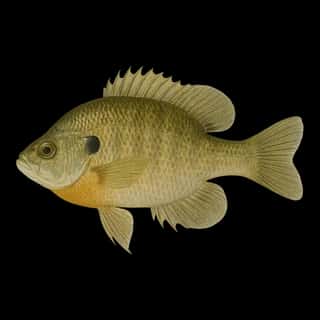
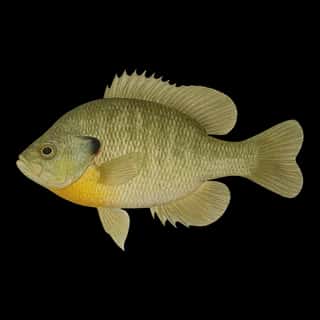
Bluegill action heats up from March through August, especially when the water is 70–85°F. They’re most active at dawn and dusk but will feed all day in the right conditions. Fish near weed beds, fallen trees, and docks with worms or crickets under a bobber. The north and west shores, where vegetation is thickest, are good bets. Bluegill bed in colonies in shallow water in late spring and early summer—look for sandy patches or clearings near the bank.
Redear Sunfish (“Shellcracker”)
Redear sunfish peak in May and June, with good fishing from March through August. They like similar cover to bluegill but often feed deeper or closer to the bottom. Use red wigglers, crickets, or small jigs near submerged logs or vegetation. Early morning and late afternoon are best.
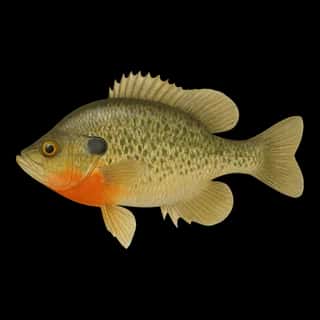
Warmouth, Redbreast, Spotted, and Flier Sunfish
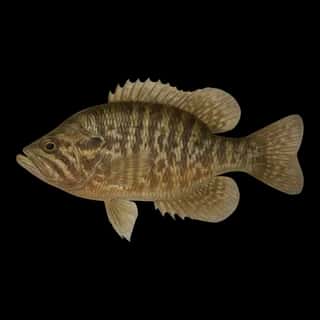
These sunfish are common bycatch when fishing for bluegill or redear. They hold near submerged wood, rocks, and thick vegetation, especially in spring and summer. Use worms, crickets, or small jigs on light tackle.
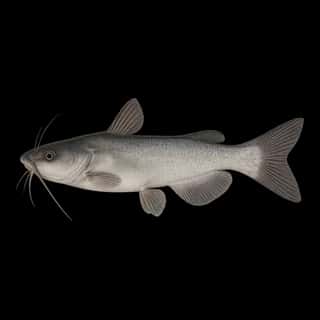
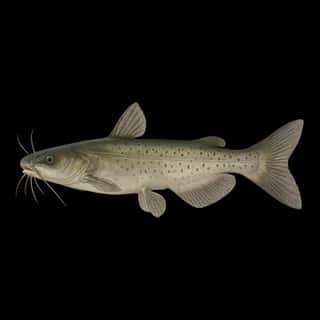
Channel and White Catfish
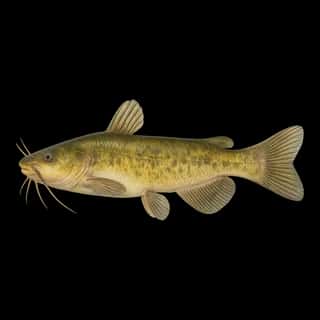
Catfish action is best from May through September, especially at night or on overcast days. Fish sit near bottom structure—fallen trees, rocks, or deep pockets. Use chicken liver, nightcrawlers, or cut bait on a slip sinker rig. The Palm Point Park area is a good spot for bank fishing catfish when water levels are low.
Bycatch
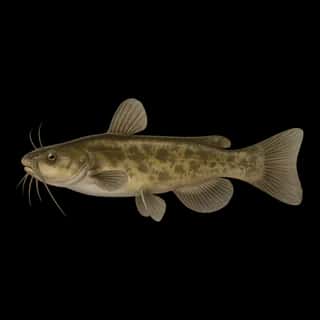
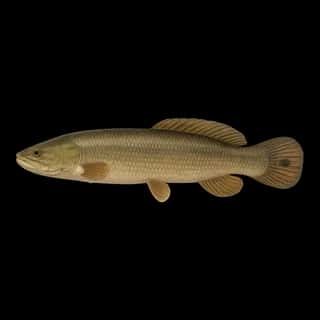
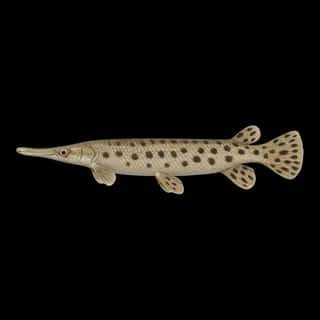
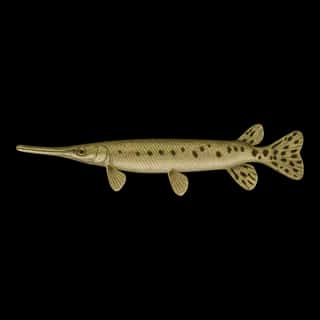
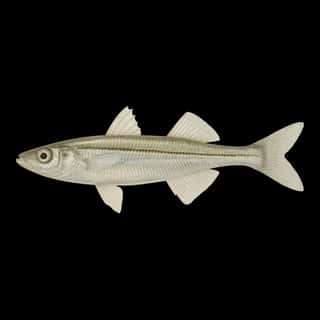
You’ll also pick up bowfin, brown bullhead, and Florida gar while fishing for other species, especially on live or cut bait near cover.
Where to Fish: Spots, Structure, and Depth
- FWC Fish Attractors: These are marked on the lake and hold crappie, bluegill, and bass year-round. Start here if you’re new to the lake.
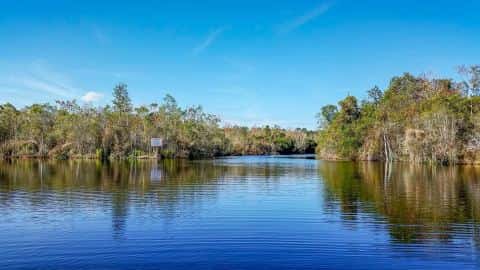
- West Shore: The west side has the thickest vegetation and plenty of fallen timber. Bass and panfish stack up here, especially in spring.
- North Shore: Shallow flats and brush piles draw bluegill and redear during the spawn. Look for bedding activity in late spring.
- Palm Point Park: When water is low, this is the best spot for bank fishing catfish and panfish. Limited parking, but easy access for kayaks.
- Creek Mouths: The mouths of Hatchett Creek and Little Hatchett Creek bring in cooler water and baitfish, drawing bass and crappie, especially after rain.
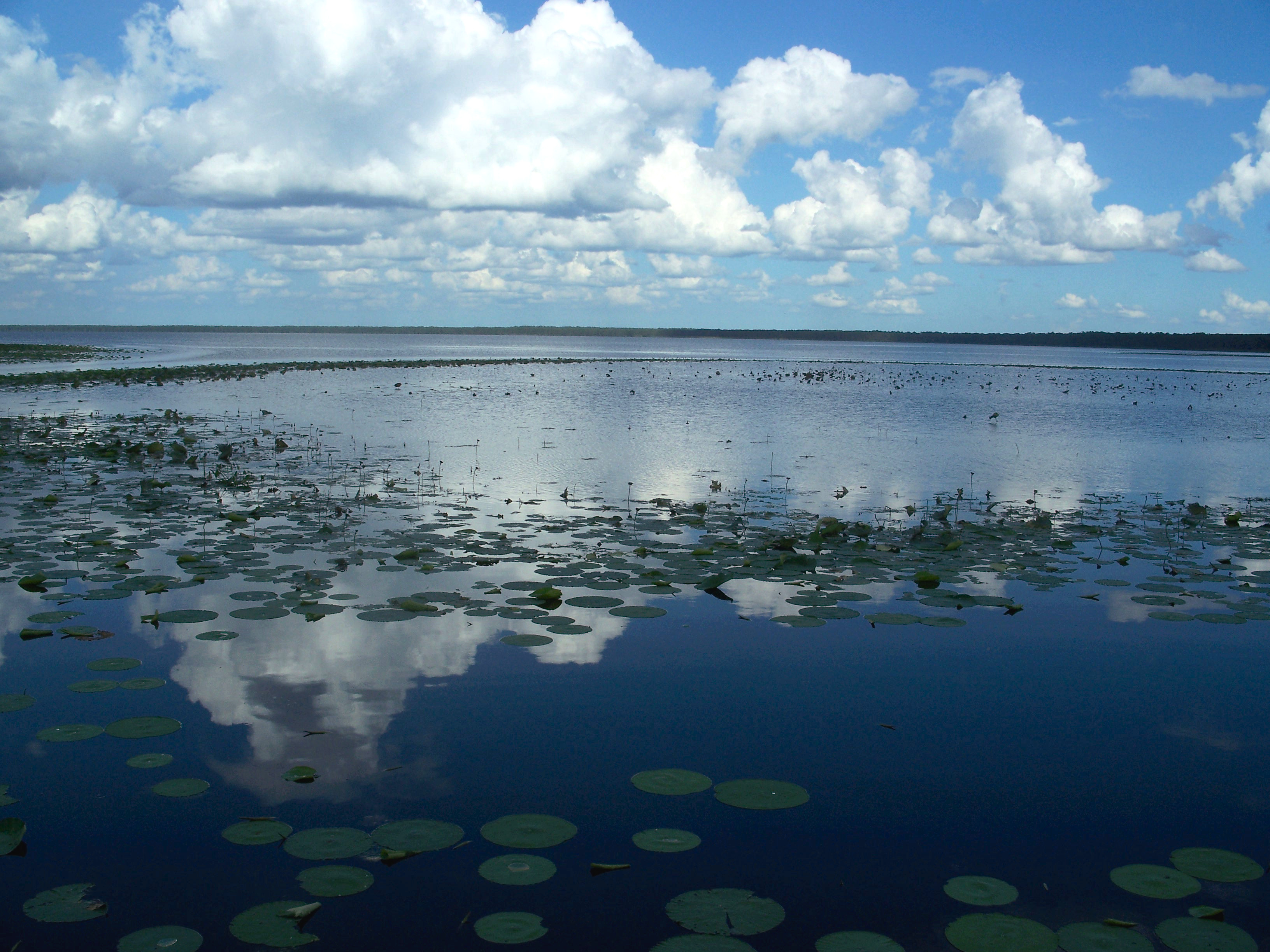
The lake is shallow overall, averaging under 5 feet deep, with a soft, mucky bottom. Most fish relate to cover—fallen trees, brush, and weed beds—rather than depth changes. Water clarity can swing from less than a foot to over 8 feet, so adjust lure color and presentation to the conditions.
Season-by-Season Breakdown
- Winter (Dec–Feb, 60–63°F): Bass start staging for the spawn in shallow cover, but the bite is slower. Crappie can be caught around deeper brush and attractors. Bluegill and sunfish are sluggish but catchable on warm days. Catfish action is slow.
- Spring (Mar–May, 72–74°F): This is the best window for bass, crappie, bluegill, and redear. Fish move shallow to spawn, and the bite is strong on live bait and soft plastics. Water levels are usually good for boat access, but check ramp status before you go.
- Summer (Jun–Aug, 82–85°F): Bluegill and redear bed in colonies, and catfish feed heavily at night. Bass chase baitfish along weed edges early and late. Water levels can drop, making some ramps unusable—bank and kayak access at Palm Point may be your only option.
- Fall (Sep–Nov, 74°F in October): The bite slows as water cools, but bass and crappie are still catchable around structure. Bluegill and sunfish taper off. Catfish action drops as nights get cooler.
Getting on the Water: Ramps and Access
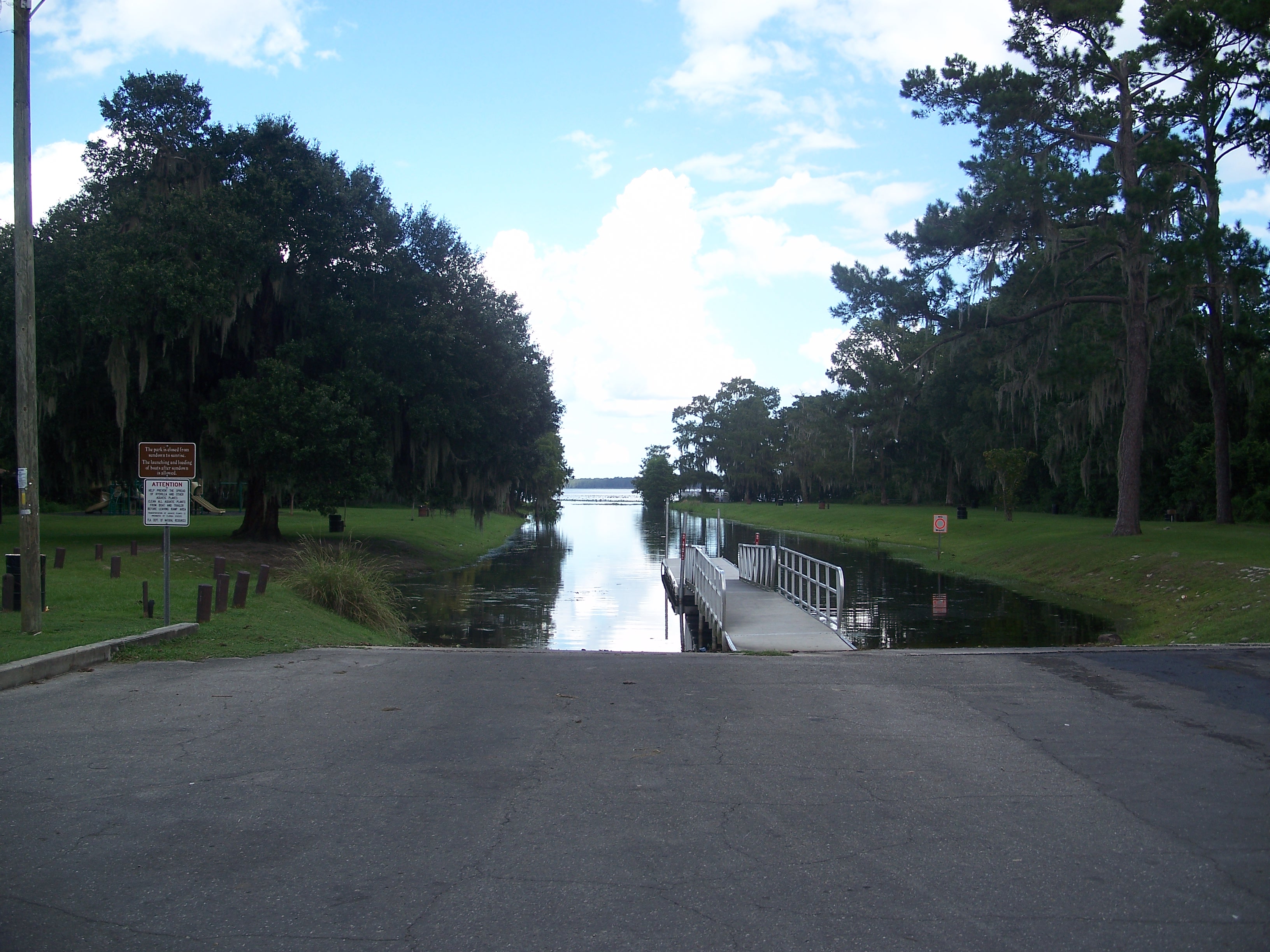
- Earl P. Powers Park Boat Ramp: Two concrete lanes, paved parking for 66 trailers, dock, flush restrooms, always open, no fee. This is the main ramp for trailered boats, but water levels can make it unusable in dry periods. Check conditions before you tow.
- Owen-Illinois Park at Windsor: Two concrete lanes, unpaved parking for 5 trailers, dock, flush restrooms, scheduled hours, no fee. Temporarily closed when water is low.
- Palm Point Park Kayak Access: Sand launch, dock, unpaved firm parking, dawn to dusk hours. Limited parking, but a good option for kayaks and bank fishing when ramps are closed.
When water is low, as it was in spring and summer 2026, both main ramps may be unusable for boats. Bank fishing and kayak launching at Palm Point become the best options. Always check the latest FWC outlook or call ahead for ramp status.
Water and Conditions
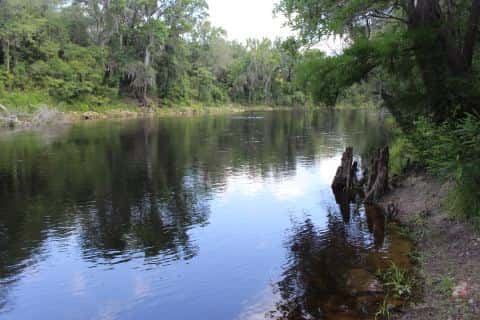
Newnans Lake is shallow with a soft, mucky bottom and lots of submerged wood and vegetation. Water clarity changes a lot—average is 3.7 feet, but it can drop to 0.3 feet or clear up to 8 feet depending on rain and wind. The most recent reading (December 2024) showed 4.3 feet of clarity and 63°F water, a bit clearer and cooler than average. Turbidity and oxygen levels are usually good for fishing, but heavy rain or drought can swing things quickly. The lake’s level is managed by a spillway, but dry spells can make launching tough. Fish relate to cover, not depth, so focus on structure.
What is Hard About This Water
Newnans Lake’s shallow, mucky bottom makes it tough to run a big boat, especially when water levels drop—ramps can close for weeks or months in dry spells, and you may have to drag a kayak or fish from shore. The water clarity changes fast with wind or rain, so what works one day may not work the next. There’s little deep structure, so fish can be scattered when the bite is slow. The soft bottom can make anchoring tricky, and thick vegetation can clog props or make trolling motors work hard. Crowds are lighter than on Orange Lake, but when ramps are closed, everyone ends up at Palm Point and parking fills up early.
Safety
If you’re fishing from the bank or wading at Palm Point or along the shoreline, watch for alligators—this is Florida, and they’re present anywhere there’s water. The soft, mucky bottom can make footing tricky, especially near the shore. In summer, afternoon storms roll in fast, so keep an eye on the sky and get off the water if you hear thunder. Heat and sun exposure are real risks on this open lake—bring plenty of water, sunscreen, and a hat. If you’re running a boat, go slow near shallow flats and watch for submerged logs and stumps.
Regulations
- Largemouth Bass: No minimum length. Bag limit: 5 black bass (including largemouth), only one may be 16 inches or longer. The 5-fish limit is for all black bass combined, not 5 of each. Only one bass over 16 inches per angler per day.
- Black Crappie: No length limit. Bag limit: 25 per angler per day. Open year-round.
- Bluegill, Redear, Warmouth, Flier, Redbreast, Spotted Sunfish: No length limit. Bag limit: 50 panfish (aggregate) per angler per day. Open year-round.
- Channel Catfish: No statewide bag or possession limit, but Fish Management Areas may set their own.
- White Catfish, Bowfin, Gar, Bullhead: Treated as nongame fish—no statewide bag or possession limit unless posted.
- License: Florida freshwater fishing license required unless exempt. Non-resident short-term options are available—buy before you leave home.
Regulations can change, so anglers should verify the current rules with the Florida Fish and Wildlife Conservation Commission before fishing.
Pros and Cons
- Close to Gainesville
- Strong spring bite
- FWC fish attractors
- Bank and kayak access at Palm Point
- Ramps close in low water
- Shallow, mucky bottom
- Limited deep structure
- Water clarity swings fast
Final Verdict
Newnans Lake is a solid choice for spring and early summer fishing near Gainesville, especially if you want bass, crappie, or panfish without the crowds of Orange Lake. The shallow, soft-bottomed lake fishes best around cover—focus on weed edges, brush, and fish attractors. Water levels can make or break a boat trip, so always check ramp status before you go. If you’re bank or kayak fishing, Palm Point is your best bet when ramps are closed. The lake’s close to town, easy to reach, and offers a strong bite in the right months.