How to recognise it
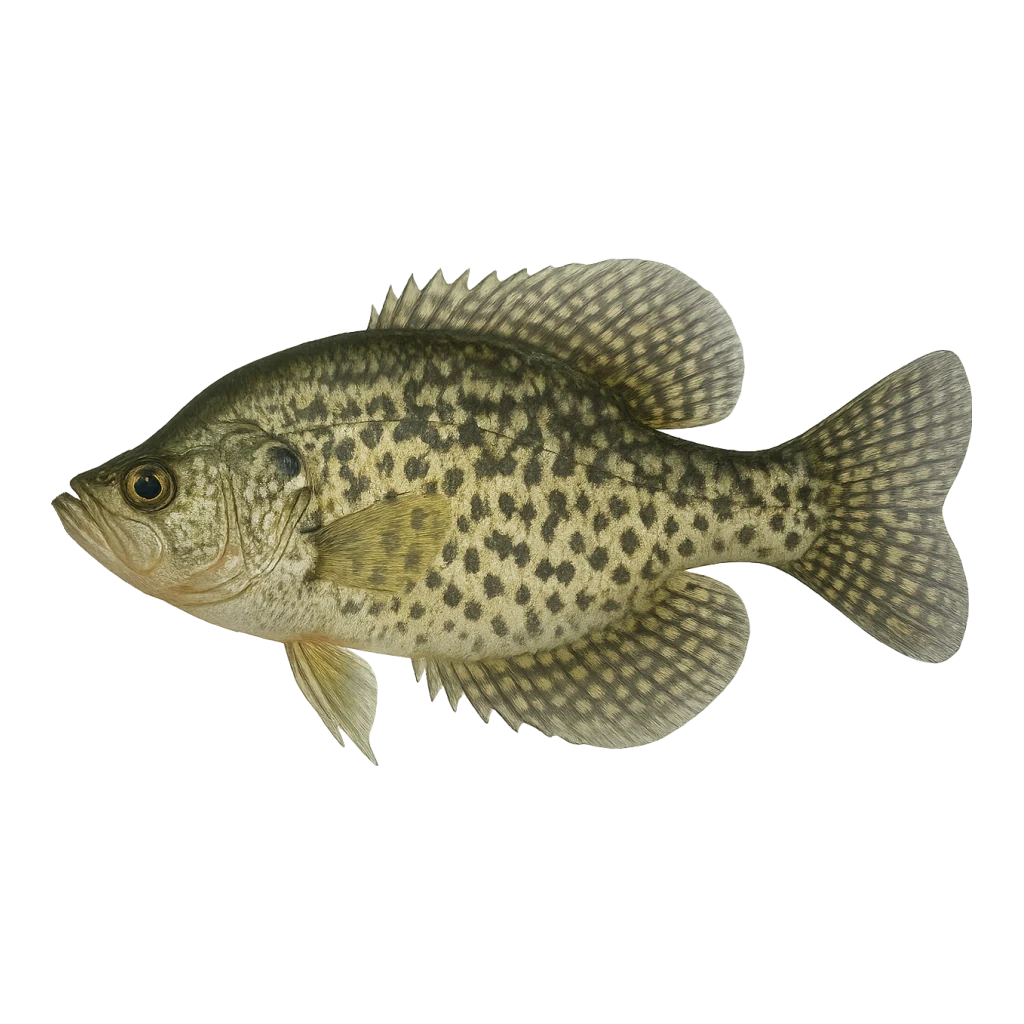
The Black Crappie (Pomoxis nigromaculatus) is a freshwater fish known for its distinctive appearance. It has a laterally compressed body and can grow up to 18 inches long. The coloration is typically dark green to black with a pattern of irregular black spots. The fins are long and pointed, with the dorsal fin having 6 to 8 spines and 10 to 12 soft rays. The mouth is relatively small, with a slightly protruding lower jaw.
This species is often confused with the White Crappie (Pomoxis annularis). The key detail that separates them is the pattern of their markings. Black Crappie have scattered black spots, while White Crappie have vertical bars along their sides.
Where it lives
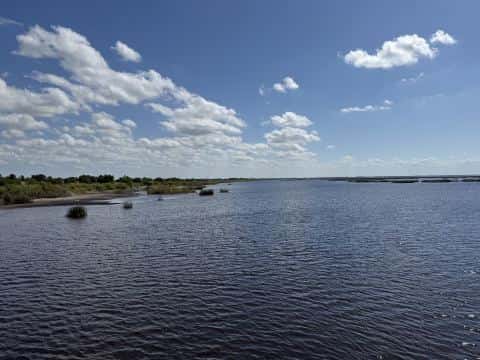
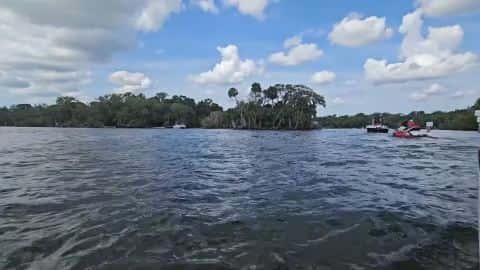
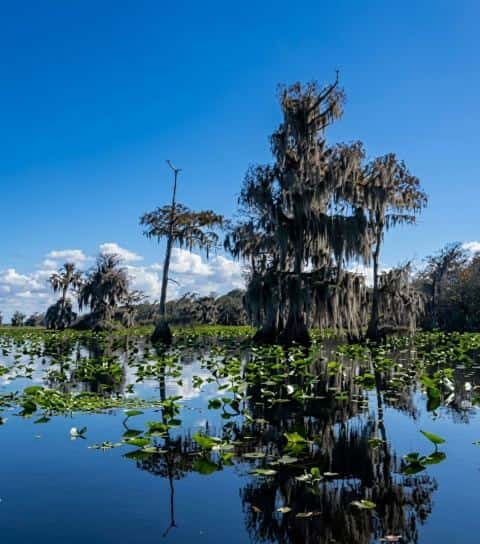
Black Crappie are found throughout the United States, primarily in the Midwest and Southern regions. They inhabit a variety of water types, including lakes, ponds, and rivers. They prefer warm, shallow waters with plenty of cover, such as submerged trees, brush piles, and vegetation.
In terms of depth, Black Crappie are typically found in waters ranging from 5 to 20 feet deep. During spring, they move into shallower areas for spawning, while in summer, they may retreat to deeper waters as temperatures rise. In fall, they often return to shallower regions to feed before winter.
When it bites
Black Crappie are most active from March to June, coinciding with their spawning season. They prefer water temperatures between 65 and 75 degrees F for optimal feeding. Early morning and late afternoon are the best times to catch them, as they tend to be more active during these periods.
Weather conditions can influence their behavior. A passing front may trigger increased feeding activity, while strong winds can make them less likely to bite. A full moon can also enhance their feeding patterns, making them more aggressive during the night.
How to catch it
To catch Black Crappie, anglers often use light tackle with a 4 to 8-pound test line. A common rig is a slip bobber setup, which allows for effective presentation at various depths. Use hooks ranging from size 6 to 10, depending on the bait.
Effective baits include live minnows, small jigs, and soft plastics. Jigs should be 1/16 to 1/8 ounce, and colors like chartreuse, white, and pink are popular. When using live bait, a small minnow (2 to 3 inches) is ideal. Cast near cover and slowly retrieve the bait, allowing it to sink and then jigging it gently to entice bites.
Size, age and the table
Anglers typically encounter Black Crappie ranging from 8 to 12 inches in length. A trophy Black Crappie is generally considered to be over 15 inches. Growth rates can vary, but they usually reach 10 inches in about 2 to 3 years. The lifespan of Black Crappie can extend up to 7 years in optimal conditions.
Black Crappie are known for their excellent eating quality. They have a mild flavor and a flaky texture. When handling, it is essential to minimize stress to ensure a successful release. If keeping for the table, handle them gently and keep them cool to maintain freshness.