Lake George Fishing Guide: Largemouth Bass, Striped Bass, Black Crappie & Best Spots
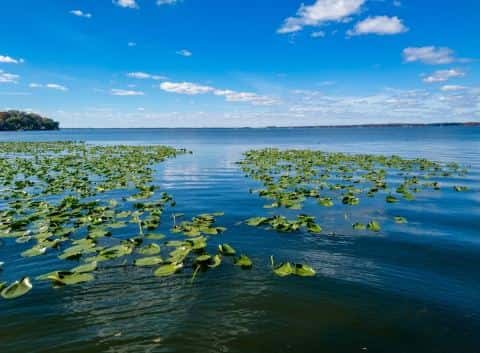
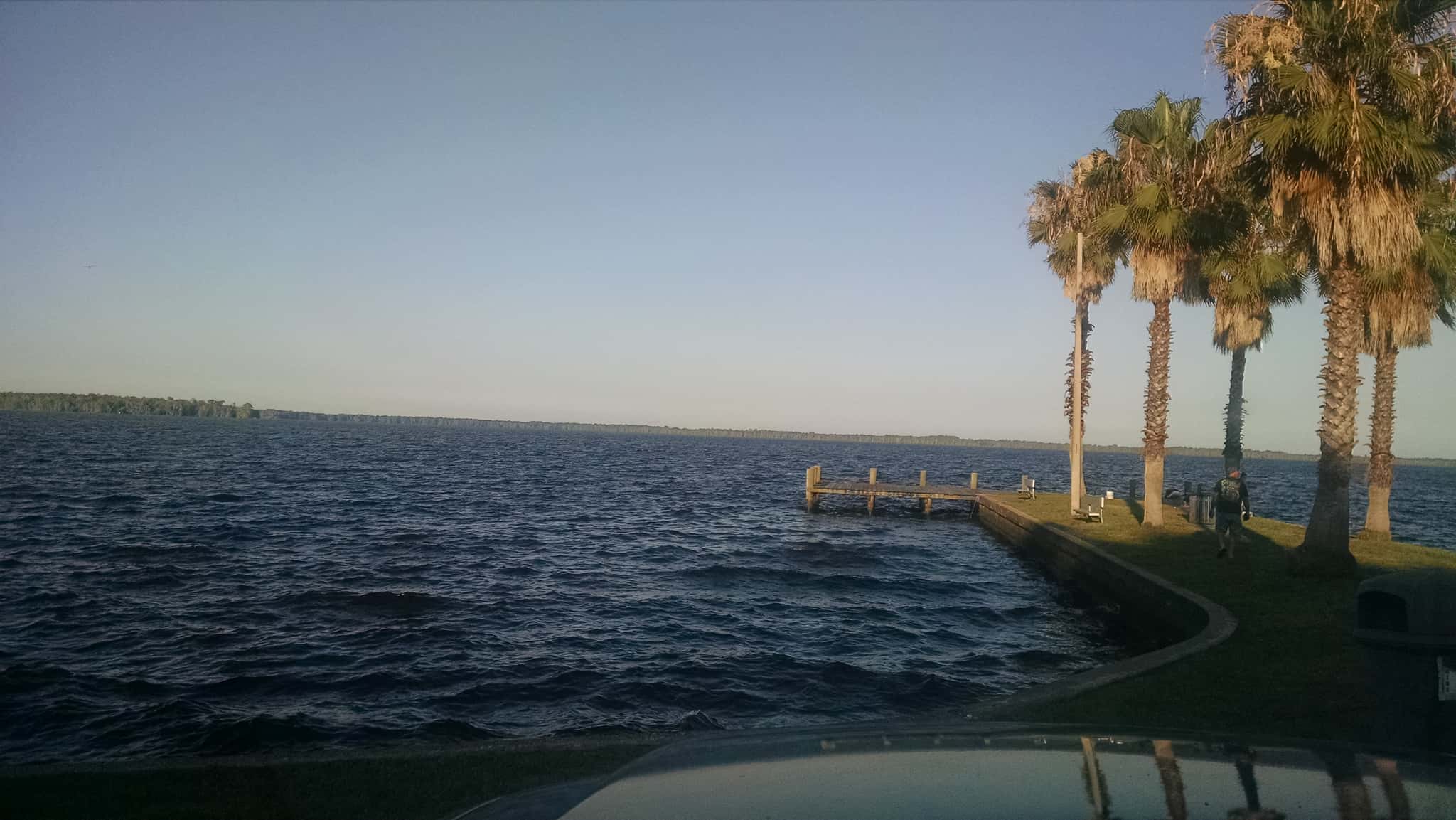
Lake George is Florida’s second-largest lake, covering 43,471 acres in Volusia County. The main targets here are largemouth bass, striped bass, black crappie, and panfish, with a strong spring and early summer bite. Most fishing is by boat, and the best starting points are the spring-fed coves and the deeper water near docks and drop-offs. The lake’s average depth is 8 feet, with a maximum of 25 feet, and much of the action centers around submerged structure, weedlines, and the mouths of the springs.
Positioning: Lake George vs. St. Johns River
Lake George sits on the St. Johns River and offers a different fishery than the river stretches above and below it. The lake’s size and shallow flats mean more open water fishing, with big bass and stripers holding near springs and deep structure. Compared to the river, Lake George gives you more room to spread out and chase trophy fish, but it’s exposed to wind and lacks the protected backwaters you’ll find upstream. If you want a shot at both freshwater and some brackish species, this is the spot.
Target Species and How to Fish Them
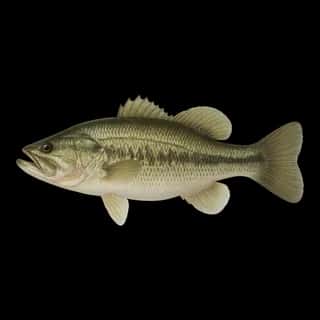
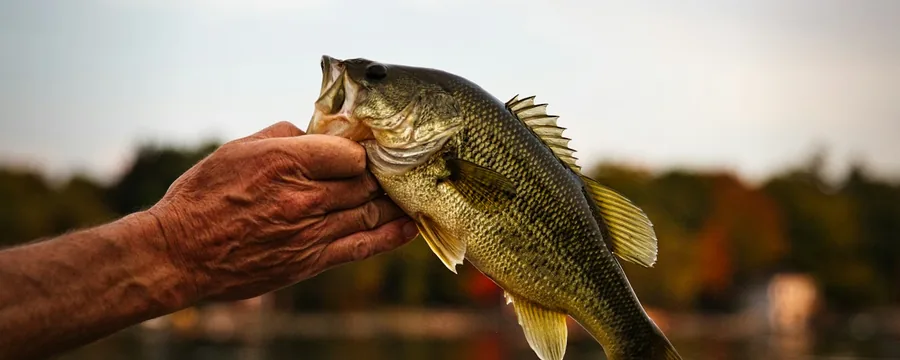
Largemouth Bass: Work the shallow cover—weed edges, fallen trees, and docks—especially on the lake’s west and south shores. The peak bite is January, February, July, and August, with good fishing in March, June, and September. Bass here feed hardest when water is between 65–85°F, which lines up with late winter through early fall. Cold fronts and changing light get them moving, so dawn and dusk are prime. Throw plastic worms Texas-rigged, crankbaits, or spinnerbaits right into the cover. Early and late in the day are best, but you’ll get bites during daylight if you find shade or deeper structure.
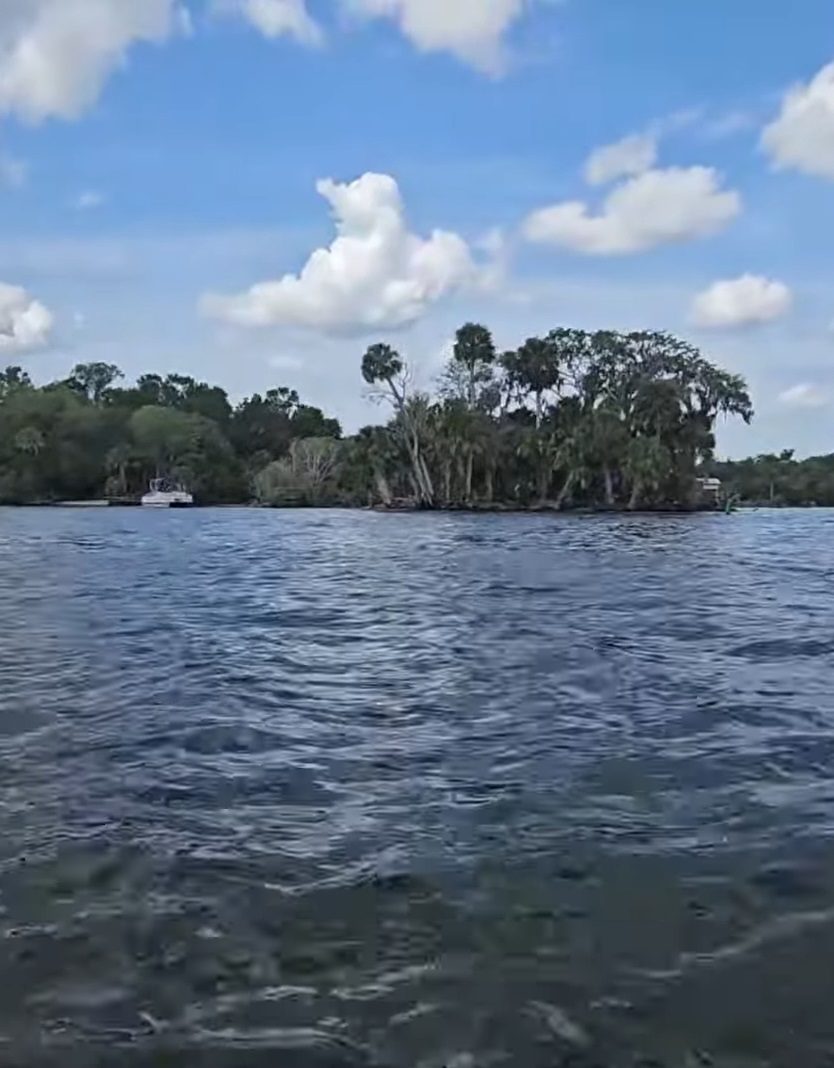
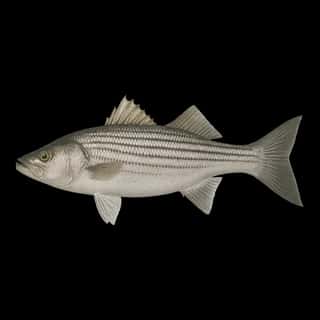
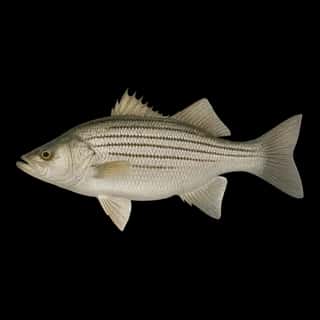
Striped Bass: Striped bass stack up near submerged rocks, points, and especially drop-offs close to the mouths of the springs—Juniper Cove, Silver Glen, and Salt Springs are top picks. The bite peaks May through July, with good action in March, April, and August. They move with water temperature (best) and the presence of baitfish. Use live shad or herring, swimbaits, or topwater plugs. Early morning and evening are best, but you’ll find fish during the day if bait is present.
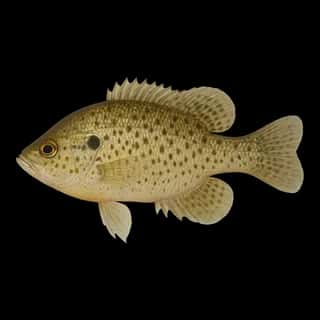
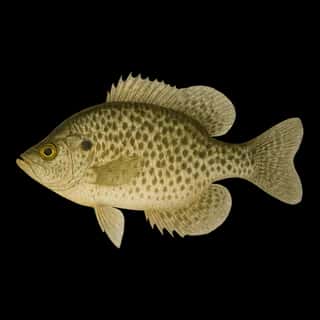
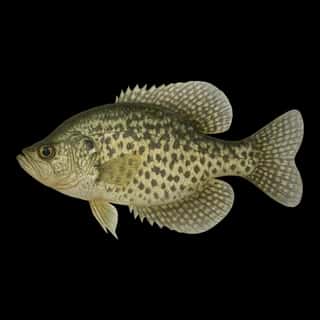
Black Crappie (Speckled Perch): Target brush piles, submerged trees, and shallow spawning areas, especially in April, May, and June, with good fishing in March and July. Crappie feed best when water is 65–75°F. Use slip bobbers with live minnows or bright jigs. Fish dawn, dusk, and overcast days for the most consistent action.
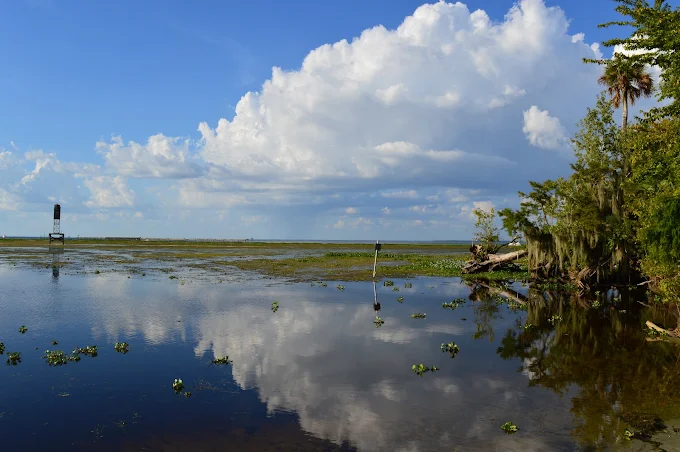
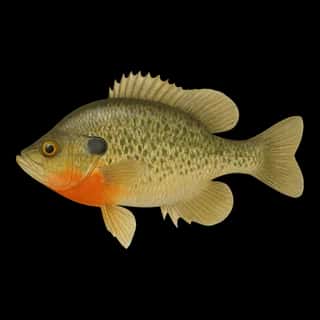
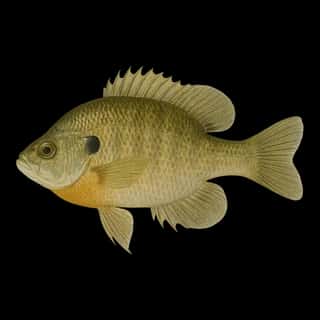
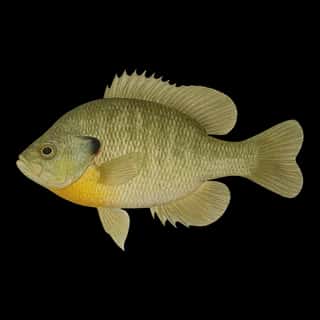
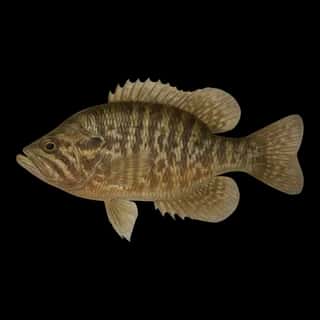
Spotted Sunfish, Bluegill, Redbreast, Redear Sunfish: These panfish hold tight to submerged logs, vegetation, and shallow sandy spots. The best months are March through July, with panfish feeding well as the water warms. Use worms, crickets, or small jigs on light tackle. Early morning and late afternoon are best.
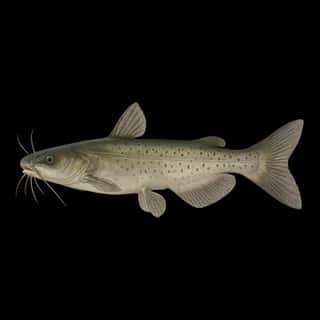
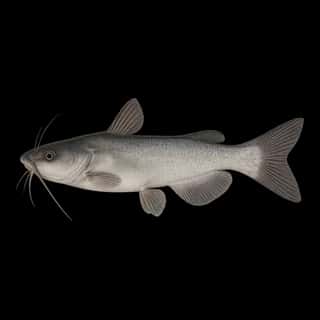
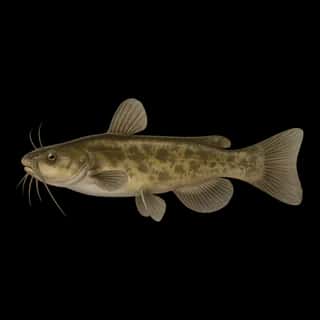
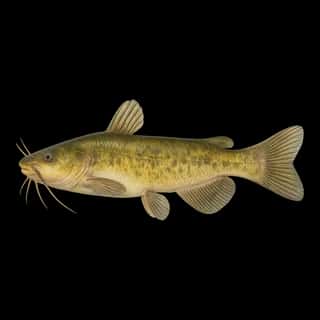
Channel Catfish, White Catfish: Catfish are most active May through September, with the best bite at dusk and after dark. Target deeper holes, fallen trees, and rocky banks. Use chicken liver, stink bait, or cut bait on slip sinker rigs, and let it sit on the bottom.
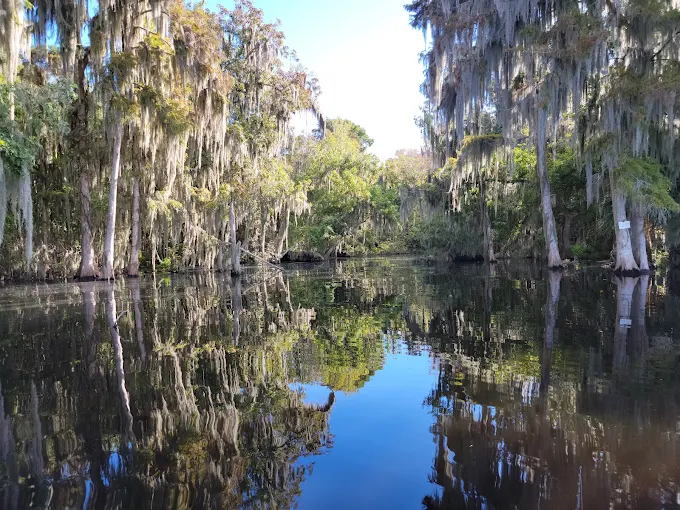
Sunshine Bass: These hybrids bite best April through July, especially around submerged structure and drop-offs near the springs. Use swimbaits, jigs, or topwater lures, and fish dawn and dusk for the most action.
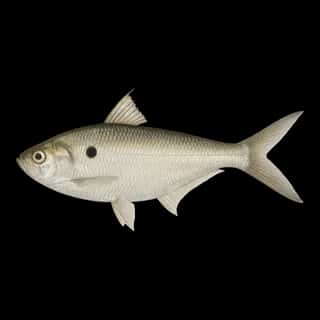
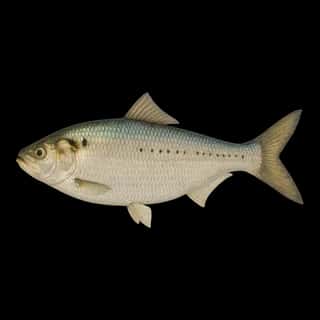
American Shad: The shad run is short, peaking in March as fish move into the river and lake to spawn. Target current seams and shallow gravel areas with small jigs or spoons, mainly at dawn and during the day.
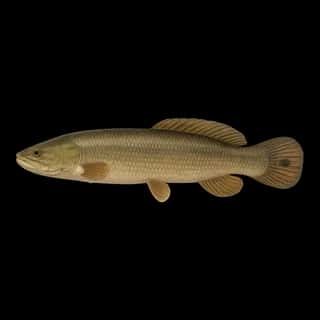
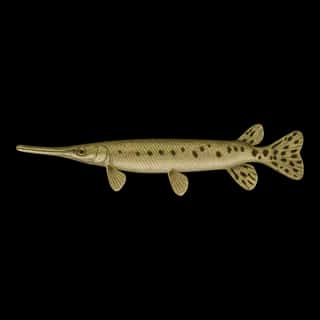
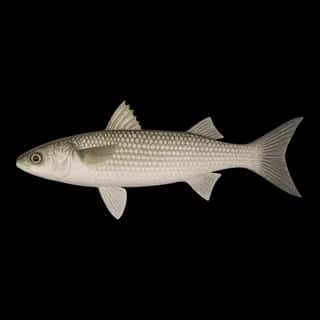
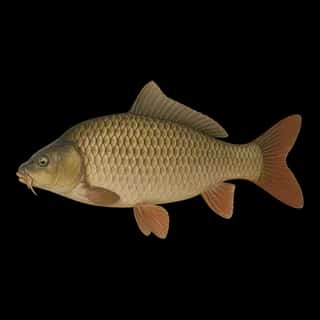
Bycatch: You’ll also pick up bowfin, common carp, warmouth, and mullet (as bait) while fishing for the main species.
Best Fishing Spots
- Juniper Cove: This spring-fed cove on the west side is a top spot for striped bass and sunshine bass, especially in summer when fish seek cooler water. Early morning is best.
- Silver Glen Springs Mouth: Fish the drop-offs and current edges where the spring meets the lake. Striped bass, sunshine bass, and panfish all stage here when the water heats up.
- Salt Springs Run: The mouth of Salt Springs holds stripers and bass, especially when baitfish are present. Try live bait or swimbaits near the drop-off.
- Deep Docks and Pilings (South Shore): Largemouth bass and catfish hold near the deeper docks and pilings, especially in summer. Fish live shiners, worms, or crankbaits tight to the structure.
- Weedlines and Submerged Trees (West Shore): Target largemouth bass, crappie, and panfish by flipping jigs or worms into the cover.
- Open Flats (North End): When the water is warm, bluegill and redear sunfish bed on sandy flats. Look for clear patches and cast small jigs or live bait.
Structure and Depth
Lake George is mostly shallow, with nearly half the lake between 8 and 10 feet deep and a maximum depth of 25 feet. The deepest water sits near the old river channel and the spring mouths. Most fish hold around submerged structure—fallen trees, weedlines, docks, and drop-offs. The west and south shores have more cover, while the north end is open and sandy. In summer, fish move deeper or into the springs for cooler water. When the water is low, stick to the main channel and spring runs to avoid running aground.
Season-by-Season Breakdown
- Winter (Dec–Feb, 58–64°F): Largemouth bass move shallow and start staging for the spawn, with the best trophy bite in January and February. Crappie start to gather near spawning areas. Striped bass are less active but can be found near springs if the water warms up. Panfish are slow, but you’ll pick up a few in deeper cover.
- Spring (Mar–May, 70–80°F): This is the prime window for most species. Bass spawn in shallow cover, crappie are aggressive around brush and trees, and panfish start bedding. Striped bass and sunshine bass move into the springs and drop-offs, feeding hard as water temps climb. Catfish action picks up by May.
- Summer (Jun–Aug, 80–85°F): The lake heats up and fishing gets tougher by midday. Early and late, bass and stripers hold near deeper docks, pilings, and the cool water at the springs. Catfish and panfish feed best at night. Water clarity can drop, so use brighter lures or live bait.
- Fall (Sep–Nov, 69–80°F): Fish spread out as the water cools. Bass and stripers move back to shallower water and feed up for winter. Panfish and crappie action stays steady into October, then slows as water temps drop. Catfish are still catchable, especially on warm days.
If you only get one trip, late February through May gives you the best shot at big bass, active stripers, and panfish. Avoid the hottest months if you’re after bass or crappie, but summer nights are good for catfish.
Getting on the Water: Ramps and Access
- Shell Harbor Marine Park: The main public ramp, with 2 concrete lanes, a dock, paved parking for 32 trailers, and open at all hours. This is the best choice for launching a boat or trailering in.
- Lake George - Volusia Wharf Boat Ramp: One concrete lane, dock, unpaved but firm parking for 10 trailers, always open. Good backup if Shell Harbor is full.
- Lake George Park - Nine Mile Boat Ramp (Small Boats): One concrete lane, dock, only 2 trailer spots, always open but needs repair. For small boats only.
- Juniper Run and Silver Glen Springs Paddlecraft Launches: Paid launches, docks, and paved or unknown parking. These are best for kayaks and canoes, giving direct access to the spring runs.
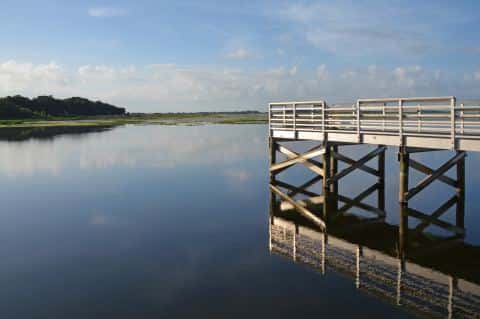
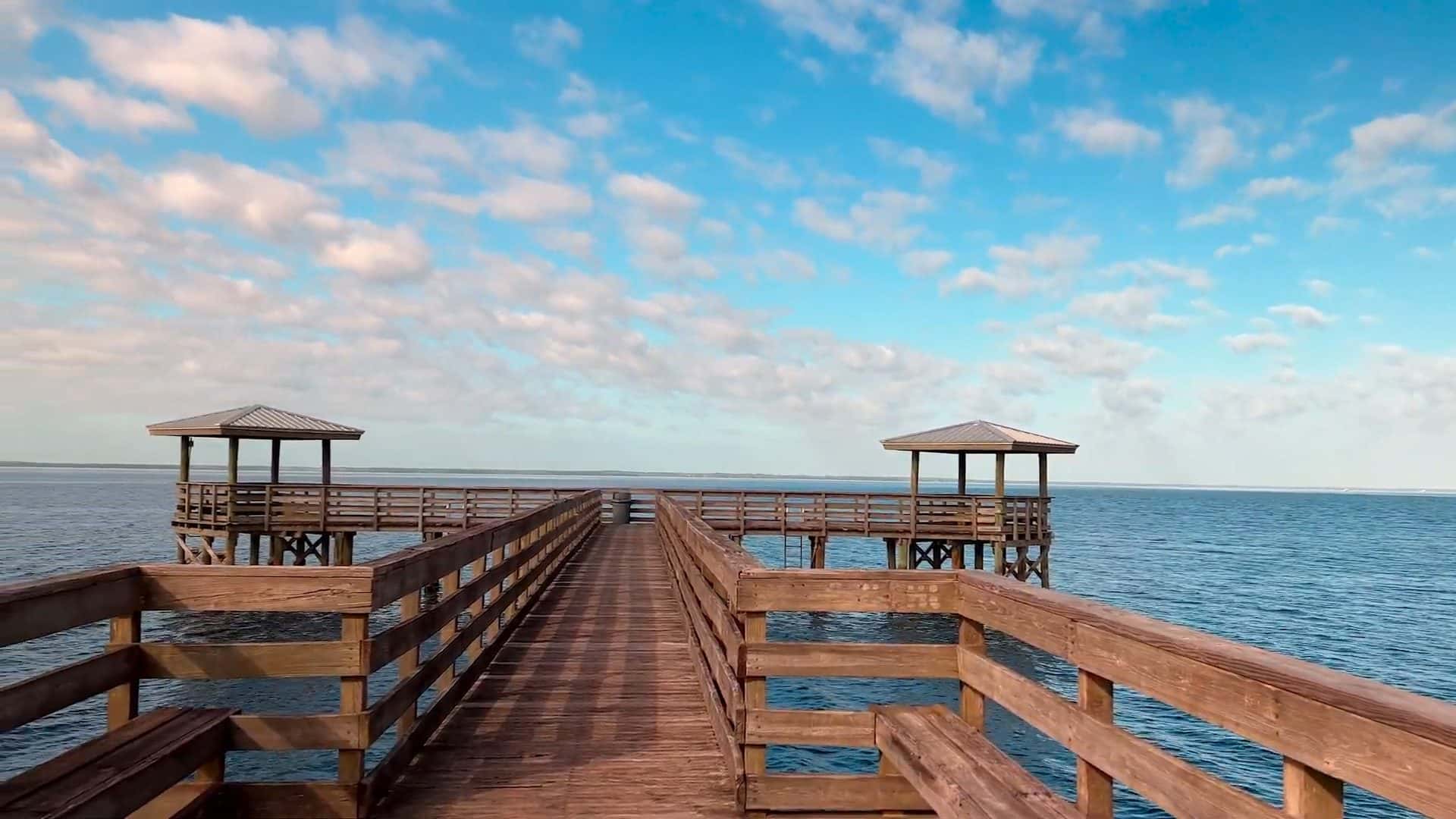
- Lake George Park Pier: Public fishing pier operated by Volusia County. Good for shore anglers targeting panfish and catfish, but most of the lake is boat water.
Water and Conditions
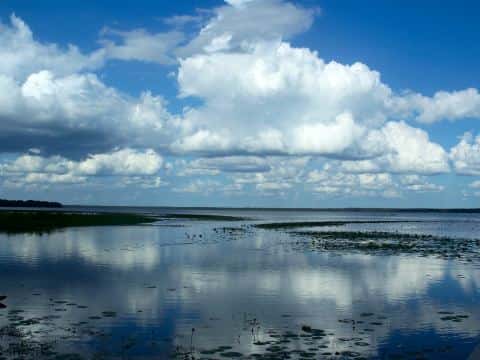
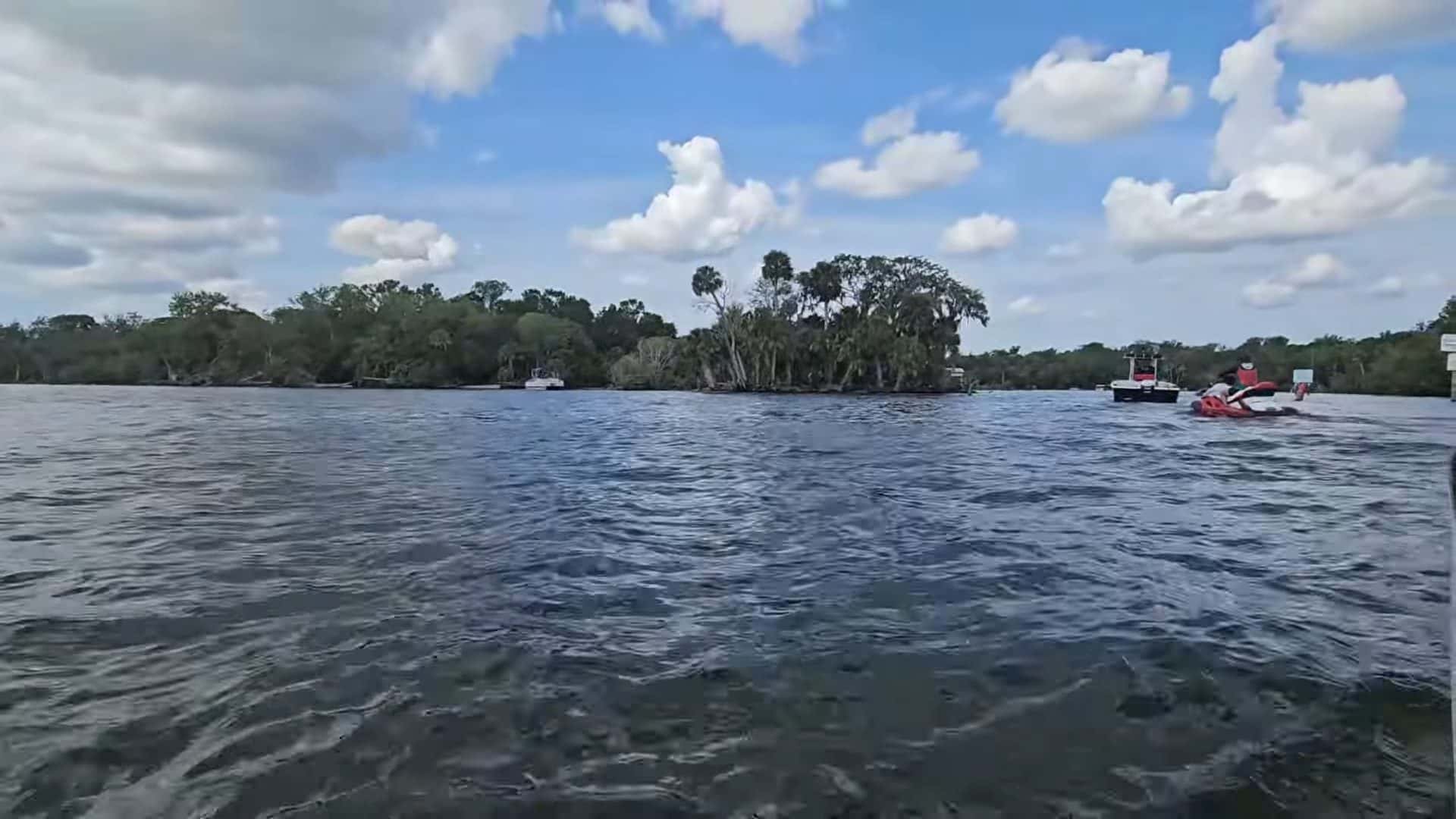
Lake George is a shallow, mostly open lake with a mean depth of 8 feet and a max of 25 feet. The bottom is mostly sand and mud, with some rocky areas near the springs and drop-offs. On August 18, 2025, the water was 85°F—above normal for the season—and clarity was about 2 feet. The lake can get rough fast when the wind picks up, and floating vegetation or low water can make navigation tricky. Plan your trip around the wind and check water levels before you go.
Regulations
- Largemouth Bass: No minimum length. Bag limit is 5 black bass (including largemouth), only one of which may be 16 inches or longer. The 5-fish limit is an aggregate across all black bass species.
- Striped Bass: Bag limit is 20 striped, white, and sunshine bass (individually or in total), only 6 may be 24 inches or longer. Open year-round.
- Spotted Sunfish, Bluegill, Redbreast, Redear, Warmouth, Flier: No length limit. Bag limit is 50 panfish (aggregate). Open year-round.
- Black Crappie: No length limit. Bag limit is 25 crappie. Open year-round.
- Channel Catfish: No statewide bag or possession limit, except as noted in Fish Management Area regulations. Check for any posted rules at the ramp.
- White Catfish: Not specifically listed; follow general freshwater rules and check for posted limits.
- Sunshine Bass: Included in the 20-fish aggregate with striped and white bass; only 6 may be 24 inches or longer.
- Mullet: No minimum size. Daily bag limit is 50 per person. Vessel limit is 50 fish from Sept 1–Jan 31. Requires a saltwater license unless you are a Florida resident fishing with a freshwater license in fresh water.
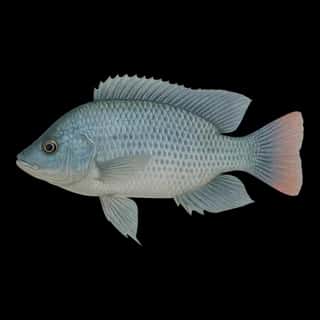
- Nonnative Species (Sunshine Bass, Blue Tilapia, Common Carp): Releasing or introducing any nonnative fish into Florida waters requires a permit from the Commission. No live nonnative fish, except variable platys and fathead minnows, may be transported for use as bait. Live specimens of Conditional and Prohibited nonnative species may not be possessed.
A Florida freshwater fishing license is required unless you qualify for an exemption. Non-residents can buy short-term or annual licenses. If you plan to keep mullet or fish the brackish areas, you may need a saltwater license. Regulations can change, so anglers should verify the current rules with the Florida Fish and Wildlife Conservation Commission before fishing.
Shore and Boat Access
Shore fishing is limited on Lake George, but the public pier at Lake George Park gives you a shot at panfish and catfish. Most of the productive water is only reachable by boat or kayak. The main ramps—Shell Harbor Marine Park and Volusia Wharf—have plenty of trailer parking and are open at all hours. Paddlecraft launches at the springs let you get right into the action if you’re fishing from a kayak or canoe.
Trip Logistics
The nearest town with services is Pomona Park, about 15 miles away. Daytona Beach International Airport is 33 miles from the lake, and Orlando Sanford is 41 miles. Live bait is a must for bass and panfish—call ahead to local tackle shops in Pomona Park or nearby towns to reserve wild shiners or minnows. Lodging options include fish camps, RV parks, and campgrounds around the lake, but book early for spring and early summer trips. There are no tackle shops or restaurants directly on the lake, so plan to stock up before you arrive.
Ecology
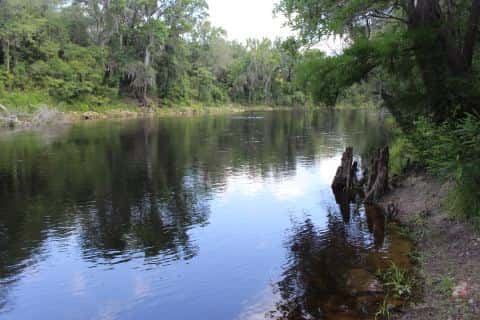
Lake George is a brackish lake, fed by springs that bring in enough salt to support both freshwater and some marine species. Water clarity changes fast, so adjust lure color to the conditions. The lake can get muddy after storms or windy days.
What’s Hard About This Water
Lake George is big, shallow, and open—wind can turn it into a rough, muddy mess in a hurry. There’s little shelter from storms, and the soft bottom means you can run aground if you stray from the channel or spring runs. Shore access is thin, and most of the best fishing is boat-only. Summer heat and algae blooms can drop water clarity and make fishing tough by midday.
Safety
Afternoon storms and lightning are common in summer—get off the water early if thunderheads build. The open lake gets rough fast when the wind picks up, so check the forecast and avoid long runs in a small boat on windy days. Alligators are present, especially near the edges and in the spring runs—keep your distance, especially if you’re bank fishing or wading. Watch for floating debris and submerged logs, especially after storms.
Pros and Cons
- Big bass and stripers
- Multiple ramps, always open
- Spring-fed cool water spots
- Public fishing pier
- Wind can make it unfishable
- Little shore access
- Long run to nearest town
Final Verdict
Lake George is a destination for anglers chasing trophy bass, stripers, and a mixed bag of panfish and catfish. You’ll need a boat to get the most out of it, and the best fishing is around the springs and deeper structure from late winter through early summer. If you want open water and a shot at big fish, Lake George is worth the trip, but it’s not the place for shore-bound anglers or those needing easy rentals and services.