How to recognise it
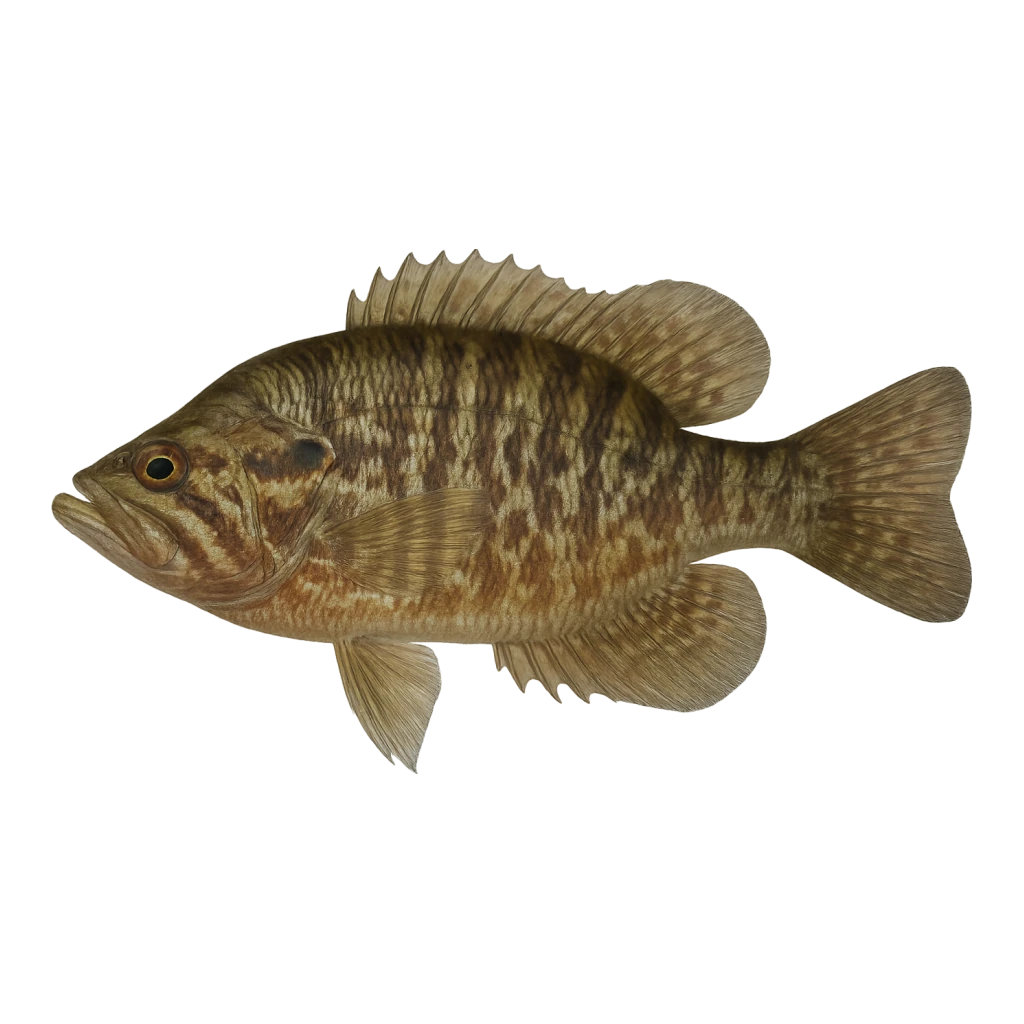
The Warmouth (Lepomis gulosus) is a freshwater fish that can be identified by its distinct features. It has a deep, laterally compressed body with a large mouth. The coloration varies from olive to brown, often with dark vertical bars on its sides. The dorsal fin is long and continuous, with the first part being spiny and the second part soft. The pectoral fins are relatively large and rounded.
Warmouths are often confused with the Rock Bass (Ambloplites rupestris). The key detail that separates them is the Warmouth's larger mouth, which extends past the eye, while the Rock Bass's mouth does not.
Where it lives
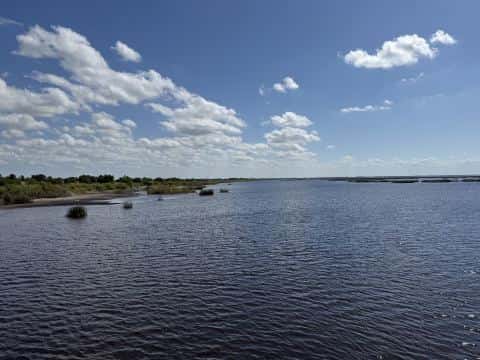
The Warmouth is found throughout the eastern United States, from the Great Lakes region down to Florida and west to Texas. It prefers warm, shallow waters such as ponds, lakes, and slow-moving rivers. Warmouths are often found in depths of 1 to 10 feet, especially near structures like submerged logs, rocks, and vegetation.
In warmer months, they tend to stay near cover, while in colder months, they may move to slightly deeper water. During the spawning season in late spring, they are more likely to be found in shallow areas.
When it bites
Warmouths are most active from late spring through early fall, typically from May to September. They bite best when water temperatures are between 70 and 85 degrees F. Early morning and late afternoon are prime times for fishing, as they are more likely to feed during these hours.
Weather conditions can affect their feeding behavior. A passing cold front may slow their activity, while stable weather can enhance it. Wind can also influence their feeding, with light winds being beneficial. A full moon can lead to increased activity during the night.
How to catch it
To catch Warmouths, anglers can use a variety of rigs. A simple bobber rig with a small hook (size 6 to 10) works well. Baits such as worms, crickets, and small minnows are effective. For lures, try small jigs (1/16 to 1/8 ounce) in bright colors like chartreuse or orange.
Cast near cover, such as fallen trees or lily pads. Retrieve the bait slowly, allowing it to settle near the bottom or around structures. A slow, steady retrieve with occasional pauses can entice bites.
Size, age and the table
Warmouths typically range from 6 to 10 inches in length, with larger individuals reaching up to 12 inches. A trophy Warmouth is generally considered to be over 10 inches. They grow rapidly, often reaching 6 inches in their first year and can live up to 6 years.
Warmouths are considered good eating, with firm, white flesh. When handling, use wet hands to minimize slime loss. If releasing, do so gently to ensure their survival. Always check local regulations for guidelines on size limits and catch-and-release practices.