Lake Monroe Fishing Guide: Largemouth Bass, Striped Bass, Crappie & Best Spots
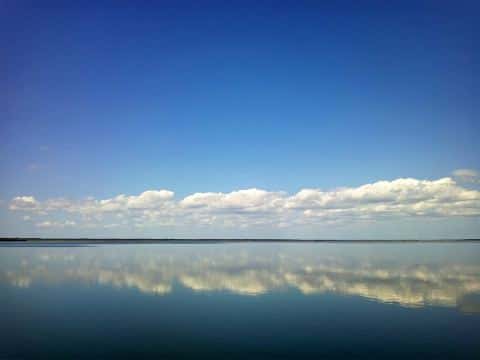
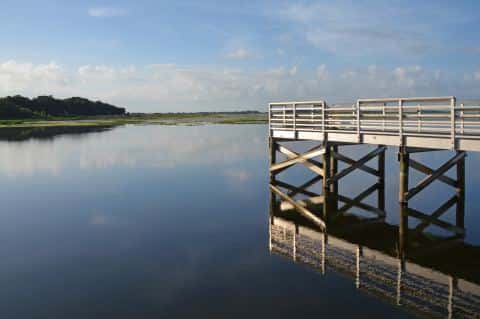
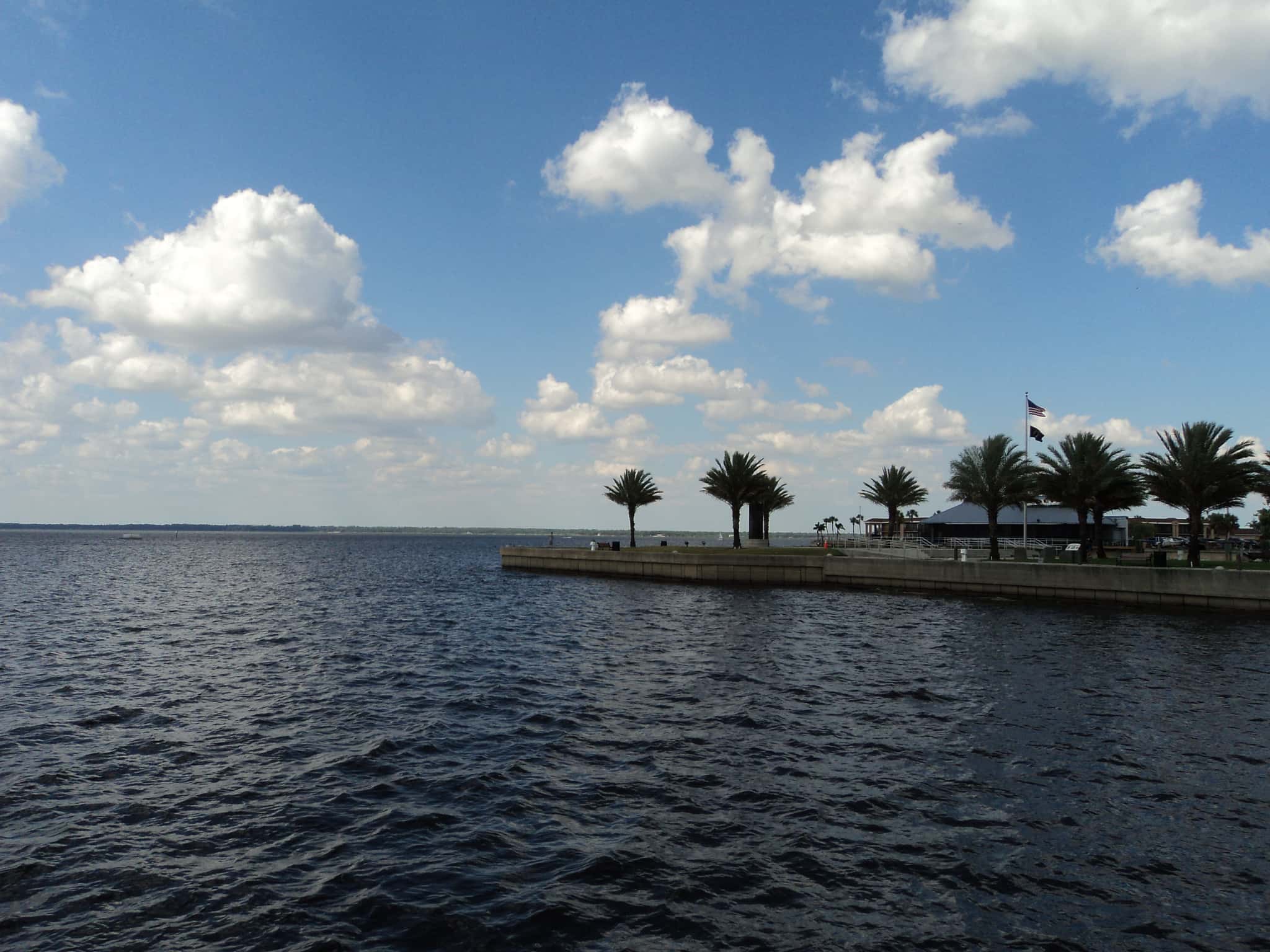
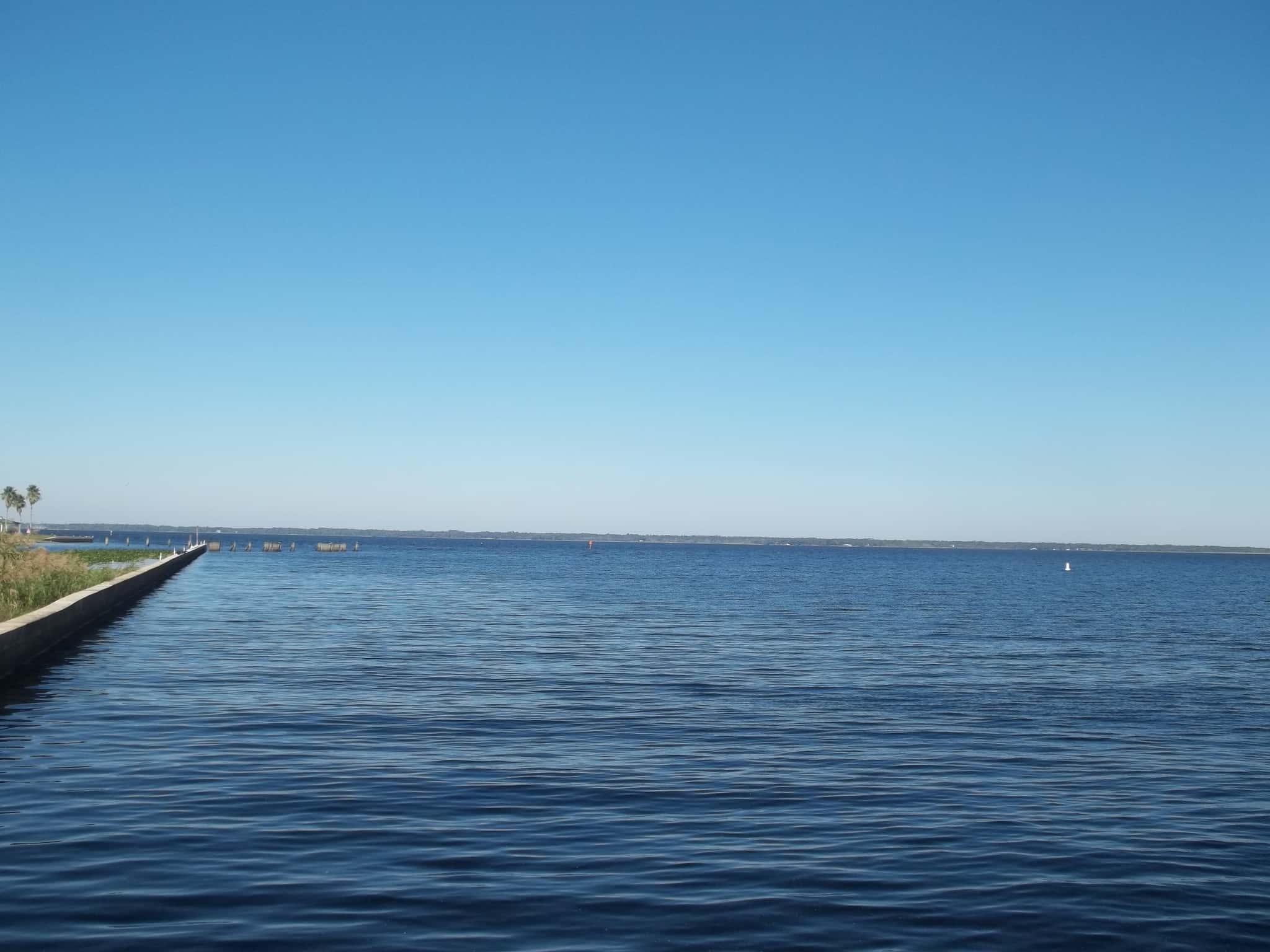
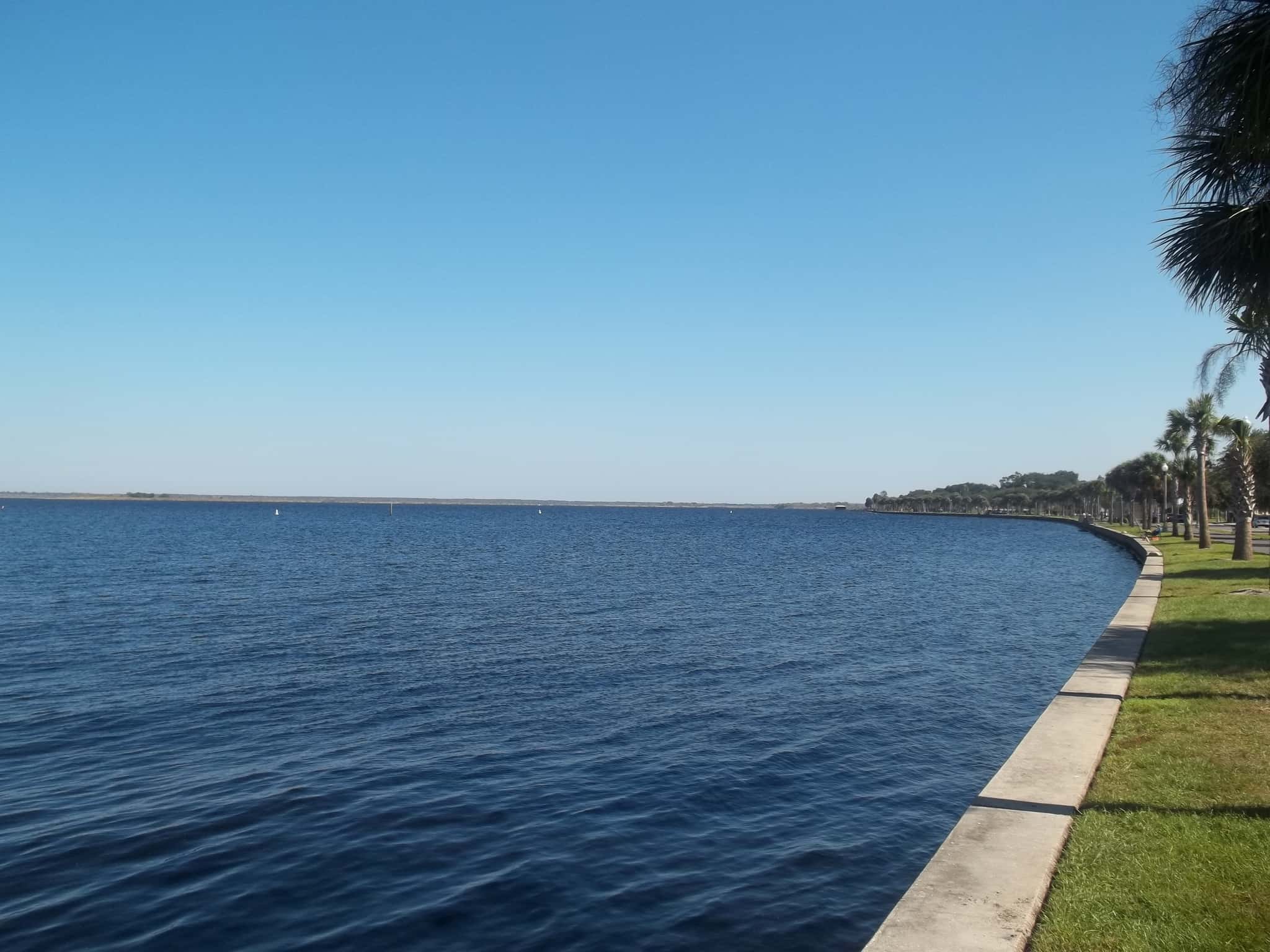
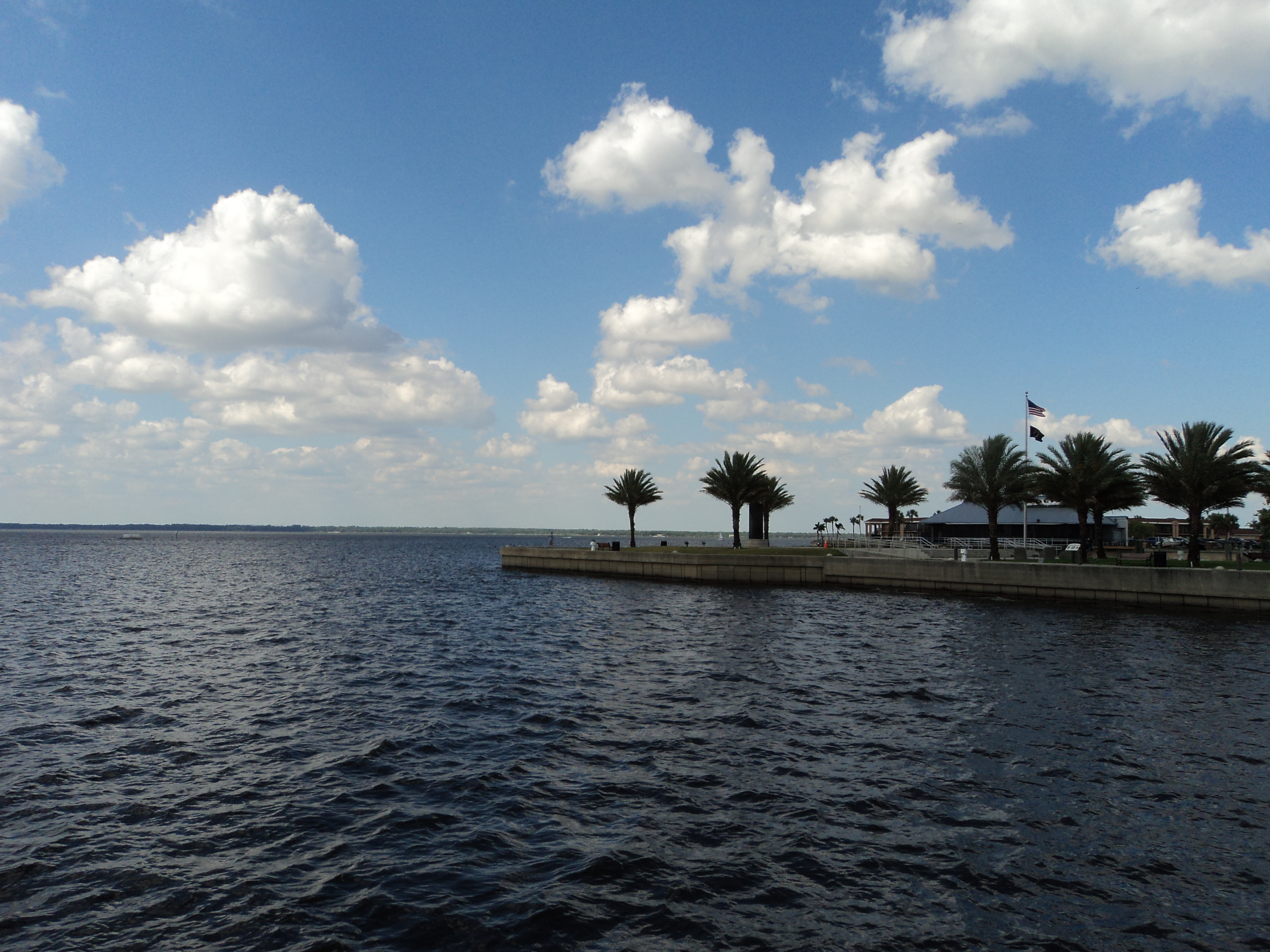
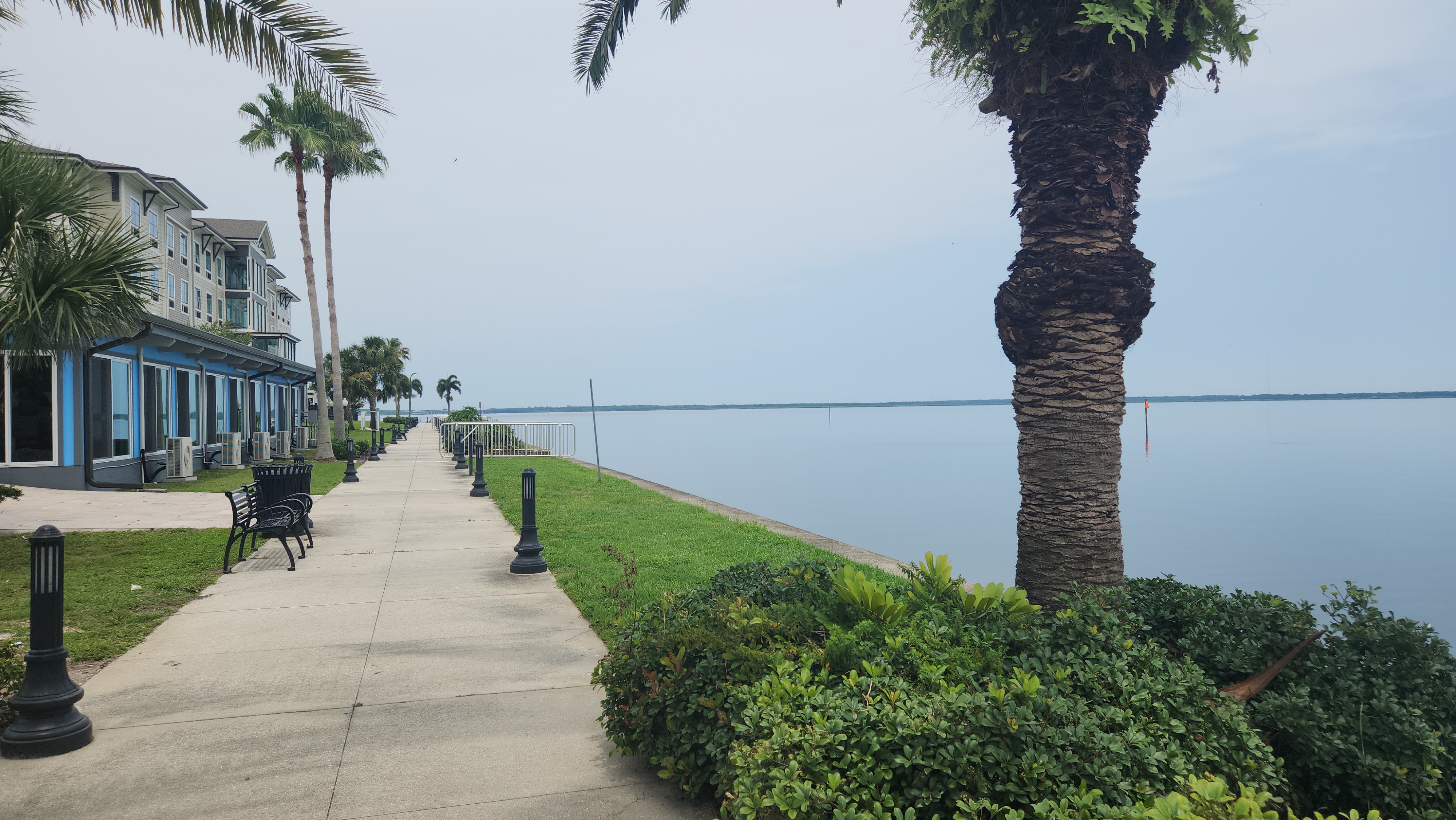
Lake Monroe is a broad, shallow lake in Volusia County, Florida, just north of Orlando and right next to Sanford. It covers 8,771 acres with 37 miles of shoreline and is known for its trophy largemouth bass, strong striped bass runs, and steady panfish bite. The lake averages 6 feet deep, with most water between 7 and 8 feet, and only a handful of spots reaching 20 feet. You’ll want a boat to fish the best water, but there are public piers and kayak launches for shore and paddle anglers. The top bite for bass and stripers runs January through July, with bluegill and crappie peaking in spring and early summer. Start your trip at the Sanford Marina Island Boat Ramp for full trailer parking and all-hours access, or hit the grass beds on the north shore at first light.
Positioning: Lake Monroe vs. St. Johns River
Lake Monroe sits right on the St. Johns River system, but it fishes differently than the river stretches upstream and downstream. Monroe is shallower and more open, with big grass beds and less current, making it a prime spot for bass and panfish when the river is high or running dirty. If you want more moving water and a shot at American shad, the St. Johns itself is the better bet. For trophy bass, stripers, and easier access, Monroe is the call—especially if you’re coming from Orlando or Sanford.
Target Species and How to Fish Them
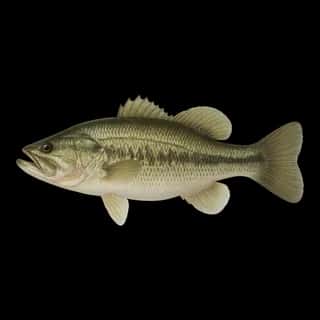
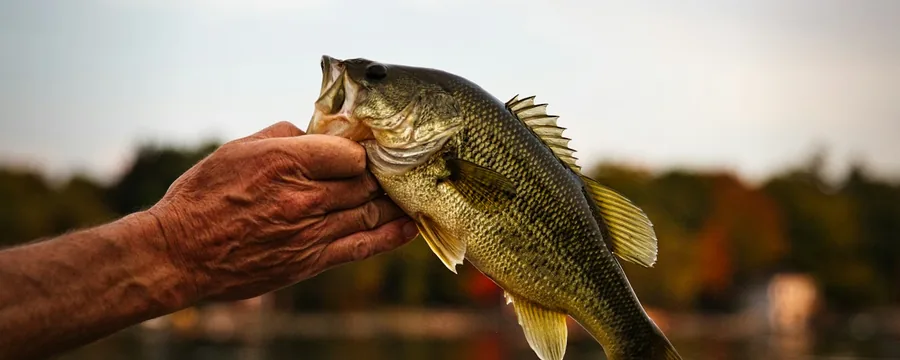
Largemouth Bass: Fish the shallow eelgrass beds and bulrush patches on the north and west shores, especially at dawn and dusk. The bite peaks in January, February, July, and August, with good action in March, June, and September. Flip plastic worms, crankbaits, or spinnerbaits into the grass edges and around fallen trees. Early and late in the day are best, but you can pick up fish in deeper water when the sun is high.
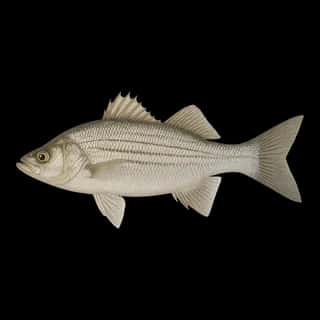
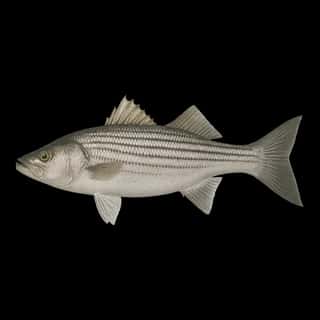
Striped Bass: Target submerged points, drop-offs, and rock piles, especially near the old river channel and deeper holes. Striped bass are most aggressive from May through July, with good fishing in March, April, and August. They move with water temperature (best bite 60–75°F) and follow baitfish schools. Use live shad or herring, or throw swimbaits and topwater plugs near structure. They’ll bite throughout the day, but dawn and dusk are prime.
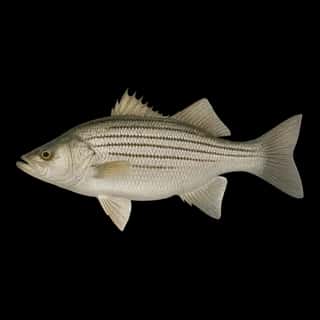
Sunshine Bass (Hybrid): These hybrids hang near submerged structure, points, and drop-offs. April through July is the top window, with March and August also producing. They bite best when water is 70–80°F, especially at dawn and dusk. Use swimbaits, jigs, and topwater lures on medium to heavy gear. Look for them busting bait on the surface early and late.
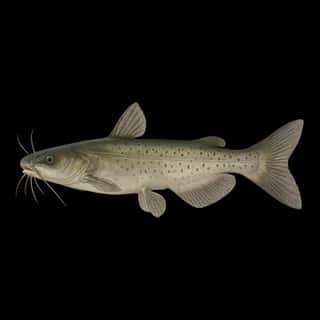
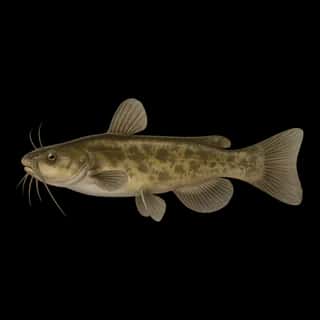
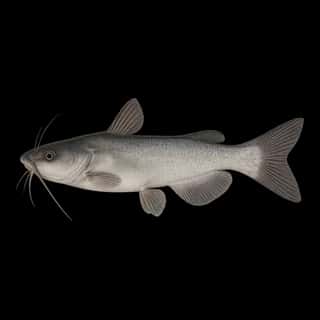
Channel Catfish: Work the deeper holes and around fallen trees, especially at night or just after sunset. The bite is best from May through August, with good fishing in March, April, and September. Catfish are drawn to strong scents—use chicken liver, stink bait, or cut bait on a slip sinker rig. Focus on dusk and night for the most action.
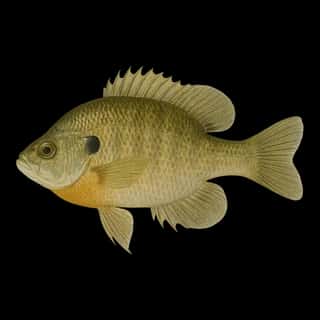
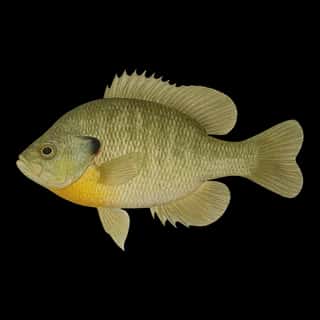
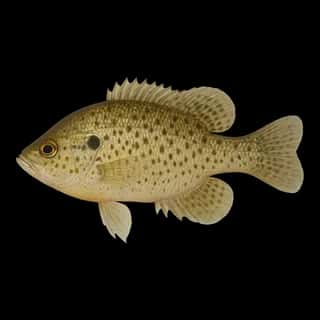
Bluegill: Fish the weed beds, docks, and fallen trees, especially on the north and west shores. March through August is peak, with February and September still good. Bluegill feed best at dawn and dusk when the water is 70–85°F. Use worms or small jigs under a bobber on light tackle.
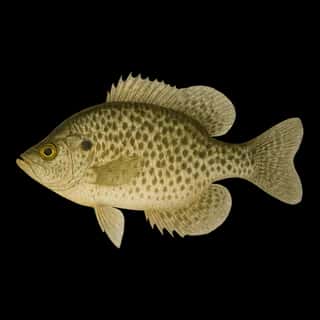
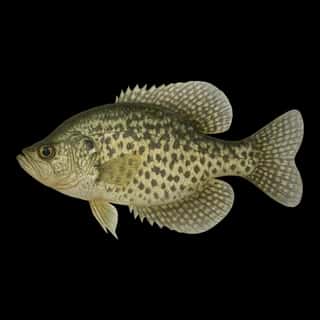
Black Crappie (Speckled Perch): Target submerged brush piles and shallow spawning areas in April, May, and June, with March and July also worth a shot. Use slip bobbers with live minnows or bright jigs. Early morning is best, but you can pick them up throughout the day.
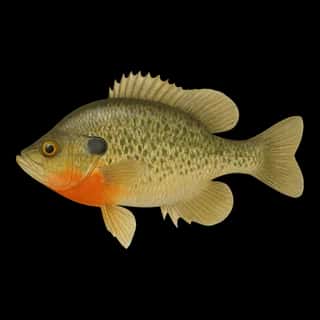
Redear Sunfish (Shellcracker): Look for these on sandy or gravelly bottoms near submerged logs and rocks. May and June are prime, with good fishing March, April, July, and August. Redear feed at dawn and dusk, especially when insects and snails are thick. Use red wigglers, crickets, or small jigs on light line.
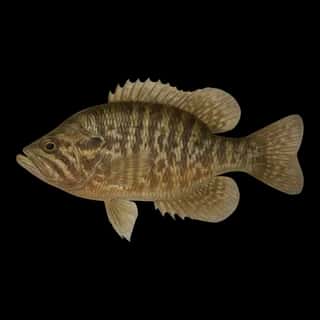
Warmouth Sunfish: Fish shallow cover like fallen trees and rocks from March through June, with some action in February and July. Warmouth hit live minnows, crickets, and soft plastics, especially at dawn and dusk.
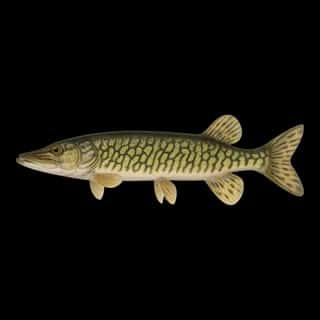
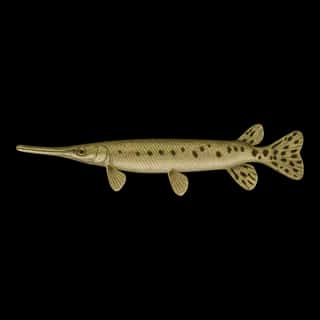
Chain Pickerel: Cast spinnerbaits or crankbaits along the edges of lily pads and submerged vegetation from March through October. Pickerel are aggressive and will hit during the day, especially when water is 60–75°F.
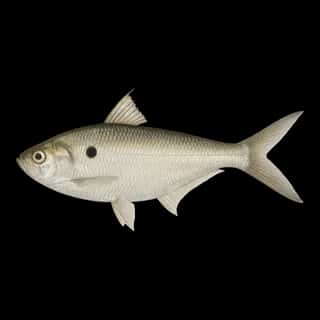
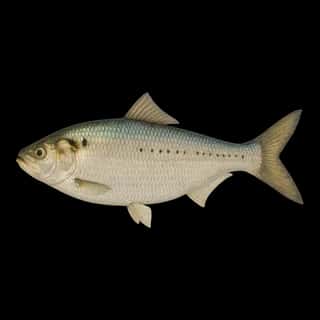
American Shad: The shad run peaks in March, with some fish in February. Target current seams and shallow areas during the spawning run using small jigs or spoons. Early morning is best.
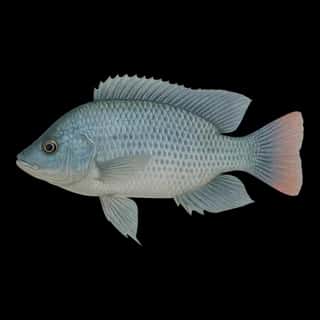
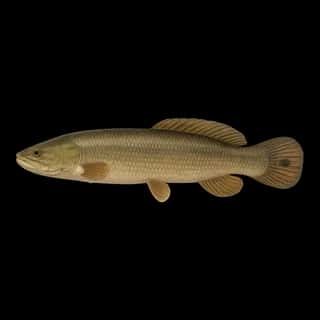
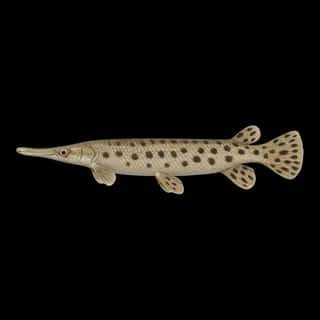
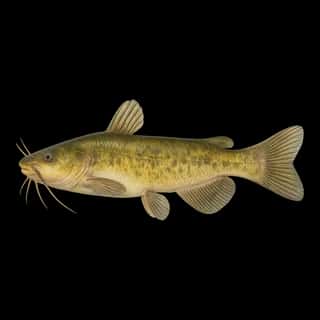
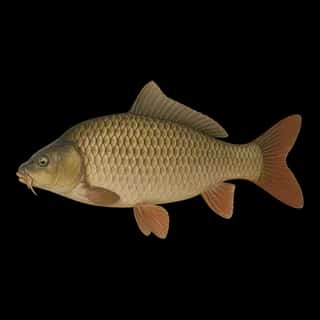
Other species: You’ll also pick up bowfin, gar, brown bullhead, and redbreast sunfish while fishing for the main targets. White catfish, flier sunfish, spotted sunfish, yellow bullhead, blue tilapia, and common carp are present but not primary targets here.
Best Fishing Spots on Lake Monroe
- North Shore Eelgrass Beds: This is the place for early morning bass and panfish. Work the grass edges with soft plastics or topwater lures at first light.
- Bulrush Patches (North and West Shores): These scattered patches hold both largemouth bass and bream. Flip jigs or worms into the cover, especially at sunrise and sunset.
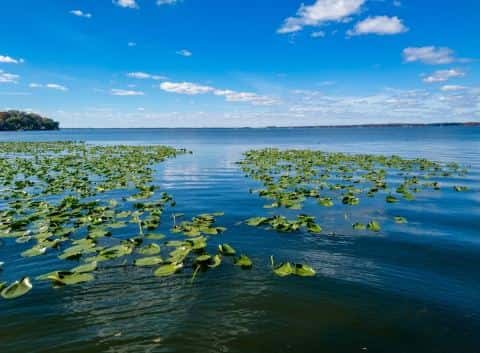
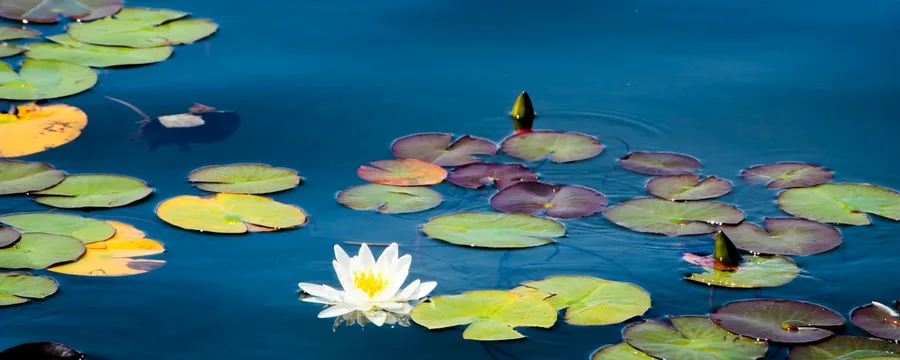
- Lily Pads (Southwest Shore & Bethel Cove): Bass and bream stack up here, especially during the spawn. Use frogs, worms, or live bait around the pads.
- Old River Channel Drops: Striped bass and sunshine bass hold on these deeper edges, especially when the sun is high or during summer heat. Use live shad or heavy swimbaits.
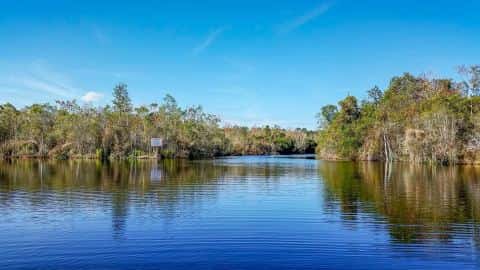
- Brush Piles and Submerged Timber: Crappie and bluegill relate to these spots, especially in spring. Target them with minnows or jigs under a slip bobber.
Structure and Depth
Lake Monroe is mostly shallow, with over half the water between 7 and 8 feet deep. Only a few small areas reach 20 feet. The north shore is lined with eelgrass beds, while the west side has scattered bulrush and lily pad patches. The old river channel cuts through the lake, offering the only real deep water—this is where stripers and catfish go when the surface heats up. Most panfish and bass stick to the grass edges, bulrush, and shallow cover, especially in spring and early summer.
Season-by-Season Breakdown
- Winter (Dec–Feb, 61–70°F): Largemouth bass start staging for the spawn in January and February, hitting hard in shallow grass. Bluegill and crappie slow down but can be caught on warmer days. Striped bass are less active but can be found in deeper water. Shad begin their run in late February.
- Spring (Mar–May, 71–81°F): This is the best time for most species. Bass spawn in shallow grass and bulrush. Crappie move shallow to spawn, and bluegill and redear sunfish start bedding. Striped bass and sunshine bass feed aggressively as water warms. Shad run peaks in March.
- Summer (Jun–Aug, 84–87°F): Bass and stripers move deeper during the heat of the day but feed early and late. Bluegill and redear sunfish are active, especially around beds. Catfish bite best at night. Water clarity can drop with summer rains, so use brighter lures or scented baits.
- Fall (Sep–Nov, 67–84°F): Bass and panfish action slows as water cools, but you can still find fish on warm afternoons. Striped bass feed up before winter. Crappie start to stage deeper, and catfish remain steady until water drops below 70°F.
The single best window for trophy bass is January through March. For stripers and hybrids, May through July is prime. Avoid December if you want numbers—most species slow down as water temps drop.
What is Hard About This Water
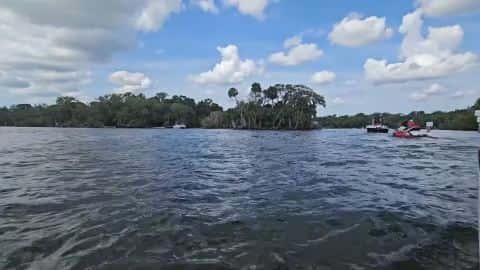
Lake Monroe’s shallow, open water means wind can build a steep chop quickly, making it tough for small boats when the breeze picks up. Water clarity drops fast after heavy rain or when the wind stirs up the bottom, so sight fishing is hit or miss. Summer heat pushes fish deeper and slows the bite by midday. Crowds can be heavy at the main ramps on weekends, and some ramps close at sunset, limiting late-day options.
Getting on the Water: Ramps and Access
- Sanford Marina Island Boat Ramp: Six lanes, paved, paid launch, dock, paved parking, open 24/7, flush restrooms. This is the main ramp for trailers and big boats, closest to the best deep-water structure.
- Lake Monroe Park (Volusia County): Four lanes, concrete, paid, dock, 45 trailer spaces, open sunrise to sunset, flush restrooms. Good for north shore access and grass beds.
- Lake Monroe Wayside Park (Seminole County): Two lanes, concrete, free, dock, 28 trailer spaces, open 24/7. Unpaved parking, but plenty of room for trailers.
- Mariner's Cove Park (Small Boats Only): One lane, concrete, free, dock, two trailer spaces, sunrise to sunset, flush restrooms. Best for kayaks and small boats.
All have flush restrooms nearby. The Lake Monroe Public Boat Ramp in Deltona is permanently closed.
Water and Conditions
Lake Monroe’s water averages 78°F, with a winter low of 52°F and a summer high of 94°F. Clarity runs 2 feet on average, but can drop to 0.7 feet or clear up to 3.6 feet. Expect the water to get dirtier after heavy rain, especially in summer. The most recent reading (June 2025) showed 86°F water and 1.6 feet of clarity—warmer and murkier than average. The lake’s pH runs a bit high, and dissolved oxygen is usually good, but can dip in hot weather. Fish move deeper and get sluggish when the water gets hot and muddy.
Regulations
- Largemouth Bass: No minimum length. Bag limit is 5 black bass (including largemouth), only one may be 16 inches or longer in total length. Florida freshwater fishing license required unless exempt.
- Striped Bass, Sunshine Bass, White Bass: Bag limit is 20 total (all three species combined), only 6 may be 24 inches or longer. Open year-round. Freshwater fishing license required.
- Channel Catfish: No statewide bag or possession limit unless posted at the lake. Freshwater fishing license required.
- Black Crappie: Bag limit is 25. No length limit. Freshwater fishing license required.
- Bluegill, Redear, Warmouth, Redbreast, Flier, Spotted Sunfish: Bag limit is 50 panfish (aggregate). No length limit. Freshwater fishing license required.
- Nonnative species (Sunshine Bass, Common Carp, Blue Tilapia): Releasing or introducing any nonnative fish into Florida waters requires a permit from the Commission. No live nonnative fish, except variable platys and fathead minnows, may be transported for use as bait. Live specimens of Conditional and Prohibited nonnative species may not be possessed.
A Florida freshwater fishing license is required for all anglers unless exempt. Non-residents can buy short-term or annual licenses, but should purchase before leaving home. Regulations can change, so anglers should verify the current rules with the Florida Fish and Wildlife Conservation Commission before fishing.
Safety
Wind can make Lake Monroe rough fast, especially for small boats—check the forecast before launching. Summer storms build quickly, so keep an eye out for lightning and get off the water if storms roll in. The shallow bottom means you can run aground if you stray from marked channels, especially when water is low. Alligators are present along the shoreline, so take care if you’re fishing from the bank or wading. Always watch for boat traffic near the ramps and piers.
Pros and Cons
- Trophy bass and stripers
- Multiple ramps and piers
- Grass beds and diverse structure
- Easy access from Orlando
- Shallow, wind can get rough fast
- Water clarity drops after rain
- Summer heat slows midday bite
- Some ramps close at sunset
Final Verdict
Lake Monroe is a top pick for anglers chasing trophy largemouth bass, stripers, and steady panfish action, all within easy reach of Orlando and Sanford. The best fishing runs January through July, with bass and stripers peaking in late winter and early summer. Bring a boat to reach the best grass beds and deep channel drops, but shore and pier anglers can still catch bluegill, crappie, and catfish. Plan for changing water clarity and summer heat, and launch early for the best bite. If you want a mix of big fish, easy access, and plenty of ramp options, Lake Monroe is worth the trip.