Lake Poinsett Fishing Guide: Striped Bass, Largemouth Bass, Crappie & Best Spots
Target Species and How to Fish Them
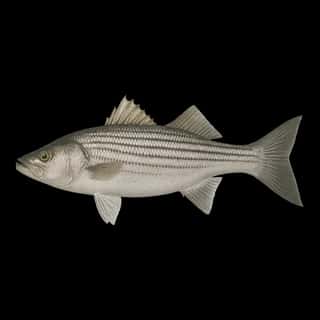
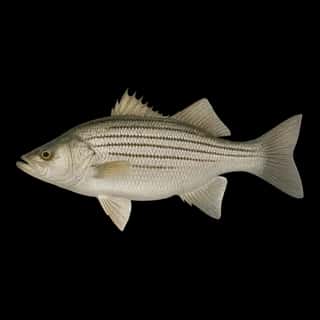
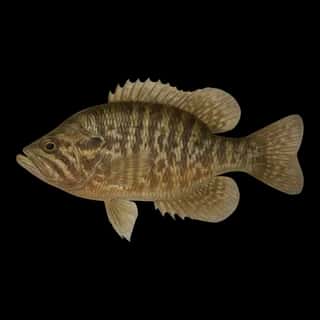
Striped Bass: Striped bass stack up near submerged rocks, points, and drop-offs around the lake, especially where the St. Johns River channel edges meet the flats. The bite peaks May through July, with good action in March, April, and August. Striped bass feed when water temperature changes and baitfish are present, getting aggressive during their spring and fall spawn. Use live shad or herring, or throw swimbaits and topwater plugs with medium to heavy spinning gear (20–30 lb line). Early morning, daytime, and dusk all produce, but dawn is often best when the water is calm.
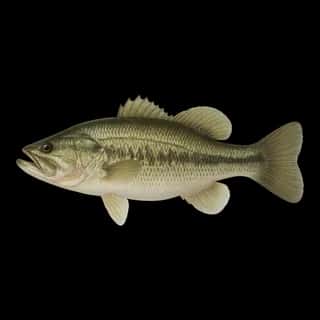
Largemouth Bass: Largemouth bass hold along weed edges, fallen trees, and any shallow cover in 2–5 feet of water. The best months are January, February, July, and August, with good fishing in March, June, and September. Bass feed hard when the water warms up or cools down, especially at dawn and dusk. Plastic worms (Texas rig), crankbaits, and spinnerbaits work well. Focus on shallow areas with cover, and fish early or late for the most bites.
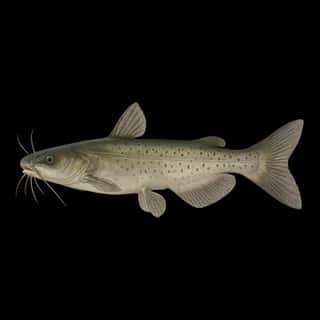
Channel Catfish: Channel cats gather near fallen trees and muddy or sandy bottom, especially in 3–6 feet of water. The bite peaks May through August, with good fishing in March, April, and September. Catfish respond to warmer water and strong scents, so use chicken liver, stink bait, or cut bait on a slip sinker rig. Dusk and night are prime times, but you can pick up fish after dark all summer.
Sunshine Bass (Hybrid): Sunshine bass are found near drop-offs, points, and submerged structure, especially in spring and early summer. The bite is best April through July, with some action in March and August. They hit swimbaits, jigs, and topwater lures, especially at dawn and dusk. Use 10–20 lb line and work the edges of structure for the best shot.
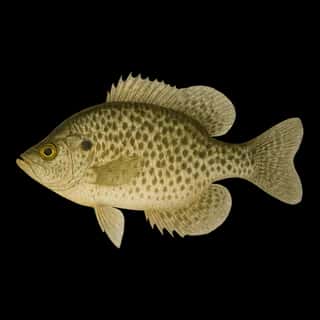
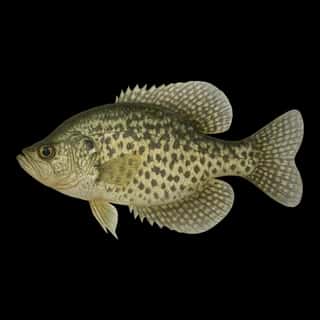
Black Crappie (Speckled Perch): Crappie school up around brush piles, submerged trees, and shallow flats in 3–5 feet during the spring spawn. April through June is prime, with some fish in March and July. They bite best when water is warming. Use light tackle, slip bobbers with live minnows, or bright jigs. Early morning and late afternoon are best, especially during the spawn.
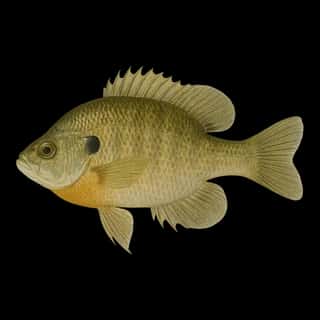
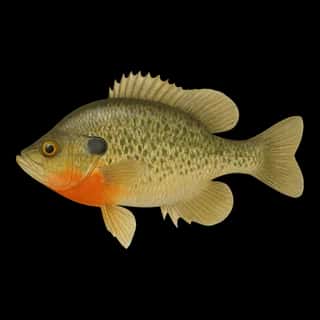
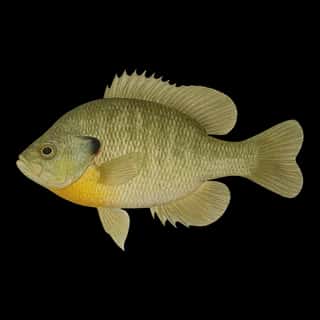
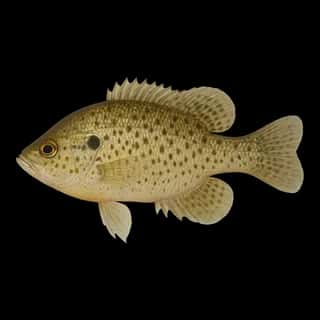
Bluegill and Redear Sunfish: Bluegill and redear sunfish (shellcracker) bed in shallow water with sandy or gravel bottom, often near weed beds or fallen trees. Bluegill bite March through August, redear peak May and June. Use worms, crickets, or small jigs under a bobber on light tackle. Fish early and late for the most action.
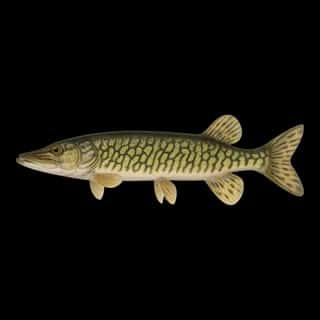
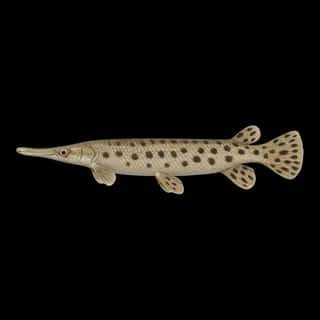
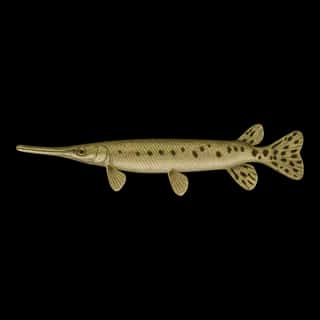
Chain Pickerel: Pickerel hunt along weed edges, submerged structure, and lily pad lines from March through October. Spinnerbaits, crankbaits, and live minnows all work. Fish at dawn, during the day, or dusk, especially in warmer months.
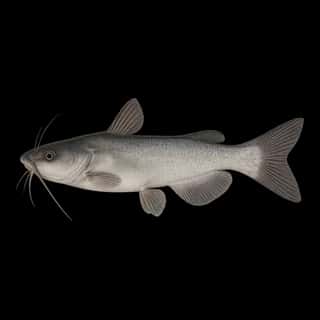
White Catfish: White catfish are most active June through September, feeding near submerged wood or rocks, especially at night. Use chicken liver, nightcrawlers, or cut bait on the bottom.
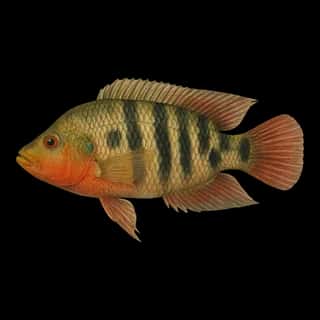
Mayan Cichlid (Nonnative): Mayan cichlids hold near rocks and submerged vegetation, biting best July through October. Use worms or minnows, or lures that mimic small prey. Day and dusk are best. See regulations for handling rules.
Other Sunfish: Warmouth, flier, and redbreast sunfish are common around brush, weeds, and shallow cover. Use small jigs or worms. Most feed best in spring and summer.
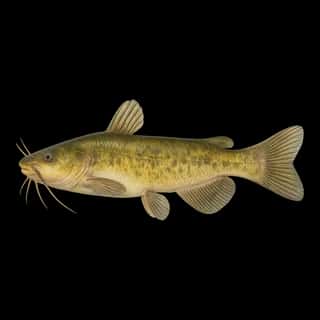
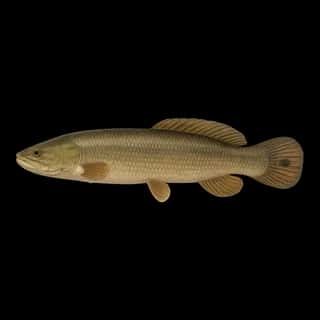
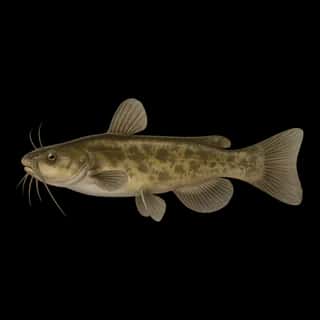
Bycatch: Bowfin and yellow bullhead show up while fishing for bass or catfish, especially in muddy or weedy areas.
Where to Fish: Spots, Structure, and Depth
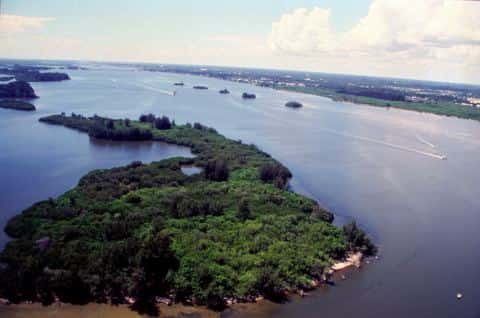
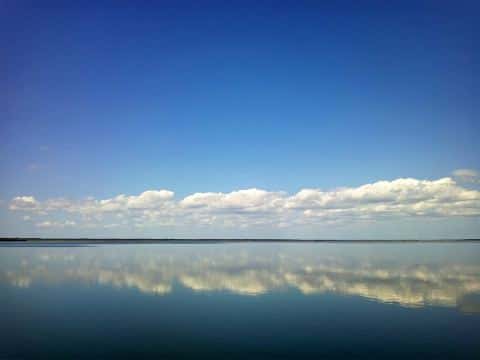
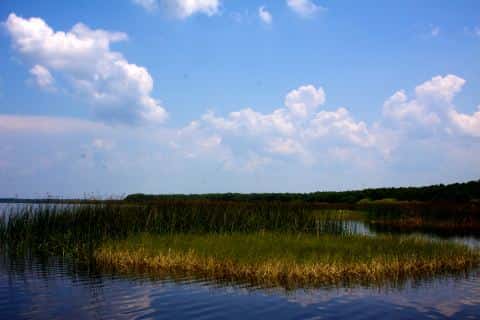
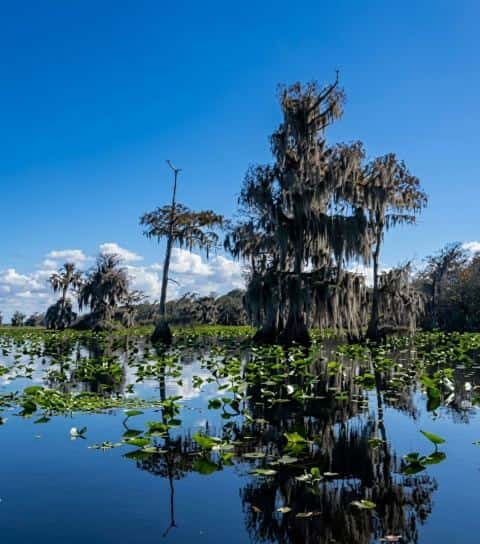
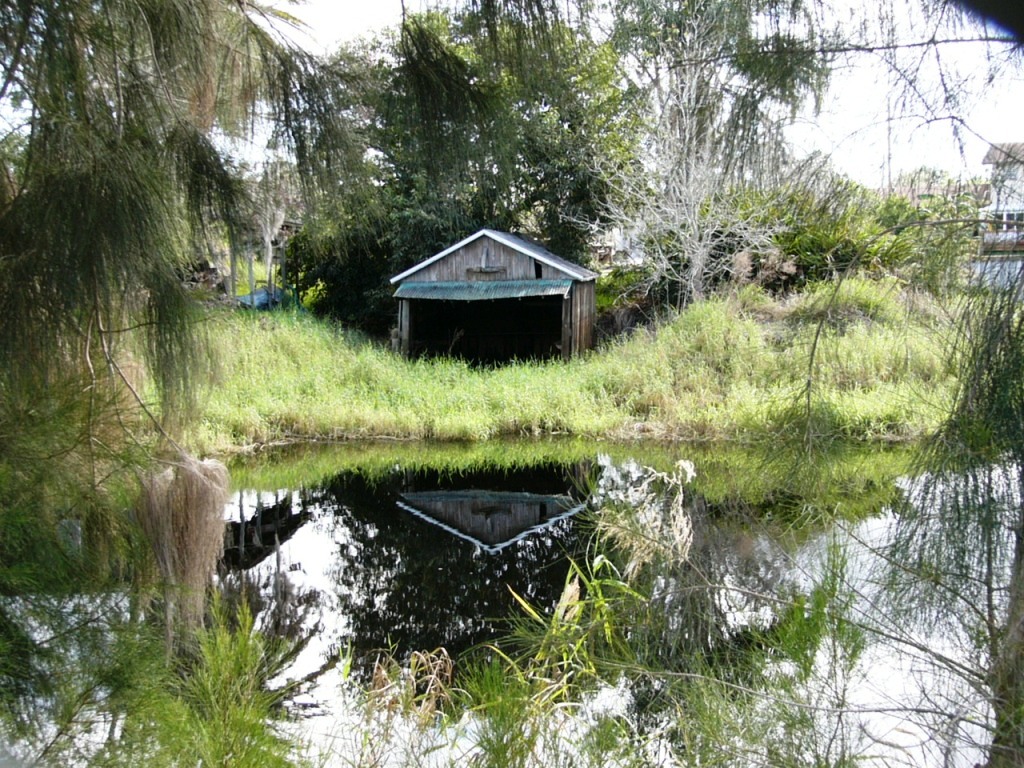
Lake Poinsett is a shallow, 4,134-acre lake with a muddy bottom and most water between 3 and 5 feet deep. The St. Johns River channel runs along the east side, and that's where you'll find the deepest water (up to 8 feet) and the best shot at striped bass and catfish, especially in summer. The west shore has more weed beds and fallen trees, making it prime for largemouth bass, bluegill, and pickerel. Crappie stack up around submerged brush and shallow flats in spring. For day one, launch at Lake Poinsett Lodge and Marina, then head for the river channel edges or the first drop-off west of the ramp. If you're after panfish or bass, work the weed lines and shallow cover on the west and north shores.
Season-by-Season Breakdown
- Winter (Dec–Feb, water 60–70°F): Largemouth bass bite well in January and February, especially on warming trends. Crappie start staging in shallow water. Catfish slow down but can be caught on warmer days. Bluegill action is limited, but some fish are still shallow on sunny afternoons.
- Spring (Mar–May, water 71–78°F): This is the best window for crappie (April–June), bluegill (March–May), and redear sunfish (May–June). Striped bass and sunshine bass turn on as water warms. Bass spawn in shallow cover. Catfish start feeding more as the water warms. Pickerel and other sunfish are active all spring.
- Summer (Jun–Aug, water 81–85°F): Striped bass, sunshine bass, and catfish all bite well in early morning and at night. Largemouth bass shift to deeper edges and feed at dawn and dusk. Bluegill and redear sunfish are on beds in June and July. Mayan cichlid action peaks July–September. White catfish are most active now.
- Fall (Sep–Nov, water 84–71°F): Striped bass and sunshine bass slow down after August, but some fish are still caught early in September. Bluegill and redear taper off, but pickerel and catfish keep biting. Crappie action picks up again in November as water cools, but the main bite is in spring. Mayan cichlids hang on through October.
If you only get one trip, late spring (April–June) lines up the most species and the best weather. Avoid December for panfish and catfish — the bite slows as water drops below 65°F.
What is Hard About This Water
Lake Poinsett is shallow and has a muddy bottom, which limits where you can run a big boat and makes it easy to get stuck if you stray from the channel. Wind can kick up a steep chop fast, especially with so much open water and little depth to settle the waves. Water clarity changes quickly after rain, and heavy runoff can cloud the lake and drop oxygen levels. There's only one public ramp, and it's marked as needing repair, so access can be tough if the water is low or if the ramp is crowded.
Safety
Watch for sudden storms and lightning, especially in summer. The shallow, muddy bottom can trap boats if you leave the marked channel, so use caution and check your depth often. If you fish from shore or wade, be alert for alligators along the edges, especially near weed beds and fallen trees. Heat and sun exposure are real risks on open water, so bring plenty of water and cover up.
Getting on the Water: Ramps and Access
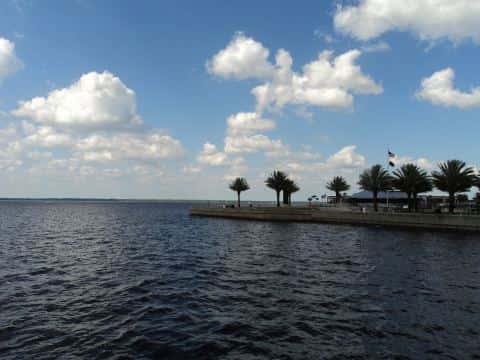
The main public access is at Lake Poinsett Lodge and Marina, which has a two-lane concrete ramp and trailer parking for about 25 rigs. There is a fee to launch. The dock is usable, but the ramp is marked as needing repair, so check conditions before you haul a big boat. Hours are not posted, so call ahead if you plan to launch at dawn or after dark. There are no other public ramps listed for the lake. The muddy bottom means you should use caution near shore, especially if the water is low.
Water and Conditions
Lake Poinsett is shallow, with most water between 3 and 5 feet deep and a muddy bottom throughout. Water clarity changes a lot — average Secchi depth is 1.5 feet, but it can drop to 0.3 feet after rain or reach 4 feet in dry spells. The latest reading (March 2025) showed 1.6 feet of clarity, about normal, but turbidity was above average. Water temperature runs from 60°F in January to 85°F in July and August. After heavy rain, runoff can cloud the water and drop oxygen. The lake connects to the St. Johns River and nearby lakes, so current can pick up after storms. Watch for floating debris and changing clarity, especially in summer storms.
Regulations
- Striped Bass, Sunshine Bass, White Bass: 20 total per day (all three species combined), only 6 may be 24 inches or longer. Open year-round. Freshwater fishing license required unless exempt.
- Largemouth Bass: 5 black bass (aggregate), only one may be 16 inches or longer. No minimum length. Open year-round. Freshwater license required.
- Black Crappie: 25 per day. No length limit. Open year-round. Freshwater license required.
- Panfish (Bluegill, Redear, Warmouth, Flier, Redbreast, Spotted Sunfish): 50 total per day (aggregate). No length limit. Open year-round. Freshwater license required.
- Channel Catfish: No statewide bag or possession limit, except as posted for Fish Management Areas. Freshwater license required.
- White Catfish, Chain Pickerel, Bowfin, Yellow Bullhead, Mayan Cichlid: No statewide bag or length limit for these species. Freshwater license required.
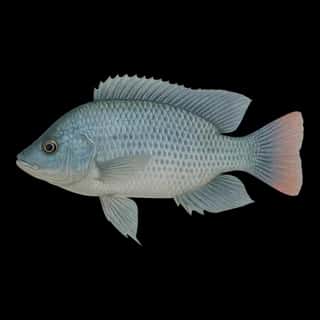
- Nonnative Handling (Mayan Cichlid, Blue Tilapia): Releasing or introducing any nonnative fish into Florida waters requires a permit from the Commission. No live nonnative fish (except variable platys and fathead minnows) may be transported for bait. Live specimens of Conditional and Prohibited species may not be possessed.
- License: A Florida freshwater fishing license is required unless exempt. Non-resident short-term licenses are available. Buy your license before you leave home.
Regulations can change, so anglers should verify the current rules with the Florida Fish and Wildlife Conservation Commission before fishing.
Pros and Cons
- Pros:
- Good striped bass and hybrid action in spring and summer
- Shallow, easy-to-read structure for bass and panfish
- One public ramp with trailer parking
- Wide range of sunfish and catfish
- Cons:
- Muddy bottom and shallow water limit big boat use
- Ramp needs repair; only one public launch
- Water clarity changes fast after rain
Final Verdict
Lake Poinsett is a shallow, muddy-bottom Florida lake that fishes best for striped bass, largemouth, crappie, and catfish. The bite lines up for most species in late spring and early summer, with striped bass and hybrids peaking May–July and bass biting well in winter and summer. One public ramp gives access, but low water and changing clarity can make things tricky for big boats. If you want a shot at stripers or a mixed bag of panfish and catfish close to Orlando, it's worth a look. If you need deep water, a marina, or multiple ramps, look elsewhere.