How to recognise it
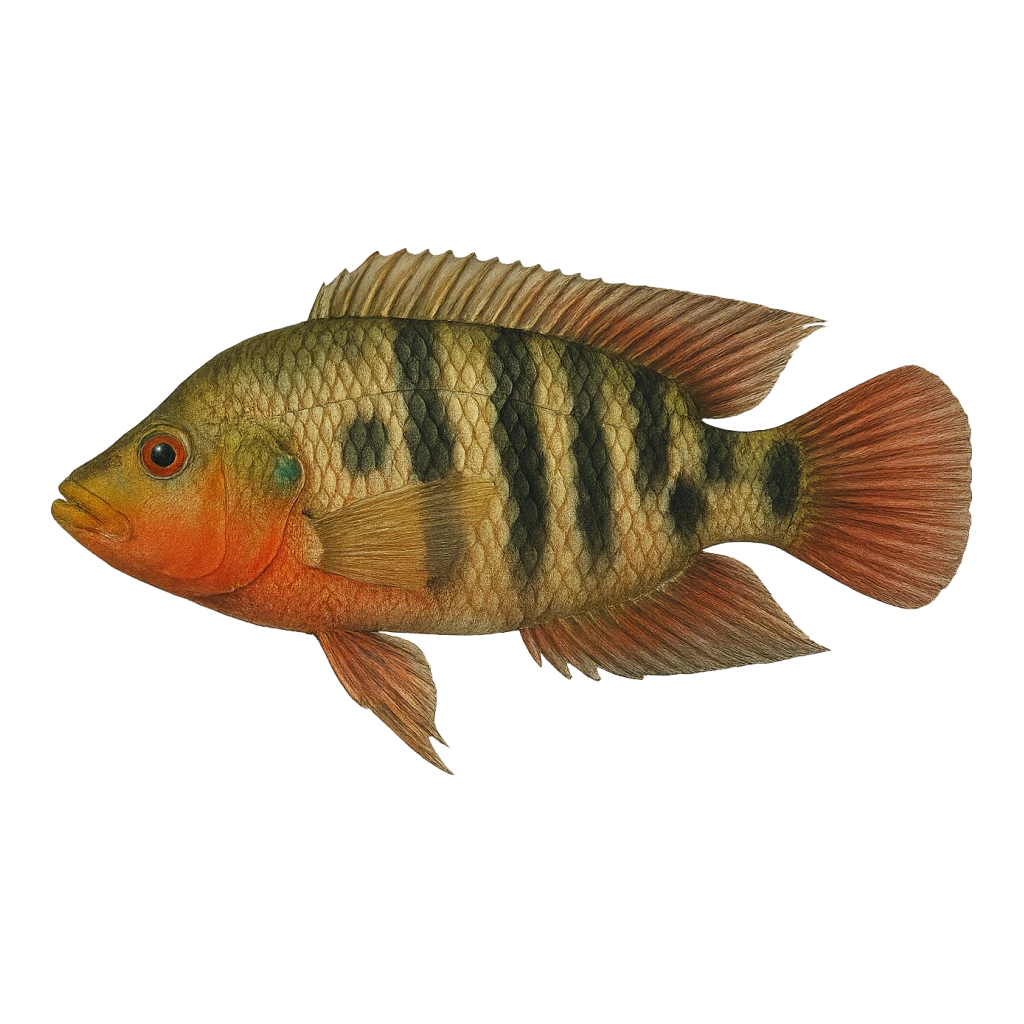
The Mayan Cichlid (Mayaheros urophthalmus) is a vibrant freshwater fish. It typically displays a mix of yellow, green, and blue hues. The body is elongated with a slightly compressed shape. One of its most distinctive features is the large, dark spot located near the base of the tail fin. The dorsal fin is long and pointed, while the anal fin is rounded. The mouth is slightly protruding, which aids in feeding on small invertebrates.
This species is often confused with the Midas Cichlid (Amphilophus citrinellus). The key detail that separates them is the Mayan Cichlid's unique dark spot on the tail, which the Midas Cichlid lacks.
Where it lives
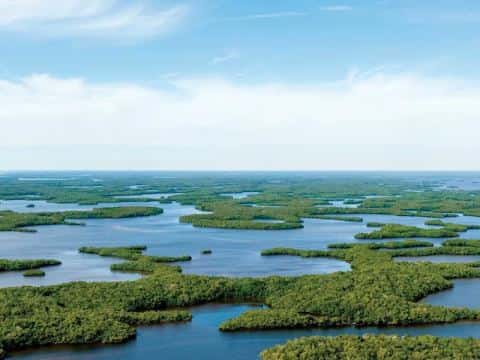
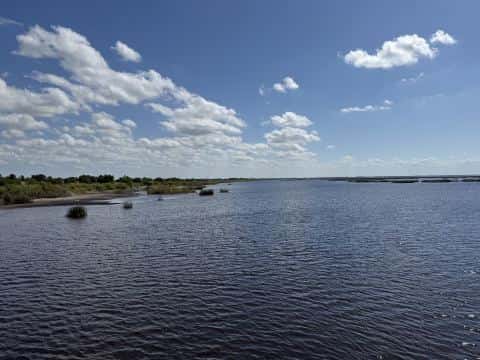
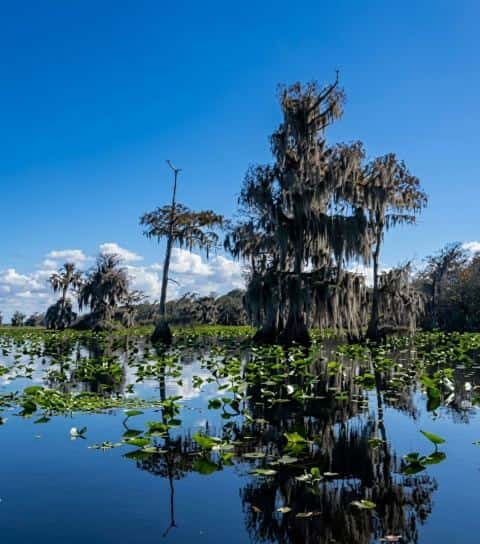
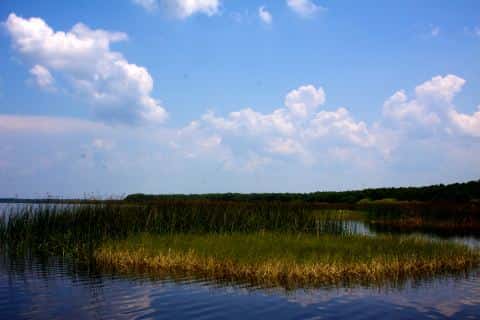
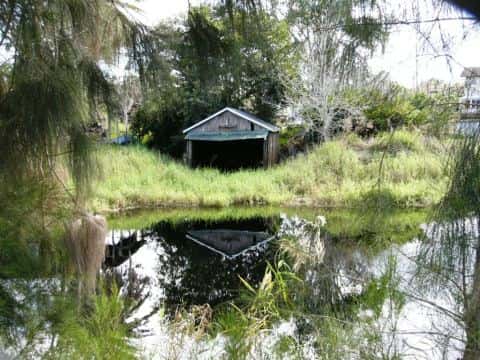
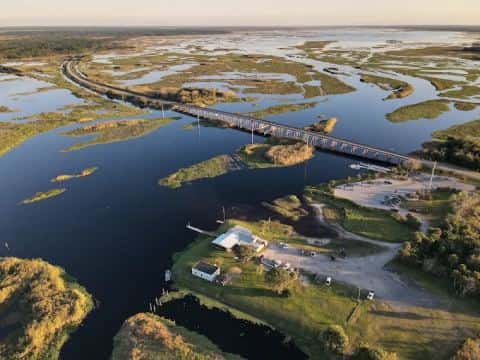
The Mayan Cichlid is primarily found in southern Florida, particularly in the Everglades and surrounding areas. It has also been reported in parts of Texas and California. This species prefers freshwater habitats such as lakes, rivers, and canals. It thrives in warm, shallow waters, typically at depths of 1 to 10 feet.
During warmer months, the Mayan Cichlid tends to move into shallower areas with abundant vegetation. In cooler months, it may retreat to slightly deeper waters. The presence of submerged structures, such as rocks and plants, provides essential cover throughout the year.
When it bites
Mayan Cichlids are most active from April to October. They prefer water temperatures between 70 and 85 degrees F for optimal feeding. Early morning and late afternoon are prime times for fishing, as they are more likely to be near the surface during these hours.
Weather changes can affect their behavior. A passing front may lead to increased activity, while strong winds can make them more cautious. A full moon often results in heightened feeding activity, making it an excellent time for anglers to target them.
How to catch it
To catch Mayan Cichlids, use light tackle with a 6 to 10-pound test line. A size 6 to 10 hook is recommended. Popular rigs include a simple slip sinker rig or a small jig head. Baits such as worms, crickets, and small minnows work well. For lures, try small spinners or soft plastics in bright colors like yellow or orange.
Cast near structures, such as submerged rocks or vegetation. Work the bait slowly, allowing it to sink and then retrieve it with a steady, gentle motion. Pay attention to any bites, as they can be subtle.
Size, age and the table
Mayan Cichlids typically range from 6 to 12 inches in length. A trophy specimen is generally considered to be over 12 inches. They grow rapidly, reaching maturity in about 1 to 2 years, and can live up to 10 years in the wild.
The eating quality of Mayan Cichlids is considered good, with a mild flavor. When handling them, use wet hands to prevent damage to their slime coat. If releasing, do so gently to ensure their survival. Always check local regulations regarding size limits and bag limits before fishing.