Blue Cypress Lake Fishing Guide: Largemouth Bass, Black Crappie, Bluegill & Best Spots
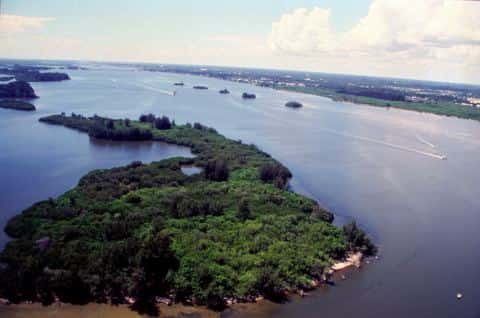
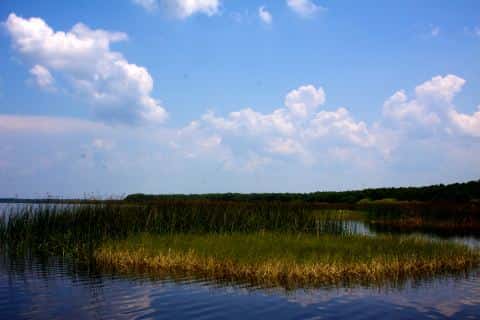
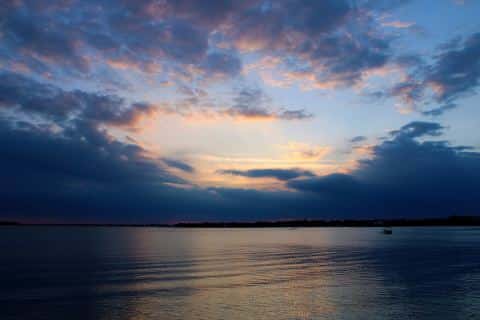
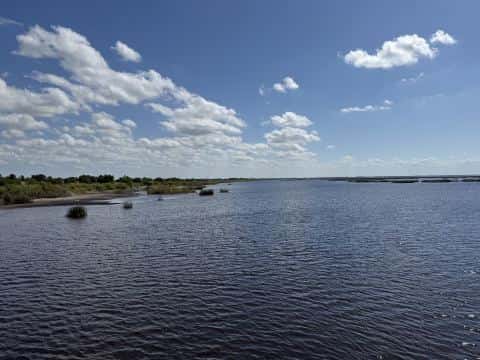
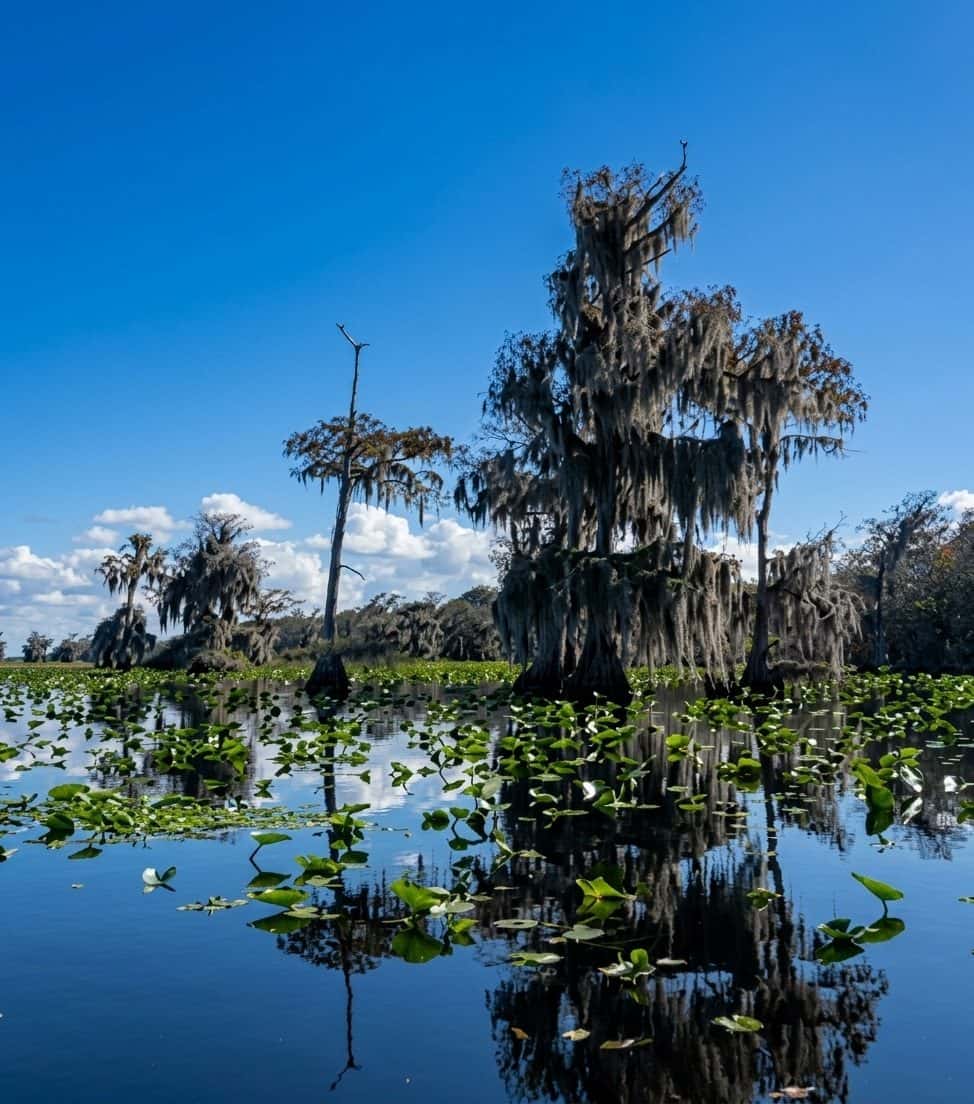
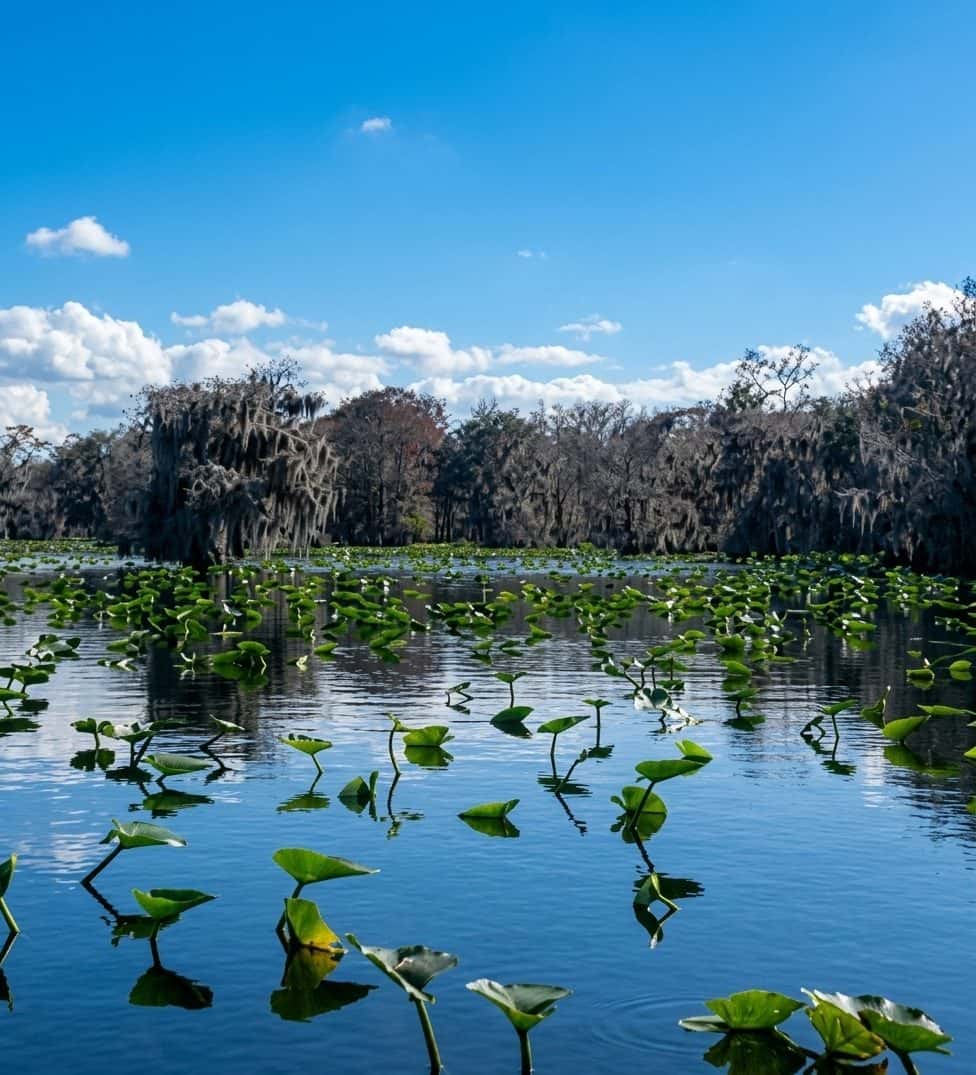
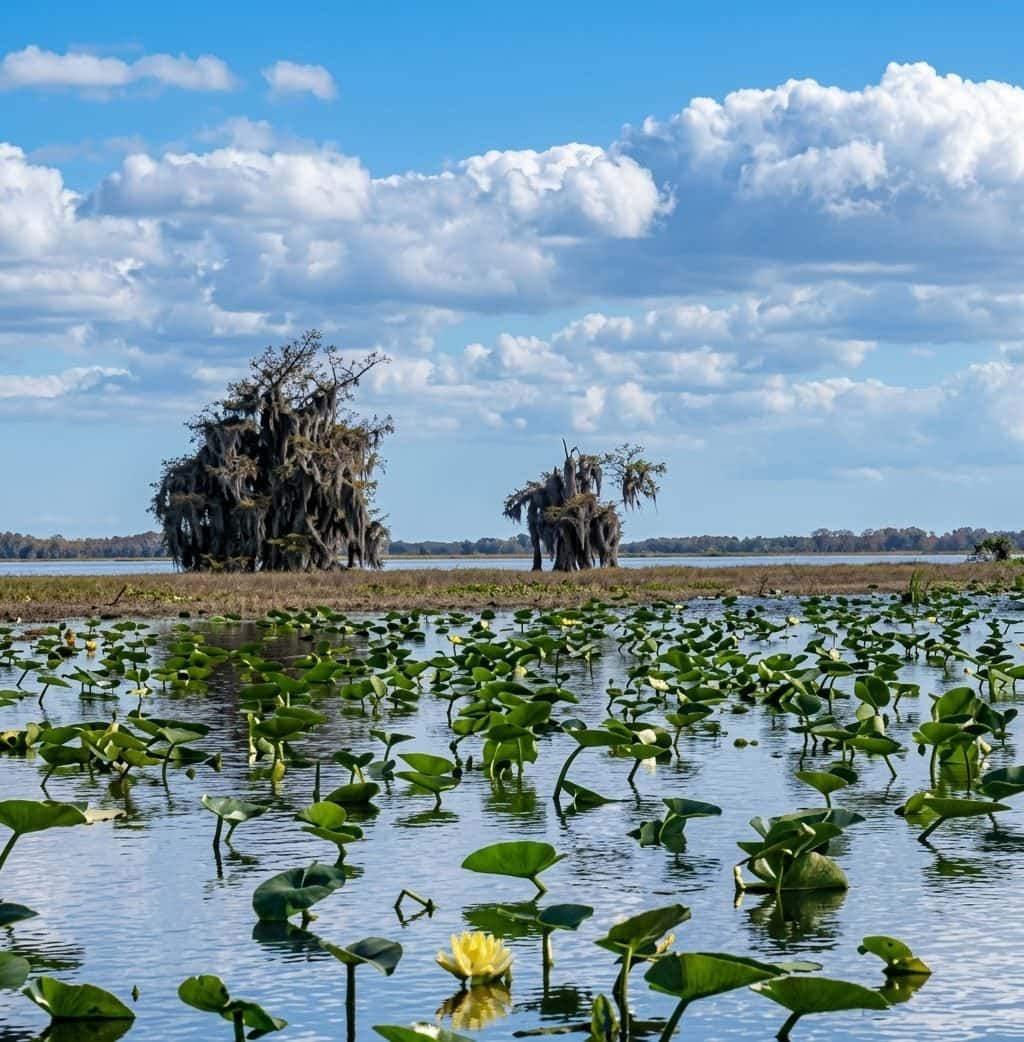
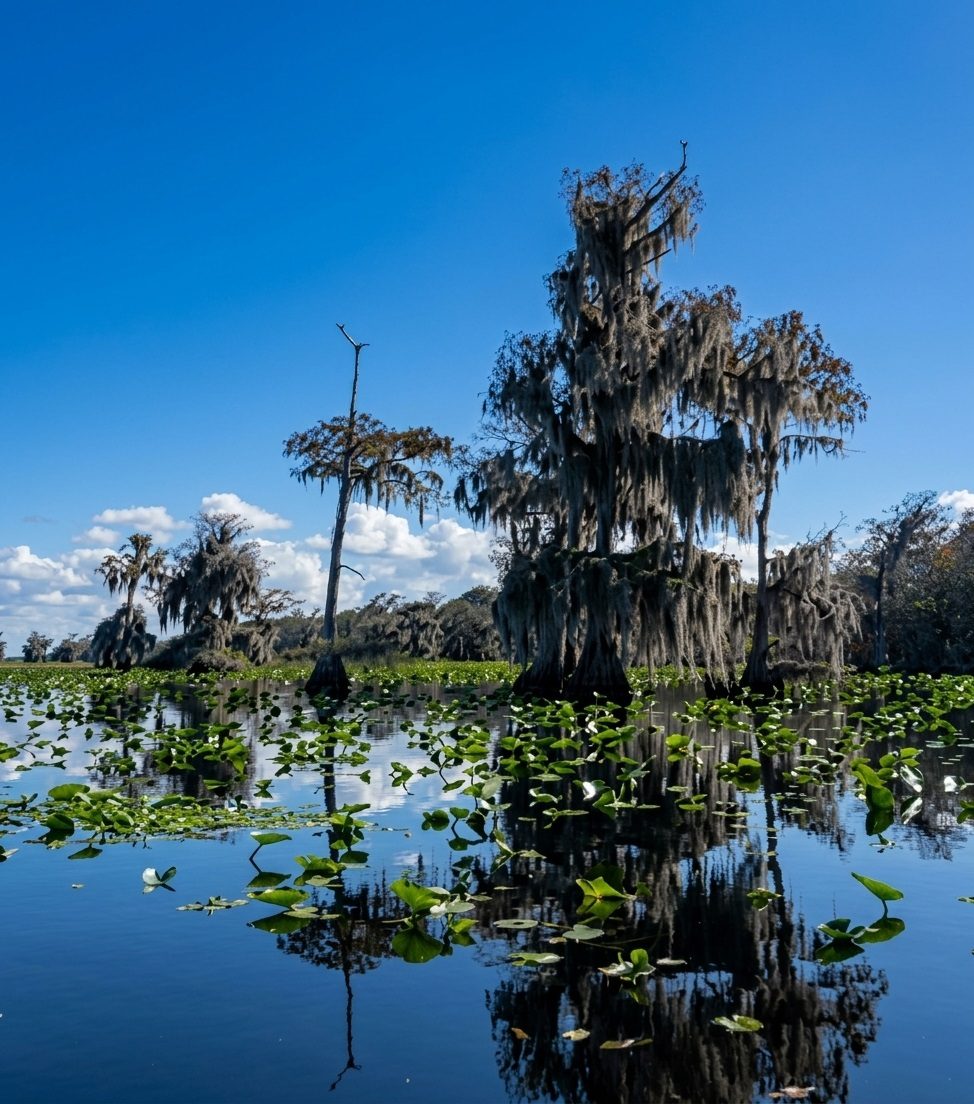
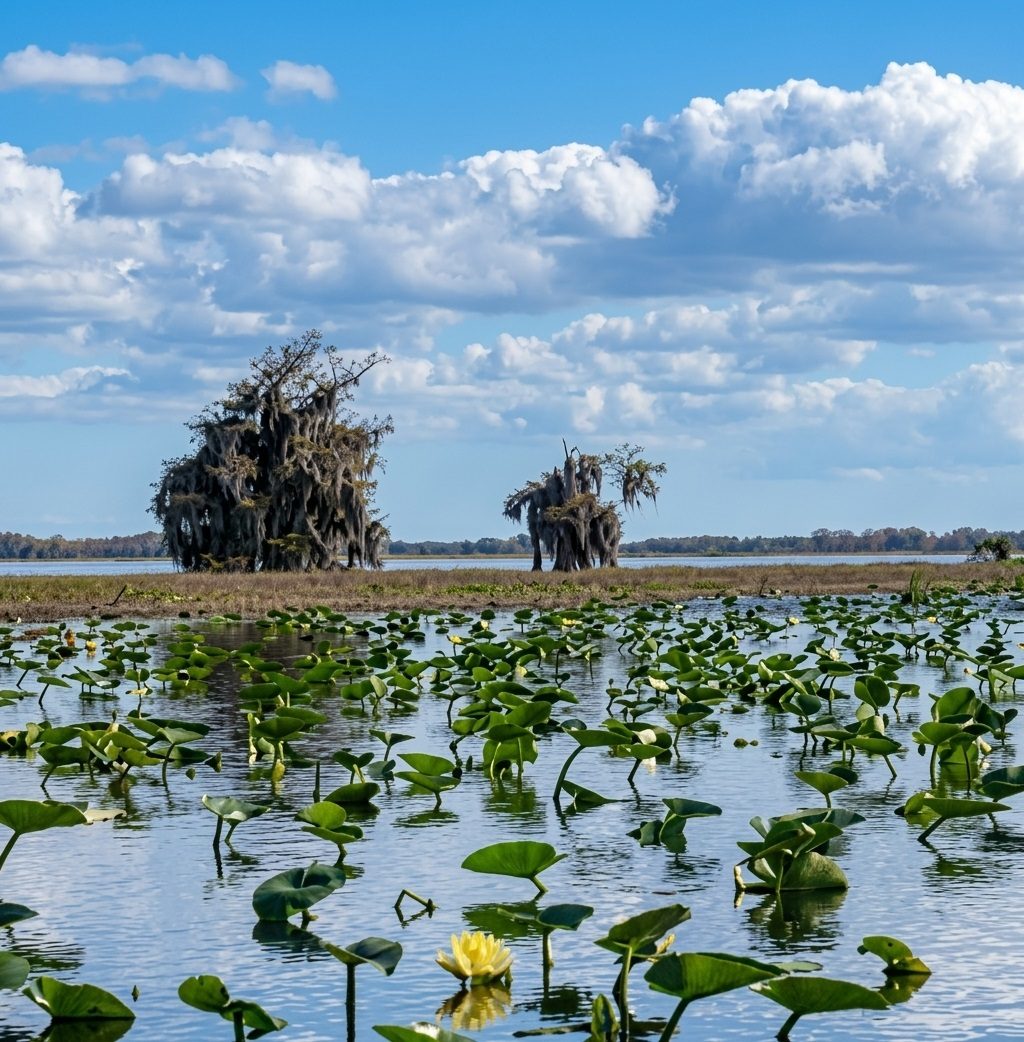
Blue Cypress Lake is a wild, 6,666-acre natural lake in Indian River County, Florida, about 20 miles west of Palm Bay. This is a classic Florida cypress lake, ringed by flooded trees and thick vegetation, with water that runs clear to stained depending on the season. The main targets here are largemouth bass, black crappie (specks), bluegill, and a mix of catfish and sunfish. The best months for bass are January through August, with crappie peaking April to June and bluegill biting strong March through August. You’ll need a boat to reach most of the good water, and the main public access is the Blue Cypress Lake South Ramp on the south shore. Start your day working the cypress edges and submerged timber near the west and north shores.
Positioning: Blue Cypress Lake vs. Stick Marsh and Lake Garcia
Blue Cypress Lake is less pressured than nearby Stick Marsh or Lake Garcia. It’s bigger, wilder, and has more natural shoreline—no levees or canals ringing the lake. You won’t find the same numbers of trophy bass as Stick Marsh, but Blue Cypress offers a quieter trip, more variety (pickerel, catfish, sunfish), and fewer crowds. If you want a shot at big bass and don’t mind fishing around other boats, Stick Marsh is the better bet. For a classic Florida cypress lake with solitude and steady action, Blue Cypress is the move.
Target Species and How to Fish Them
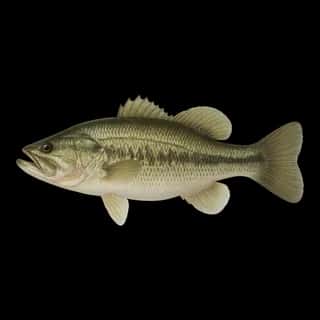
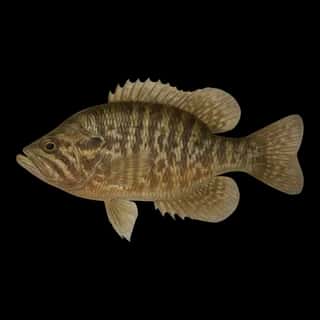
- Largemouth Bass: Work the shallow cypress edges, fallen trees, and weedlines all around the lake, especially on the west and north shores. The best bite is January, February, July, and August, with good fishing in March, June, and September. Bass here move shallow to spawn when the water hits the mid-60s in winter and spring, then shift to deeper cover as summer heats up. Bass feed best at dawn and dusk, and are triggered by warming trends and low light. Throw plastic worms (Texas rig), crankbaits, and spinnerbaits tight to cover. Early and late are prime, but you’ll pick up fish during the day if you work shade and deeper wood.
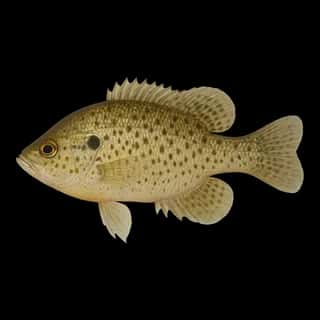
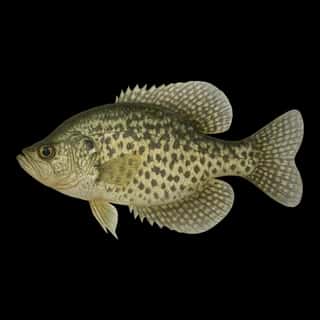
- Black Crappie (Specks): Target submerged brush, timber, and the edges of weed beds, especially near creek mouths and the north end. The top months are April, May, and June, with good action in March and July. Crappie feed best when water is 65–75°F, which lines up with spring and early summer. They bite at dawn, during the day, and at dusk. Use light tackle with slip bobbers and live minnows or small jigs. Focus on shallow cover during the spawn (April–May), then move deeper as the water warms.
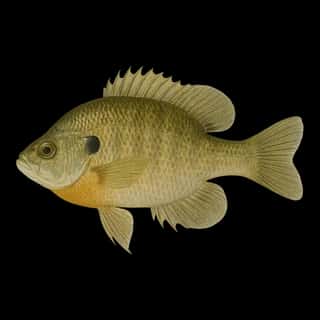
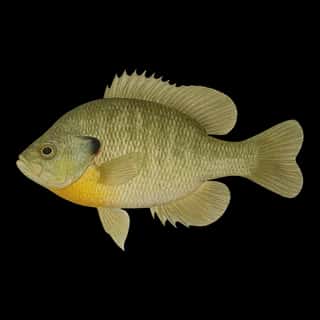
- Bluegill: Fish around fallen trees, weed beds, and docks—anywhere with cover and a hard bottom. Bluegill bite best March through August, with peak action in spring and summer. They feed at dawn, during the day, and at dusk. Use worms or crickets under a bobber, or small jigs. Look for bedding bluegill in shallow sandy spots in late spring and early summer.
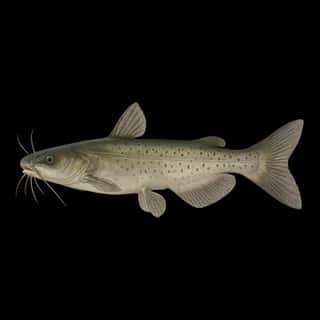
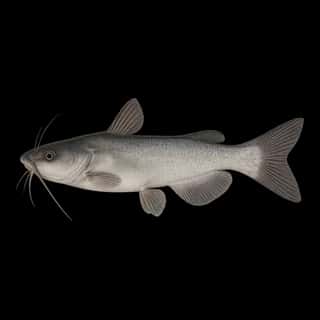
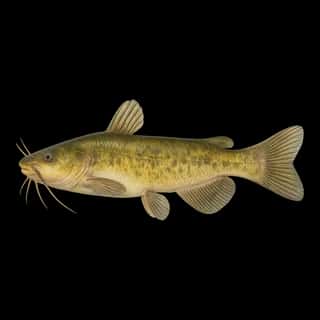
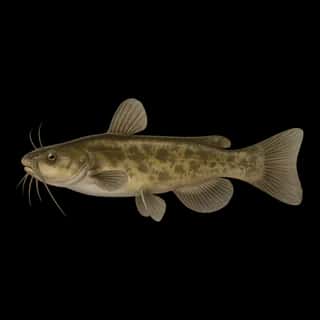
- Channel Catfish: Target deeper holes, creek mouths, and around submerged timber. The best bite is May through August, with good fishing in March, April, and September. Catfish feed most at dusk and after dark, especially when the water is warm. Use chicken liver, stink bait, or cut bait on a slip sinker rig. Let your bait sit on the bottom near cover and wait for a strong pull.
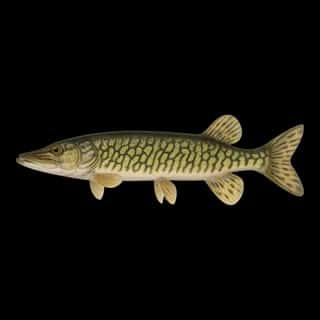
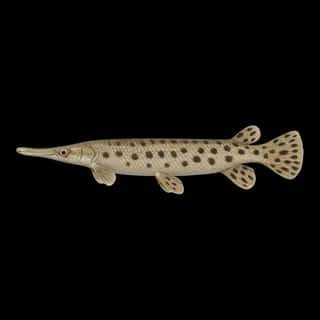
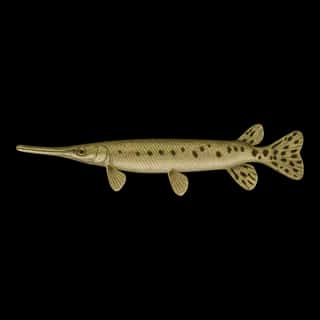
- Chain Pickerel: Cast spinnerbaits, crankbaits, or live minnows along weed edges, lily pad fields, and submerged grass. They bite at dawn, during the day, and at dusk. Focus on areas with thick vegetation or submerged wood.
- White Catfish: Fish near submerged trees, rocks, and deeper cover, especially on warm summer nights. Peak months are June through September, with good action March through May and in October. Use chicken liver, nightcrawlers, or cut bait on the bottom. White catfish feed at dawn, dusk, and night.
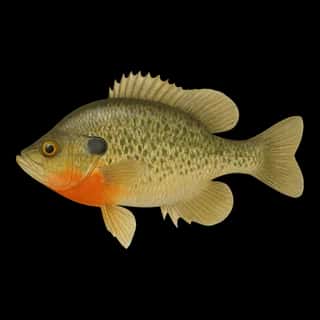
- Redear Sunfish (Shellcracker): Look for sandy or gravelly bottom near vegetation or submerged wood. The best bite is May and June, with good fishing March, April, July, and August. Use red wigglers, crickets, or small jigs on light tackle. Redear feed mostly at dawn and dusk.
- Warmouth, Redbreast, and Spotted Sunfish: All three sunfish species hold tight to cover—fallen trees, vegetation, and brush piles. They bite best March through June, with some action in February, July, August, and September. Use worms, crickets, or small jigs on light tackle.
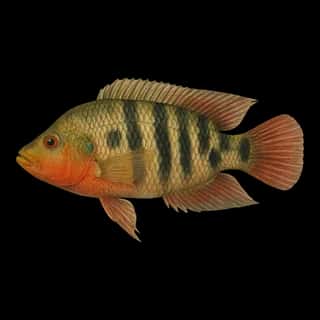
- Mayan Cichlid (Nonnative): Fish rocks and submerged vegetation, especially in summer and fall (July–October). Use worms, minnows, or small lures. Mayan cichlids are aggressive during the day and at dusk when water is 75–82°F. See regulations for handling rules.
Where to Fish: Spots, Structure, and Depth
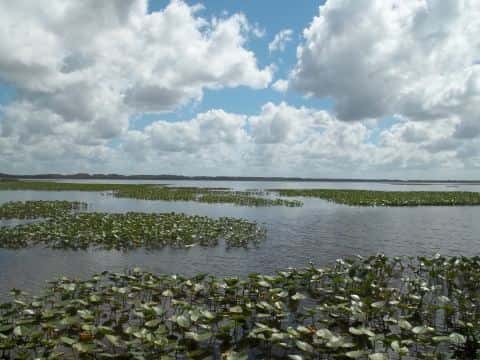
Blue Cypress Lake is a classic cypress bowl with flooded trees, submerged timber, and thick weedlines around the edge. The west and north shores have the most cypress knees and fallen wood—prime for bass, crappie, and sunfish. Creek mouths like Mudfish Slough and Blue Cypress Creek bring in fresh water and bait, making them good spots for catfish and crappie, especially after rain. The south end has more open water and fewer trees, but you’ll still find fish around isolated cover. The lake averages about 8 feet deep, but depth varies with rainfall and wind. Focus on shallow cover in spring, then move to deeper timber and creek channels as the water warms up. The water can run clear to stained depending on wind and rain—clarity averages 3.7 feet, but can drop below a foot after storms.
Season-by-Season Breakdown
- Winter (December–February): Water temps run 62–71°F. Bass move shallow to spawn, especially January and February—this is the trophy window. Crappie start staging near shallow cover. Bluegill and sunfish are slower but catchable on warm spells. Catfish are less active but still bite on sunny afternoons.
- Spring (March–May): Water warms to 72–82°F. Bass finish spawning and feed up before moving deeper. Crappie peak in April and May—work shallow brush and timber. Bluegill, redear, and sunfish bed in colonies in May and June. Catfish and pickerel action picks up as the water warms.
- Summer (June–August): Water hits 85–86°F. Bass shift to deeper cover and feed early and late. Bluegill and redear keep bedding into July and August. Catfish bite best at night. Mayan cichlid and pickerel are active in the heat. Fish deeper timber or creek mouths for steady action.
- Fall (September–November): Water cools to 69–84°F. Bass and crappie feed up before winter, with good action in September. Bluegill and sunfish slow down as water drops below 70°F. Catfish and pickerel still bite on warm days. By November, most fish move deeper and slow down.
Getting on the Water: Ramps and Access
The main public access is the Blue Cypress Lake South Ramp, located on the south shore. It has one concrete lane, a dock, and room for about 15 trailers on firm unpaved parking. Restrooms are flush toilets. There’s no launch fee, and the ramp is operated by Indian River County. The ramp is open to the public, but hours aren’t posted—plan to arrive at first light for the best bite and parking. Most of the shoreline is wild and undeveloped, so a boat is the only way to reach the best fishing. Kayaks and small boats can launch here, but watch for wind—this is a big, open lake.
Water and Conditions
Blue Cypress Lake water temperatures run from the low 60s in winter to the mid-80s in summer. The latest reading (July 2025) was 86°F, a bit above normal for that time of year. Water clarity averages 3.7 feet but can drop to less than a foot after storms or wind. The lake is stained to clear, with a lot of submerged wood and vegetation. Dissolved oxygen runs about 7.5 mg/L, which is healthy for fish. The water level can change with rainfall, but there’s no major drawdown or dam control—expect natural fluctuations. The bottom is mostly soft muck with scattered sand and shell patches, especially near the west shore.
Regulations
- Largemouth Bass: No minimum length limit. Bag limit is 5 black bass (all species combined), only one may be 16 inches or longer. Only one fish over 16 inches per day. Florida freshwater fishing license required unless exempt.
- Black Crappie: No length limit. Bag limit is 25 crappie per day. Open year-round. Freshwater license required unless exempt.
- Bluegill, Redear, Warmouth, Redbreast, Spotted Sunfish: No length limit. Bag limit is 50 panfish per day (aggregate for all sunfish species). Open year-round. Freshwater license required unless exempt.
- Channel Catfish: No statewide bag or possession limit, but check for any Fish Management Area rules before keeping catfish. Freshwater license required unless exempt.
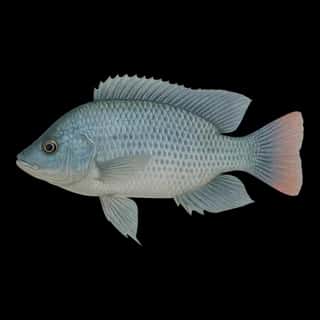
- Mayan Cichlid and Blue Tilapia (Nonnative): Releasing or introducing any nonnative fish into Florida waters requires a permit from the Commission. Live specimens of Conditional and Prohibited nonnative species may not be possessed. No live nonnative fish, except variable platys and fathead minnows, may be transported to or between waters for use as bait.
- License: A Florida freshwater fishing license is required for all anglers unless exempt. Non-resident short-term licenses are available. Buy your license before you leave home.
Regulations can change, so anglers should verify the current rules with the Florida Fish and Wildlife Conservation Commission before fishing.
Shore and Boat Access
Shore fishing is limited—most of the shoreline is wild, flooded cypress or private. The county ramp has a small park area with a dock and some bank access, but the best fishing is by boat. There are no public fishing piers. The single public ramp is on the south shore and takes all boat sizes that can launch from a single concrete lane. Parking is limited, so arrive early on weekends. Bring everything you need, including bait, tackle, and ice.
Trip Logistics
The nearest city with services is Palm Bay, about 20 miles east. The closest airport is Melbourne (MLB), 27 miles away; Orlando International (MCO) is 59 miles. Blue Cypress Lakeside Cabins offers waterfront lodging and is about four miles from State Road 60. Book lodging well ahead for spring and early summer, when the bite is best. There are no tackle shops or fish camps with boat rentals on the lake itself.
Ecology
Blue Cypress Lake is a natural cypress lake with healthy water quality. Clarity averages 3.7 feet but can drop below a foot after storms. Water temperatures run from 62°F in winter to 86°F in summer. The lake supports a self-sustaining fishery—no recent stocking records for bass or crappie. Nonnative Mayan cichlid and blue tilapia are present; follow FWC rules for handling and transport.
What’s Hard About This Water
Wind is the big challenge—Blue Cypress is wide open, and a strong wind stacks up a steep chop fast. The soft muck bottom makes it easy to get stuck if you run shallow, especially on the west shore. There’s only one public ramp, and parking fills up on weekends. Shore access is thin, and most of the fishable water is only reachable by boat. The fishery is wild—no stocking, so numbers can swing year to year.
Safety
Watch the weather—lightning and afternoon storms are common in summer. The lake is big and open, so wind can make it dangerous for small boats. Alligators are present, especially near the bank and in flooded timber. If you’re fishing from a kayak or wading, stay alert and keep your distance from wildlife.
Pros and Cons
- Wild, natural shoreline
- Good bass and crappie action
- Low fishing pressure
- One public ramp, easy access
- Wind can make it rough fast
- Limited shore fishing
- Parking fills up on weekends
Final Verdict
Blue Cypress Lake is a classic Florida cypress lake for anglers who want wild water, steady bass and crappie action, and a shot at big bluegill and catfish. The best months are January–August for bass, April–June for crappie, and March–August for bluegill. You’ll need a boat to fish it right, and you’ll have to bring your own bait and tackle. If you want a quieter trip with good variety and don’t mind the lack of marinas or rentals, Blue Cypress is a solid pick. If you need easy shore access or a shot at trophy bass every trip, Stick Marsh or Garcia might be better. For a wild Florida experience, this lake delivers.