How to recognise it
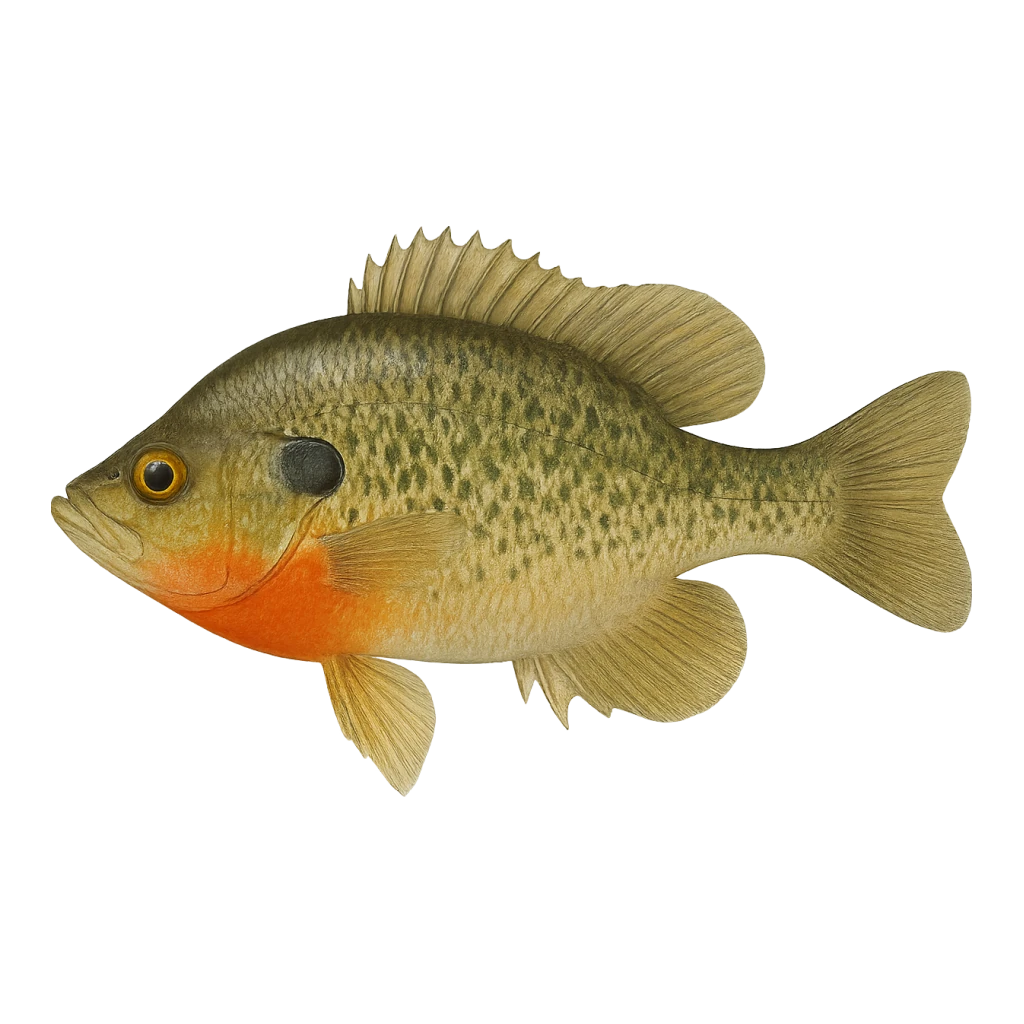
The Redbreast Sunfish, or Lepomis auritus, is a distinctive freshwater species. It features a vibrant coloration with a blue-green body and a bright orange to red breast. The sides are often adorned with dark spots. The dorsal fin is long and pointed, with a dark edge. The mouth is small and slightly upturned. This species is often confused with the Pumpkinseed Sunfish (Lepomis gibbosus). The key detail that separates them is the Redbreast's longer pectoral fins, which extend past the eye.
Where it lives
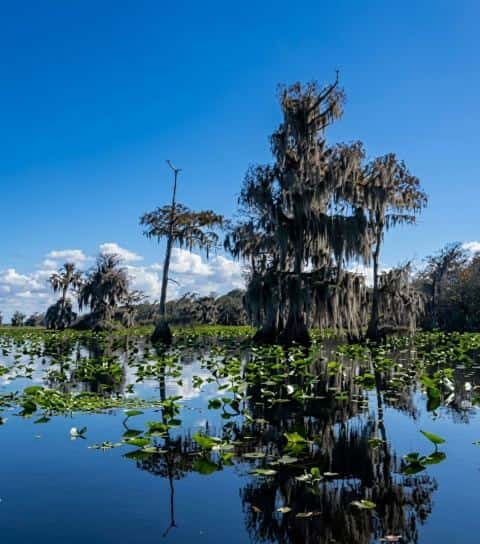
The Redbreast Sunfish is widely distributed across the eastern United States, from New York to Florida, and west to the Mississippi River. They prefer warm, slow-moving waters such as streams, rivers, ponds, and lakes. Typically, they inhabit depths of 1 to 10 feet. During spring and summer, they seek cover in submerged vegetation, fallen trees, and rocky areas. In winter, they may move to deeper waters but will still remain near cover.
When it bites
The Redbreast Sunfish is most active from late spring through early fall. They bite best when water temperatures range from 65 to 80 degrees F. Early morning and late afternoon are peak feeding times. A passing cold front can trigger a short feeding frenzy, while windy conditions may make them less active. A full moon often enhances their feeding behavior, leading to increased activity during the night.
How to catch it
To catch Redbreast Sunfish, anglers can use a variety of rigs. A simple bobber rig with a small hook (size 8 to 10) and light line (4 to 6 lb test) works well. Live bait such as worms, crickets, or small minnows are effective. For lures, small jigs (1/16 to 1/8 oz) in bright colors like chartreuse or orange can attract them. Cast near cover and retrieve slowly, allowing the bait to sink slightly before reeling in. Vary the speed of retrieval to find what triggers their bite.
Size, age and the table
Anglers typically encounter Redbreast Sunfish ranging from 6 to 10 inches in length. A trophy specimen is considered to be over 12 inches. They grow quickly, reaching maturity in about 2 to 3 years, and can live up to 6 years. The flesh is firm and has a mild flavor, making them a popular choice for the table. When handling, wet your hands to avoid damaging their slime coat, and release any fish you do not plan to keep promptly to ensure their survival.