Orange Lake Fishing Guide: Largemouth Bass, Bluegill, Black Crappie & Best Spots
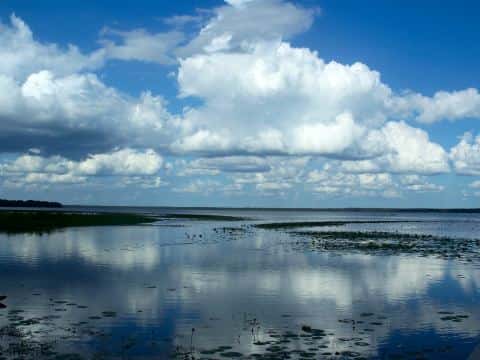
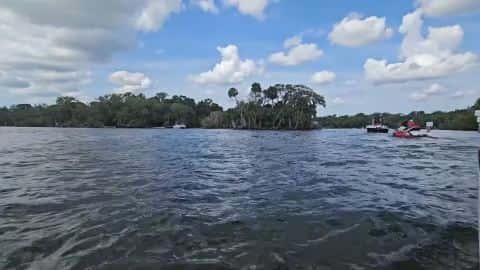
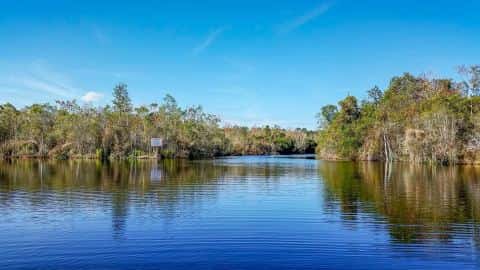
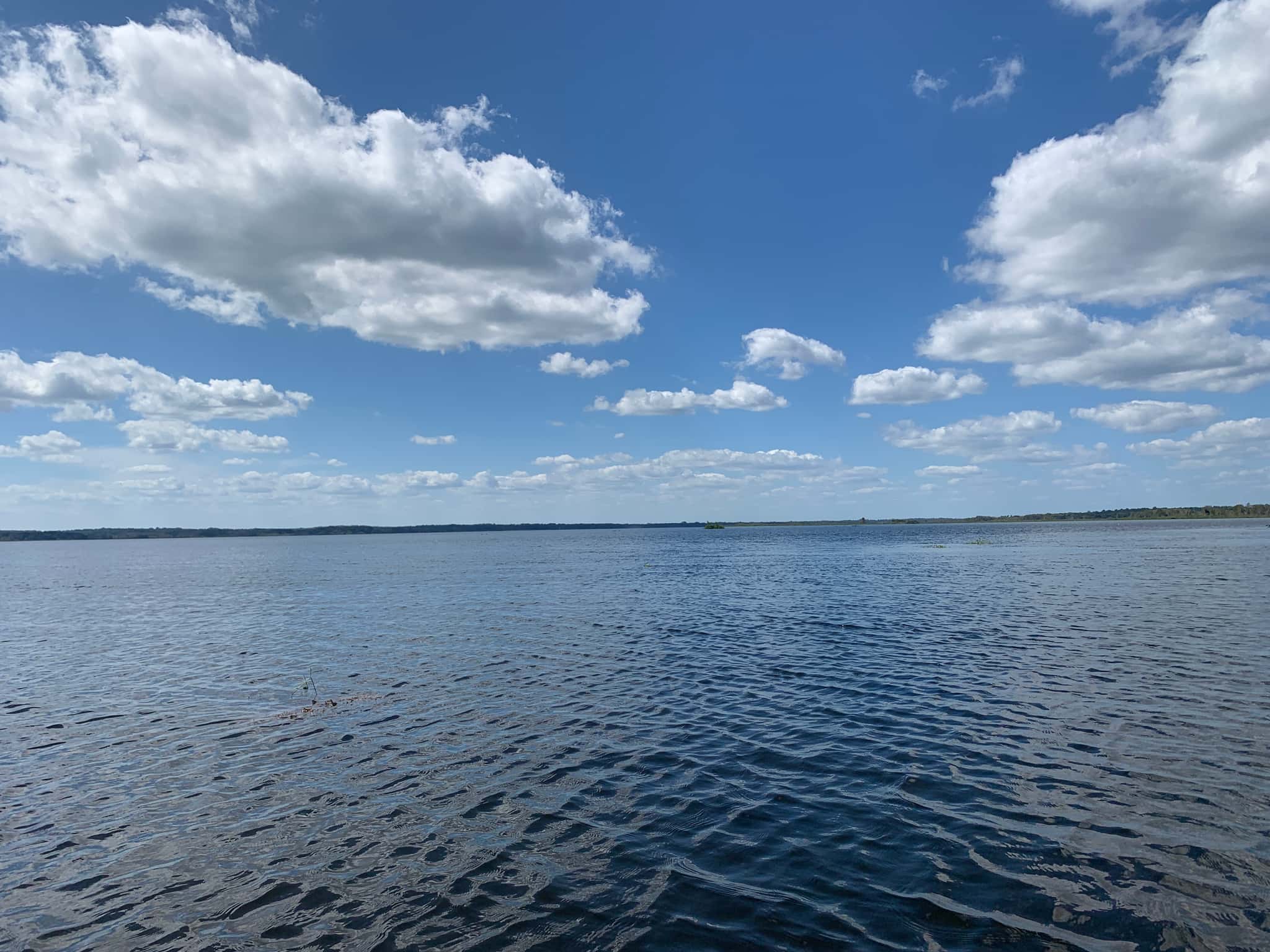
Orange Lake is a 7,281-acre shallow lake in Alachua County, Florida, known for trophy largemouth bass, strong bluegill and crappie bites, and thick vegetation. The best fishing runs January–August for bass, with bluegill and crappie peaking in spring and summer. You’ll want a boat to reach the best water, and right now, low water levels mean the Heagy Burry ramp is your main access. Start your day working the pads and hydrilla lines on the east and south shores, or try McIntosh Bay for thick cover and big bass.
Why Fish Orange Lake Instead of Lochloosa or Rodman?
Orange Lake stands out for its shallow, vegetation-rich water and big bass potential. Unlike Lochloosa, which connects via Cross Creek but is hard to reach at low water, Orange Lake has more open water and thicker hydrilla, making it a top pick for anglers who like punching mats and working pads. Rodman Reservoir is deeper and more controlled, but Orange Lake’s natural cycles and less-pressured fish can mean better action, especially after a quiet year like this one. If you want thick cover, big bass, and a shot at panfish in the same trip, Orange Lake is the call.
Target Species and How to Fish Them
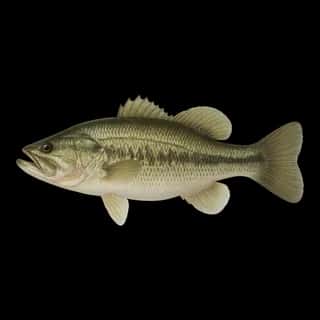
Largemouth Bass
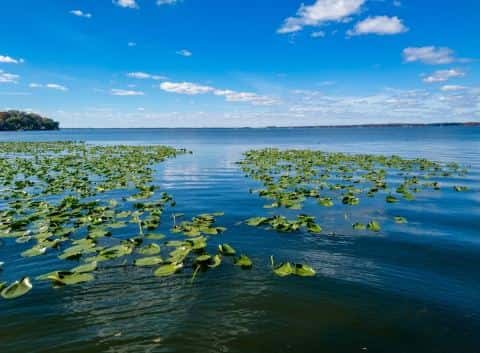
Bass fishing here is all about working shallow cover. Focus on the eastern and southern shorelines, where pads and topped-out hydrilla are thick. The bite peaks in January, February, July, and August, with good action in March, June, and September. Bass move shallow to spawn as water hits the low 60s in winter and early spring, then shift to deeper edges and thick mats as the water warms. Changes in water temperature and light levels drive the bite, so hit the water at dawn or dusk. Topwater baits, frogs, soft plastics, and bladed jigs work well. In summer, punch heavy soft plastics through hydrilla mats. Daytime fishing can be good, but low light is best.
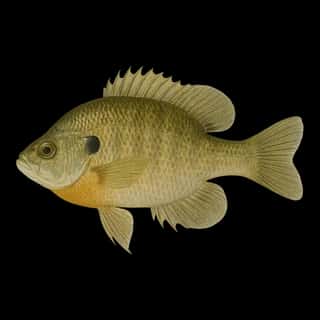
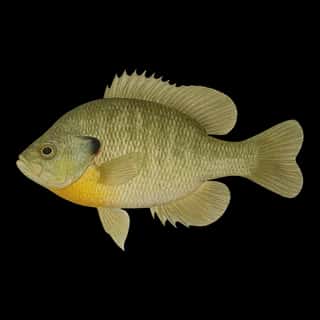
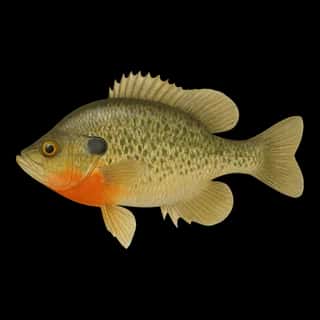
Bluegill
Bluegill are thick from March through August, with the best action May–August. Target the edges of pads, submersed vegetation, and shoreline cover—especially on the east and south sides. Bluegill feed most at dawn and dusk, but you’ll find steady bites during the day. Use light tackle with worms or crickets under a bobber, or small jigs near cover.
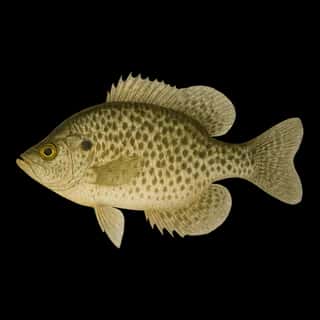
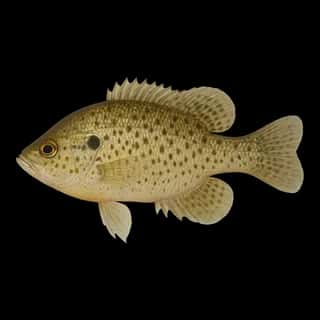
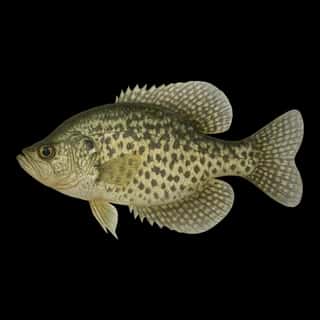
Black Crappie
Crappie (specks) peak April–June, with good fishing in March and July. Try open water spider rigging in summer, or target brush piles and submerged structure early. Slip bobbers with minnows or bright jigs are the go-to. Dawn and dusk are best, but crappie will bite all day if you find them.
Redfin Pickerel
Redfin pickerel are most active April–July, with some action in March and August. They like the same shallow, weedy areas as bass—look for fallen trees or thick grass. Early morning and late evening are prime. Use small minnows, spinnerbaits, or topwater lures on medium spinning gear.
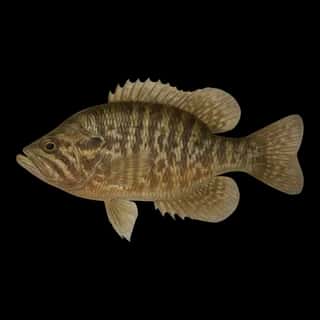
Warmouth Sunfish
Warmouth bite best March–June, with some action in February and July. Fish shallow cover—fallen trees, rocks, or thick vegetation—using live minnows, crickets, or soft plastics. Dawn and dusk are best, but you’ll pick them up during the day too.
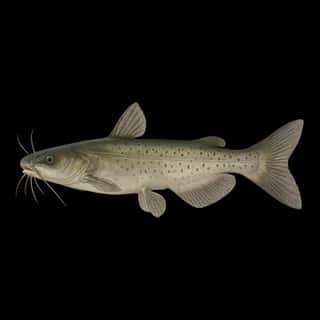
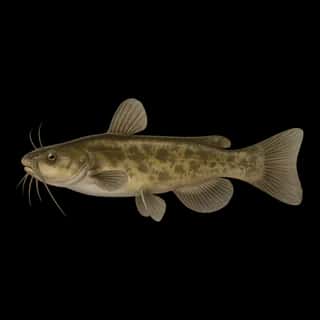
Channel Catfish
Catfish fishing heats up May–August, with good bites in March, April, and September. Look for them near fallen trees or along muddy banks, especially at dusk and into the night. Use chicken liver, stink bait, or cut bait on a slip sinker rig. Night fishing is best.
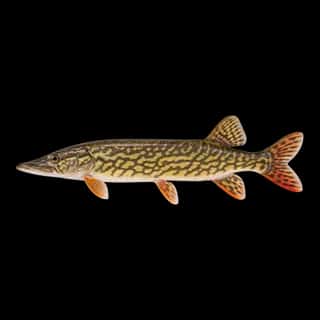
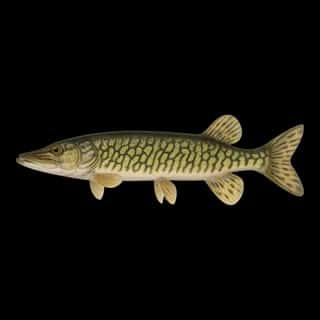
Chain Pickerel
Chain pickerel are a steady bite March–October. Fish the edges of lily pads and submerged vegetation with spinnerbaits or live minnows. They’re aggressive and will hit during the day as well as at dawn and dusk.
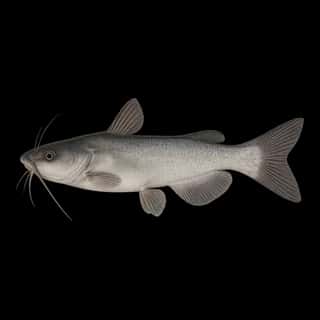
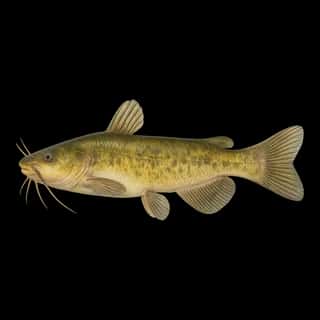
White Catfish
White catfish feed hard June–September, with good action March–May and in October. They hang near structure—logs, rocks, or thick weeds. Use nightcrawlers, chicken liver, or cut bait, especially at night or low light.
Redear Sunfish
Redear (shellcracker) peak in May and June, with good fishing March–April and July–August. Target sandy or gravelly spots near vegetation with red wigglers, crickets, or small jigs. Early morning and late afternoon are best.
Flier Sunfish
Flier sunfish bite July–October, with some action in May and June. Fish shallow, weedy water with small jigs or worms, especially near fallen trees or thick cover. They’ll bite during the day and at dusk.
Bycatch
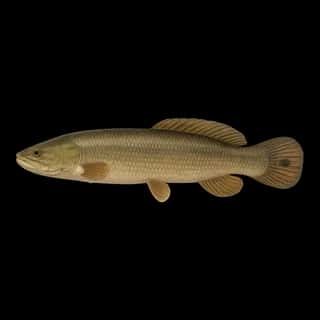
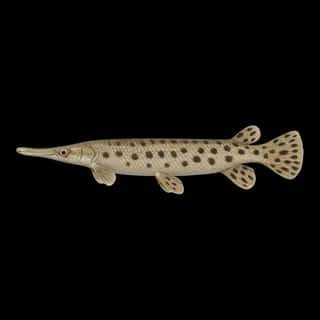
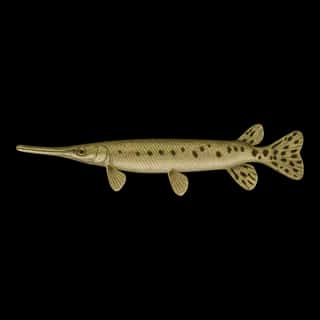
You’ll also pick up bowfin and Florida gar while fishing for bass and panfish.
Where to Fish: Spots, Structure, and Depth
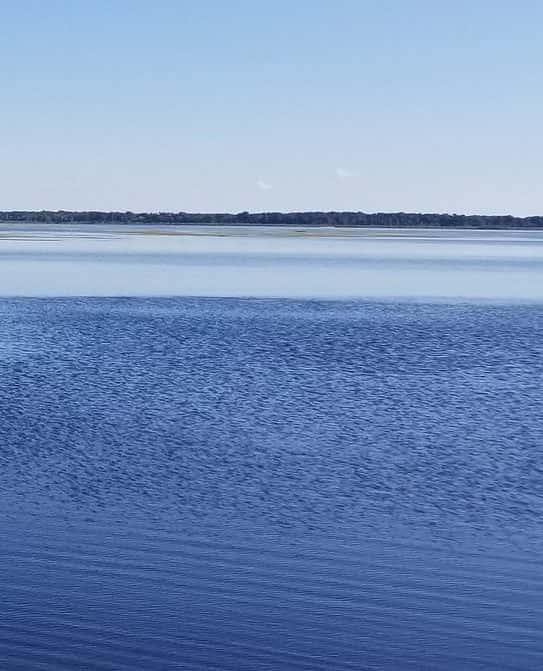
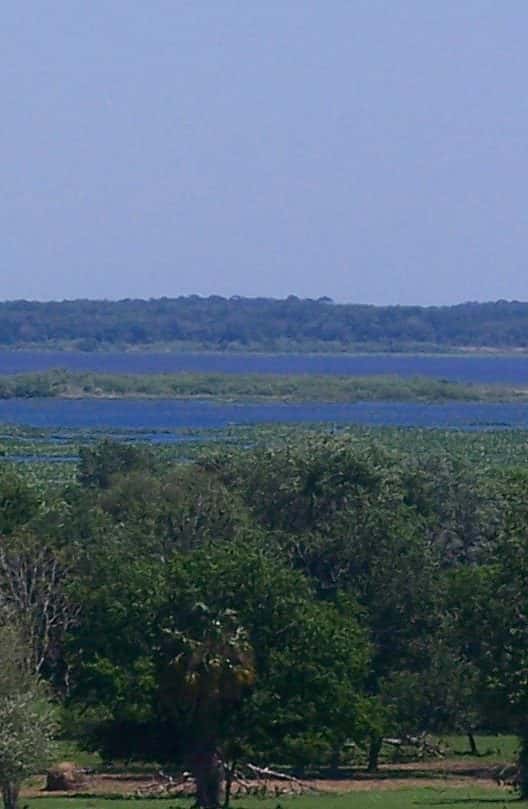
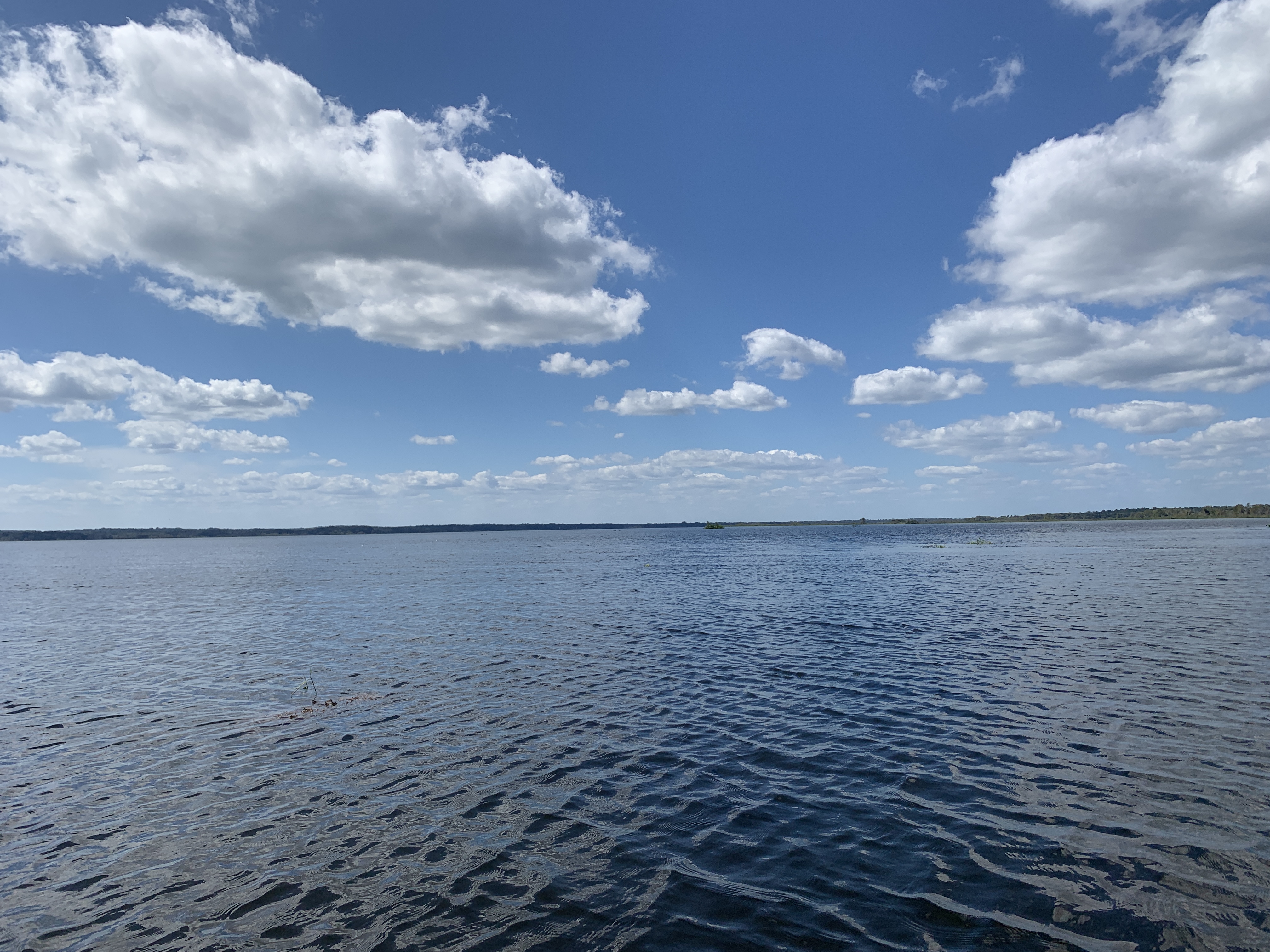
Orange Lake is shallow, with nearly half the water under 3 feet and most of the rest under 7 feet. The best fishing is around the pads and hydrilla beds on the eastern and southern shores. McIntosh Bay in the southwest is loaded with thick hydrilla—work the marked boat trails and edges for bass. The open water in the center holds crappie in summer, especially for spider rigging. Bluegill and redear stack up near pads and shallow vegetation during their spawn. Catfish and pickerel hang near fallen trees and muddy banks, especially on the west side. The shoreline is a mix of pads, grass, and soft bottom—watch for submerged hazards, especially at low water.
Season-by-Season Breakdown
Winter (Dec–Feb): Water temps drop to 61–64°F. Bass move shallow to spawn—January and February are prime for big fish. Bluegill and panfish slow down but can be caught in deeper holes or near cover. Crappie start staging for the spring bite.
Spring (Mar–May): Water warms from 68–74°F. Bass finish spawning and start feeding up. Bluegill, warmouth, and redear sunfish move shallow to spawn—March through June is the best panfish window. Crappie spawn in April and May, then move deeper.
Summer (Jun–Aug): Water peaks at 83–86°F. Bass feed aggressively early and late, especially in thick hydrilla. Bluegill and redear are still active, with bluegill bedding into August. Catfish and pickerel bite well at night or in low light. Crappie shift to open water.
Fall (Sep–Nov): Water cools from 83°F in September to 76°F in October. Bass and panfish action slows but can still be good on warm days. Crappie start moving shallow again as water cools. By late fall, most fish slow down and move deeper.
Where This Water Is Hard
Orange Lake is tough on boaters when water levels drop. Nearly half the lake is less than 3 feet deep, and low water exposes soft bottom and submerged hazards that can stop you fast. Thick hydrilla mats block access to some areas, especially in McIntosh Bay and along the east and south shores. Only one main ramp—Heagy Burry—is reliably open in drought, and even then, navigation is tricky. The soft bottom can make anchoring tough and running aground easy.
Safety
Boaters need to watch for shallow water, submerged stumps, and thick hydrilla—especially near the shoreline and in McIntosh Bay. If you’re running a small boat or outboard, stick to marked boat trails and go slow near the edges. Summer storms and lightning are common, so check the forecast and get off the water early if storms build. Alligators are present—don’t wade or let pets near the water’s edge.
Getting on the Water: Ramps, Piers, and Access
It has one concrete lane, a dock, portable restrooms, and room for 20 trailers on firm unpaved parking. It’s always open, but use caution—navigation is tricky with shallow water and submerged hazards. The Marjorie Kinnan Rawlings County Park ramp (2 concrete lanes, paved parking, 71 trailer spaces, flush restrooms) is open but may be hard to use at low water. Mike’s Fish Camp offers a paid ramp (1 lane, concrete, dock, 6 trailer spaces) for a fee. The Heagy Burry ramp also has a fishing pier. Always check water levels before you go, and expect to use marked boat trails to avoid hydrilla and shallow spots.
Water and Conditions
Orange Lake is shallow—mean depth is 4 feet, max is 9 feet. Nearly half the lake is under 3 feet. The bottom is mostly soft, with thick vegetation (hydrilla and pads) along the east and south shores. Water clarity can swing from less than a foot to over 7 feet, so bring both bright and natural lures. The latest reading (June 2025) showed water temp at 83°F, clarity at 0.7 feet (well below the 7.3-foot average), and low oxygen. Expect water levels to change with rain and drought—right now, low water means extra caution for boaters.
Regulations
- Largemouth Bass: No minimum length. Bag limit: 5 black bass (all species combined), only one may be 16 inches or longer. No more than two days’ bag limit in possession. TrophyCatch participants may temporarily possess one bass over 8 lbs for documentation, then must release it alive.
- Bluegill, Redear, Warmouth, Flier, Redbreast, Spotted Sunfish: No length limit. Bag limit: 50 panfish (aggregate across these species). Open year-round.
- Black Crappie: No length limit. Bag limit: 25 crappie. Open year-round.
- Channel Catfish: No statewide bag or length limit; check for any Fish Management Area rules before keeping catfish.
- White Catfish: Not specifically listed; follow general freshwater rules and check for local limits.
- Pickerel, Bowfin, Gar: Not specifically listed; follow general freshwater rules.
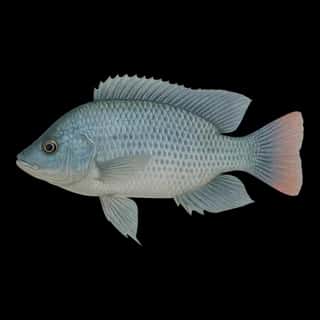
- Nonnative species (Sunshine bass, blue tilapia): Releasing or introducing any nonnative fish into Florida waters requires a permit from FWC. No live nonnative fish (except variable platys and fathead minnows) may be transported for bait. Do not possess live specimens of Conditional or Prohibited nonnative species.
- License: Florida freshwater fishing license required unless exempt. Non-residents must buy before fishing; short-term options exist.
Regulations can change, so anglers should verify the current rules with the Florida Fish and Wildlife Conservation Commission before fishing.
Pros and Cons
- Pros: Trophy bass potential; strong bluegill and crappie bite; thick vegetation for cover; multiple ramps and piers.
- Cons: Shallow water—hard to run at low levels; thick hydrilla can block access; only one main ramp open in drought; soft bottom and submerged hazards.
Final Verdict
Orange Lake is a top pick for anglers chasing big bass and strong panfish action in Florida’s shallow, weedy lakes. The best months are January–March for trophy bass and May–August for bluegill and redear. Crappie fishing is best in spring and early summer. You’ll need a boat and should be ready for low water, thick hydrilla, and soft bottom—navigation takes caution, especially in drought. If you want a shot at a double-digit bass and don’t mind working heavy cover, Orange Lake is worth the trip.