How to recognise it
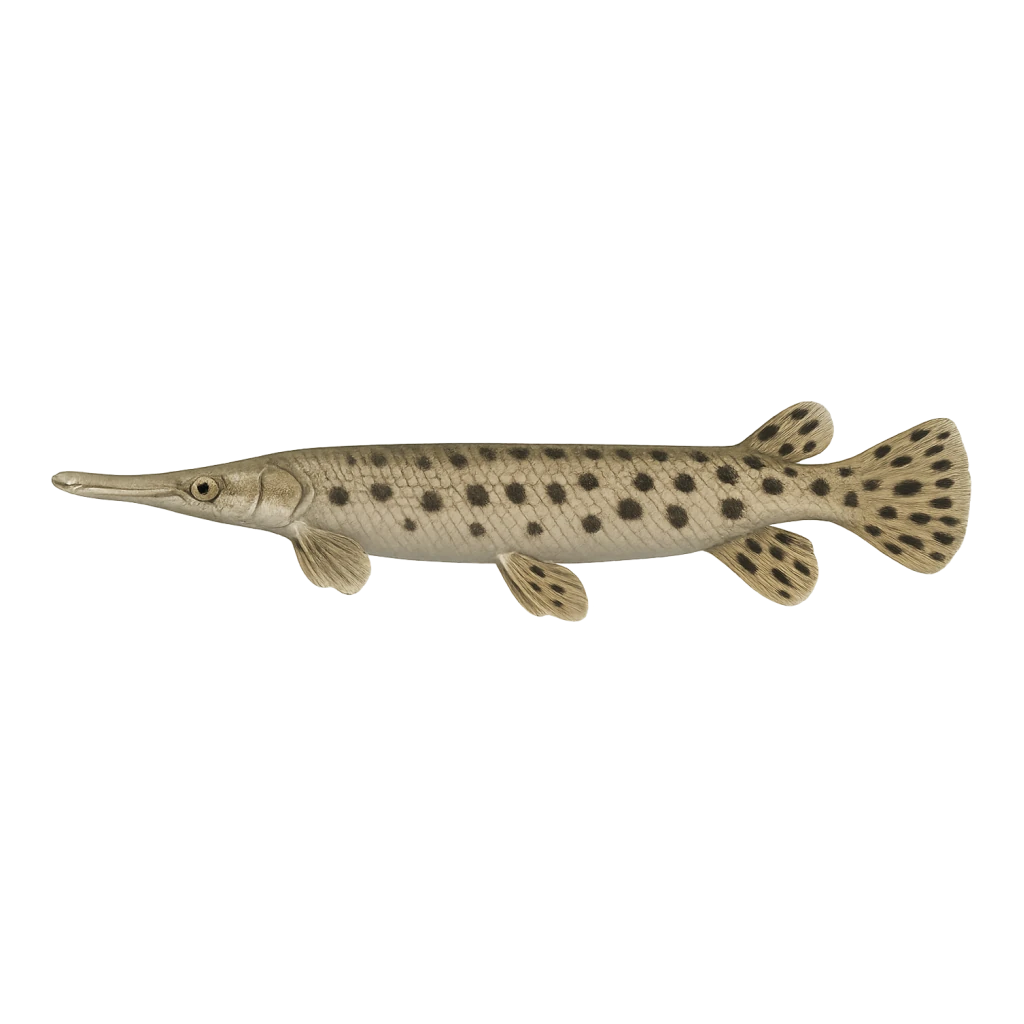
The Florida Gar (Lepisosteus platyrhincus) is a long, slender fish with a distinctive elongated snout. Its body is covered in hard, diamond-shaped scales that provide a unique texture. The coloration is typically olive green to brown on the back, fading to a lighter yellow or white on the belly. The fins are generally dark and the dorsal fin is located far back on the body. The mouth is filled with sharp teeth, adapted for catching prey.
This species is often confused with the Spotted Gar (Lepisosteus oculatus). The key detail that separates them is the absence of spots on the Florida Gar; it has a more uniform coloration without the distinctive spots found on the Spotted Gar.
Where it lives
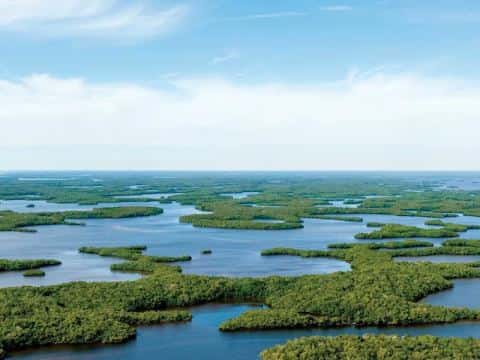
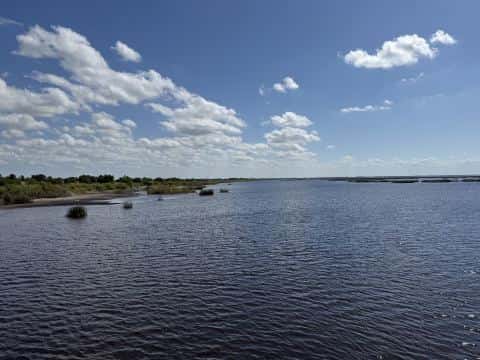
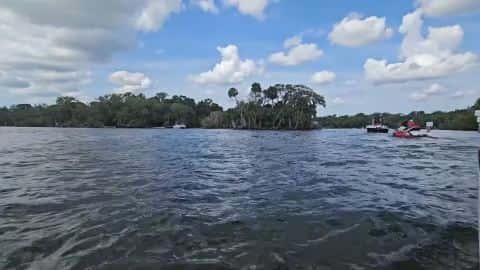
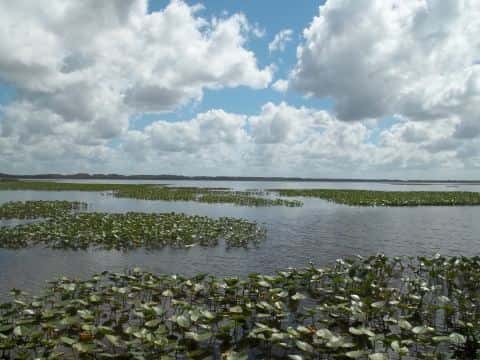
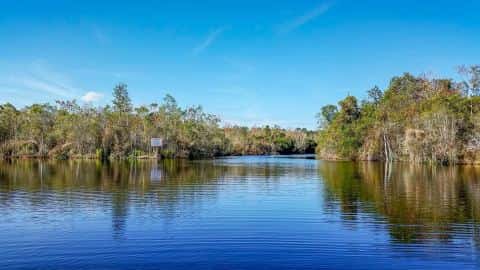
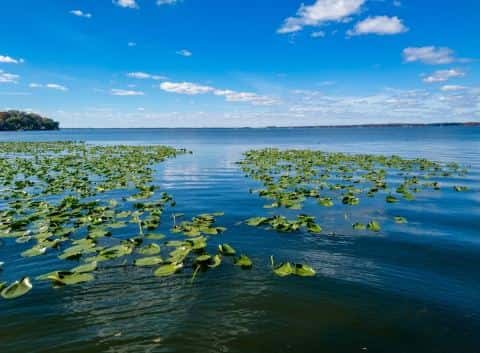
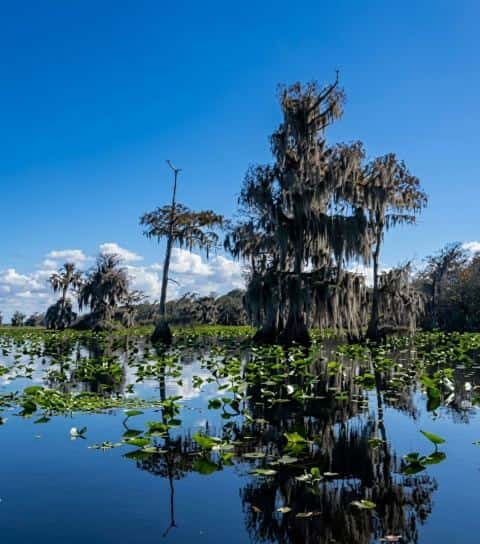
The Florida Gar is primarily found in the southeastern United States, particularly in Florida, Georgia, Alabama, and parts of South Carolina. This species inhabits freshwater environments such as rivers, lakes, and swamps. It prefers slow-moving waters with plenty of vegetation and cover.
Depths typically range from 1 to 10 feet, where they can find ample hiding spots among submerged plants and structures. In warmer months, Florida Gars may move into shallower waters to feed, while in cooler months, they often retreat to deeper areas for warmth.
When it bites
Florida Gars are most active from late spring through early fall, particularly from May to September. They prefer water temperatures between 70°F and 85°F. Early morning and late evening are prime times for fishing, as they tend to feed more actively during these hours.
Weather changes can influence their behavior. A passing front may trigger increased feeding activity, while strong winds can make them less active. A full moon can also enhance their feeding patterns, making them more likely to bite during the night.
How to catch it
To catch Florida Gar, anglers can use a variety of rigs and techniques. A common setup includes a medium to heavy spinning rod paired with a 20-30 pound test braided line. Use a wire leader to prevent bite-offs from their sharp teeth.
Effective baits include live minnows or small fish, typically 4 to 6 inches long. Lures such as topwater plugs or jerkbaits in natural colors (green, brown, or silver) can also be effective. Cast near vegetation or structures where the fish are likely to hide.
Retrieve the lure slowly, allowing it to mimic the movement of prey. Be patient and watch for strikes, as Florida Gars can be cautious when approaching bait.
Size, age and the table
Florida Gars typically range from 24 to 36 inches in length, with most anglers encountering fish in this size range. A trophy Florida Gar is generally considered to be over 36 inches. The growth rate can vary, but they can reach sexual maturity in about 3 to 4 years.
Florida Gars can live up to 10 years in the wild. While they are edible, their meat is often considered tough and bony, making them less desirable for consumption. If you choose to keep one, handle it carefully to avoid damaging its scales and release it gently back into the water to ensure its survival.