Lake Okeechobee Fishing Guide: Largemouth Bass, Black Crappie, Bluegill & Best Spots
At a Glance: What to Fish, When, and Where to Start
Lake Okeechobee is Florida’s biggest lake and a national destination for trophy largemouth bass, black crappie (speck), and bluegill. The best months for big bass are March, April, October, and November, with strong bites for crappie in winter and early spring. You need a boat to fish most of the lake—shore access is limited. Start your trip at the Clewiston City Marina or the City of Belle Glade - Torry Island Public Boat Ramp - Pavillion Side, both with six lanes and paved parking. Focus on the outer marsh edges, Rim Canal, and well-known spots like Ritta Island and Indian Prairie for your first day.
Introduction
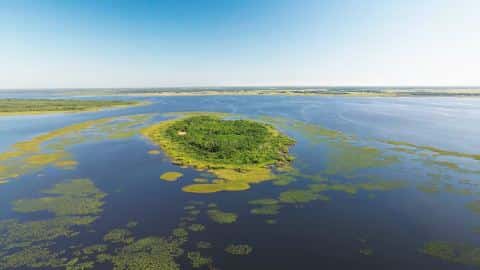
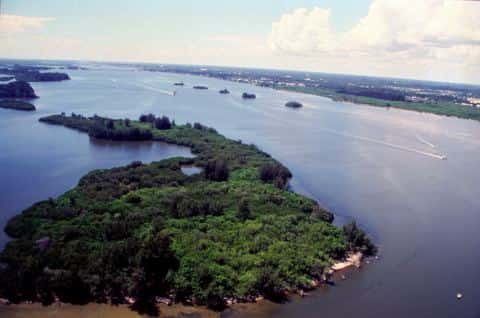
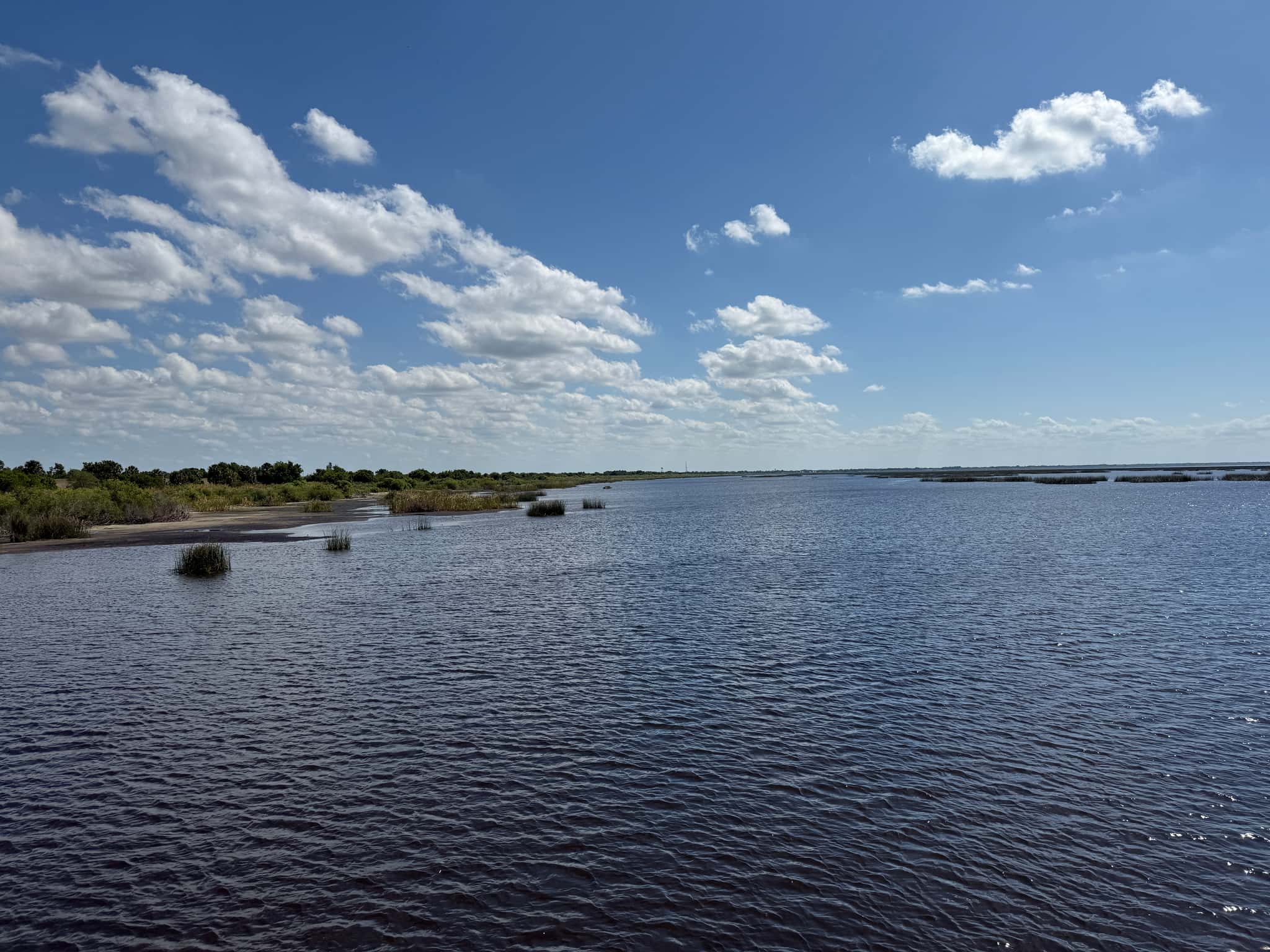
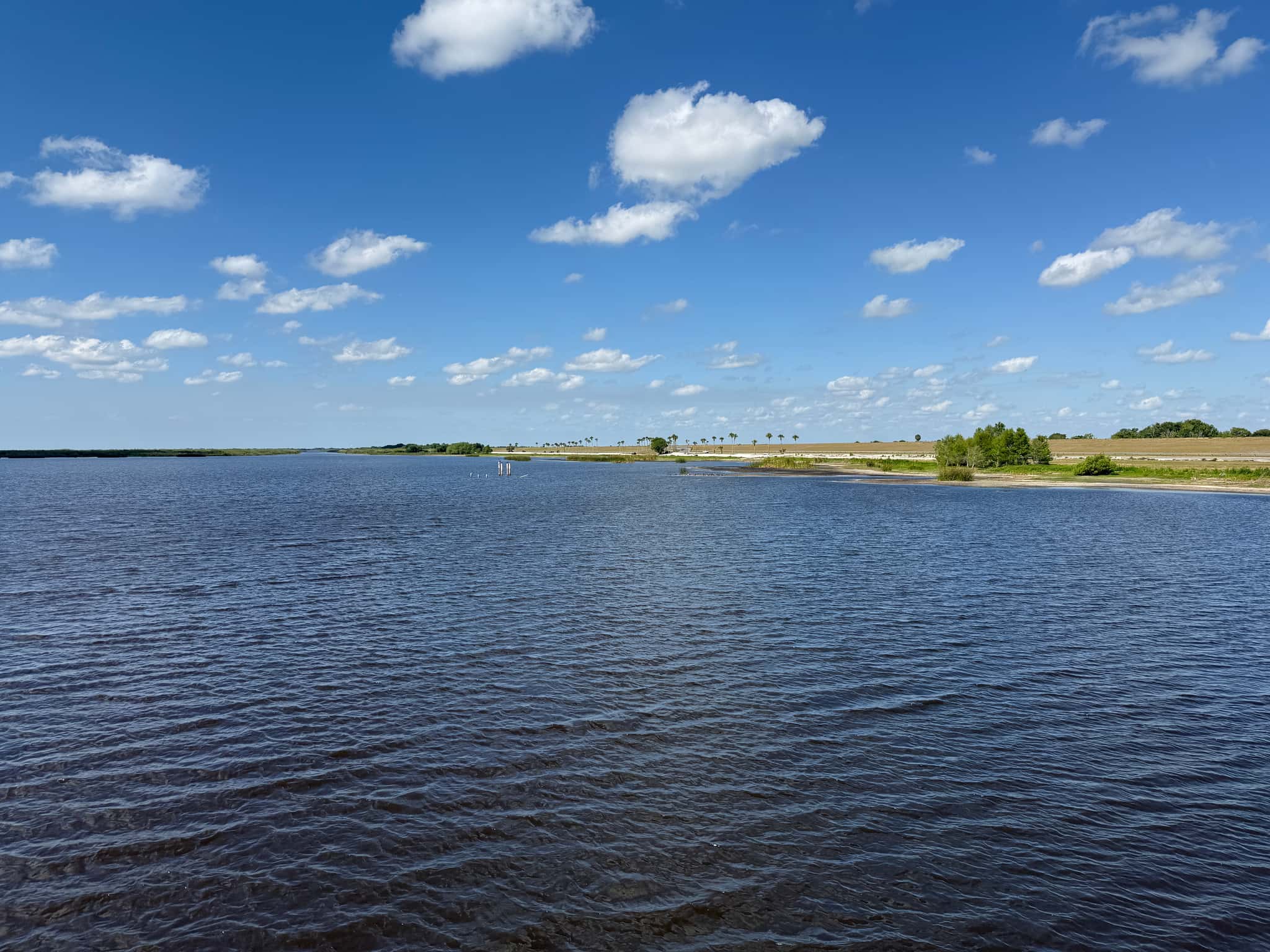
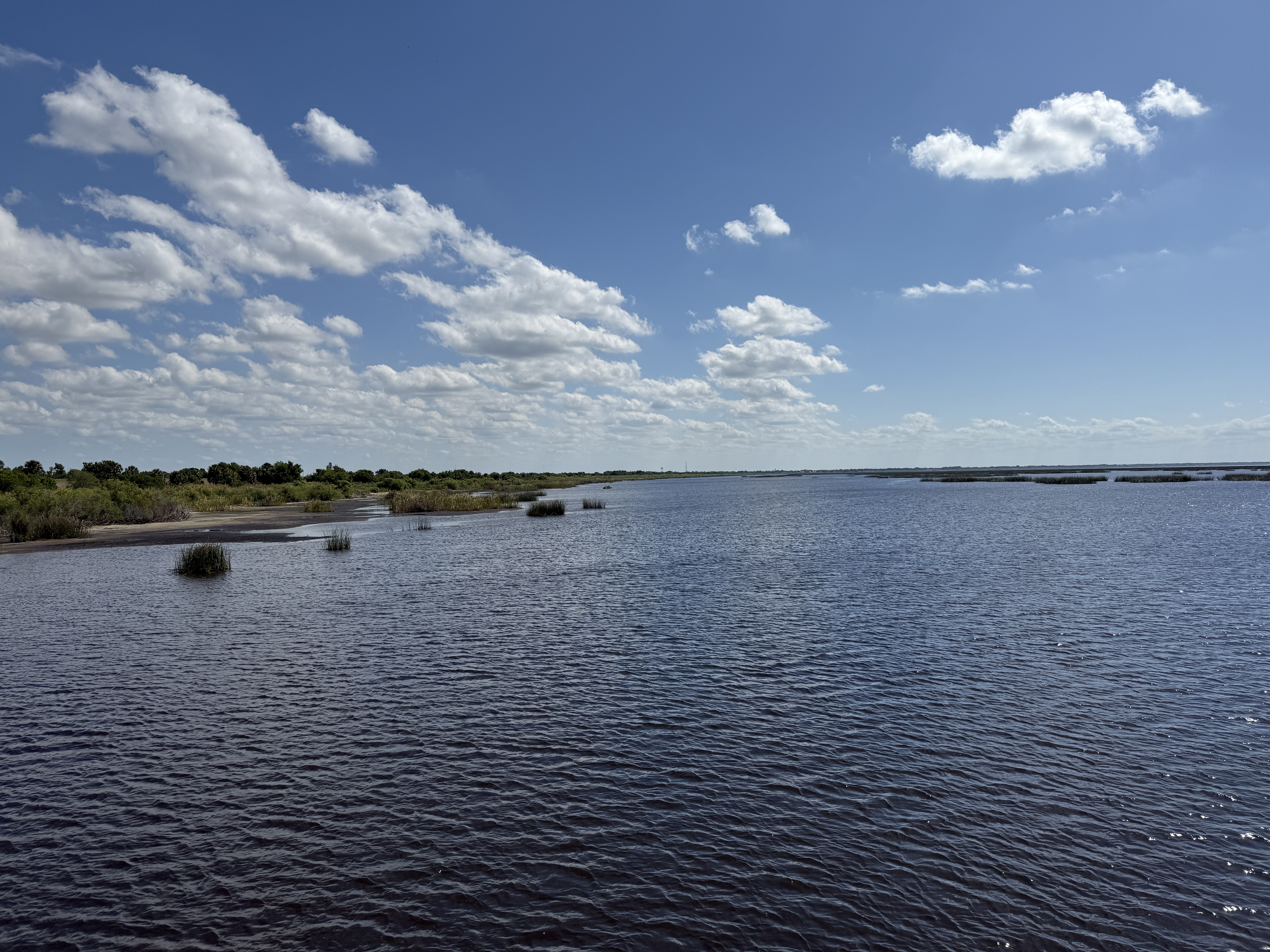
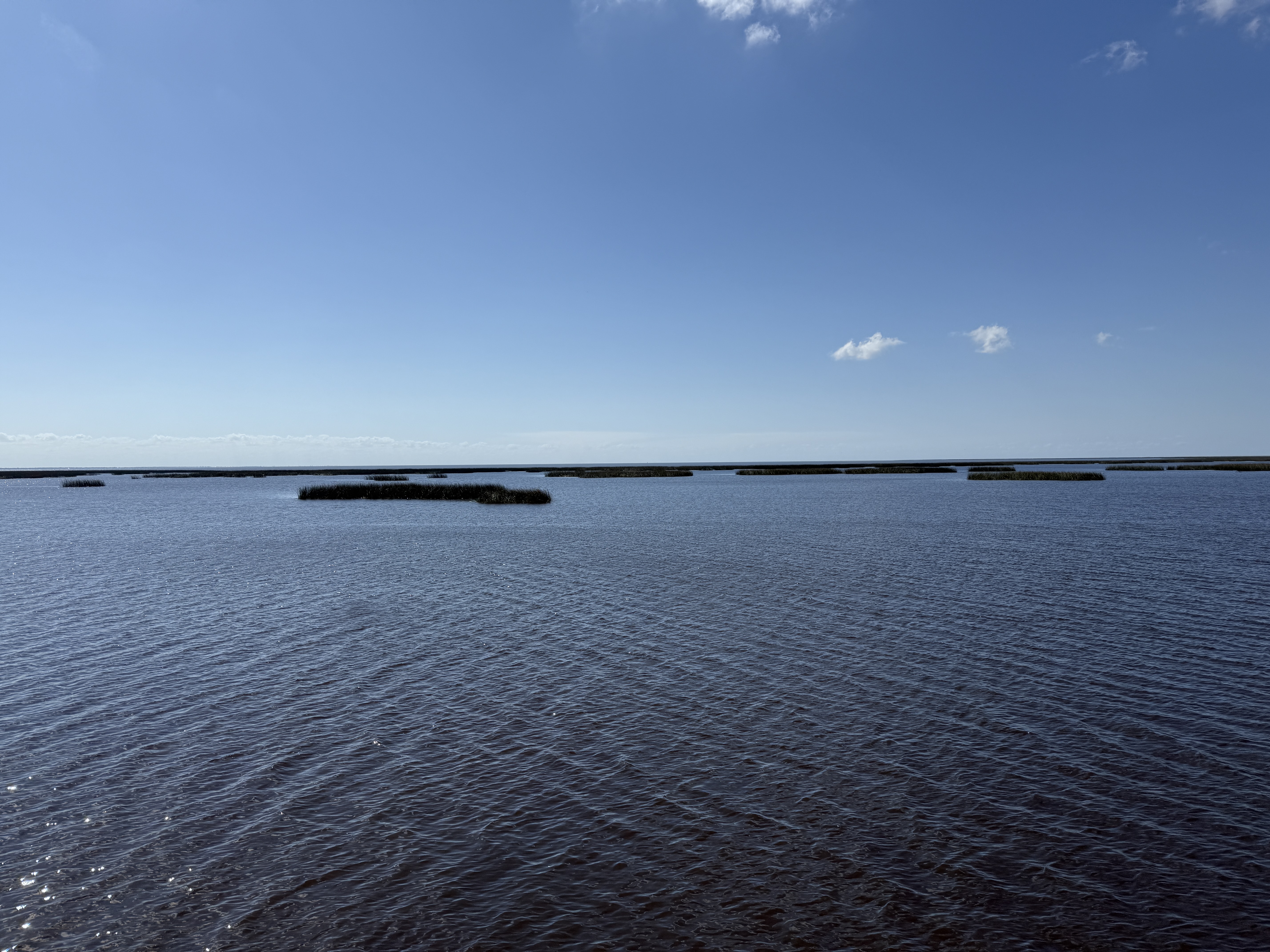
Lake Okeechobee, known as “The Big O,” covers nearly 340,000 acres across five counties in south-central Florida. It’s famous for its shallow, fertile waters and big-fish potential, especially for bass and crappie. Most of the lake is less than 11 feet deep, with a soft bottom and wide marshes. This is a place for anglers who want to chase trophy fish, work grass edges, and cover water by boat. If you’re planning a fishing trip to Florida, Okeechobee is a bucket-list stop.
Lake Okeechobee vs. the Alternatives
Compared to smaller Florida lakes or the Kissimmee Chain, Lake Okeechobee stands out for its sheer size, trophy bass reputation, and the number of ramps with big-parking capacity. The downside: wind can make it unfishable, and you need to know how to run shallow water. If you want more protected water or easier bank access, the Kissimmee Chain or local ponds might suit you better. But for numbers of big bass and the classic Florida crappie bite, Okeechobee is hard to beat.
Target Species and How to Fish Them
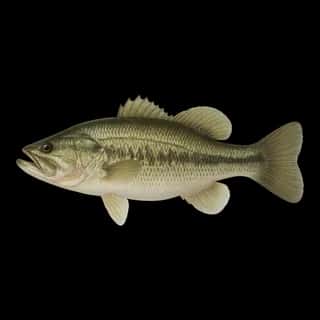
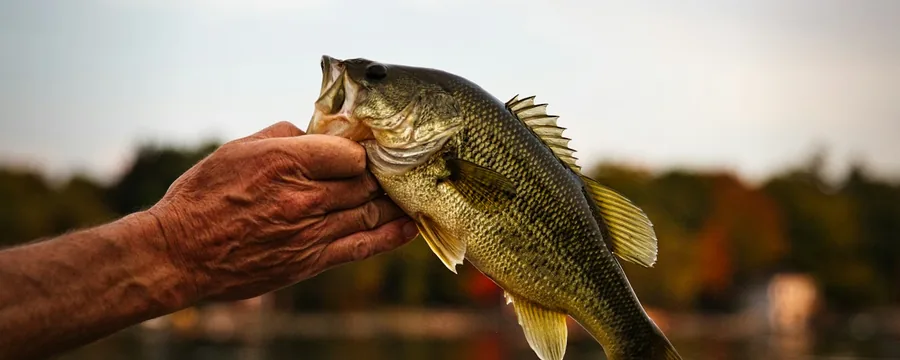
- Largemouth Bass: Fish the outer edges of shoreline vegetation—eelgrass, bulrush, and maidencane—especially near the northwest marsh, Ritta Island, and the Rim Canal. The bite peaks in March, April, October, and November, but bass are catchable most months when water is 65–85°F (January through December, except for the hottest summer stretch). Bass feed best at dawn and dusk, especially when water temperatures are rising or after a light change. Throw crankbaits, swim jigs, jerkbaits, or plastic worms Texas-rigged. In heavy cover, use frogs or flipping jigs. Live golden shiners are the top bait for trophy fish. Early morning is prime, but bass will bite throughout the day if conditions are right.
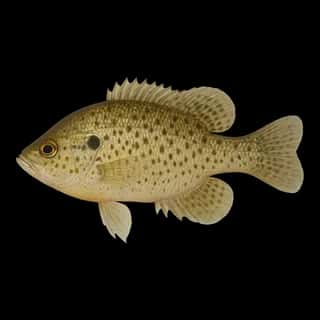
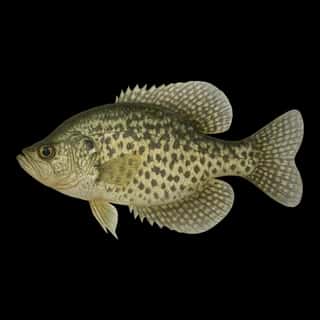
- Black Crappie (Speck): Target deeper offshore areas and canals around the lake, especially in winter and early spring (December through March). The best bite is when water temps are 65–75°F, with peak action in January, February, March, and December. Crappie are driven by water temperature and spawn in shallow areas as it warms. Use light tackle with slip bobbers and live minnows, or jig bright-colored soft plastics near submerged brush and vegetation. Early morning and late at night are best for numbers.
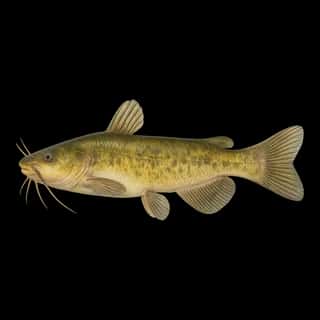
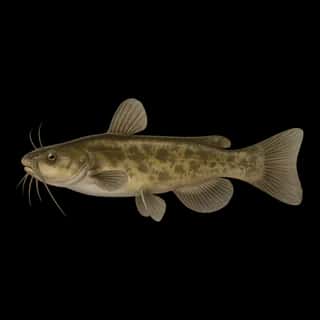
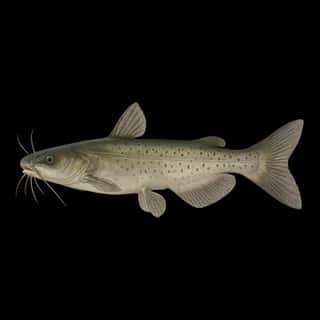
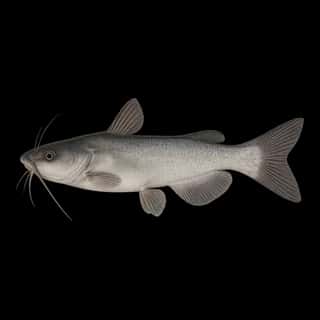
- Channel and White Catfish: Catfish are active all year, with peak bites in April, May, October, and November. They feed best at dusk and night, especially when water is 70–85°F. Fish near submerged structure or along muddy banks using chicken liver, stink bait, or cut bait on slip sinker rigs. Let the bait sit on the bottom and wait for a strong pull.
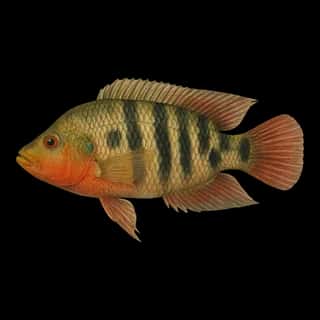
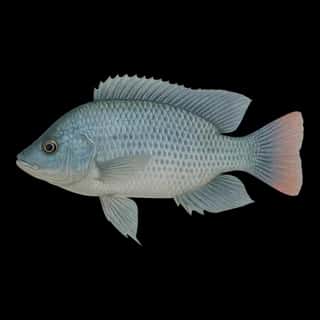
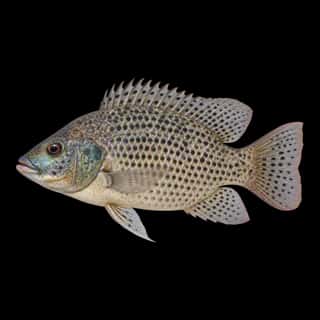
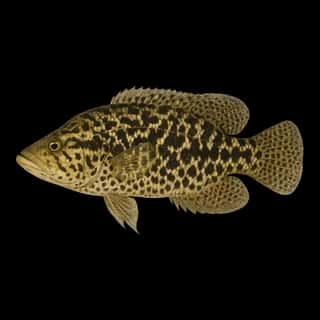
- Mayan Cichlid (Nonnative): Found in canals and shallow water, especially in Indian Prairie and Harney Pond Canal. The best months are April, May, October, and November, with good fishing in February, March, June, August, September, and December. Use live worms, crickets, or small artificial baits. Mayans are strong fighters and can be caught throughout the day and at dusk.
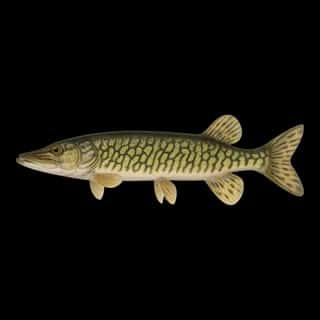
- Chain Pickerel: Fish weedy areas and edges of lily pads, especially in January, February, March, and December. Use spinnerbaits, crankbaits, or live minnows on medium to heavy tackle.
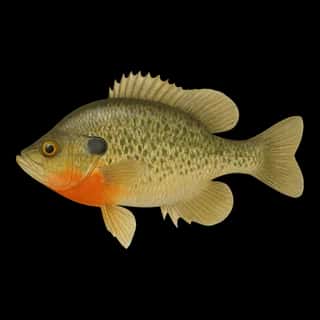
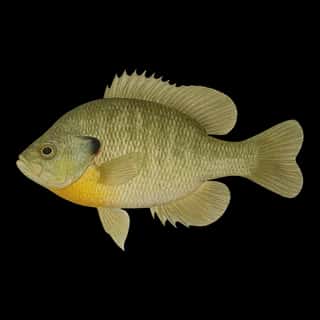
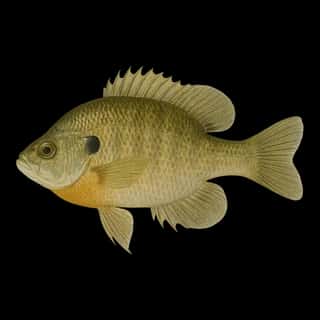
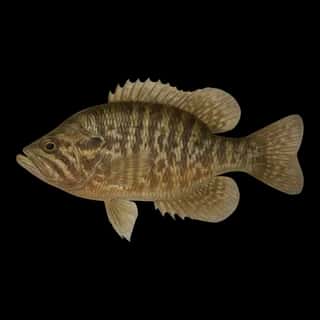
- Spotted Sunfish, Warmouth, Redbreast Sunfish: These panfish are active in warm months, especially April, May, October, and November. Use small jigs, worms, or crickets near submerged structure or vegetation. Fish at dawn, day, or dusk.
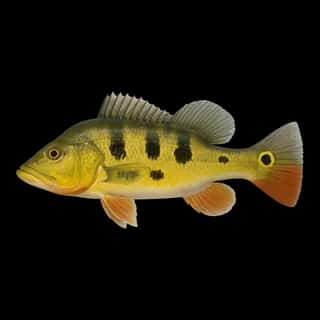
- Butterfly Peacock (Nonnative): Present but not a headline target here. Use small live fish or bright lures near structure.
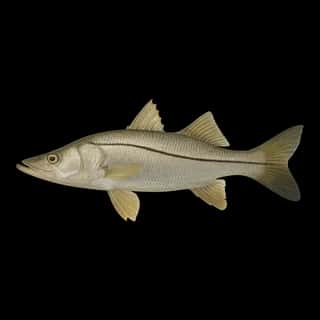
- Common Snook: Present as a brackish-water fish in fresh water. Requires a snook permit and recreational fishing license if targeted.
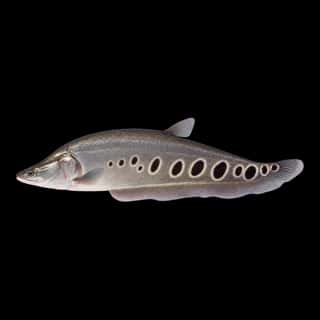
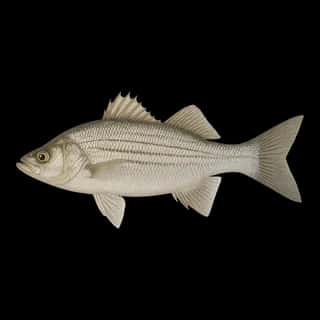
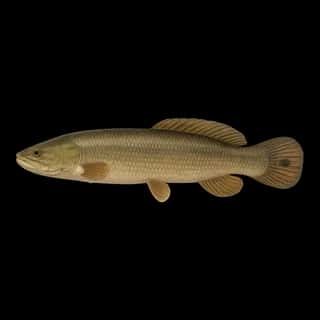
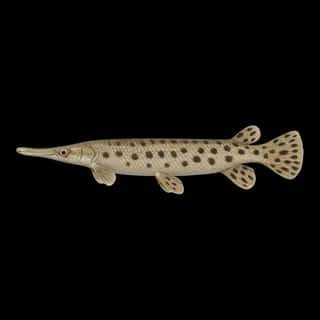
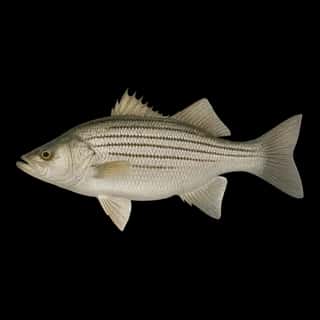
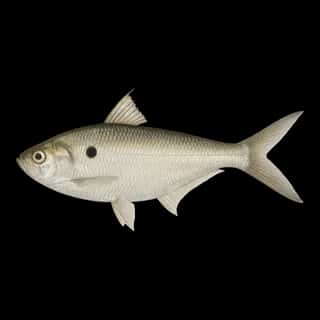
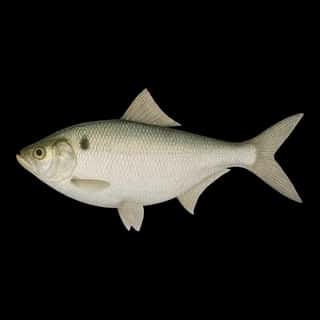
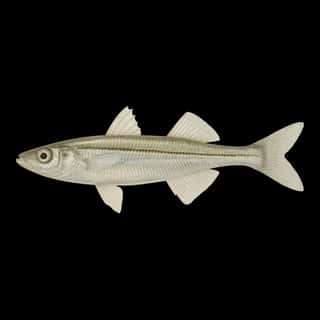
- Other species: Bowfin, yellow and brown bullhead, Florida gar, blue tilapia, gizzard shad, threadfin shad, inland silverside, and sunshine bass may show up as bycatch. Most are caught while targeting other fish.
Best Fishing Spots on Lake Okeechobee
- Ritta Island: South end, known for big bass and crappie. Fish the outer grass edges and nearby open water. Accessible from Clewiston City Marina ramp.
- Northwest Marsh: Productive for bass, especially in spring and early summer. Focus on the outer marsh edges near the C. Scott Driver ramp or Indian Prairie Canal ramp.
- Rim Canal: Runs around the lake and holds bass, crappie, and catfish year-round. Good for trolling or drifting, especially when the main lake is rough.
- Indian Prairie and Harney Pond Canal: Hot spots for crappie and Mayan cichlid, especially in winter and spring. Access from Harney Pond Canal ramps.
- South Bay and Torry Island: Consistent for panfish and bass, with easy access from the City of Belle Glade - Torry Island Public Boat Ramp - Pavillion Side.
- Clewiston Channel: A go-to area when the wind is up or water is low. Fish the drop-offs and grass lines.
Structure and Depth: What Matters Here
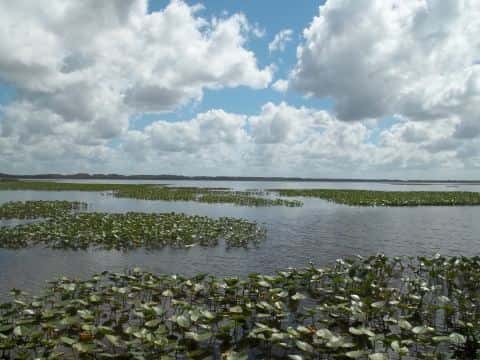
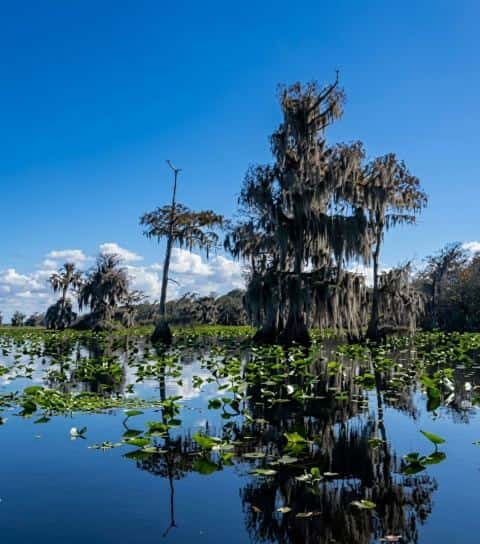
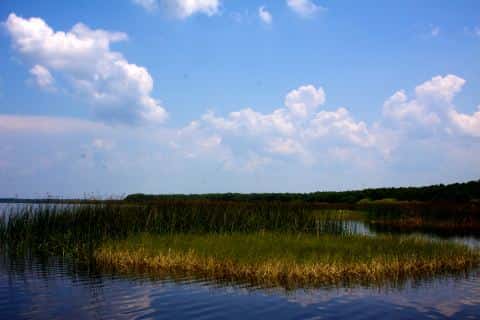
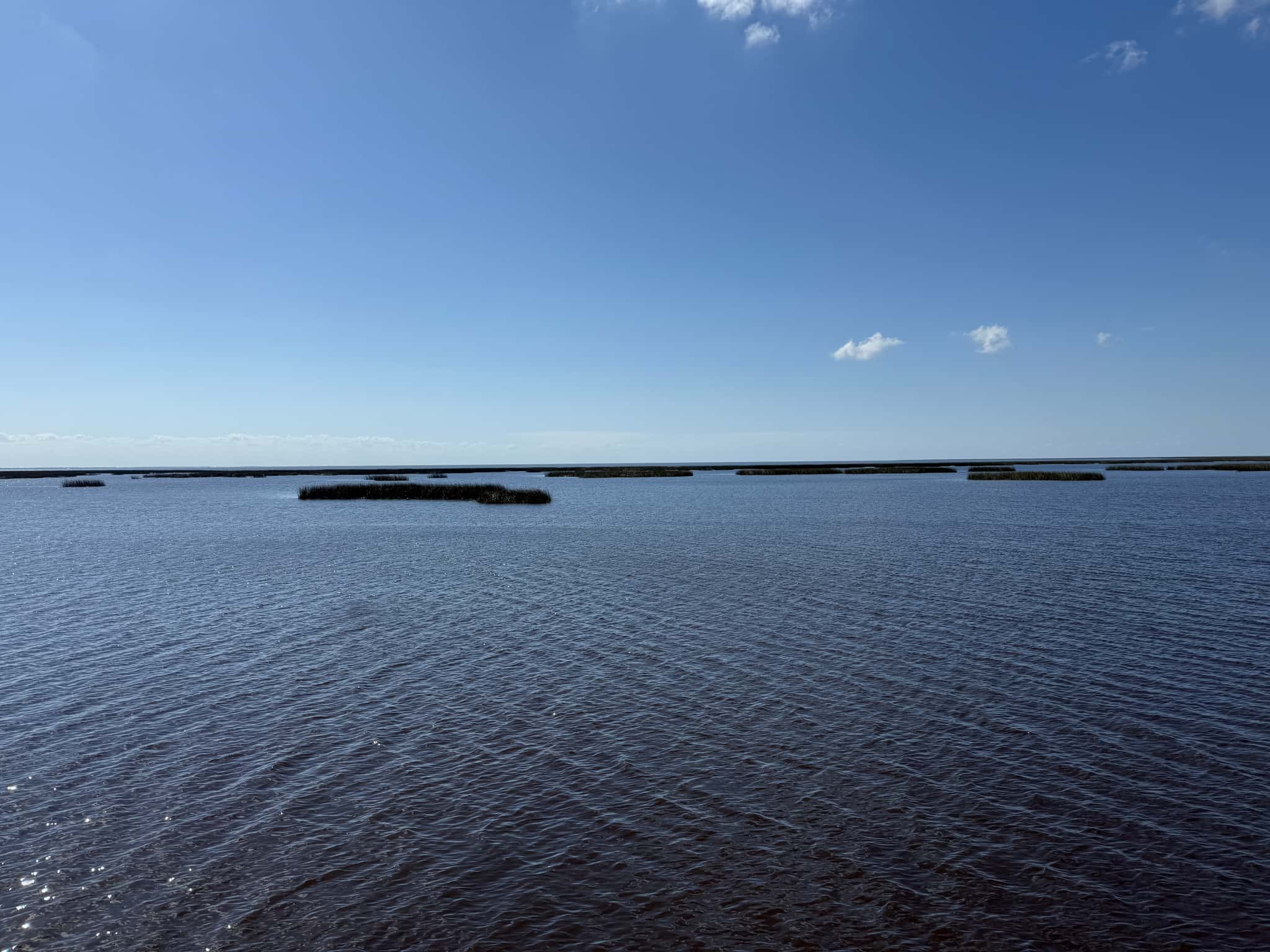
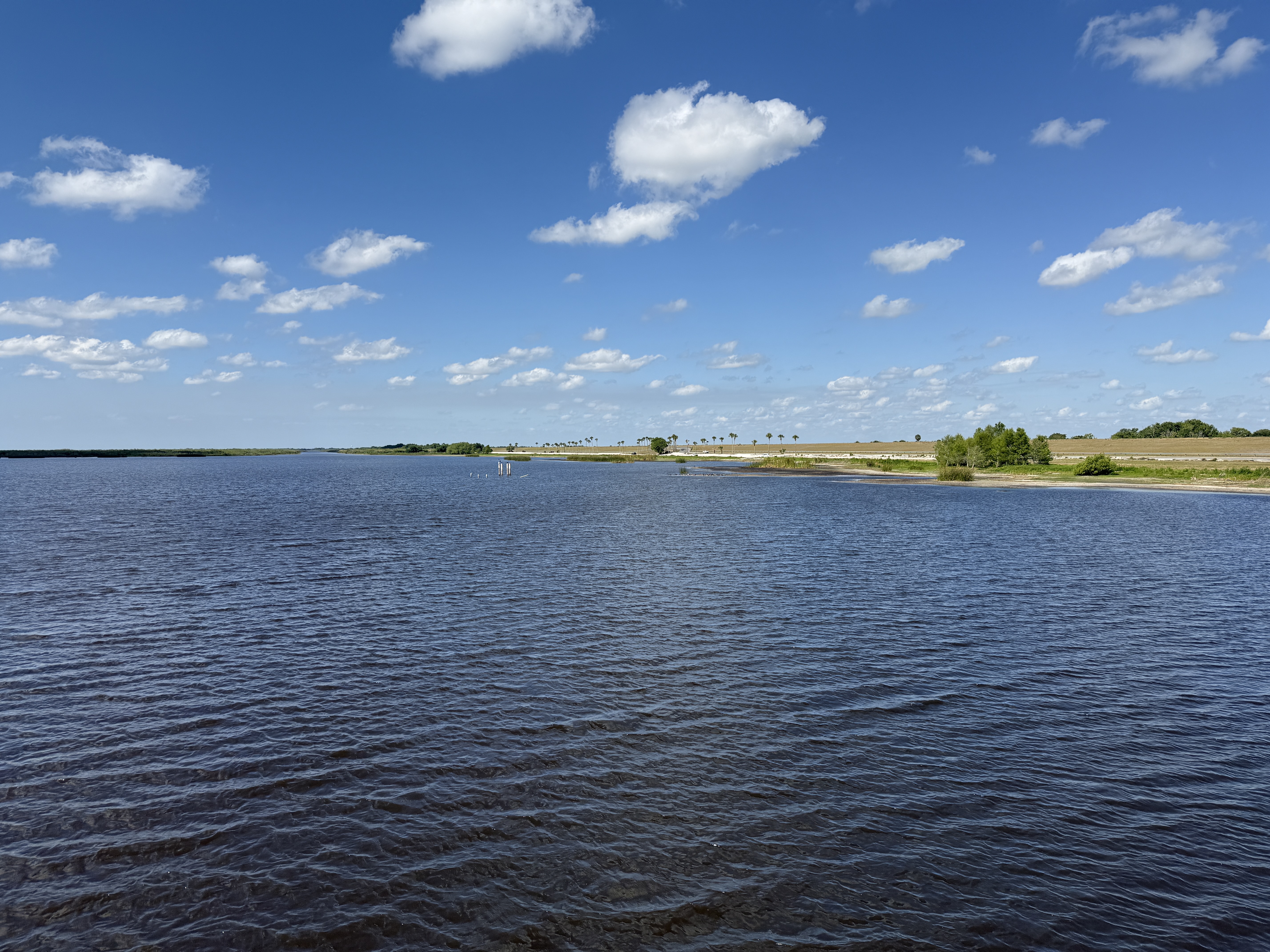
Lake Okeechobee is a shallow lake—92% of the water is 11 feet or less, with most fishing happening in the 7–8, 8–10, and 10–11 foot bands. The bottom is mostly soft muck and sand, with wide marshes and thick vegetation. Grass edges, bulrush, eelgrass, and maidencane are key for bass and panfish. Deeper water (the 11–13 foot band) is limited but important in summer and after cold fronts, especially for crappie and catfish. The Rim Canal offers consistent depth and is a fallback when the main lake gets rough or water levels drop.
Season-by-Season Breakdown
- Winter (December–February, 66–69°F): This is the start of the trophy bass and crappie bite. Bass stage and spawn in shallow grass as water hits the mid-60s. Crappie school up in deeper water and canals—this is the best time to fill a limit. Bluegill and panfish are less active but still catchable. Catfish bite well at night.
- Spring (March–May, 72–81°F): Peak time for big bass and crappie. Bass spawn continues into April; fish shallow grass and marsh edges. Crappie remain active in deeper water and start to move shallower to spawn. Bluegill and redear sunfish begin bedding in late spring. Catfish and pickerel are active. Mayan cichlid and other nonnatives start biting as water warms.
- Summer (June–September, 84–87°F): Bass and panfish move deeper or into thick cover to escape the heat. Early morning is best for all species. Crappie are harder to find but can be caught in deeper offshore areas. Bluegill and redear sunfish bed around the moons. Catfish bite at night. Mayan cichlid and other nonnatives are active in canals and shallow water.
- Fall (October–November, 77–80°F): Bass and crappie bites pick up again as water cools. Bluegill and panfish are active, especially on beds. Catfish and pickerel are strong targets. This is a good window for numbers and size before winter fronts arrive.
Getting on the Water: Ramps and Access
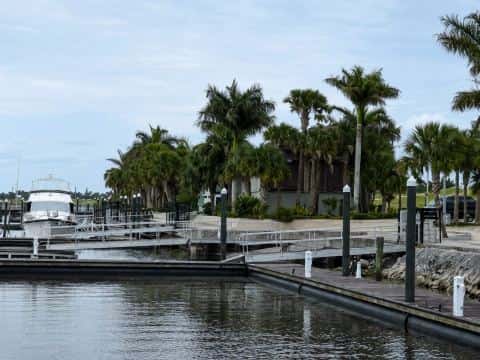
- Clewiston City Marina and Boat Ramp: Six concrete lanes, paved parking for 130 trailers, dock, flush restrooms, open always. This is the main launch on the south end, with direct access to Ritta Island and the main lake.
- City of Belle Glade - Torry Island Public Boat Ramp - Pavillion Side: Six concrete lanes, paved parking for 206 trailers, dock, portable restrooms, open always. Good for the east side and South Bay.
- C. Scott Driver Recreational Area: Six concrete lanes, paved parking for 156 trailers, dock, flush restrooms, condition excellent. Good for the north end and Rim Canal.
- Alvin L. Ward Park - Lake Okeechobee Boat Ramp: Three concrete lanes, paved parking for 168 trailers, dock, flush restrooms, open always. Good for the west side.
- Bare Beach Boat Ramps: Three concrete lanes, 18 trailer spaces, dock, unpaved parking, always open.
- Indian Prairie Canal Public Boat Ramp: One concrete lane, 25 trailer spaces, dock, unpaved parking, always open. Good for the northwest marsh and canal access.
- Harney Pond Canal ramps: Several single and double-lane ramps with docks, flush restrooms, and unpaved parking. Good for canal and marsh access.
- Other ramps: Smaller ramps are scattered around the lake, some with limited parking or in need of repair. Always check ramp condition and water levels before launching.
Scott Driver charges a fee. Restrooms are available at most major ramps. Smaller ramps may have soft or unpaved parking and limited spaces. The lake is big and exposed—plan your launch site based on wind and where you want to fish.
Water and Conditions
Lake Okeechobee’s water temperatures run from 66°F in winter to 87°F in summer, with a long warm season. The latest reading (August 18, 2025) showed 88°F water—above the average—and clarity at 0.3 feet, which is below the usual 1.1-foot mean. Clarity usually runs 0.6–2 feet, so the water can change fast with wind or rain. The lake is shallow, and low water exposes hazards—FWC’s June 2026 outlook warned of rock hazards and urged caution in the marsh. Always check the water level before you go.
What is Hard About This Water
Wind is the biggest challenge on Okeechobee. The lake is huge and shallow, so even a moderate breeze can kick up a steep chop and muddy the water, making it tough to fish or even unsafe in a small boat. The soft bottom and shifting water levels mean navigation is tricky—bars and submerged hazards can appear where you don’t expect them, especially at low water. Shore access is limited, so a boat is almost always needed to reach the best fishing. If you’re not comfortable running shallow, open water or reading the wind, this lake can be unforgiving.
Safety
Always check the wind forecast before launching—conditions can go from calm to dangerous quickly. Summer brings afternoon storms and lightning, so plan to be off the water early. The marshes and canals can hold alligators; stay alert if you’re fishing close to the bank or in shallow water. Bring plenty of water and sun protection—there’s little shade on the open lake.
Regulations
- Largemouth Bass: No minimum length. Five black bass (including Florida, largemouth, Suwannee, spotted, Choctaw, and shoal bass) in total per day, only one of which may be 16 inches or longer. Florida freshwater fishing license required unless exempt.
- Common Snook: Not less than 28" or more than 32" total length. One per person per day. Closed December 15 – January 31 and June 1 – August 31. Open February 1 – May 31 and September 1 – December 14. Requires a snook permit and recreational fishing license (not the standard freshwater license).
- Spotted Sunfish, Bluegill, Redear Sunfish, Warmouth, Redbreast Sunfish: No length limit. 50 panfish (aggregate) per day. Open year-round. Freshwater fishing license required unless exempt.
- Black Crappie: Special Okeechobee rule: Crappie (speckled perch) less than 10 inches in total length must be released immediately. Bag limit is 25 per day. Open year-round. Freshwater fishing license required unless exempt.
- Butterfly Peacock: Two per day, only one may be 17 inches or longer. Open year-round. Freshwater fishing license required unless exempt.
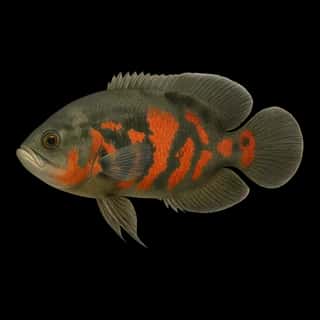
- Mayan Cichlid, Oscar, Spotted Tilapia, Jaguar Guapote, Blue Tilapia: Nonnative species. No bag or size limit. Releasing or introducing any nonnative fish into Florida waters requires a permit from the Commission. No live nonnative fish may be transported to or between waters for use as bait except variable platys and fathead minnows. No live specimens of Conditional and Prohibited nonnative species may be possessed.
A Florida freshwater fishing license is required unless you qualify for an exemption. Snook require a separate snook permit and recreational fishing license.
Pros and Cons
- Pros:
- World-class trophy bass and crappie fishing
- Multiple large ramps with paved parking
- Year-round fishing opportunities
- Special crappie size limit for quality fish
- Cons:
- Wind can make the lake unfishable fast
- Shallow, soft bottom—hazards at low water
- Limited bank fishing access
- Navigation tricky for first-timers
Final Verdict: Who Should Fish Lake Okeechobee?
Lake Okeechobee is for anglers who want a shot at trophy bass, big crappie, and classic Florida panfish action. You’ll need a boat and the skills to run shallow, open water. The best months are March–April and October–November for bass, and December–March for crappie. If you want easy shore fishing or a protected lake, look elsewhere. But if you’re after numbers, size, and the full Florida experience, Okeechobee delivers—just plan for the wind and watch the water level.