How to recognise it
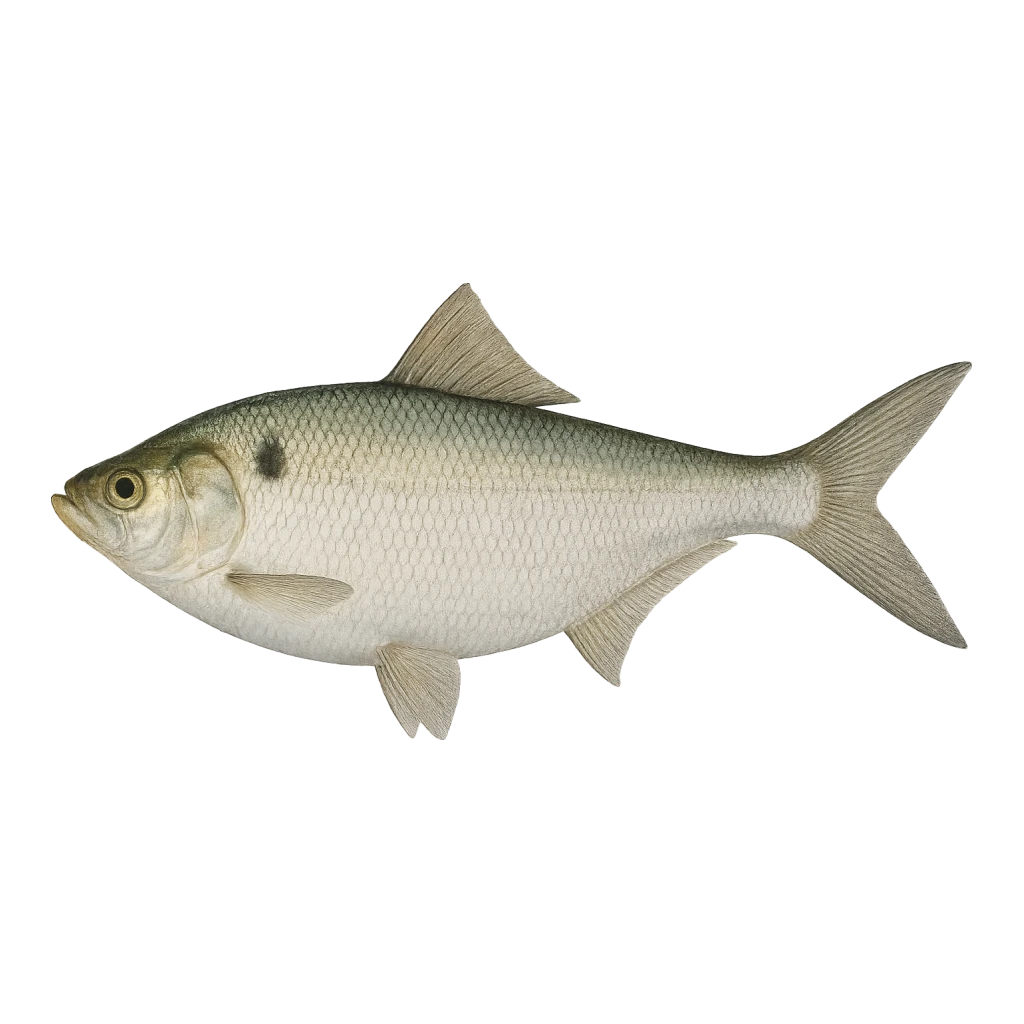
The Gizzard Shad (Dorosoma cepedianum) is a silver-colored fish with a distinctive deep, laterally compressed body. Its back is dark blue to greenish, while the sides are silvery with a white belly. The fish has a forked tail and a single dorsal fin that is located far back on the body. The mouth is small and sub-terminal, with a prominent lower jaw. Gizzard Shad are often confused with Threadfin Shad (Dorosoma petenense). The key detail that separates them is the Gizzard Shad's larger body size, typically reaching up to 12 inches, compared to the Threadfin Shad, which usually maxes out around 10 inches.
Where it lives
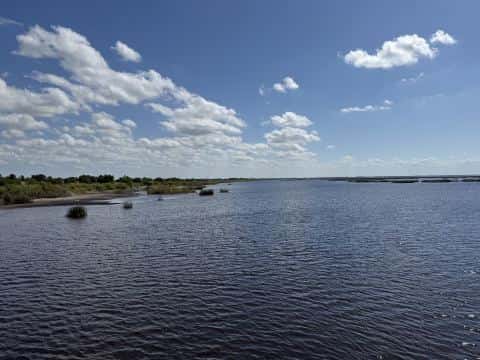
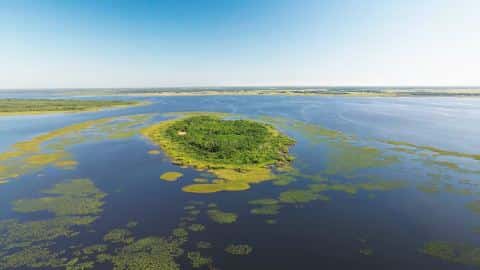
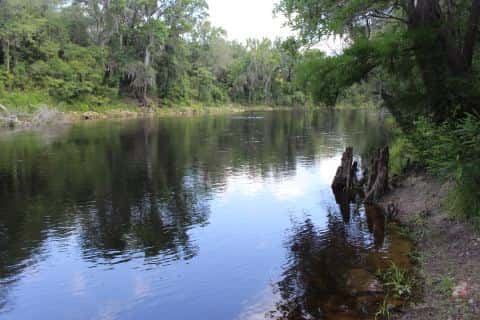
The Gizzard Shad is found throughout the United States, primarily in freshwater lakes, reservoirs, and rivers. They thrive in the eastern and central regions, extending from the Great Lakes down to the Gulf of Mexico. Gizzard Shad prefer warm, shallow waters with depths ranging from 3 to 30 feet. They often hold near submerged structures, such as vegetation, rocks, or fallen trees. In spring and summer, they tend to move into shallower areas for spawning, while in fall and winter, they may retreat to deeper waters.
When it bites
Gizzard Shad are most active from late spring through early fall. They typically bite when water temperatures range from 65 to 80 degrees F. Early morning and late evening are the prime times for catching them, as they tend to feed more actively during these hours. Changes in weather, such as a passing front or windy conditions, can trigger feeding activity. A full moon may also enhance their feeding behavior, making them more susceptible to being caught.
How to catch it
To catch Gizzard Shad, anglers often use a variety of rigs. A simple slip sinker rig with a 1/0 to 2/0 hook works well, especially when using live bait. For lures, small spoons or jigs in sizes 1/8 to 1/4 ounce are effective, particularly in silver or white colors. When fishing with live bait, small shad or minnows are ideal. Cast near structures or along the edges of schools, and retrieve slowly to mimic the natural movement of prey. Pay attention to the water surface for signs of shad activity, such as jumping or surface feeding.
Size, age and the table
Anglers typically encounter Gizzard Shad ranging from 8 to 12 inches in length. A trophy Gizzard Shad is generally considered to be over 15 inches. They grow rapidly, reaching sexual maturity in about 2 to 3 years, and can live up to 6 years. While Gizzard Shad are not commonly sought after for eating, they are sometimes used as bait for larger game fish. If you plan to handle them, wet your hands first to minimize slime loss and ensure a proper release back into the water.