How to recognise it
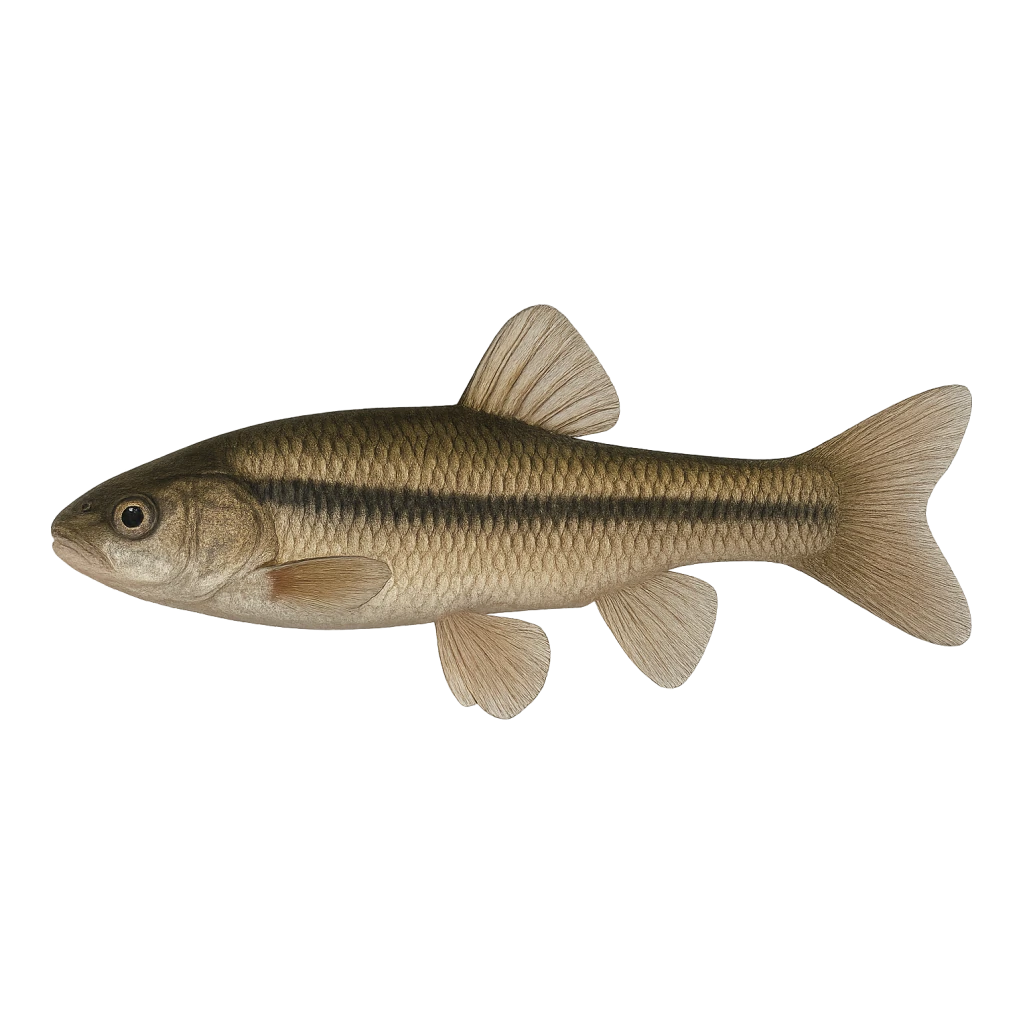
The Fathead Minnow (Pimephales promelas) is a small freshwater fish. It typically measures 2 to 4 inches in length. The body is elongated and somewhat compressed. Its coloration is usually a pale olive or grayish hue, with a darker back and lighter sides. The belly is white. Breeding males develop a distinctive black spot at the base of their dorsal fin. The fins are transparent with a slight yellow tint. The mouth is small and upturned. This species is often confused with the Bluntnose Minnow (Pimephales notatus). The key detail that separates them is the presence of a dark spot on the dorsal fin of the Fathead Minnow, which the Bluntnose Minnow lacks.
Where it lives
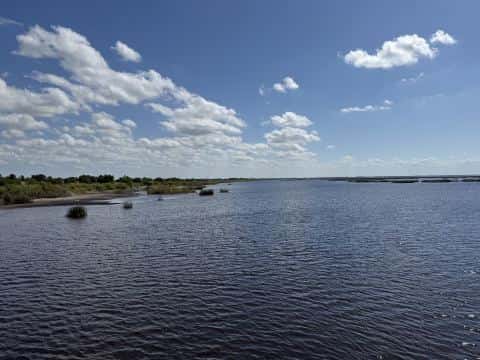
The Fathead Minnow is widely distributed across the United States. It can be found in the northern and central regions, including the Great Lakes and Mississippi River basins. This species prefers shallow waters, such as ponds, lakes, and slow-moving streams. It typically inhabits depths of 1 to 6 feet. Fathead Minnows seek cover among aquatic vegetation, rocks, and debris. In warmer months, they may move into shallower areas for spawning. During colder months, they tend to stay in deeper waters where temperatures are more stable.
When it bites
Fathead Minnows are most active from late spring to early fall. They bite best when water temperatures range from 60 to 75 degrees F. Early morning and late afternoon are prime times for catching them. A passing front can trigger increased feeding activity. Windy conditions may also enhance their bite, while a full moon can lead to more nocturnal activity. However, their feeding patterns can be less predictable during extreme weather changes.
How to catch it
To catch Fathead Minnows, use small hooks and light line. A size 10 to 14 hook is recommended, with a 2 to 6-pound test line. Common rigs include a simple bobber rig or a small jig head. For bait, use small pieces of worms, dough balls, or tiny minnows. Lures such as small spinners or soft plastics in natural colors like green or brown can also be effective. Cast near vegetation, rocks, or other structures where they hide. Retrieve slowly to mimic natural movement.
Size, age and the table
Anglers typically encounter Fathead Minnows that are 2 to 4 inches long. A trophy specimen is generally considered to be over 5 inches. They grow quickly, reaching maturity in about 6 months. The average lifespan is 3 to 4 years. Fathead Minnows are not commonly eaten, but they can be consumed if prepared properly. When handling them, use wet hands to minimize stress. If releasing, do so gently to ensure their survival.