How to recognise it
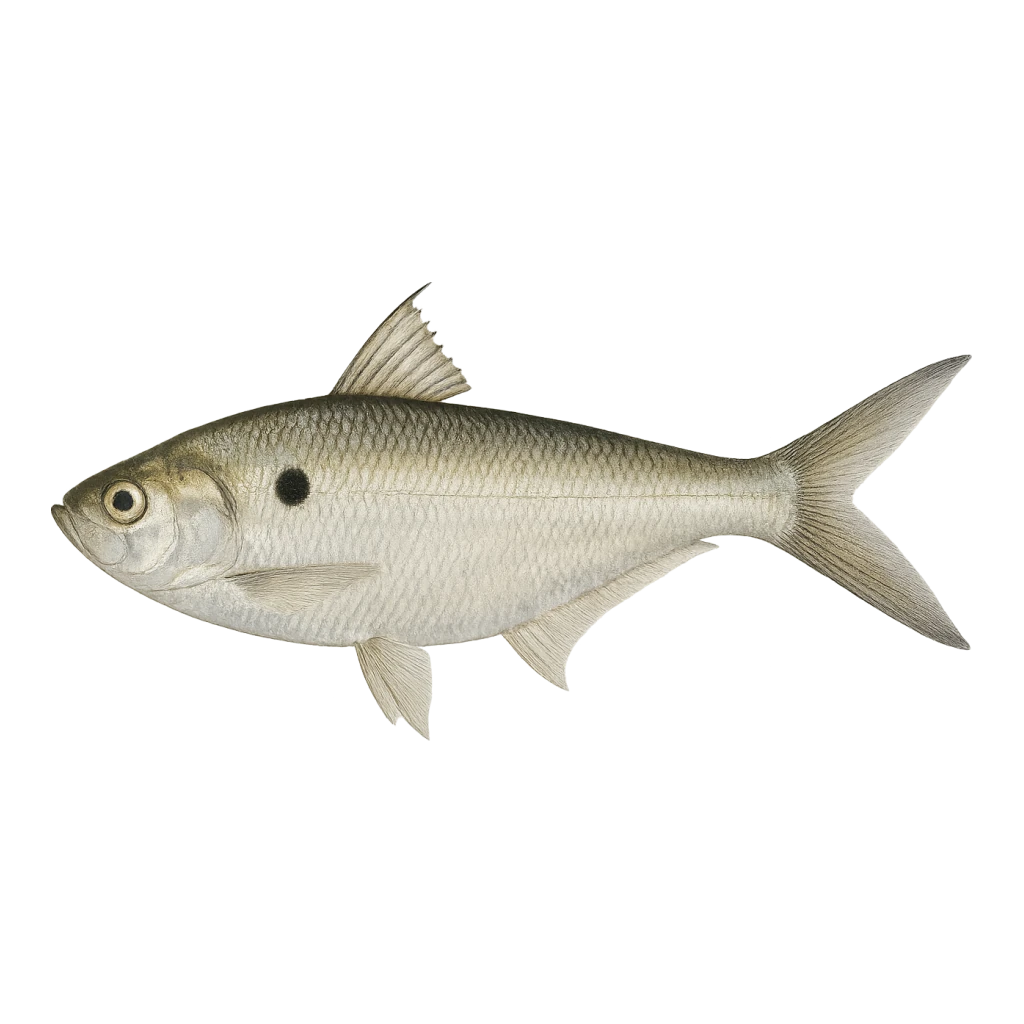
The Threadfin Shad (Dorosoma petenense) is a slender, elongated fish with a distinctive forked tail. Its body is silver with a bluish-green back and a silvery belly. The most notable feature is the long, thread-like filament extending from the dorsal fin. This species is often confused with the Gizzard Shad (Dorosoma cepedianum). The key detail that separates them is the presence of a long threadlike filament in the Threadfin Shad, which the Gizzard Shad lacks.
Where it lives
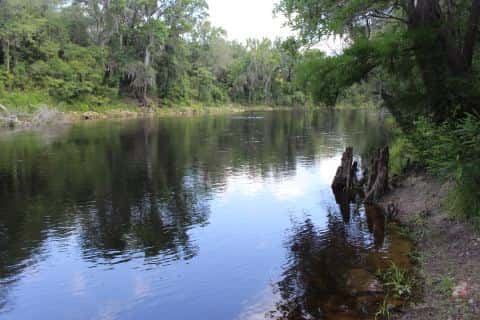
The Threadfin Shad is primarily found in the southeastern United States. Its range includes states such as Florida, Alabama, Mississippi, and parts of Texas. This species inhabits freshwater lakes, reservoirs, and rivers. They prefer shallow waters with depths ranging from 3 to 15 feet. Threadfin Shad often seek cover in areas with submerged vegetation, especially during warmer months. In winter, they may move to deeper waters as temperatures drop.
When it bites
Threadfin Shad are most active from late spring through early fall, typically from May to September. They thrive in water temperatures between 65°F and 85°F. Early morning and late evening are the best times to catch them. Weather changes can affect their activity; a passing front may trigger feeding, while high winds can scatter schools. A full moon often increases their activity levels, making them more likely to bite.
How to catch it
To catch Threadfin Shad, anglers can use a variety of rigs. A simple slip sinker rig is effective, with a 1/0 to 2/0 hook. Use a 6 to 10-pound test line. Popular baits include small minnows, worms, and artificial lures such as small spoons or jigs in silver or white colors. Cast near schools of shad, especially around structures like submerged trees or rocks. Retrieve lures with a steady, moderate speed to mimic the movement of shad.
Size, age and the table
The typical size of a Threadfin Shad encountered by anglers ranges from 5 to 10 inches. A trophy Threadfin Shad is generally considered to be over 12 inches. They grow quickly, reaching maturity in about 2 years, and can live up to 4 years. Threadfin Shad are not commonly sought for eating, but they are known to have a mild flavor. Handle them carefully to ensure a successful release, as they are sensitive to stress.