Ochlockonee River Fishing Guide: Largemouth Bass, Striped Bass, Bluegill & Best Spots
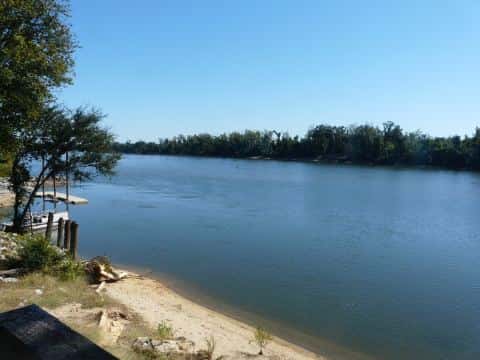
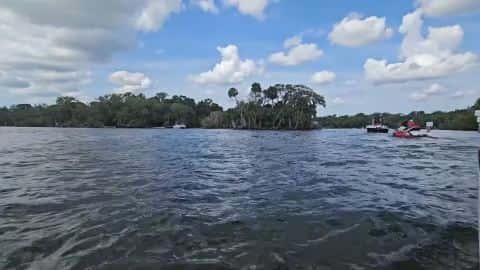
The Ochlockonee River is a North Florida river fishery just northwest of Tallahassee, known for its largemouth bass, striped bass, bluegill, and a solid mix of catfish and panfish. The best fishing runs from March through July, with spring and early summer offering the top bite for both bass and panfish. You’ll want a boat to cover water and reach the best structure, but there is a fishing pier at Ocholockonee River State Park and some bank access at select ramps. For day one, launch at Coe Landing or Blount Landing and target the woody cover and bends for bass and panfish.
Positioning: Ochlockonee River vs. Lake Talquin
If you’re weighing the Ochlockonee River against nearby Lake Talquin, here’s the tradeoff: the river offers more moving water, natural shoreline, and a shot at both largemouth and striped bass in the same day. Talquin is deeper, more developed, and better for crappie in winter, but the Ochlockonee gives you a classic river bite with less boat traffic and more variety in structure. For anglers who want river bass, stripers, and a shot at catfish, the Ochlockonee is the pick.
Target Species and How to Fish Them
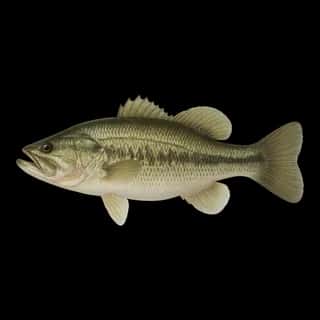
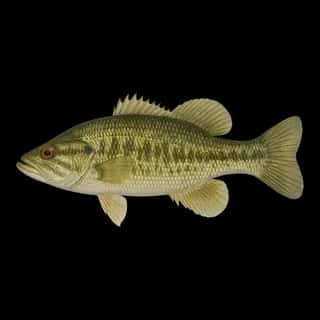
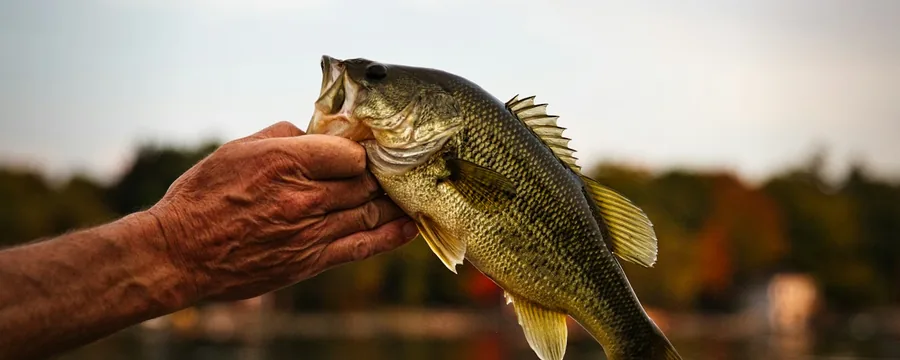
Largemouth Bass: Work shallow areas near cover like weeds, rocks, and especially fallen trees. The best months are January, February, July, and August, with good fishing in March, June, and September. Bass here are driven by water temperature and light—look for them to feed hard at dawn and dusk, especially as the water warms into the 60s and 70s. Use plastic worms (Texas rig), crankbaits, and spinnerbaits. Focus on woody cover and edges at first light, then move deeper or to shaded banks as the sun rises.
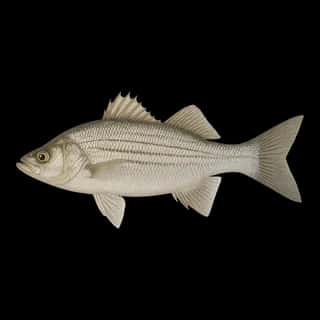
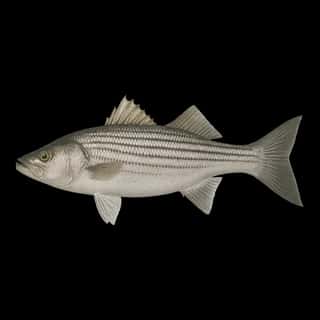
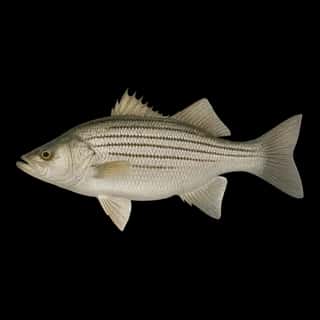
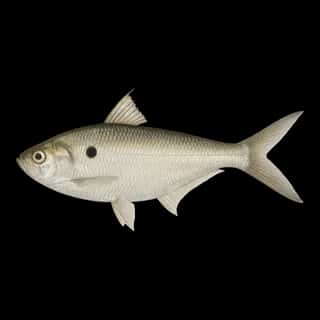
Striped Bass: Target submerged rocks, points, and drop-offs, especially near deeper bends and below riffles. The peak bite is May through July, with good action in March, April, and August. Use live shad or herring if you can get them, or cast swimbaits and topwater plugs. Early morning and evening are best, but they’ll feed during the day when bait is moving.
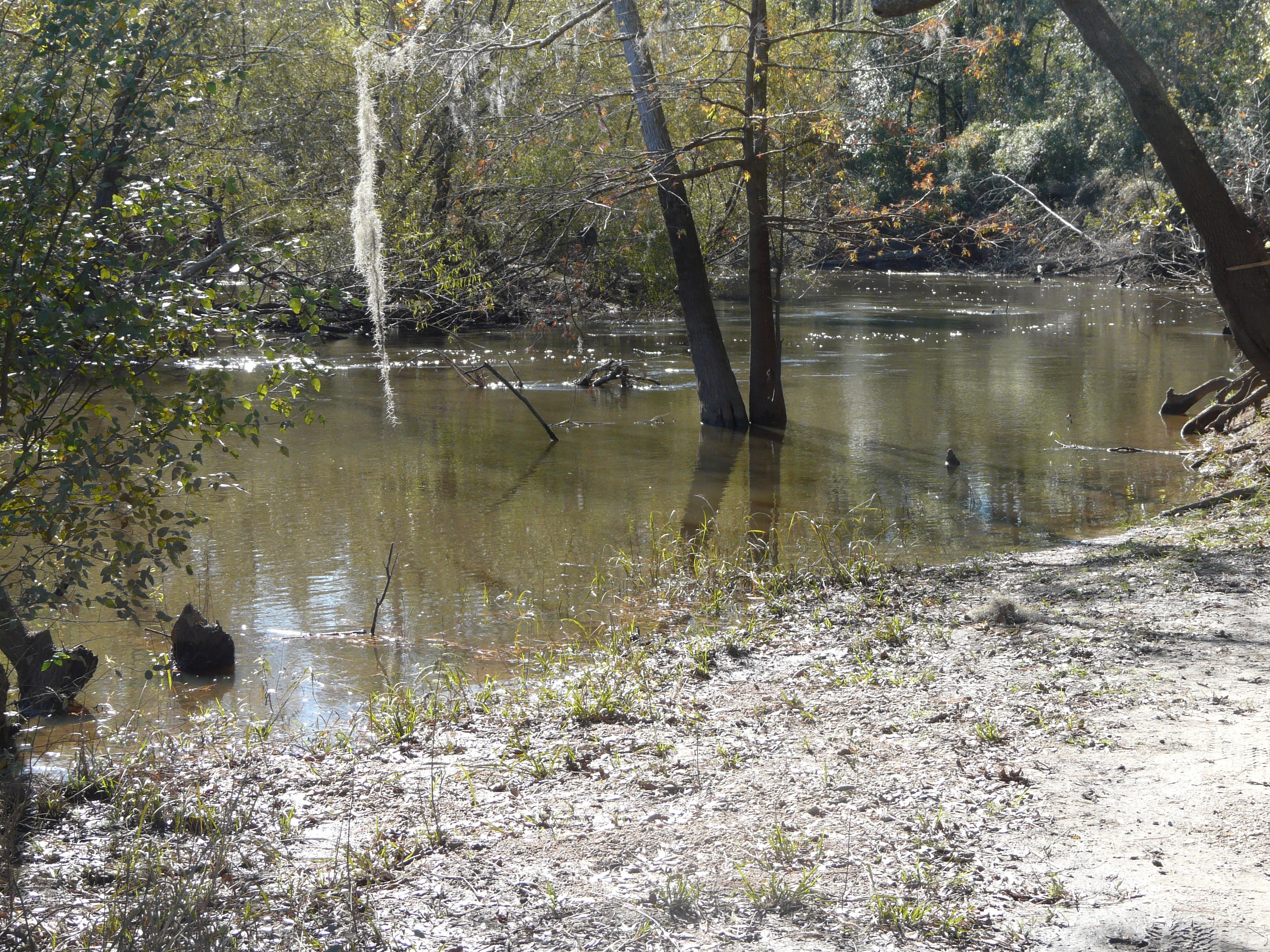
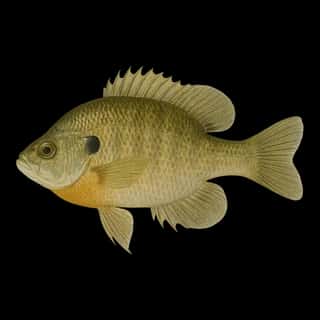
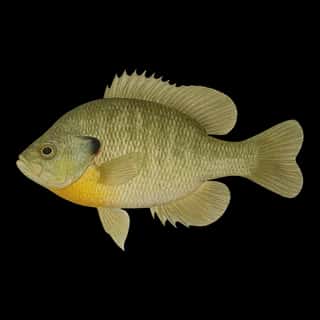
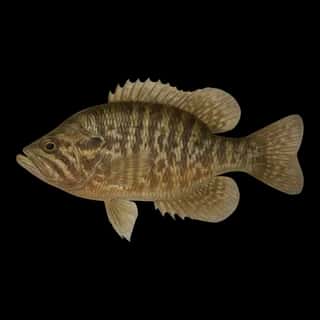
Bluegill: Fish near fallen trees, weed beds, and docks with light tackle. March through August is prime, with February and September still good. Bluegill feed best at dawn and dusk, especially when the water is 70–85°F. Use worms or small jigs under a bobber, and focus on shallow cover during the spawn in spring and early summer.
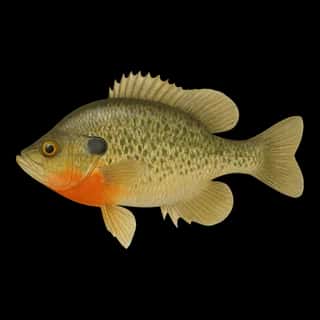
Redbreast Sunfish: Look for submerged wood and vegetation, especially in slower stretches. March through June is peak, with action holding into September. Use worms, crickets, or small jigs on light line. They bite best in the morning and late afternoon when the water is warm and insect life is high.
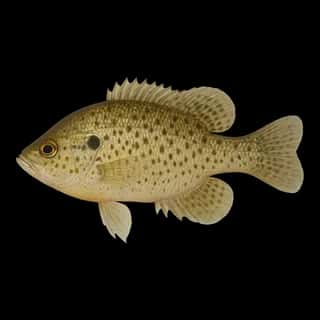
Spotted Sunfish: Target submerged rocks, logs, and vegetation in warm, slow-moving water. April through July is the best window, with March and August also producing. Small jigs, worms, or crickets work well. Fish at dawn and dusk for the most bites.
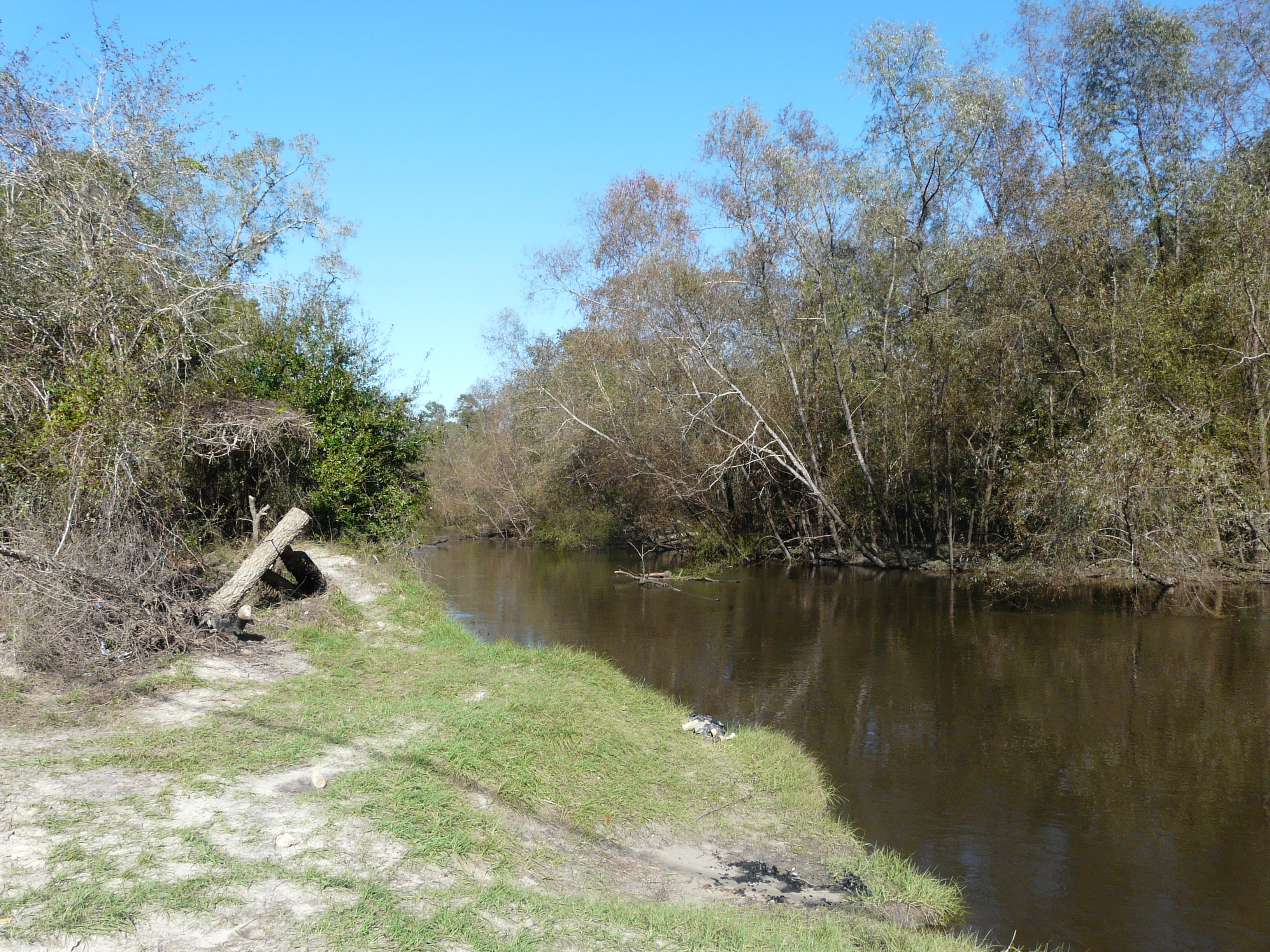
Redear Sunfish: Cast near rocks, logs, or vegetation, especially in sandy or gravelly areas. May and June are the top months, with good fishing from March through August. Use red wigglers, crickets, or small minnows on light tackle. Early morning and late afternoon are best.
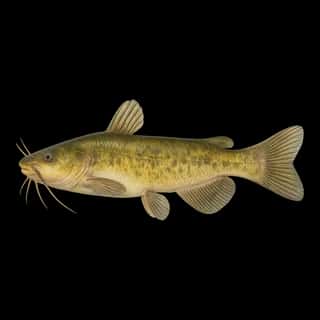
Flathead Catfish: Focus on deep holes and submerged wood. April through July is peak, with March and August still good. Fish at dusk and into the night with live bluegill or shad, or use cut bait. Heavy tackle is a must—let your bait sit on the bottom near cover.
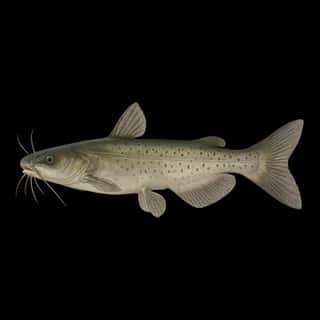
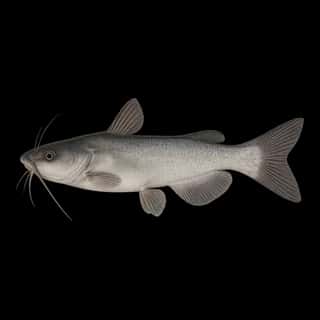
Channel Catfish: Find them near fallen trees or rocky banks, especially in deeper holes. May through August is the best bite, with March, April, and September also good. Nightcrawlers, chicken liver, and stink baits work well, especially after dark. Use a slip sinker rig and fish at night for the biggest cats.
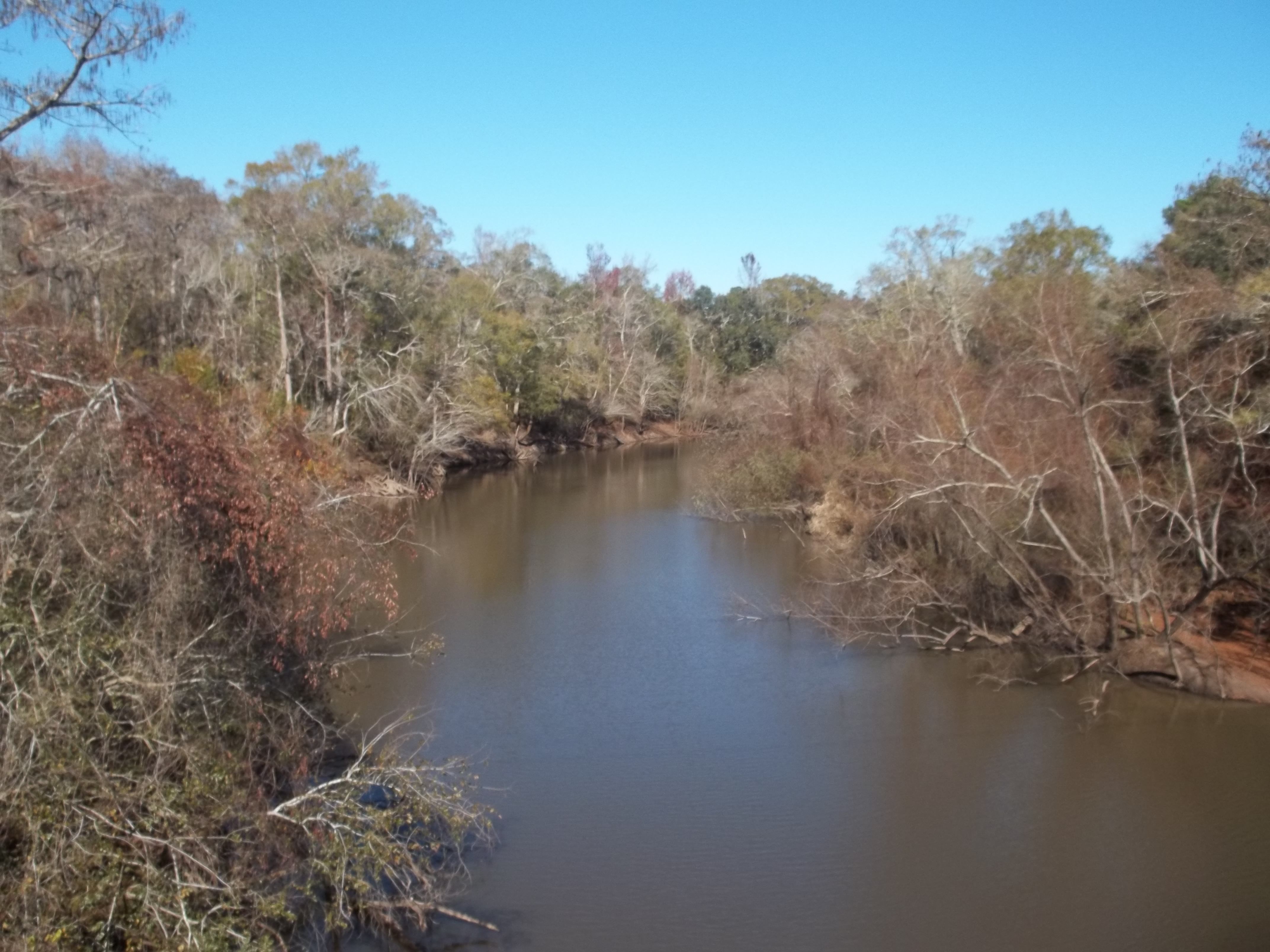
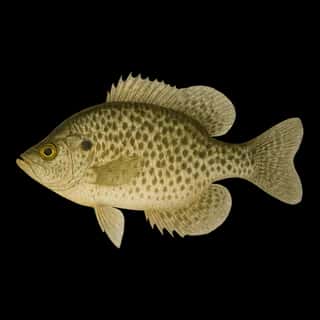
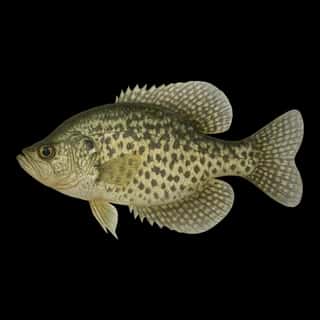
Black Crappie: Target submerged trees, brush piles, and shallow spawning areas in April, May, and June, with March and July also productive. Slip bobbers with live minnows or bright jigs are the go-to. Fish at dawn and dusk when they’re most active.
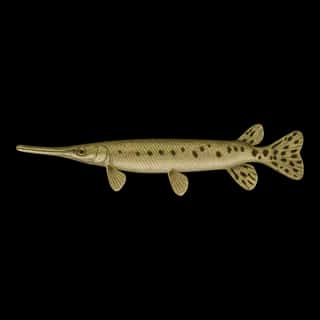
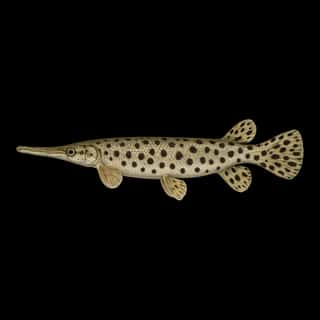
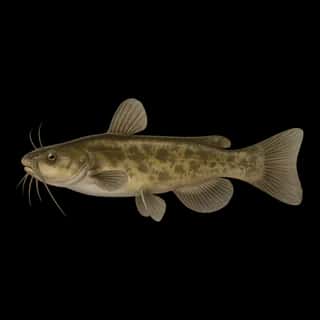
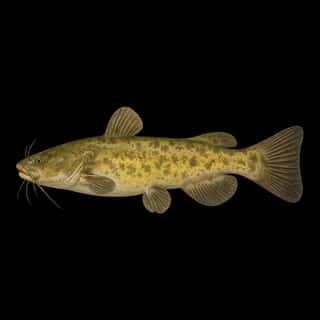
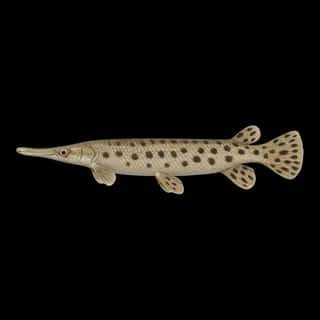
Other species like longnose gar and brown bullhead come as bycatch.
Best Fishing Spots
- Bends and Woody Cover: The river’s outside bends with downed trees and submerged logs are prime for largemouth bass, bluegill, and catfish. Start your day working these areas near Coe Landing and Blount Landing.
- Deep Holes: For flathead and channel catfish, focus on the deeper holes and runs below riffles, especially at night. The stretch near Porter Lake Boat Ramp and Whitehead Landing holds good catfish in summer.
- Submerged Points and Drop-offs: Striped bass stack up near points and drop-offs, especially where baitfish gather. Try the area around the Ochlockonee River at Highway 90 ramp for stripers in late spring and early summer.
- Shallow Vegetation Edges: Bluegill, redear, and redbreast sunfish bed and feed along weed edges and shallow flats. The backwaters near Ben Stoutamire Landing and Blount Landing are reliable for panfish, especially during the spawn.
- Fishing Pier: The Ocholockonee River State Park pier gives bank anglers a shot at sunfish, bass, and catfish without a boat.
Structure and Depth
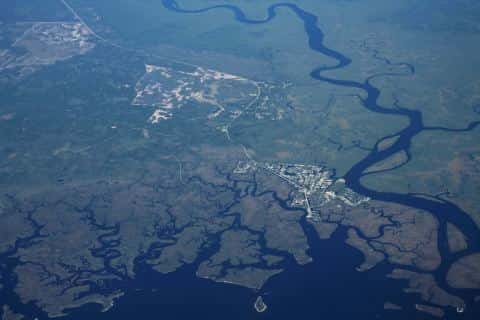
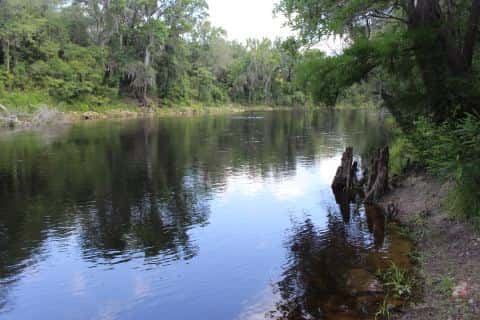
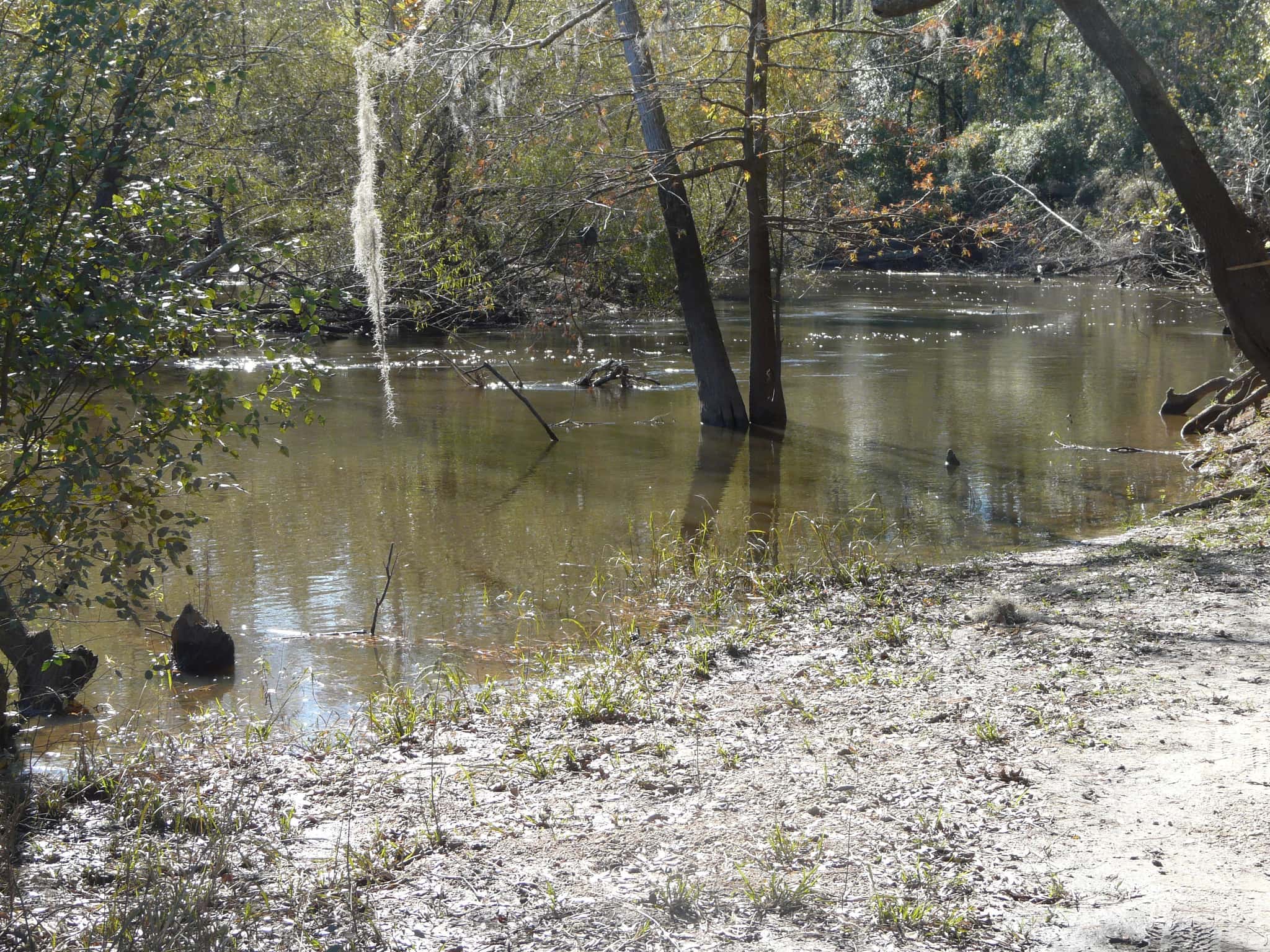
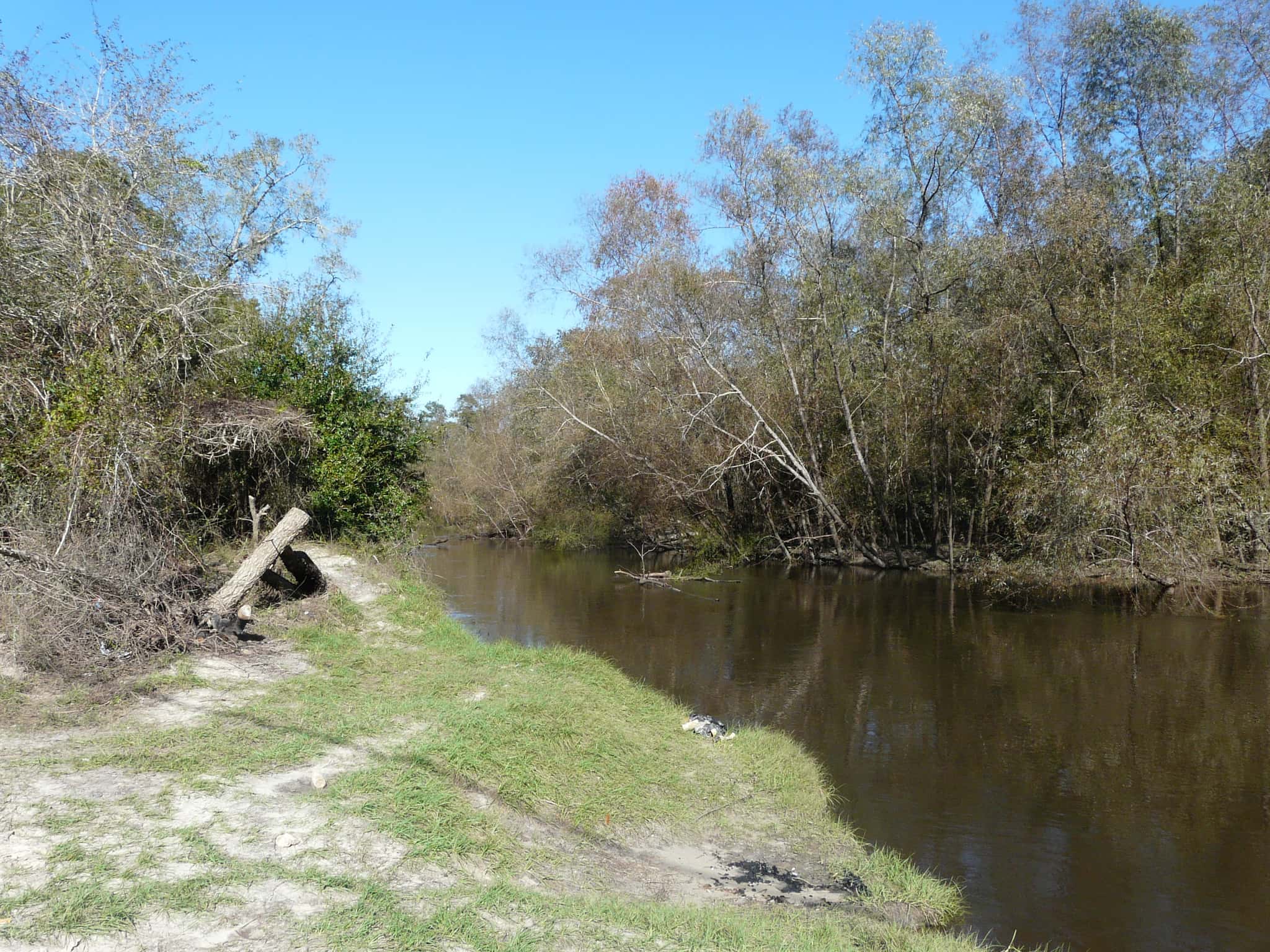
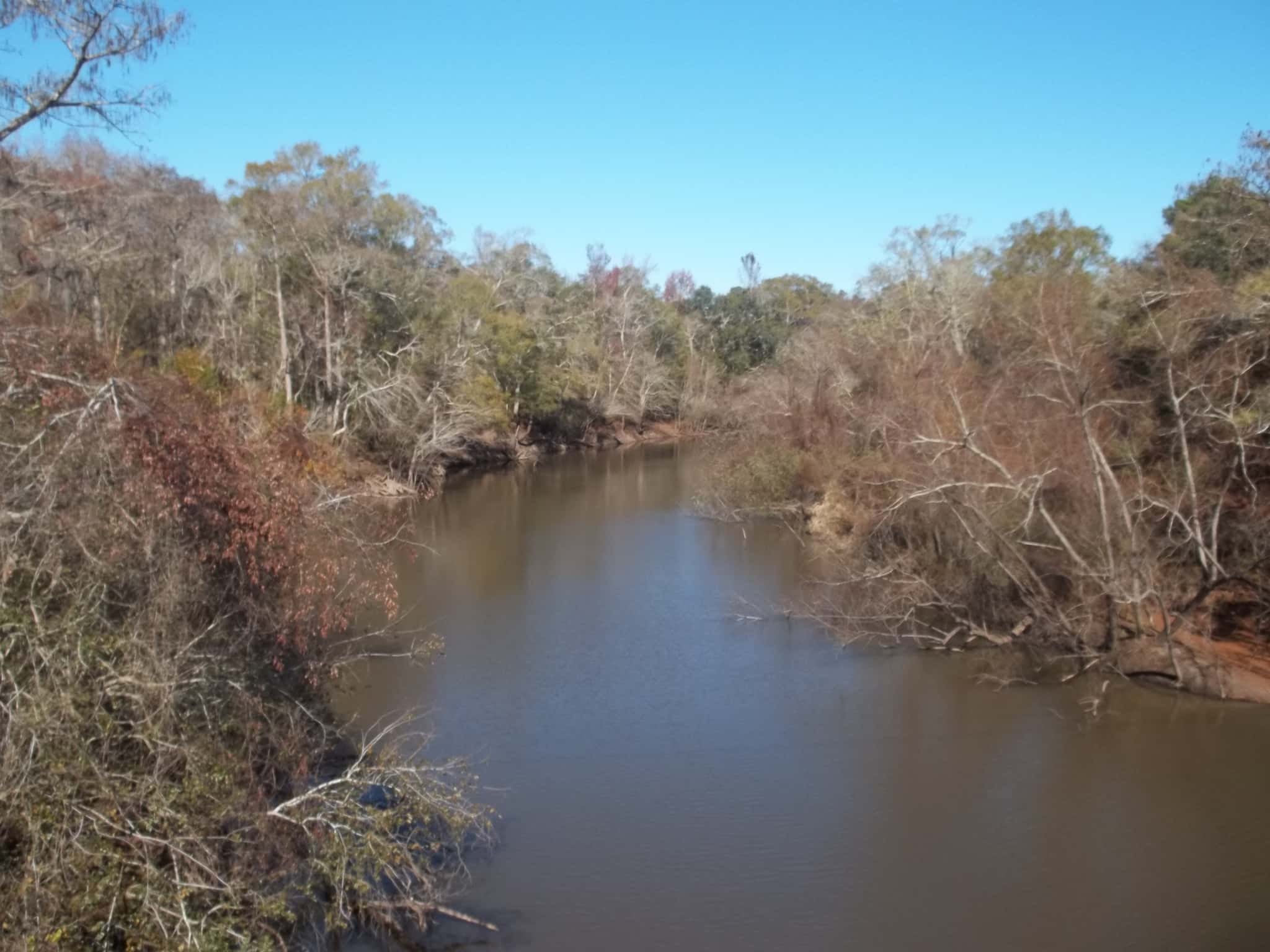
The Ochlockonee is a classic North Florida river with a mix of shallow runs, outside bends, and deep holes up to 10 feet. Most fish relate to woody cover—fallen trees, submerged logs, and root wads—especially during high water. Shallow flats and weed edges are key for panfish and bass in spring and early summer. When the water is low, fish stack in deeper holes and along the main channel. The bottom is mostly sand and mud with scattered rock and plenty of aquatic vegetation.
Season-by-Season Breakdown
- Winter (Jan–Feb): Largemouth bass feed well in January and February, especially on warming trends. Striped bass start to stage as water temps rise. Panfish are slower but can be caught in deeper holes on sunny days.
- Spring (Mar–May): This is the best window for most species. Bass and stripers move shallow to spawn as water hits the 60s. Bluegill, redear, and redbreast sunfish begin bedding. Crappie spawn in April and May. Catfish action picks up as the water warms.
- Summer (Jun–Aug): Bluegill and panfish bite hard through August. Flathead and channel catfish are at their best, especially at night. Striped bass hold in deeper runs. Early and late are best for bass as the heat drives them to cover.
- Fall (Sep–Nov): Bass and panfish remain active in September. As water cools into November, the bite slows but fish can still be caught in deeper holes. Striped bass may feed up before winter sets in.
The single best window is March through June for bass, stripers, and panfish. Avoid December if you want steady action—most species slow down as the water cools.
Getting on the Water: Ramps and Access
You have a strong set of public ramps along the Ochlockonee. For easy access and parking, Coe Landing is the main launch: 2 concrete lanes, paved trailer parking for 39 rigs, dock, always open, paid fee, and flush restrooms. Blount Landing is a solid backup with 1 lane, 14 trailer spots, and no fee. Ben Stoutamire Landing offers paved parking and flush restrooms, but only 3 trailer spaces. Porter Lake Boat Ramp is free, concrete, and has a composting restroom. For small boats or canoes, Elk Horn Landing and Fairbanks Ferry Road Boat Ramp work, but parking is limited. The Ocholockonee River State Park pier is your main shore option.
Hours are generally always open, but a few ramps in the Apalachicola National Forest and Tate’s Hell State Forest charge a fee. Restrooms are available at Coe Landing, Ben Stoutamire, Whitehead Landing, and Porter Lake. The river is shallow in spots, so watch for sandbars and submerged logs, especially after high water.
Water and Conditions
The Ochlockonee runs clear to stained, with a mean water temperature of 71°F and clarity averaging 7.3 feet, but it can drop to nearly zero after a rain. Turbidity is low, but the river can muddy up fast. The latest reading in August 2025 showed 84°F water, slightly below-average turbidity, and lower oxygen—typical for late summer. Water quality is generally good, but expect big swings in clarity and flow after storms. The river is shallow overall, with a max depth of 10 feet, and most fish relate to cover or deeper bends.
Regulations
- Largemouth Bass (includes Suwannee Bass): 5 black bass total per day (all species combined), only one may be 16 inches or longer. No minimum length for largemouth. Florida freshwater fishing license required unless exempt.
- Striped Bass, White Bass: 20 total per day (all three species combined), only 6 may be 24 inches or longer. Open year-round. Freshwater fishing license required.
- Bluegill, Redbreast, Spotted Sunfish, Redear, Warmouth, Flier: 50 panfish aggregate per day. No length limit. Open year-round. Freshwater fishing license required.
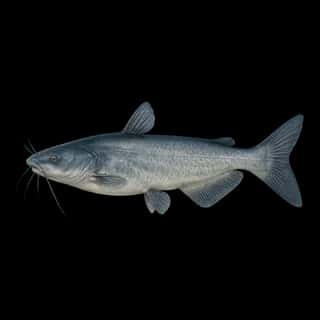
- Channel Catfish, Blue Catfish: No statewide bag or possession limit unless posted for a specific Fish Management Area. Florida freshwater fishing license required unless exempt.
- Black Crappie: 25 per day. No statewide length limit. Open year-round. Freshwater fishing license required.
- Nonnative Species: Releasing or introducing any nonnative fish into Florida waters requires a permit from the Commission (Ch. 68-5, F.A.C.). No live nonnative fish, except variable platys and fathead minnows, may be transported for bait.
A Florida freshwater fishing license is required for all anglers unless exempt. Short-term licenses are available for non-residents. Always check the current FWC regulations before keeping any fish.
Shore and Boat Access
Shore fishing is limited but possible at the Ocholockonee River State Park pier and at some ramps like Coe Landing and Porter Lake. Most of the riverbank is wooded or marshy, so a boat gives you far more options. Canoes and kayaks can launch at Elk Horn Landing and several small ramps, but watch for current and submerged obstacles. Trailer parking is best at Coe Landing, Blount Landing, and the Highway 90 ramp.
Trip Logistics
Base yourself in Tallahassee, just over 7 miles from the river, for the best access to ramps, supplies, and lodging. The nearest major airport is Tallahassee International, 9 miles away. Live bait is available at tackle shops in Tallahassee—call ahead for wild shiners or minnows if you want them for bass or crappie. Lodging options include hotels in Tallahassee or camping at nearby state forests and parks. Book early for spring and early summer, as these are the busiest months for both fishing and camping.
Ecology
The Ochlockonee is a clean, clear river most of the year, but water clarity can swing from over 7 feet to nearly zero after heavy rain. Dissolved oxygen drops in late summer, which can slow the bite for some species. The river supports abundant aquatic vegetation and healthy populations of native fish. Invasive species like hydrilla are present in some areas, but not dominant.
What’s Hard About This Water
The Ochlockonee is shallow and can be tough to run after storms—sandbars and submerged logs are a real hazard, especially for bigger boats. Water clarity changes fast, so lure color and presentation may need to change day to day. Crowds are lighter than on Lake Talquin, but parking at the best ramps can fill during spring weekends.
Safety
Watch for submerged logs and shifting sandbars, especially after high water. Summer brings afternoon storms and lightning—get off the water early if thunder is in the forecast. Alligators are present along the banks, so use caution when wading or fishing from shore.
Pros and Cons
- Pros:
- Multiple ramps with good parking
- Clear water and healthy fishery
- Both bass and stripers present
- Less crowded than nearby lakes
- Cons:
- Shallow, with many submerged hazards
- Limited shore access
- Water clarity changes fast after rain
Final Verdict
The Ochlockonee River is a strong pick for anglers who want a classic North Florida river bite with both largemouth and striped bass, plus solid panfish and catfish action. The best fishing is March through July, and you’ll need your own boat to reach the best water. Launch at Coe Landing or Blount Landing for the easiest access. If you want deep water, easy rentals, or wide-open shore fishing, Lake Talquin is a better fit. For moving water, natural banks, and a shot at river stripers, the Ochlockonee is hard to beat.