How to recognise it
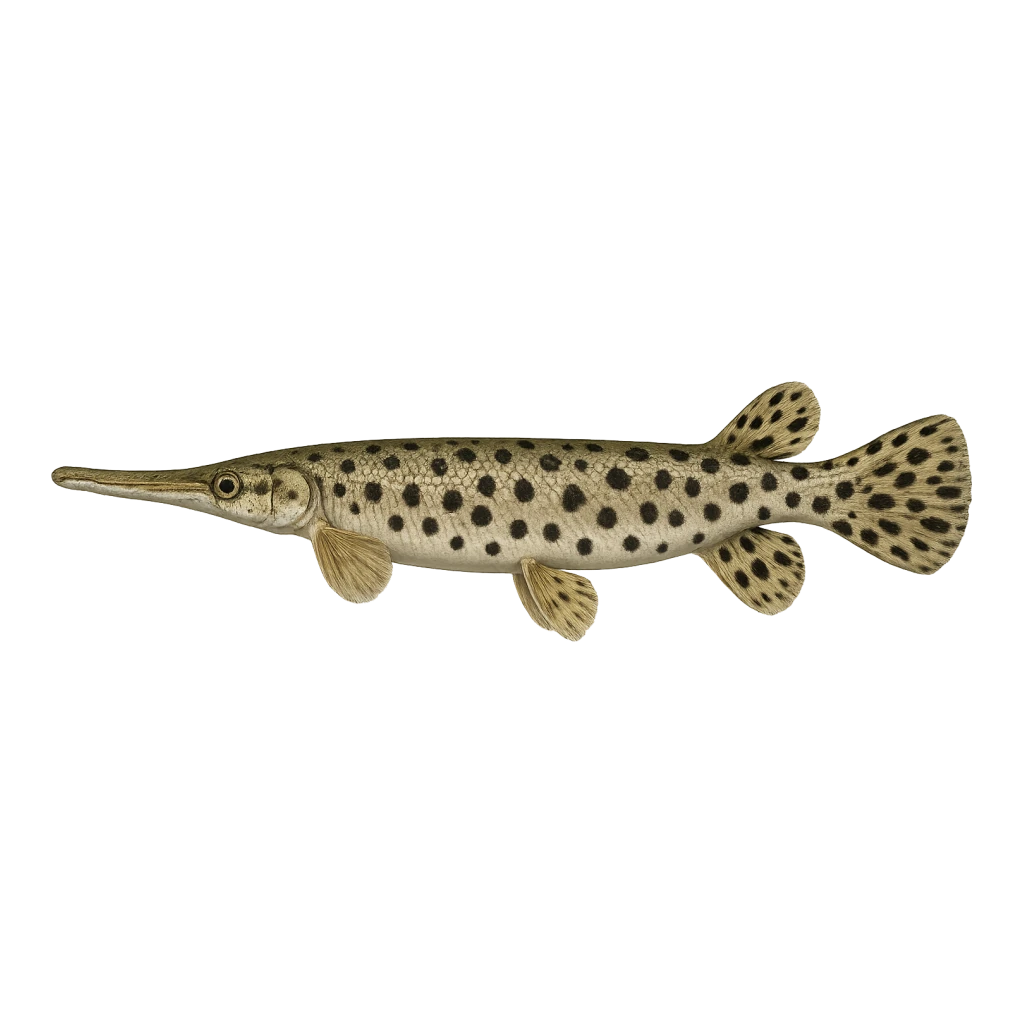
The Spotted Gar (Lepisosteus oculatus) is a long, slender fish with a distinctive appearance. It has a torpedo-shaped body covered in hard, diamond-shaped scales. The coloration is typically olive green to brown, with dark spots along its sides. The dorsal fin is located far back on the body, and the mouth is long and filled with sharp teeth.
This species is often confused with the Longnose Gar (Lepisosteus osseus). The key detail that separates them is the shape of the snout; the Spotted Gar has a shorter, wider snout compared to the elongated snout of the Longnose Gar.
Where it lives
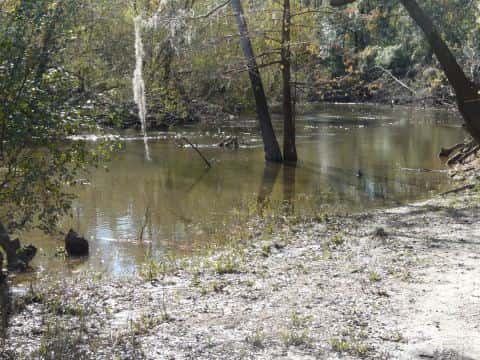
The Spotted Gar is primarily found in the southeastern United States. Its range includes the Gulf Coast, from Texas to Florida, and extends north into the Mississippi River Basin. It inhabits various freshwater environments, including rivers, lakes, and swamps.
This species prefers shallow waters with plenty of vegetation, such as lily pads and submerged logs. Depths of 1 to 10 feet are common, but they can be found in deeper waters during certain times of the year. In spring and summer, they tend to move into shallower areas for spawning, while in winter, they may retreat to deeper, warmer waters.
When it bites
The Spotted Gar is most active from late spring to early fall. The ideal water temperature for fishing is between 70 and 85 degrees F. They are often more aggressive during dawn and dusk, making these times prime for fishing.
Weather changes can impact their feeding behavior. A passing front may trigger increased activity, while high winds can make them less likely to bite. The presence of a full moon often leads to heightened feeding, as they are more active during the night.
How to catch it
To catch Spotted Gar, use a variety of rigs, including float rigs and bottom rigs. Popular baits include live minnows, cut bait, and artificial lures such as spinnerbaits and topwater plugs. Sizes of lures should range from 3 to 6 inches, with colors like silver, chartreuse, and black being effective.
For line, use a strong braided line in the 20 to 30-pound test range. Hooks should be sharp and sized between 2/0 and 4/0. Cast near vegetation or structure, and retrieve your bait slowly to mimic natural movement. Be prepared for a strong fight, as Spotted Gar are known for their aggressive strikes.
Size, age and the table
Anglers typically encounter Spotted Gar ranging from 24 to 36 inches in length. A trophy Spotted Gar is generally considered to be over 40 inches. Growth rates vary, but they can reach maturity in 3 to 5 years, with a lifespan of up to 20 years.
The eating quality of Spotted Gar is variable. While some anglers enjoy the taste, others find it less desirable due to the fish's bony structure. If you choose to keep one, handle it carefully and consider releasing larger specimens to maintain the population. Always check local regulations for guidelines on harvesting this species.