Apalachicola River Fishing Guide: Largemouth Bass, Striped Bass, Sunshine Bass & Best Spots
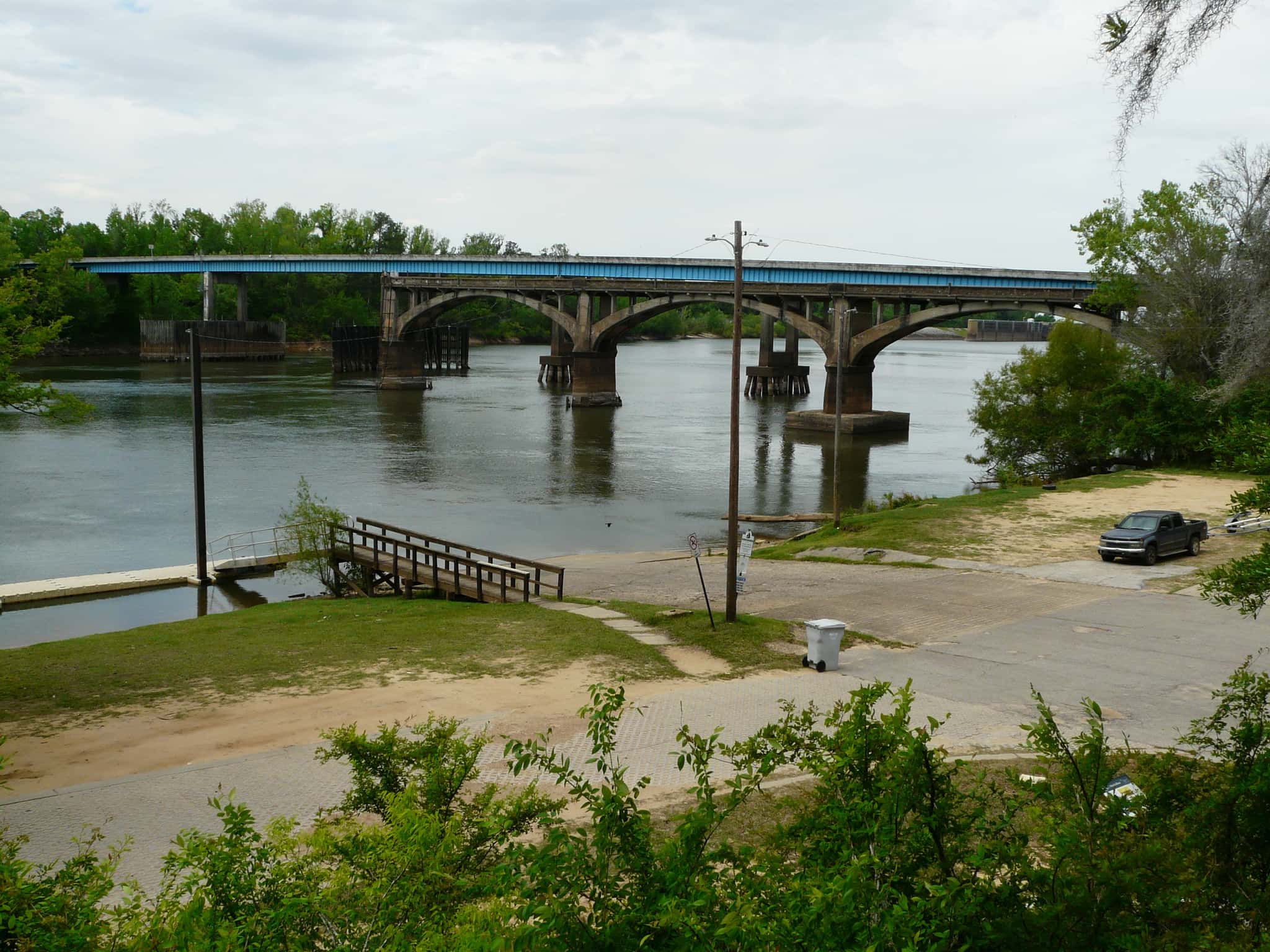
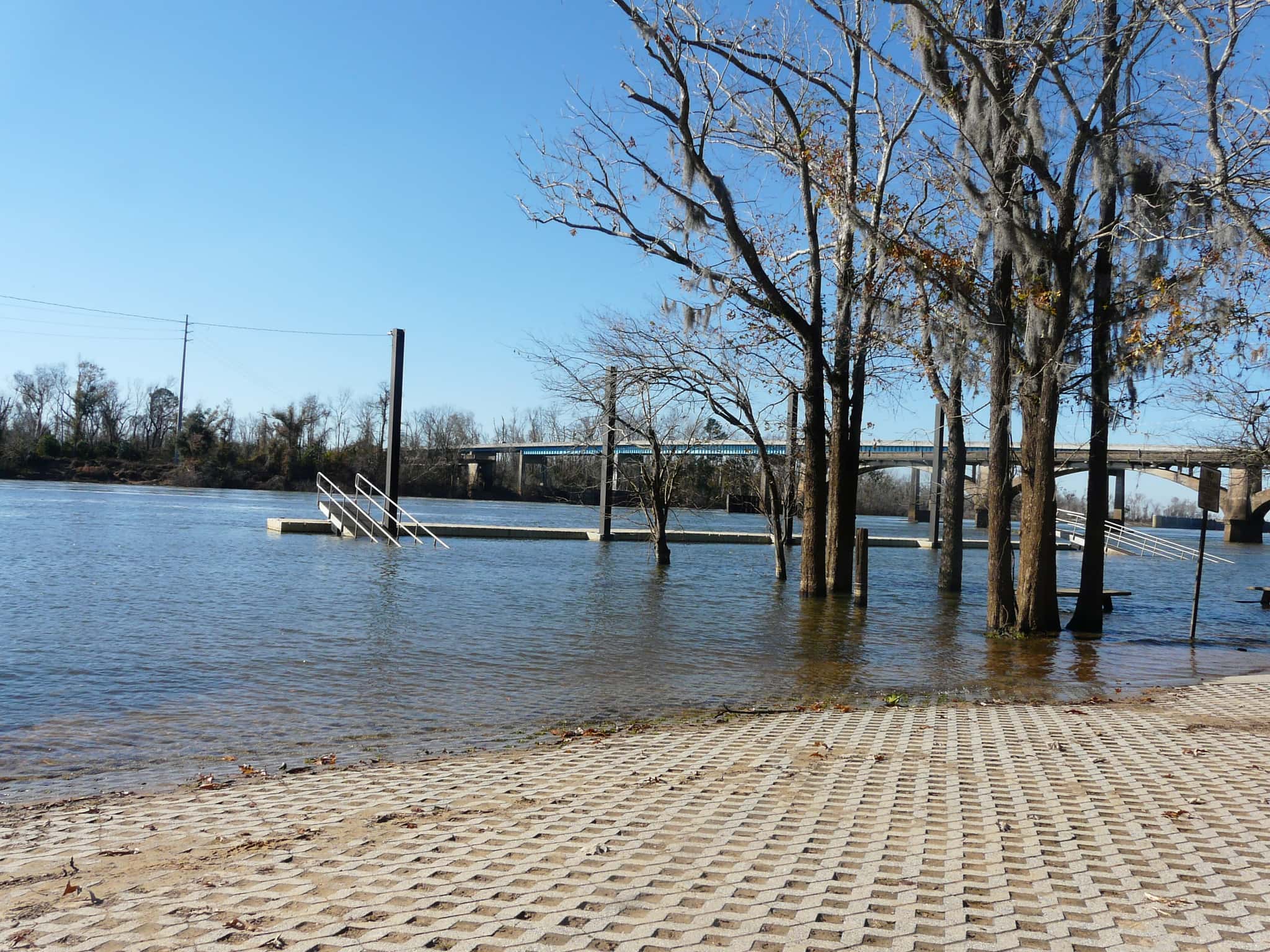
If you want a shot at largemouth bass, striped and sunshine bass, big catfish, and a mix of freshwater and brackish action, the Apalachicola River is one of Florida’s top mixed-bag fisheries. The best months for most headline species are March through June, with strong bites for bass and catfish carrying into summer. You’ll need a boat to reach the best water—shore access is limited and the river is wide, deep, and full of structure. Start your trip at Battery Park Boat Ramp in Apalachicola for the lower river, or Gardeners Landing for the upper stretches. Early morning and dusk are prime times, especially near sandbars, drop-offs, and submerged wood.
Introduction
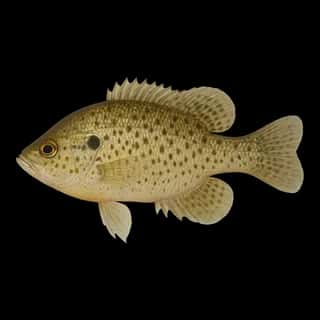
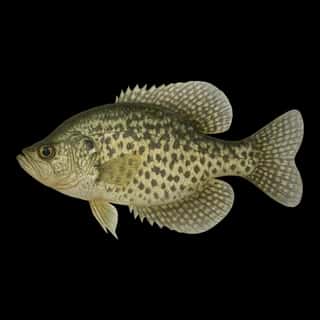
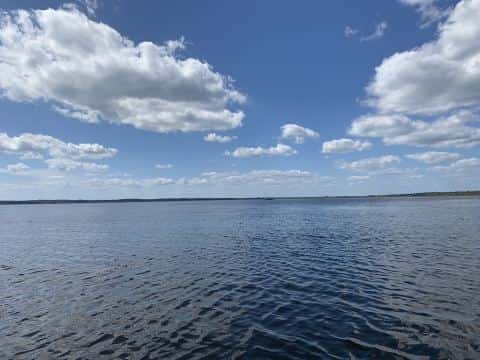
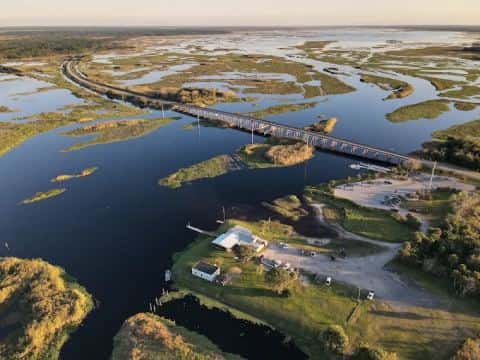
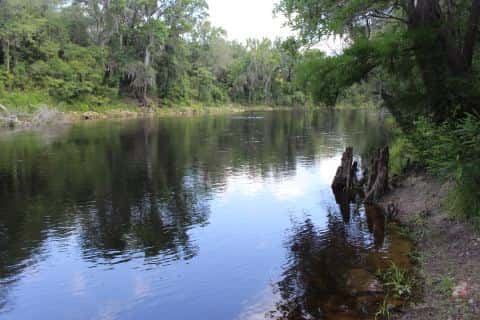
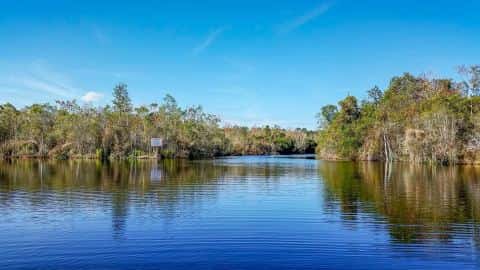
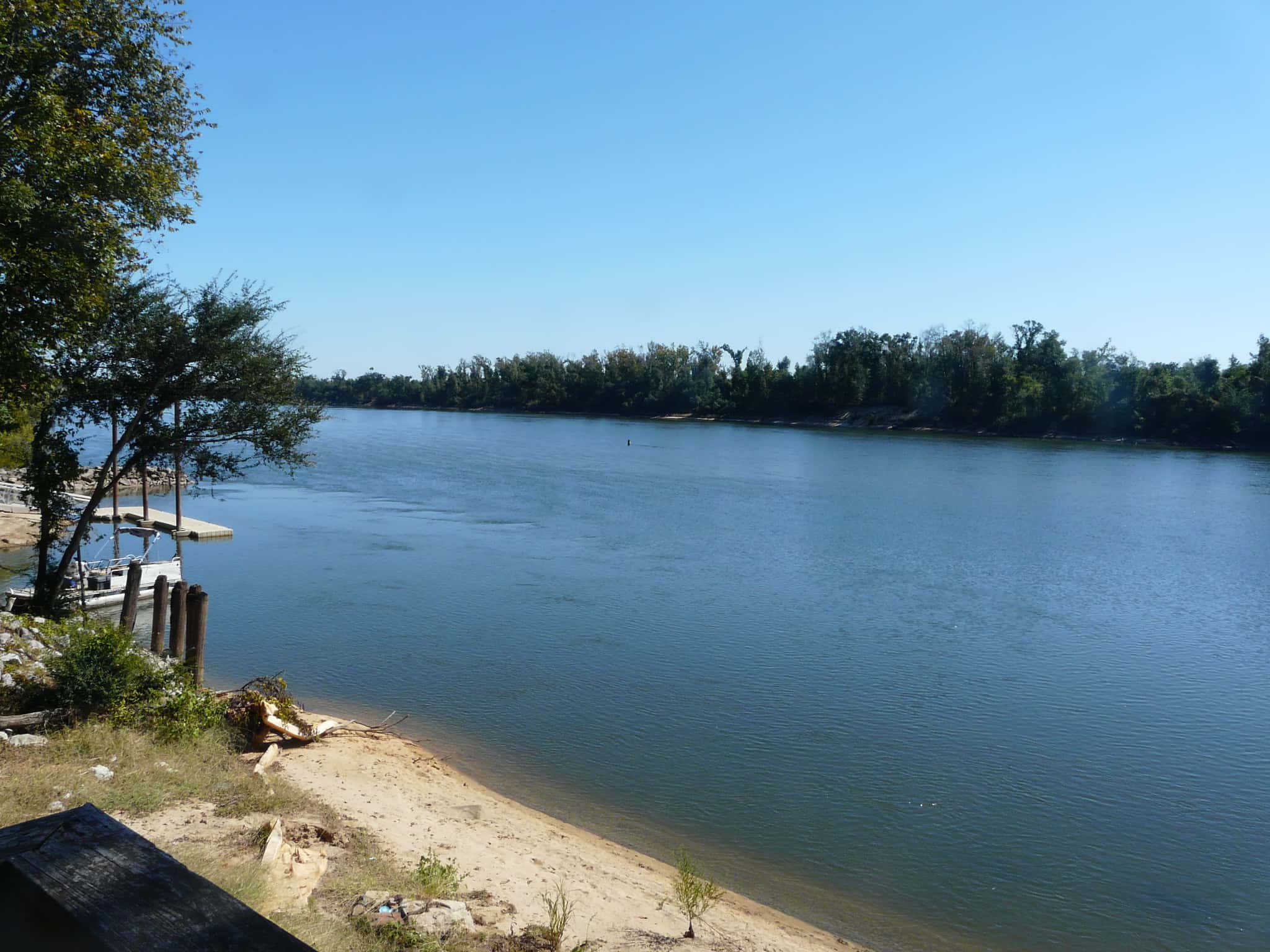
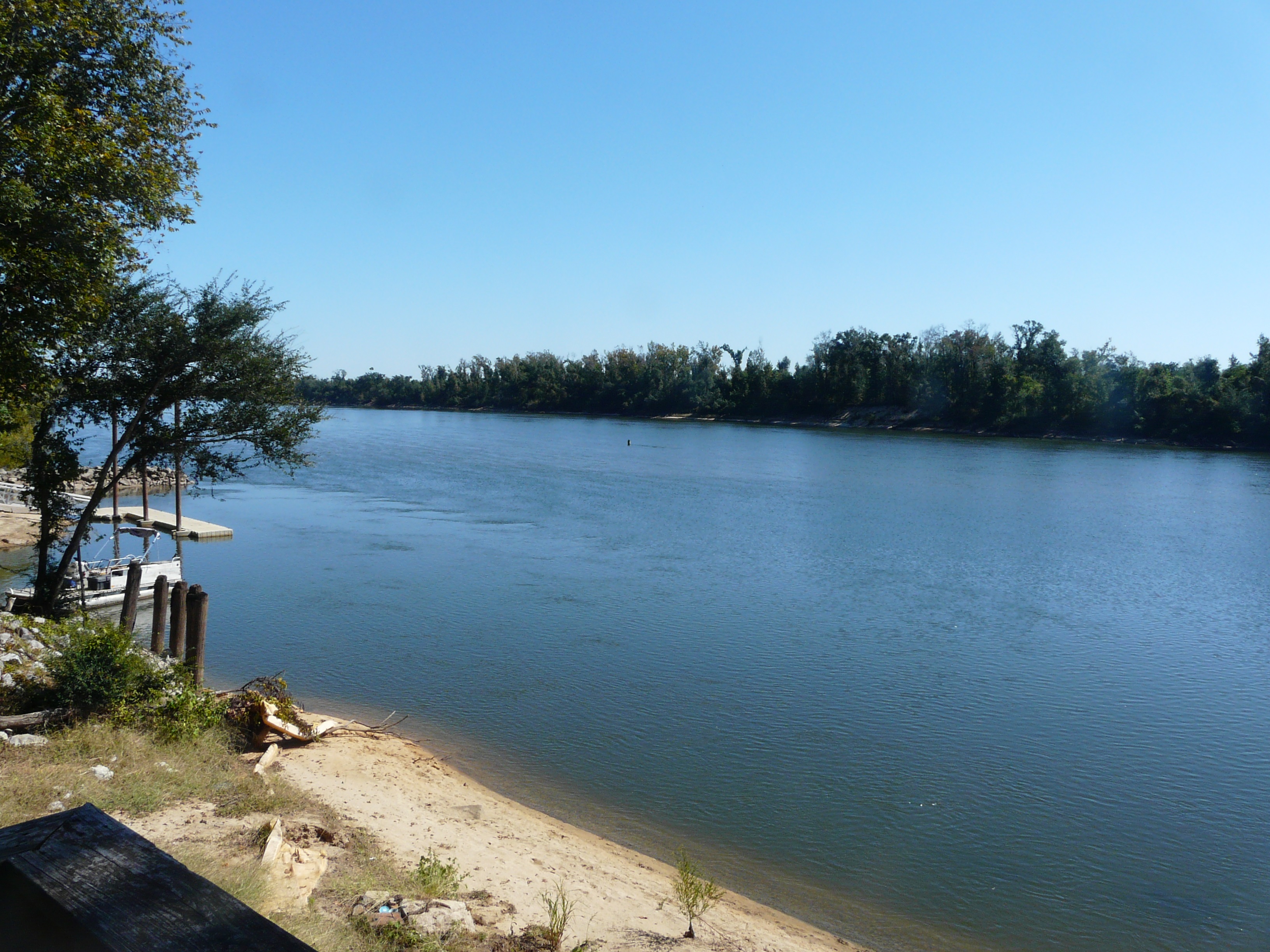
The Apalachicola River runs through Florida’s Panhandle, cutting through Liberty County and connecting Lake Seminole to Apalachicola Bay. It’s a big, deep river—up to 45 feet in places—with a mix of sandbars, drop-offs, and submerged structure. You’ll also find bluegill, redear sunfish, and black crappie. This is a river for anglers who want variety and are ready to move with the fish as water levels and salinity shift through the year.
Positioning Against the Alternative
If you’re weighing the Apalachicola River against Lake Seminole or the nearby Ochlockonee River, here’s the tradeoff: Apalachicola offers bigger water, more species, and a true mix of freshwater and saltwater action, especially in the lower river. Seminole is more stable for largemouth and crappie, but doesn’t have the same striper or hybrid bass potential. The Ochlockonee is smaller and easier to fish from shore, but can’t match Apalachicola’s depth or variety. If you want both trophy bass and a shot at big cats, Apalachicola is the call.
Target Species and How to Fish Them
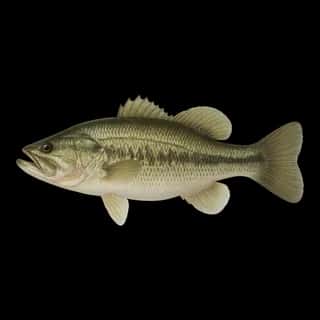
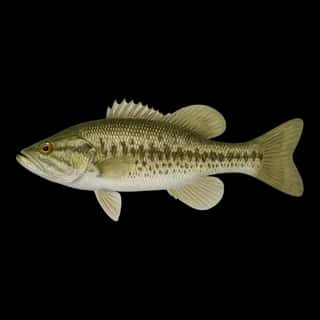
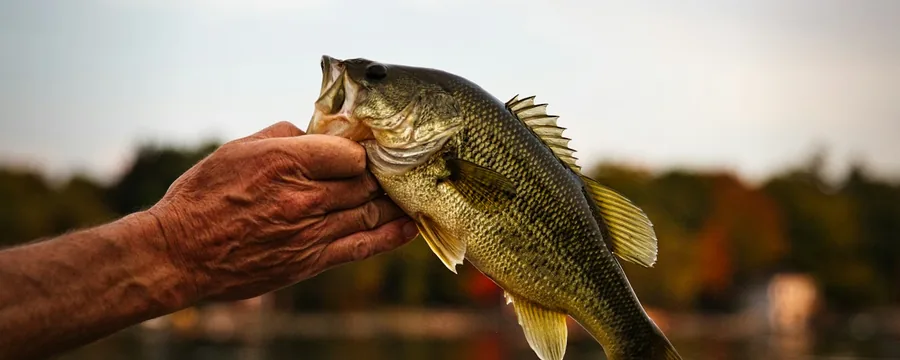
- Largemouth Bass: Fish the upper and middle river stretches near fallen trees, weedlines, and rocky banks. January, February, July, and August are peak months, with good action in March, June, and September. Bass move shallow to spawn in late winter and early spring, then drop into deeper channels as the water warms. They bite best at dawn and dusk. Use plastic worms (Texas rig), crankbaits, and spinnerbaits. Focus on cover—logs, rocks, and weeds.
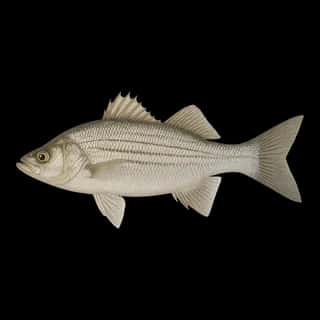
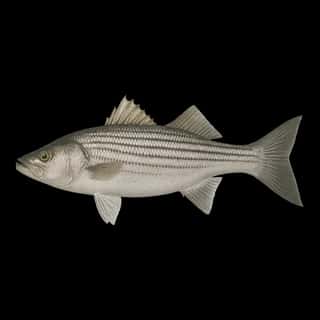
- Striped Bass: Target the lower river from the Pinhook upstream, especially around submerged rocks, points, and drop-offs. May through July is the top window, with good fishing in March, April, and August. Striped bass are driven by water temperature and baitfish movement, schooling up during spring and early summer. Live shad, swimbaits, and topwater plugs work well. Fish at dawn, during the day, and dusk—look for schooling activity near structure.
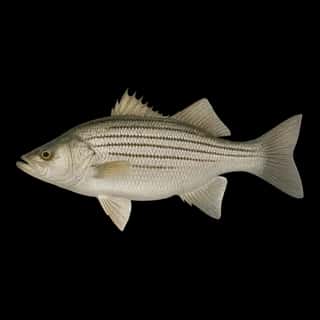
- Sunshine Bass: These hybrids are stocked and act a lot like stripers. April through July is prime, with March and August also good. They feed hard at dawn and dusk. Use swimbaits, jigs, and topwater lures near submerged structure, points, and drop-offs.
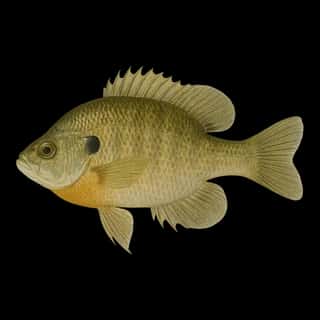
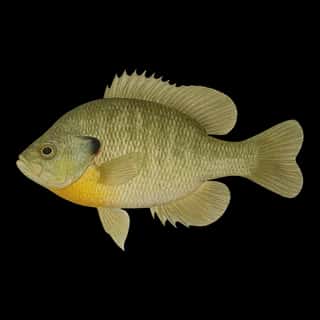
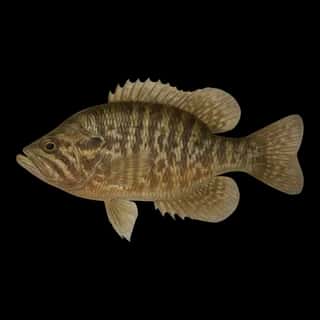
- Bluegill: Look for bluegill near fallen trees, weed beds, and docks throughout the river. March through August is best, with February and September also producing. They bite well at dawn and dusk. Use light tackle, worms under a bobber, or small jigs.
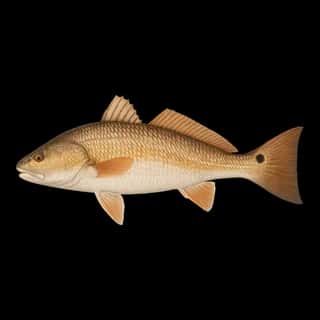
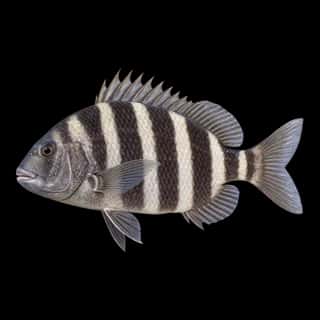
- April through June is peak, with March and July also good. They feed most at dawn and during the day. Use live fiddler crabs, shrimp, or sand fleas on a small hook near structure.
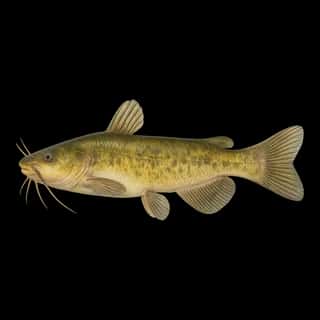
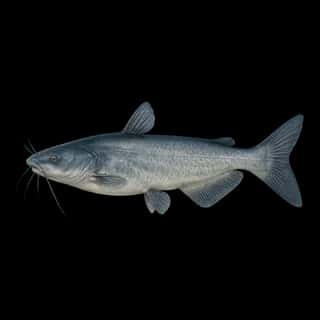
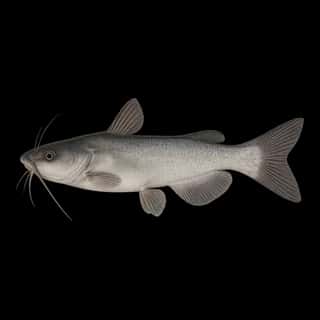
- Blue Catfish: Fish deep holes and drop-offs, especially near submerged logs. March through June is the top bite, with February, July, August, and September also good. Blue cats feed at dusk and night. Use heavy tackle with live or cut shad, fishing on the bottom.
- Flathead Catfish: Target deep structure—fallen trees, rocks, and holes—especially in the upper and middle river. April through July is best, with March and August also producing. Flatheads feed at dusk and night. Use live bluegill or shad, fished on the bottom near cover.
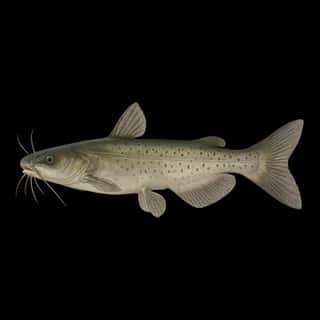
- Channel Catfish: Look for channel cats near fallen trees, rocky banks, and deep water. May through August is peak, with March, April, and September also good. They bite at dusk and night. Use chicken liver, stink bait, or cut bait on a slip sinker rig.
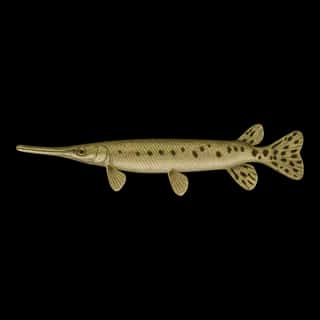
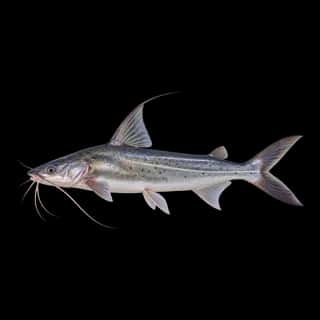
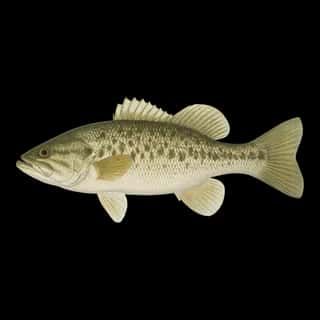
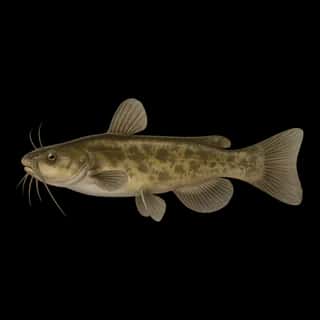
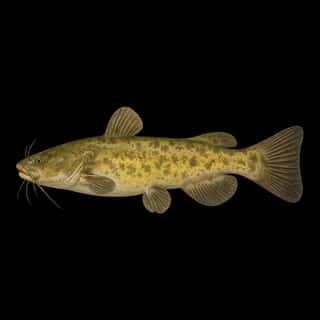
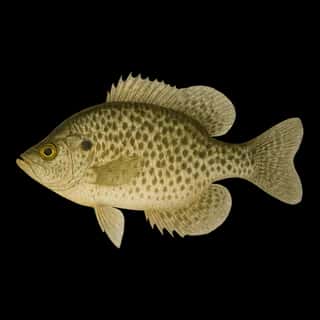
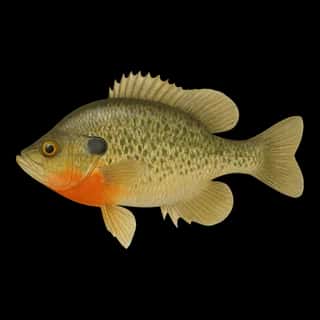
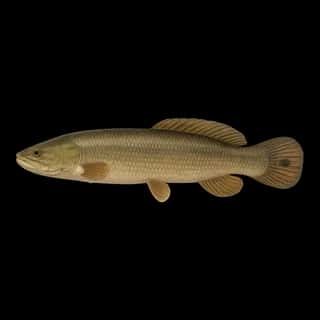
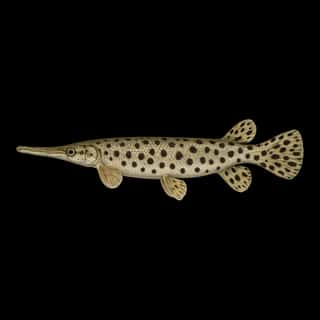
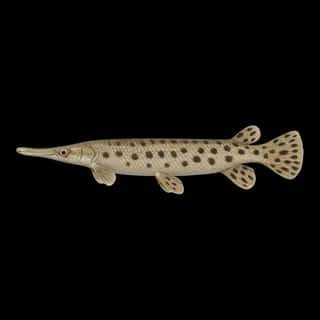
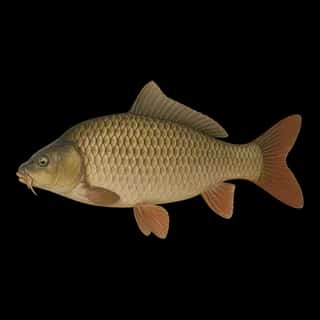
- Other Species: The river also holds black crappie (winter and spring), redear sunfish, warmouth, flier, redbreast sunfish, spotted sunfish, spotted and shoal bass, white bass, white catfish, and gar. Most are caught near structure or in backwaters. Bycatch includes longnose gar, gafftopsail catfish, yellow and brown bullhead, common carp, and bowfin.
Best Spots to Fish
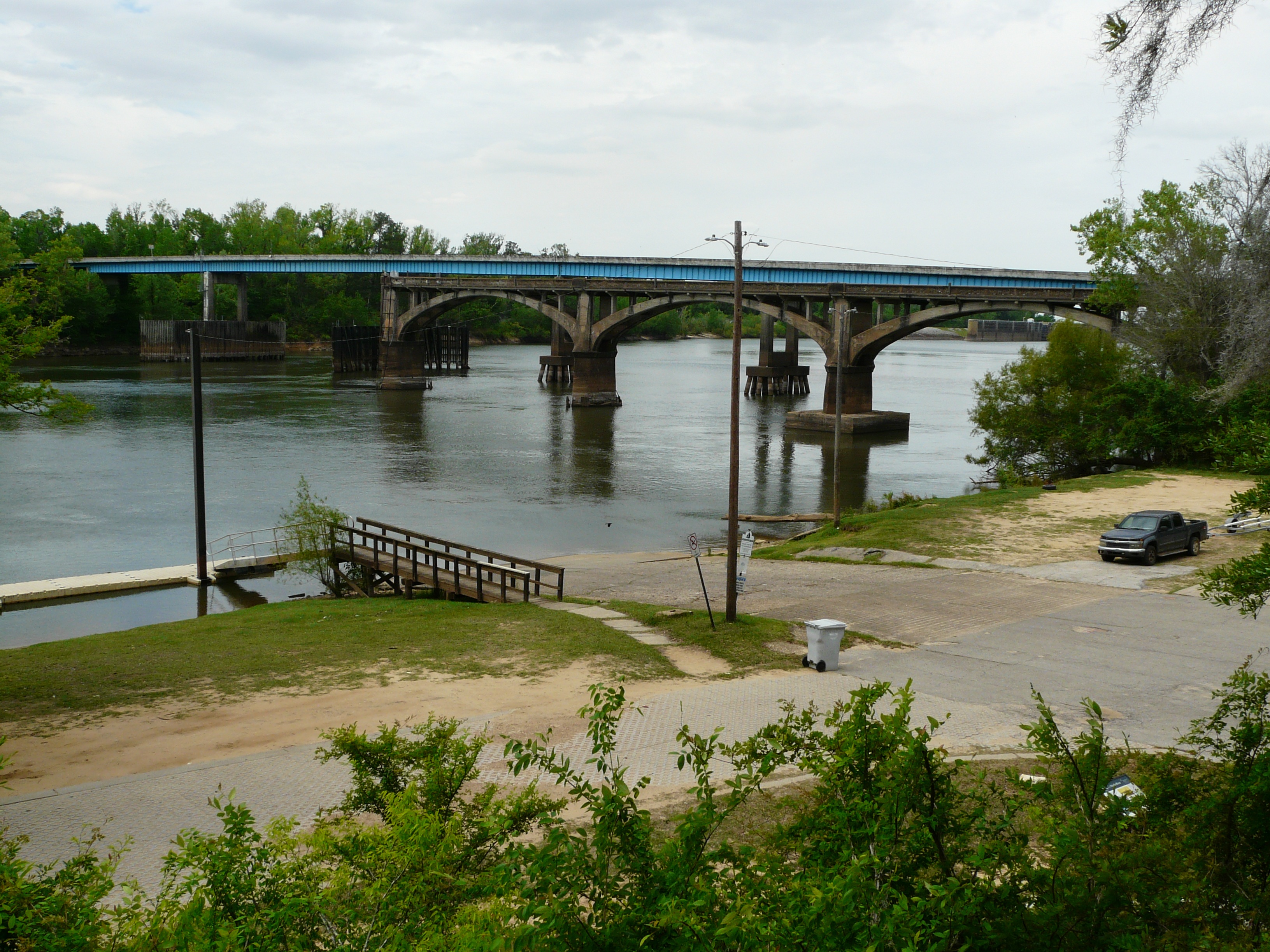
- Battery Park Boat Ramp (Apalachicola): The main launch for the lower river, with six lanes, a dock, and big-trailer parking.
- Gardeners Landing Public Boat Ramp: Two-lane concrete ramp with dock and trailer parking. Good access to the middle river for largemouth, catfish, and panfish. Fish the nearby drop-offs and submerged wood.
- Owl Creek Primitive Access: One-lane ramp with dock, always open. Launch here for flathead and blue catfish in deep holes and around fallen trees.
- White Oak Landing: One-lane concrete ramp with dock and trailer parking. Good for upper river bass, stripers, and panfish—work the channel edges and structure.
- Sandbars and Channel Drops: Throughout the river, especially in the upper and middle stretches, sandbars and channel edges hold schooling stripers, sunshine bass, and panfish at first light.
- Creek Mouths and Backwaters: In high flow or when saltwater pushes up, fish move into creeks and backwaters—try Lake Wimico and the mouths of major creeks for bass and panfish.
Structure and Depth
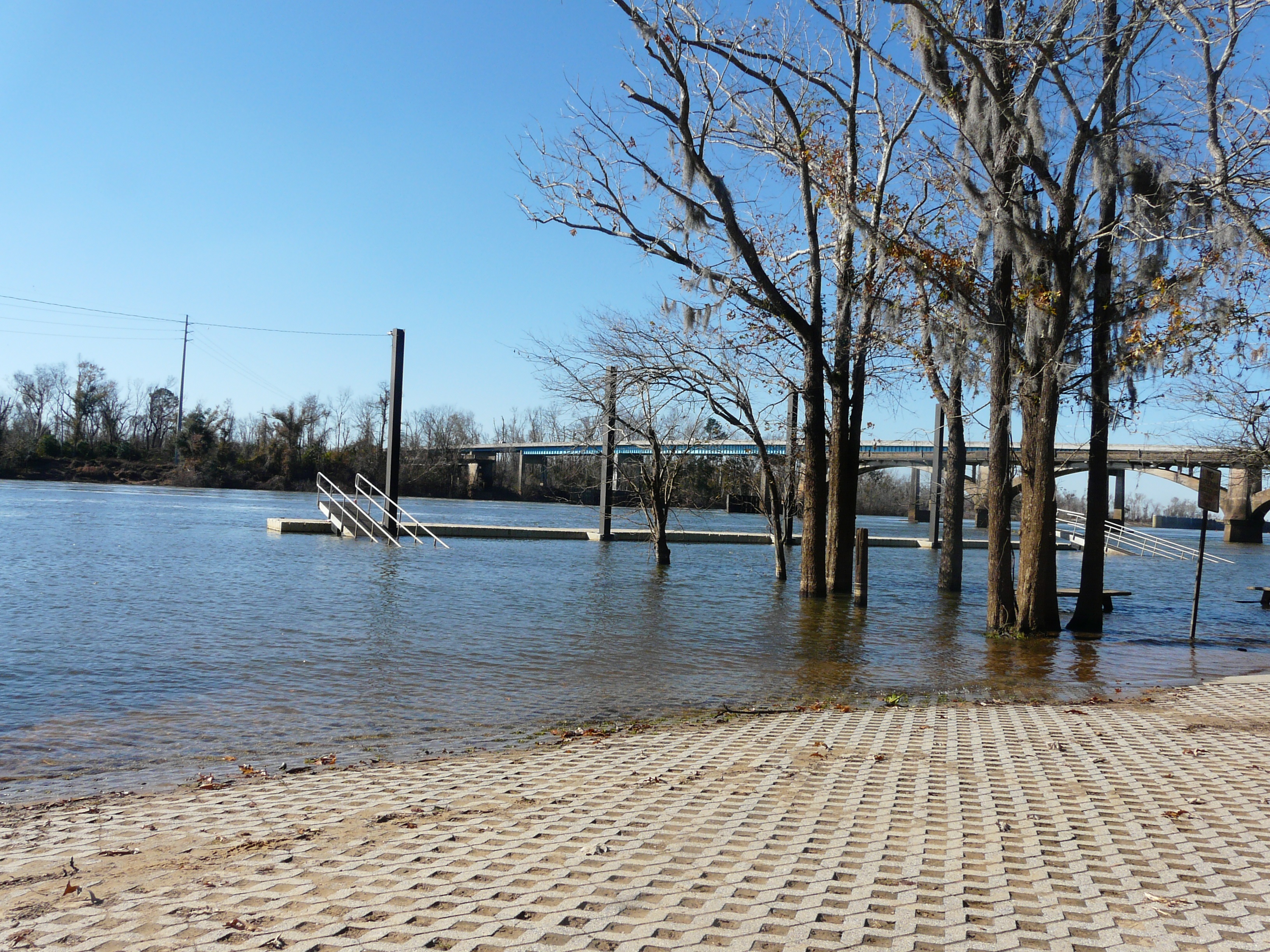
The Apalachicola River is deep for Florida—up to 45 feet in places, with an average around 11 feet. The main channel has steep drop-offs, submerged logs, and plenty of sandbars. Fish use these features to escape current and find food. Largemouth and catfish hold tight to wood and deep holes, especially in summer. Stripers and sunshine bass school near points and channel edges. When water is high or salty, fish move into creeks and backwaters for refuge.
Season-by-Season Breakdown
- Winter (Dec–Feb): Largemouth bass move shallow to stage for the spawn—January and February are top months for big fish. Striped bass and sunshine bass can be caught in the lower river, but action slows as water temps drop. Bluegill and panfish are less active. Catfish bite slows but can still be caught deep.
- Spring (Mar–May): This is the best window for most species. Largemouth bass spawn and feed aggressively. Striped and sunshine bass school up and chase bait. Bluegill and panfish start bedding. Catfish action picks up in deep holes.
- Summer (Jun–Aug): Bass drop into deeper water and hold near structure. Striped and sunshine bass are still catchable early and late, but bigger fish seek cooler water. Catfish bite is strong at night. Rainy season pushes the mixing zone downstream—fish move with the salinity line.
- Fall (Sep–Nov): Bass and panfish feed up before winter. Striped and sunshine bass may school again with cooler temps. Catfish remain active until the first real cold snap.
Regulations
- Largemouth, Shoal, and Spotted Bass: Bag limit is 5 black bass (all species combined), only one may be 16 inches or longer. No minimum length for largemouth, but Suwannee, shoal, spotted, and Choctaw bass must be at least 12 inches. Possession limit is two days’ bag. Freshwater fishing license required unless exempt.
- Striped Bass, White Bass, Sunshine Bass: Bag limit is 20 total (all three species combined), only 6 may be 24 inches or longer. Open year-round. Freshwater fishing license required unless exempt.
- Bluegill, Redear, Warmouth, Flier, Redbreast, Spotted Sunfish: Bag limit is 50 panfish (aggregate), no length limit. Open year-round. Freshwater fishing license required unless exempt.
- Daily bag limit 8 per person. Vessel limit 50 per trip during March and April. Open year-round. Saltwater fishing license required unless exempt.
- Blue Catfish, Channel Catfish: No statewide bag or length limit. Freshwater fishing license required unless exempt.
- Black Crappie: Bag limit 25. No statewide length limit. Open year-round. Freshwater fishing license required unless exempt.
Florida requires separate freshwater and saltwater fishing licenses. Non-residents can buy short-term options, but should purchase before leaving home. Always check the current FWC rules before keeping any fish.
Shore and Boat Access
Most fishing here is by boat. The river is wide, deep, and lined with private land, swamp, or thick forest. There are more than 20 public ramps, with the biggest being Battery Park Boat Ramp (6 lanes, paid, always open, dock, 36 trailer spaces, unpaved firm parking). Gardeners Landing and White Oak Landing are good choices for the upper and middle river. Several primitive and sand ramps exist, but most have limited parking and are best for small boats or kayaks. Shore fishing is possible at some ramps and parks, but access is limited and often crowded. There are no dedicated fishing piers on the main river.
Trip Logistics
The nearest town with services is Wewahitchka, 11.3 miles away. Tallahassee and Panama City airports are both within a 45-mile drive. Stock up on bait and tackle in Wewahitchka or Apalachicola before you launch. Lodging options include motels and campgrounds in both towns, but book early for spring and early summer trips. If you want live shad or bluegill for bait, catch them yourself or call ahead to local bait shops to check availability.
Ecology
The Apalachicola River’s water level and salinity change with rainfall and dam releases upstream. In wet years, the mixing zone between fresh and salt water moves downstream, letting bass and panfish stay in the main river. In dry years, saltwater pushes up and you’ll find more brackish species in the river, while bass and panfish move into creeks and backwaters. The river is deep and can carry a strong current, especially after heavy rain.
What’s Hard About This Water
The Apalachicola River is big, deep, and can be tough to fish without a boat. Wind and current can make running and anchoring difficult, especially for small boats. Water levels change fast with rainfall and dam releases, so check conditions before you go. Shore access is thin—if you don’t have a boat, you’ll be limited to a few ramps and parks. The fishery is wild—no regular stocking for most species—so success depends on timing and water conditions. Crowds can be heavy at main ramps during spring and early summer.
Safety
The river has deep water, strong current, and submerged hazards—logs, rocks, and shifting sandbars. Always wear a life jacket and watch for floating debris, especially after storms. Summer brings afternoon thunderstorms and lightning—get off the water early. Alligators are present, especially in backwaters and creeks—don’t wade or let pets near the edge.
Pros and Cons
- Pros: Big variety of species, deep water, year-round access, many ramps
Final Verdict
The Apalachicola River is a top choice if you want a shot at both freshwater and brackish species, with real trophy potential for bass, stripers, and big catfish. The best window is March through June, when most species are active and water conditions are stable. You’ll need a boat to fish it right, and you’ll have to move with the fish as water levels and salinity shift. If you want easy shore fishing or a marina with rentals, look elsewhere. But if you’re ready to cover water and chase the bite, Apalachicola delivers.