Suwannee River Fishing Guide: Largemouth Bass, Sunfish, Catfish & Best Spots
Target Species and How to Fish Them
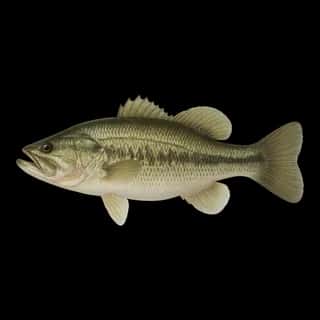
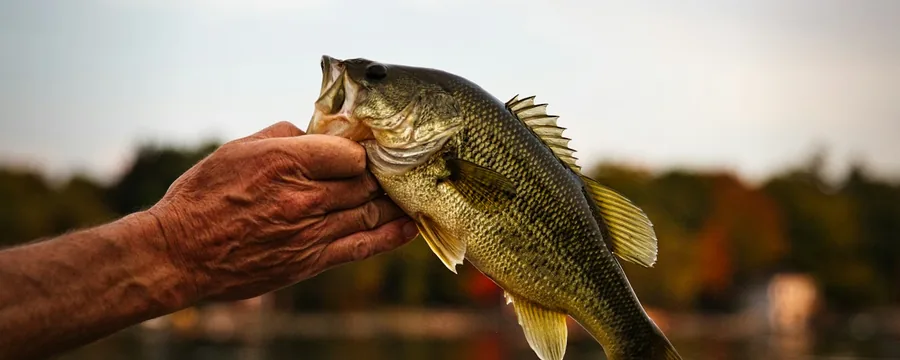
Largemouth Bass — Fish for largemouth bass around shallow cover like weeds, fallen trees, and rocks, especially near the river’s edges and backwaters. The best bite is January, February, July, and August, with good action in March, June, and September. Bass here respond to changes in water temperature and light, so focus on early morning and late afternoon, especially when the water is warming up. Plastic worms (Texas rig), crankbaits, and spinnerbaits all work. Dawn and dusk are prime feeding times.
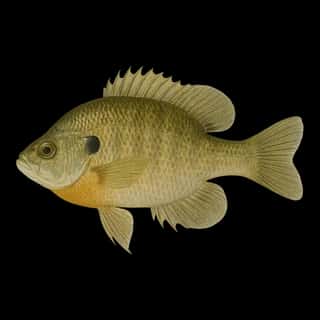
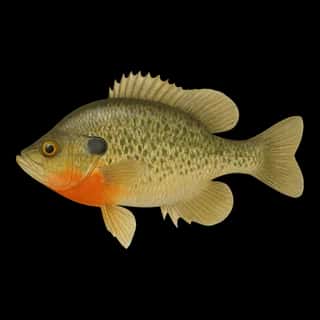
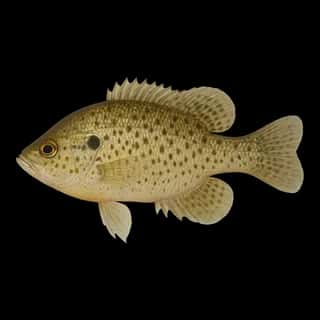
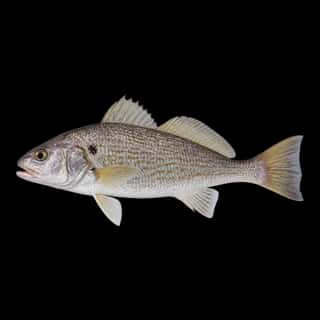
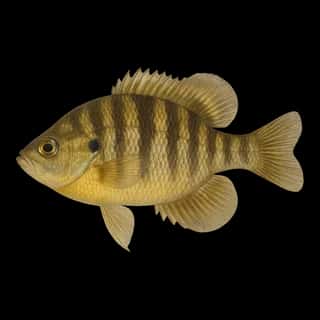
Redbreast Sunfish — Look for redbreast sunfish near submerged wood, overhanging vegetation, and sandy stretches. They peak March through June, with good fishing in February and July–September. Warm water and abundant insects drive the bite, so target sunny days and afternoons. Use worms, crickets, or small jigs under light tackle. Early morning and late afternoon are best.
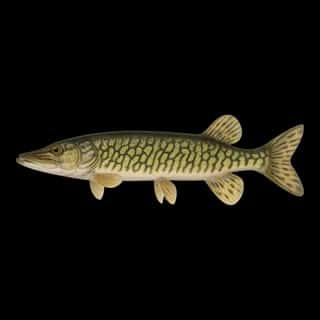
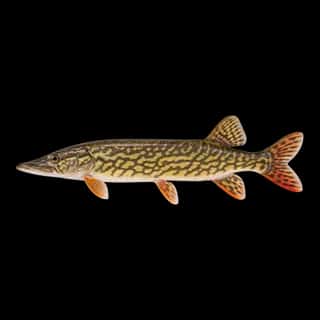
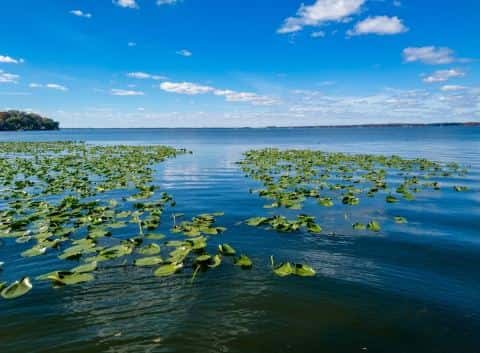
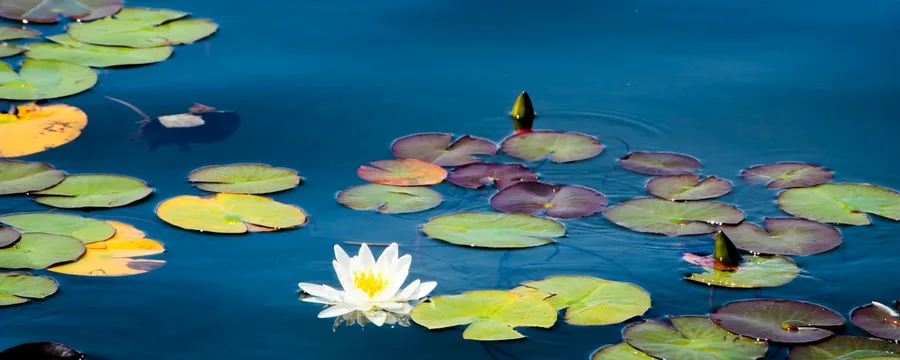
Chain Pickerel — Target pickerel along weedlines, submerged logs, and the edges of lily pads. They bite well from March through October, especially as water warms in spring and stays steady through summer. Spinnerbaits, crankbaits, and live minnows are top picks. Fish at dawn and dusk for the most action.
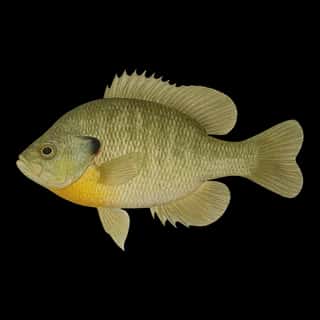
Bluegill — Bluegill stack up near fallen trees, weed beds, and docks. The best months are March through August, with good fishing in February and September. They feed hardest at dawn and dusk. Use worms or small jigs under a bobber.
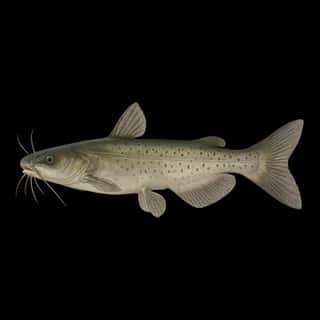
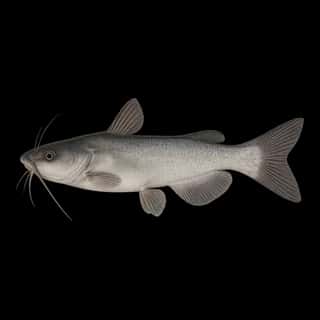
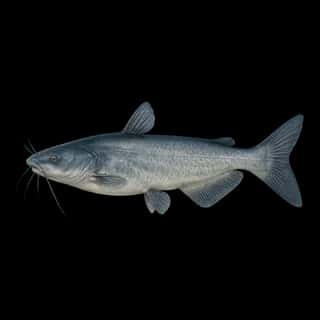
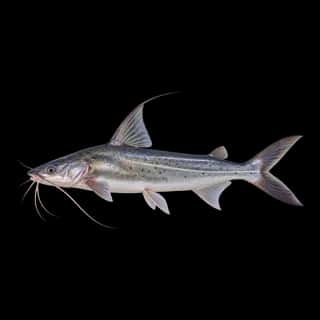
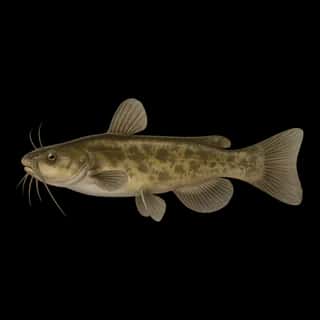
Channel Catfish — Channel cats hold near deeper holes, outside bends, and around submerged timber. The peak bite is May through August, with good fishing in March, April, and September. They feed most at dusk and into the night, especially when the water is warm. Use chicken liver, stink bait, or cut bait on the bottom.
Other Sunfish — Spotted, redear, flier, and warmouth sunfish all use similar shallow cover: look for them near logs, rocks, and vegetation. Their best months run late spring through summer, with most action in May and June. Small live bait or jigs work best.
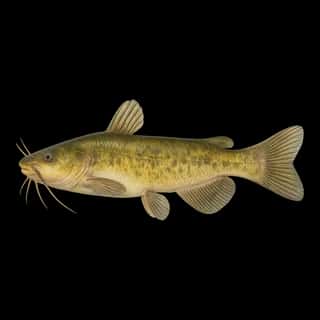
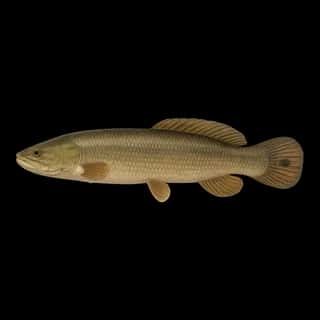
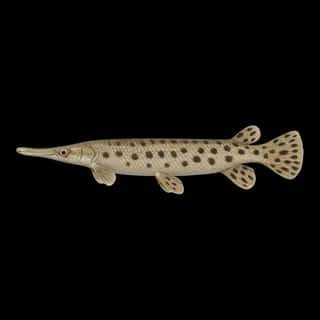
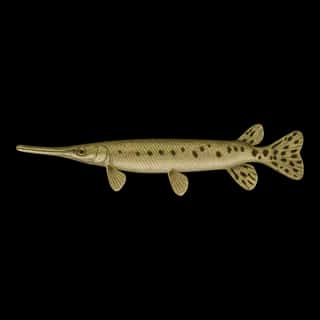
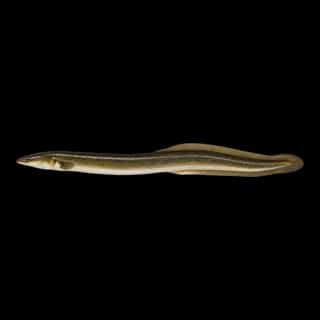
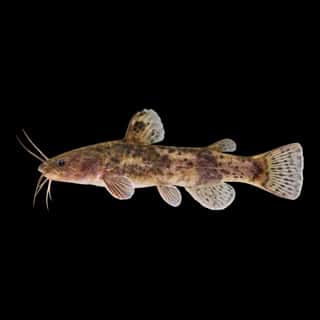
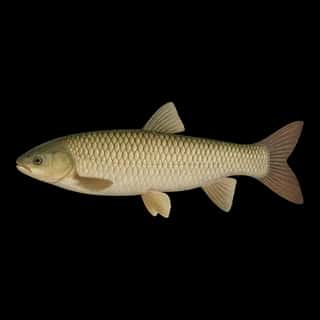
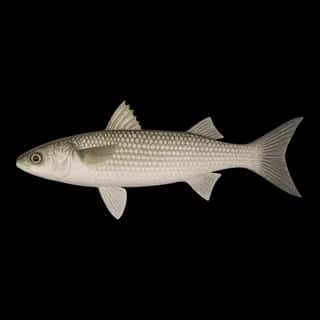
Bycatch — While fishing for the above, you’ll also pick up bowfin, gar, bullheads, and the occasional white catfish. Mullet and golden shiner are present as bait species.
Season-by-Season Breakdown
Winter (December–February): Largemouth bass start staging for the spawn in January and February, making these months a top window for big fish. Sunfish slow down but can be caught on sunny afternoons. Catfish are less active but still possible in deeper holes.
Spring (March–May): This is the best overall fishing window. Bass spawn in shallow cover, sunfish move to the banks, and pickerel and bluegill feed hard. March through June is the time to book for numbers and size across all headline species.
Summer (June–August): Early and late in the day are best as fish avoid midday heat. Catfish bite well at night, sunfish are active near cover, and bass feed early and late. Pickerel are still aggressive along weedlines. Afternoon storms are common, so plan accordingly.
Fall (September–November): Fish feed up before winter. September offers good bass and catfish action. Sunfish taper off by late fall. As water cools, focus on deeper holes and slower presentations.
Where to Fish: Structure and Depth
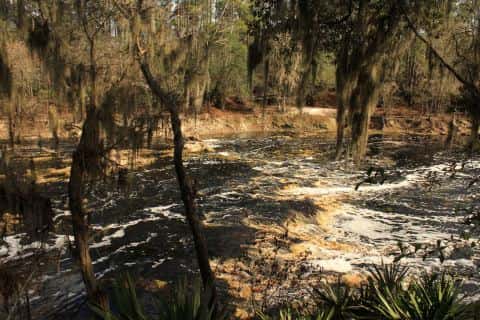
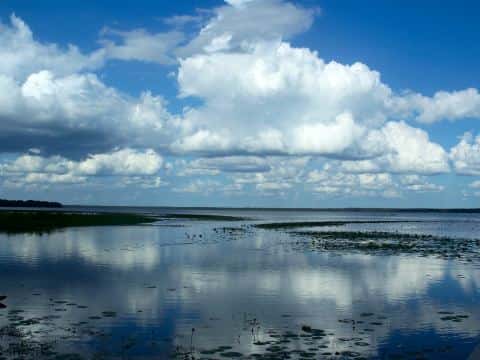
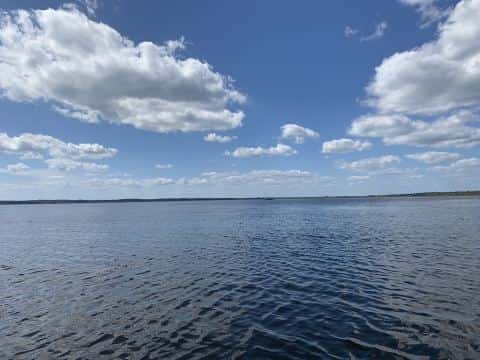
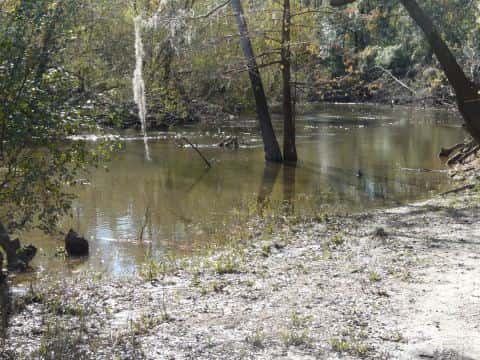
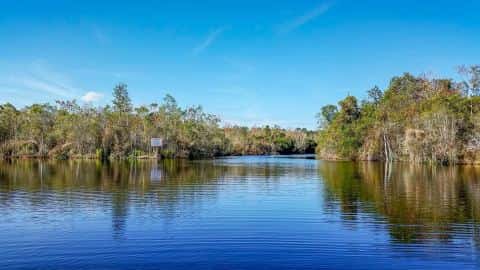
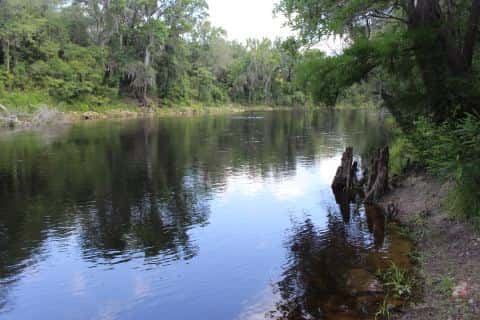
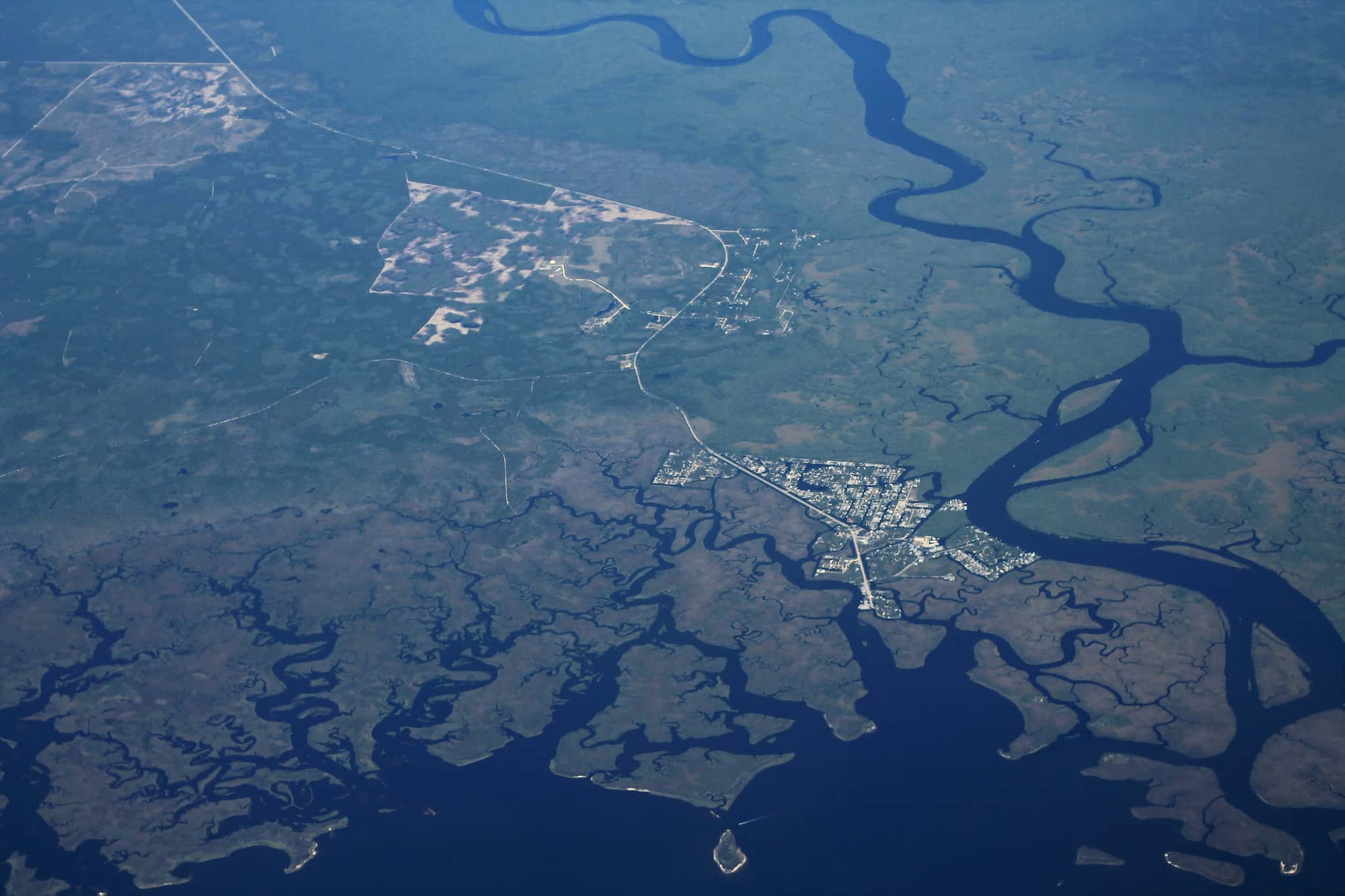
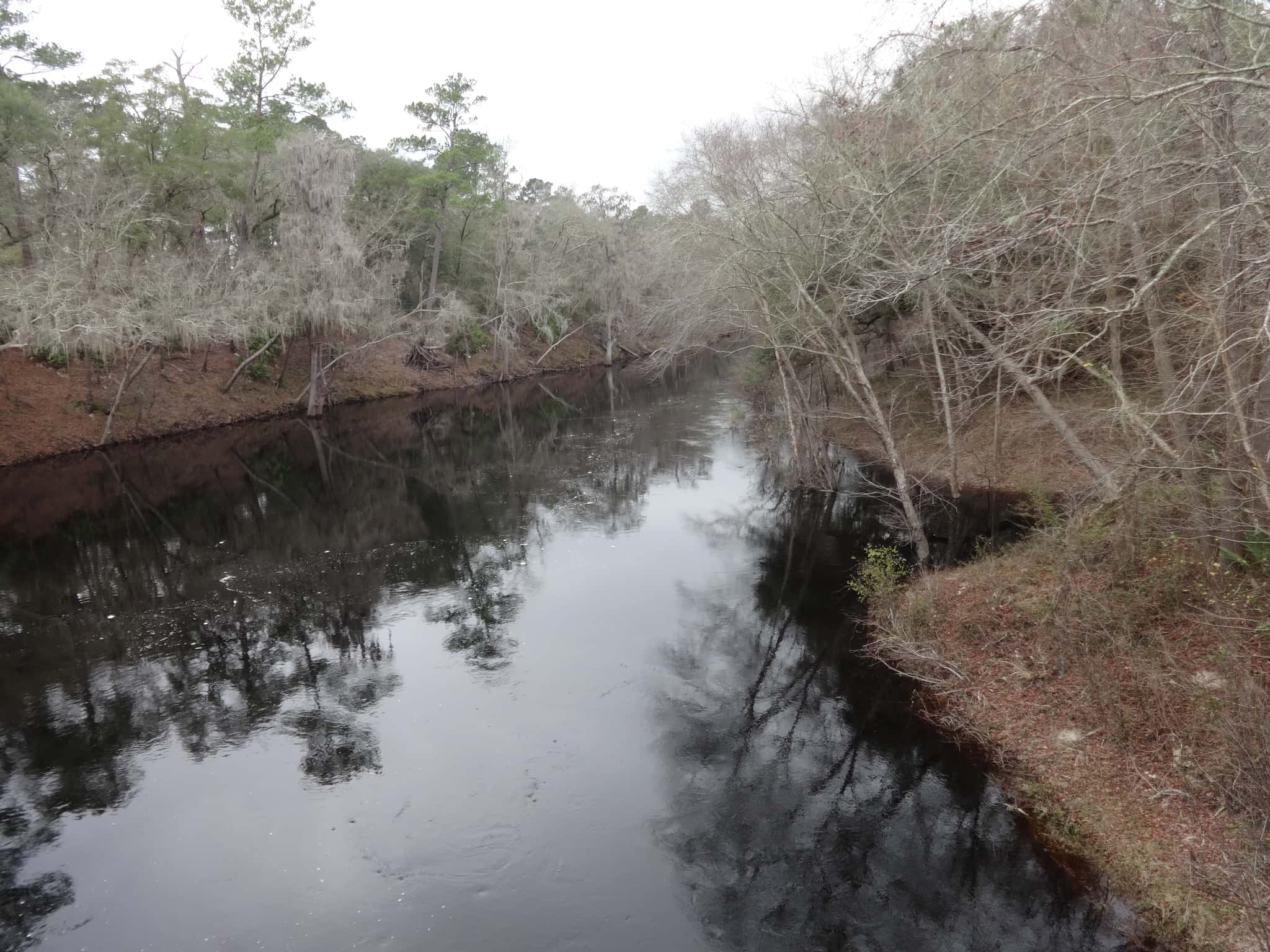
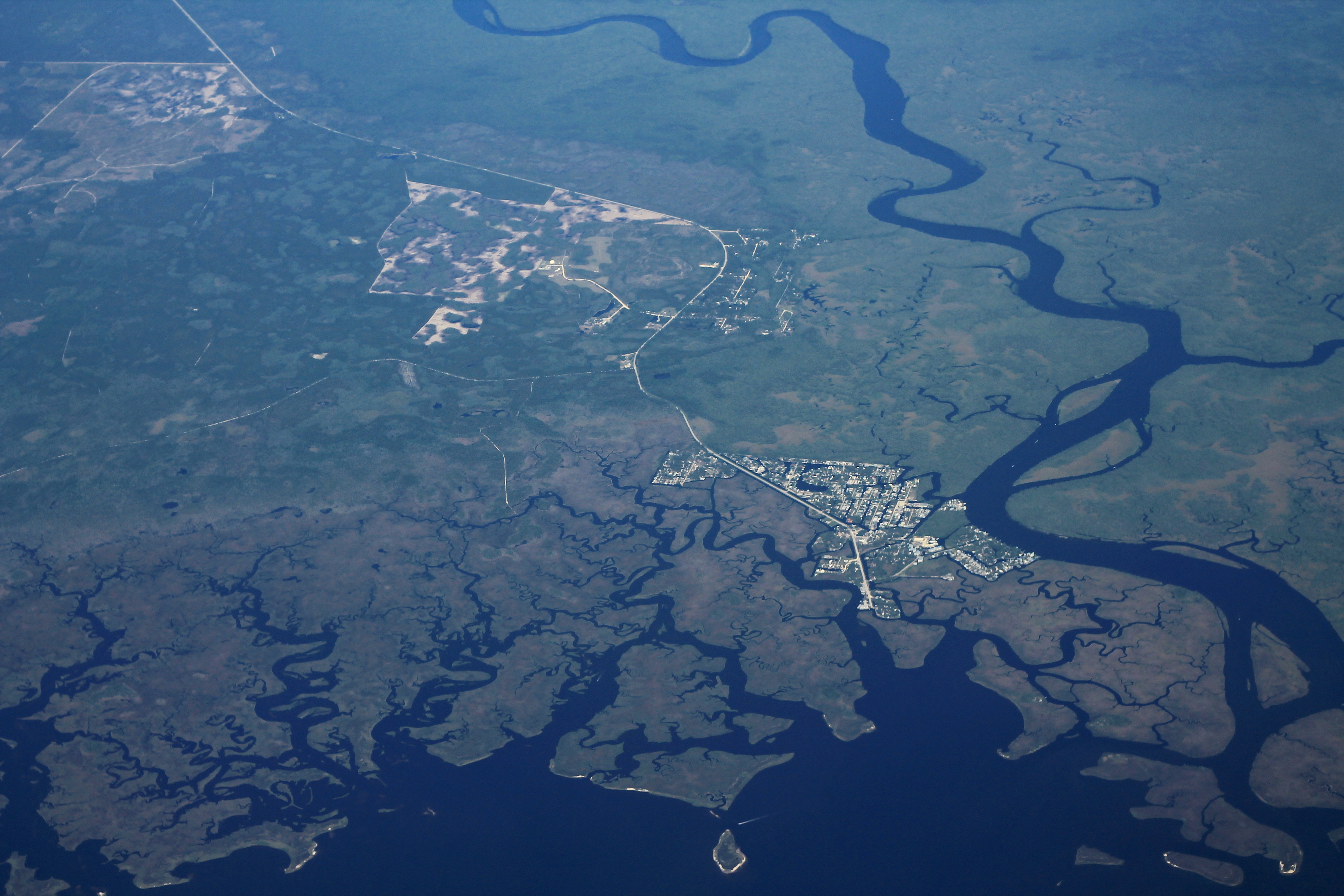
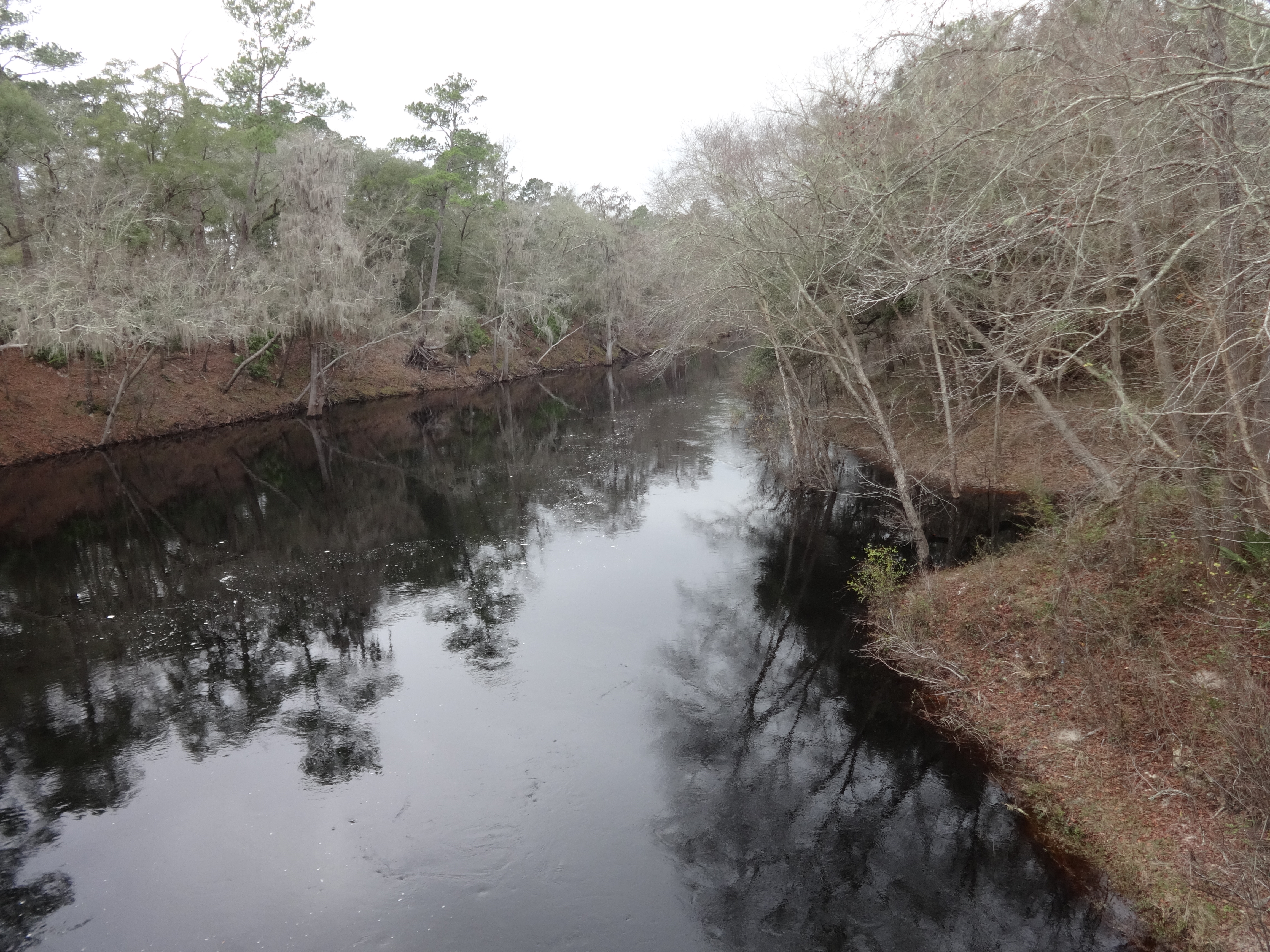
The Suwannee is a classic North Florida river with slow current, sandy and muddy bottom, and plenty of submerged wood, overhanging trees, and occasional rocky stretches. Fish relate strongly to cover — fallen trees, undercut banks, weedlines, and the mouths of feeder creeks. Deeper outside bends and holes hold catfish and bass during heat or cold snaps. In spring and early summer, sunfish and bass move shallow to spawn on sand or gravel. When the river is high, backwaters and flooded timber become prime.
Getting on the Water: Ramps and Access
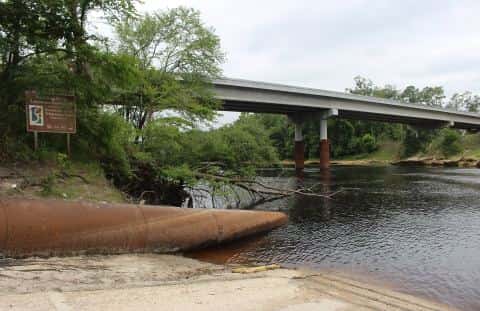
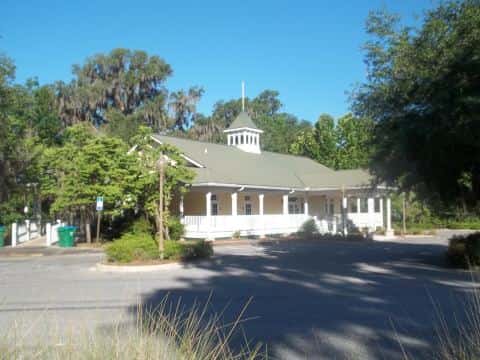
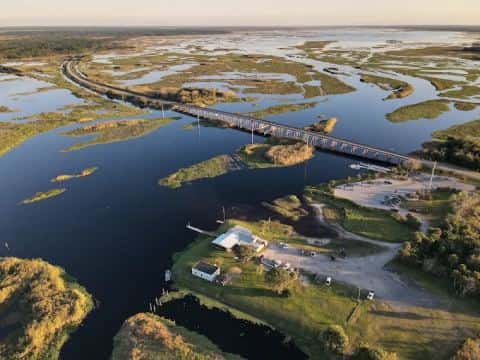
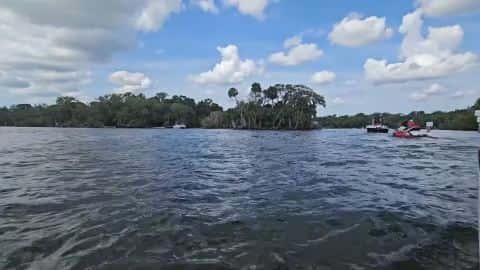
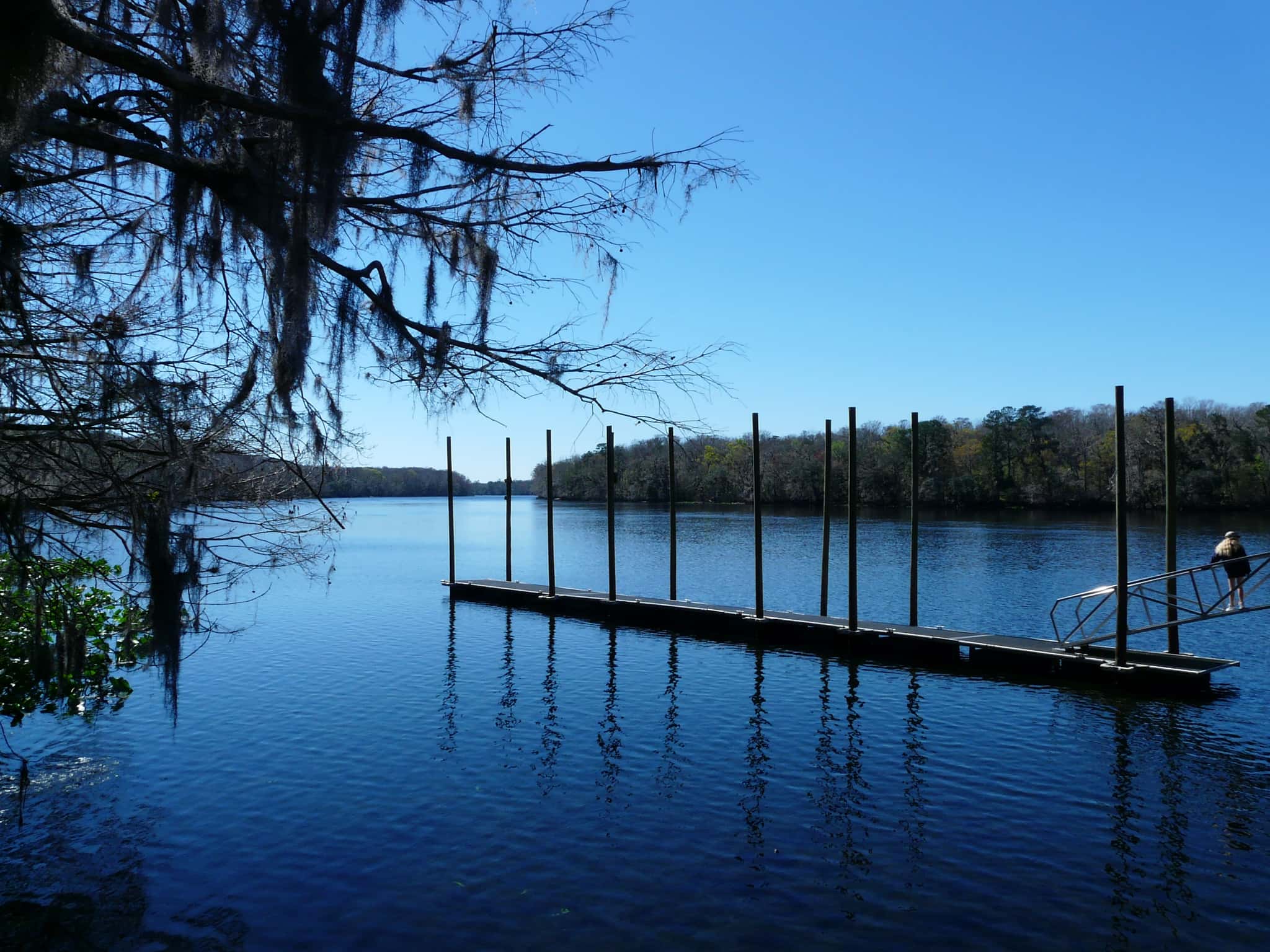
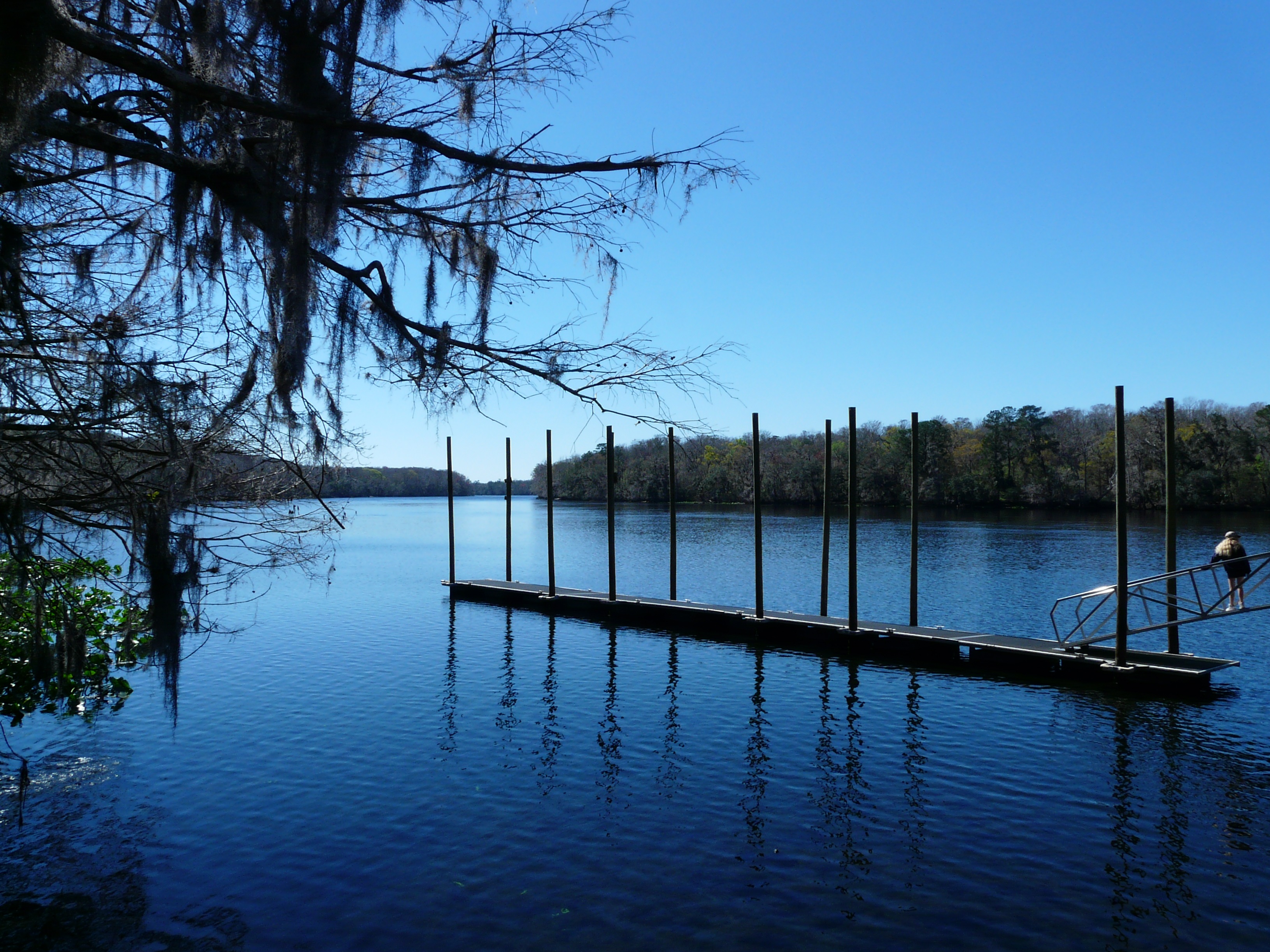
The Suwannee River has over 20 public ramps and access points, ranging from concrete launches with docks to sand and natural bank put-ins. For trailered boats, Ivey Memorial Park and Boat Ramp in Branford (2 lanes, paved parking, always open) is the largest and best choice for most anglers. Fowler’s Bluff Public Boat Ramp (1 lane, 20 trailer spaces, always open) is another high-capacity option downstream. Smaller ramps like Dowling Park and Hutch Gibson Park offer good access for smaller boats and less crowded launches. Most ramps are free and open year-round, but some have limited trailer parking. Portable or flush restrooms are available at a few sites (Charles Springs, Deese-Howard, Gornto Springs, Hutch Gibson, Ivey Memorial). For canoes and kayaks, sandy and natural bank launches like Blue Sink Tract and Christian Tract are easy options. Hinton Landing offers a public fishing pier for shore anglers.
What is Hard About This Water
The Suwannee is a wild, shifting river. Water levels change fast after rain, and shallow stretches can leave bigger boats stuck or force you to drag over sandbars. There’s no stocking program here — the fishery is all wild, so tough years show up in the catch. Most ramps are small with limited trailer parking, and weekends fill up early. After heavy rain, the river muddies up and the bite can slow for days. Alligators are common along the banks and in backwaters, so use caution if you wade or fish from shore.
Safety
Alligators are present along the Suwannee, especially near the banks and in backwaters — stay alert when wading or fishing from shore. Summer brings afternoon thunderstorms and lightning; get off the water quickly when storms build. The river can rise or drop fast after rain, changing currents and exposing hazards like submerged logs or sandbars. Always check river conditions before launching, and watch for snakes in thick vegetation near the water’s edge.
Regulations
- Largemouth Bass: No minimum length. Bag limit: 5 black bass (aggregate), only one may be 16 inches or longer. The 5-fish limit is shared across all black bass species. No more than two days’ bag limit in possession.
- Redbreast, Flier, Spotted Sunfish, Bluegill, Redear, Warmouth: No length limit. Bag limit: 50 panfish (aggregate) per day. Open year-round.
- Channel Catfish: No statewide bag or length limit, but check for local Fish Management Area rules. Possession limit: no more than two days’ bag limit of freshwater game fish.
- Mullet: No minimum size. Daily bag limit: 50 per person. Vessel limit: 50 fish from September 1–January 31. Saltwater license required unless fishing in fresh water with a valid Florida resident freshwater license.
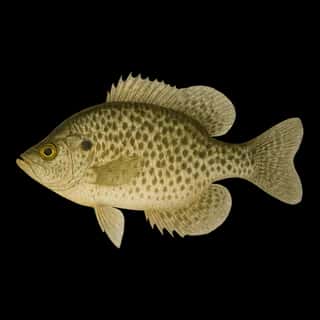
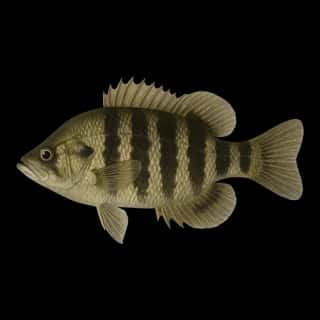
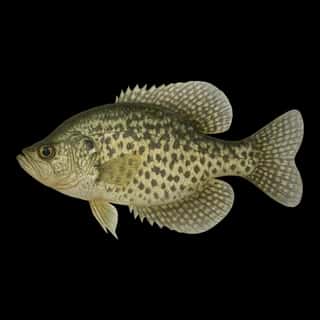
- Black Crappie: No statewide length limit. Bag limit: 25 per day. Open year-round. No more than two days’ bag limit in possession.
- All other species: FWC sets the limits. Always check the current rules before keeping fish.
- License: Florida requires a freshwater fishing license for non-residents. Saltwater species require a separate saltwater license. Buy your license before you leave home.
Regulations can change, so anglers should verify the current rules with the Florida Fish and Wildlife Conservation Commission before fishing.
Pros and Cons
- Pros: Free public ramps, wild fishery, big sunfish, lots of cover, year-round access
- Cons: Shallow in dry spells, limited big-boat parking, muddy after rain, alligators, few marinas
Final Verdict
The Suwannee River is a classic Florida river fishery, best for anglers after wild largemouth bass, big sunfish, and channel catfish. March through June is the top window for numbers and size. With over 20 ramps, you can get on the water almost anywhere, but most ramps are small and fill up on weekends. The river’s wild character means you’ll work for your fish — there’s no stocking, and water levels and clarity change fast after storms. If you want a quieter trip with lots of cover and a shot at a trophy bass or a cooler full of panfish, the Suwannee delivers. If you need a marina, boat rental, or big-tournament facilities, you’ll do better at a major lake.