How to recognise it
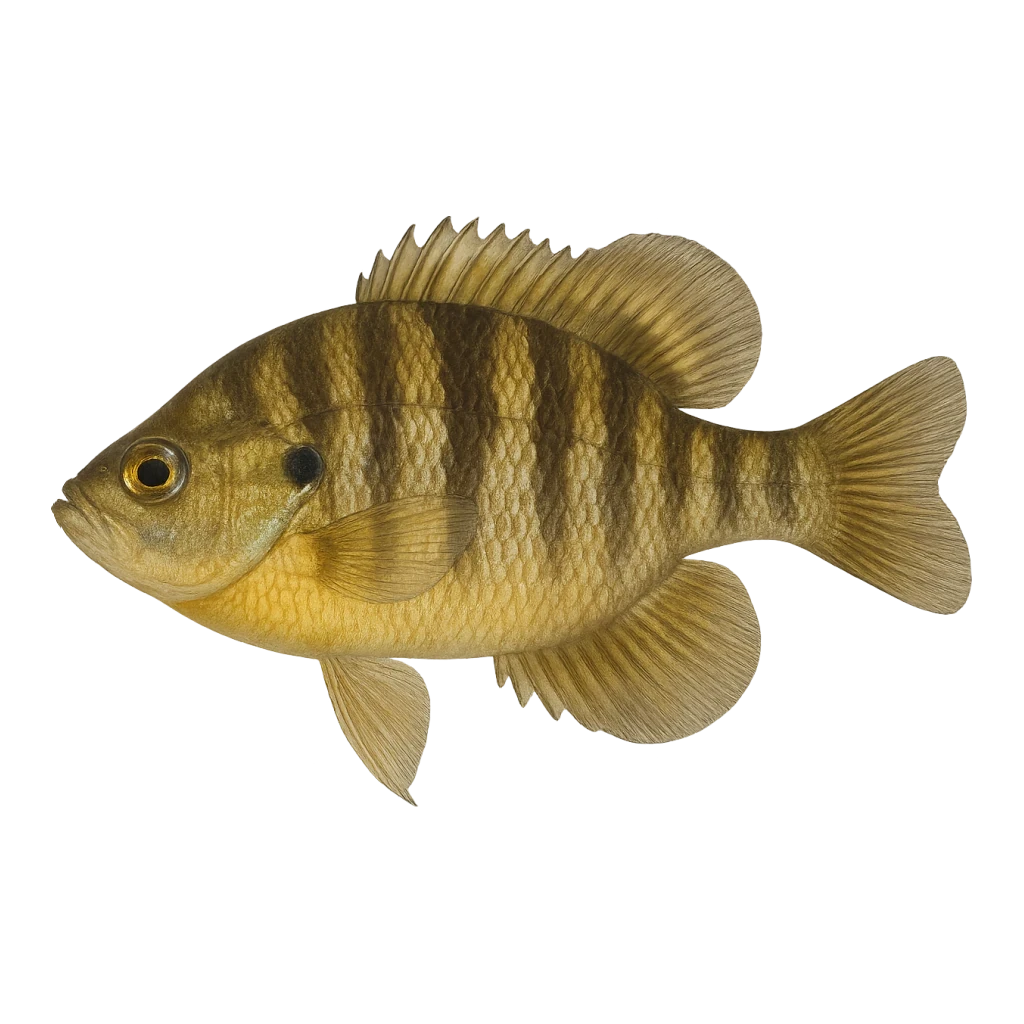
The Banded Sunfish (Enneacanthus chaetodon) is a small, colorful freshwater fish. It typically reaches lengths of 3 to 4 inches. The body is laterally compressed with a distinctive pattern of vertical bars. These bars are dark blue or black against a lighter background, which can range from yellow to greenish. The dorsal fin is long and pointed, with a slight notch. The anal fin is also elongated and has a rounded tip. The mouth is small and positioned at the front of the head.
This species is often confused with the Pumpkinseed Sunfish (Lepomis gibbosus). The key detail that separates them is the presence of a dark spot at the base of the dorsal fin in the Pumpkinseed, which is absent in the Banded Sunfish.
Where it lives
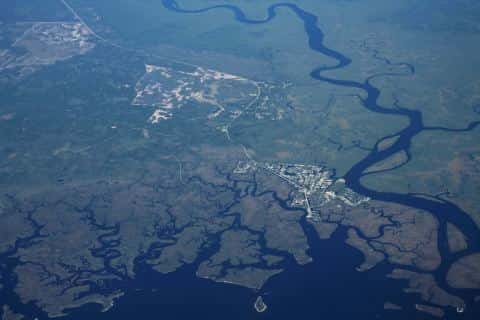
The Banded Sunfish is found primarily in the southeastern United States. Its range includes states such as Florida, Georgia, Alabama, and parts of South Carolina. This species prefers slow-moving waters, including streams, ponds, and lakes. It is often found in shallow areas with abundant vegetation.
Depths typically range from 1 to 6 feet. During warmer months, Banded Sunfish can be found closer to the surface among aquatic plants. In colder months, they may move to slightly deeper waters but still remain near cover such as submerged logs or dense vegetation.
When it bites
Banded Sunfish are most active from late spring through early fall. They bite best when water temperatures are between 70 and 80 degrees F. Early morning and late afternoon are prime times for fishing, as they are more likely to be near the surface.
Weather conditions can affect their activity. A passing front may trigger feeding, while strong winds can make them more cautious. A full moon often increases their feeding activity, making night fishing more productive.
How to catch it
When targeting Banded Sunfish, use light tackle. A 4 to 6-pound test line is recommended, with hooks sized 8 to 12. Popular rigs include a simple bobber rig or a small jig head with a soft plastic lure.
Effective baits include live worms, crickets, and small minnows. For lures, try small spinners or soft plastics in bright colors like chartreuse or orange. Cast near vegetation or submerged structures, and retrieve slowly to mimic natural prey. A steady, gentle retrieve works best.
Size, age and the table
The typical size encountered by anglers is around 3 to 4 inches, with some individuals reaching up to 5 inches. A trophy Banded Sunfish would be considered anything over 5 inches. Growth rates vary, but they generally reach maturity within 1 to 2 years.
The lifespan of the Banded Sunfish is typically around 3 to 5 years. They are known for their good eating quality, with a mild flavor. When handling, wet your hands to avoid damaging their slime coat. For catch and release, minimize air exposure and return them to the water quickly to ensure their survival.