How to recognise it
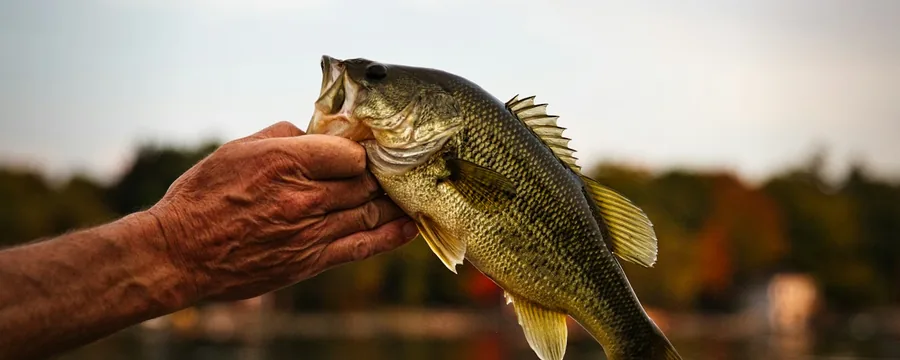
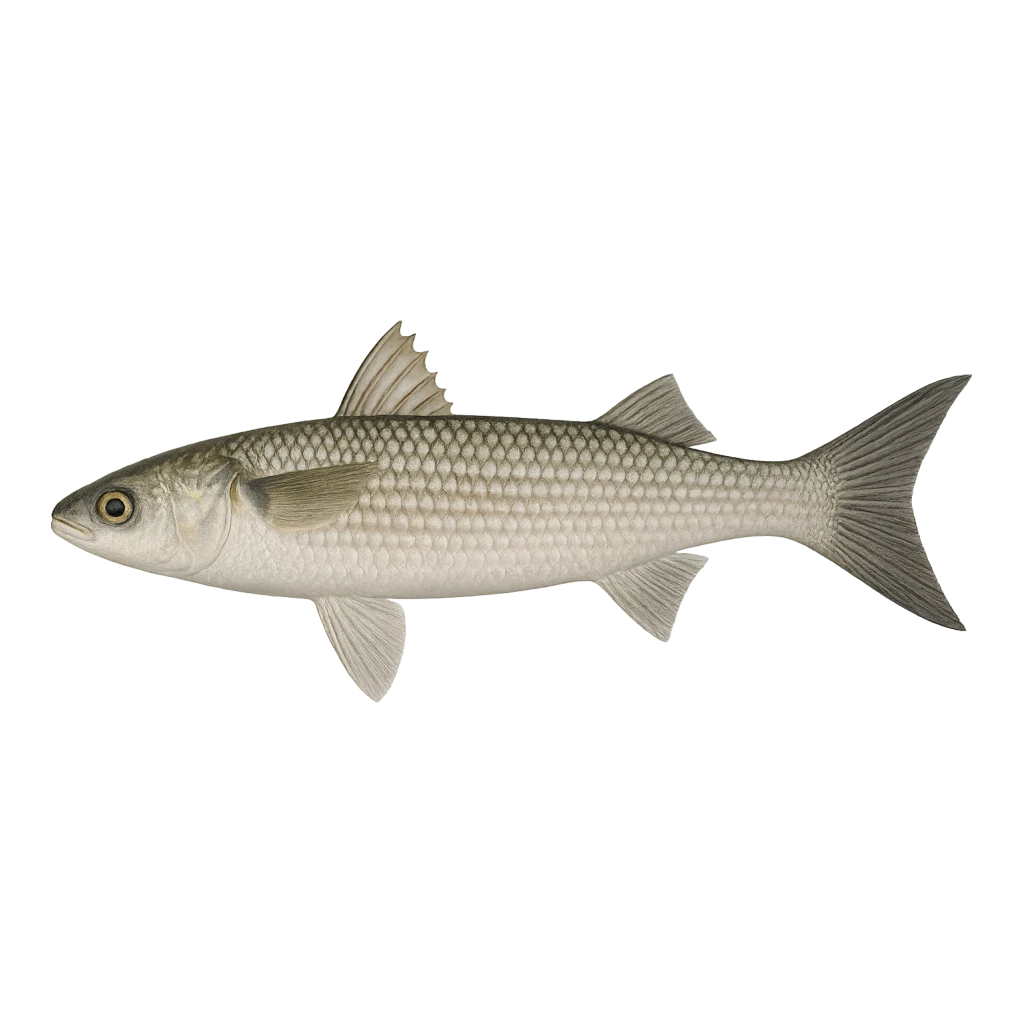
The Mullet, scientifically known as Mugil cephalus, is a streamlined fish with a distinctive shape. It has a bluish-green back, silver sides, and a white belly. The body is covered with small, overlapping scales. The dorsal fin is divided into two parts: the first is spiny and the second is soft. The mouth is small and positioned at the front of the head, ideal for grazing on algae and detritus.
This species is often confused with the Striped Mullet (Mugil cephalus), but the key detail that separates them is the absence of vertical stripes on the body of the Mullet. Striped Mullets have distinct dark stripes running along their sides.
Where it lives
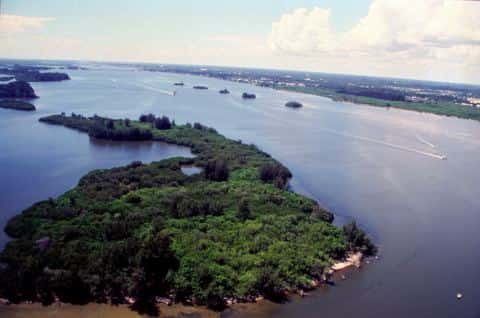
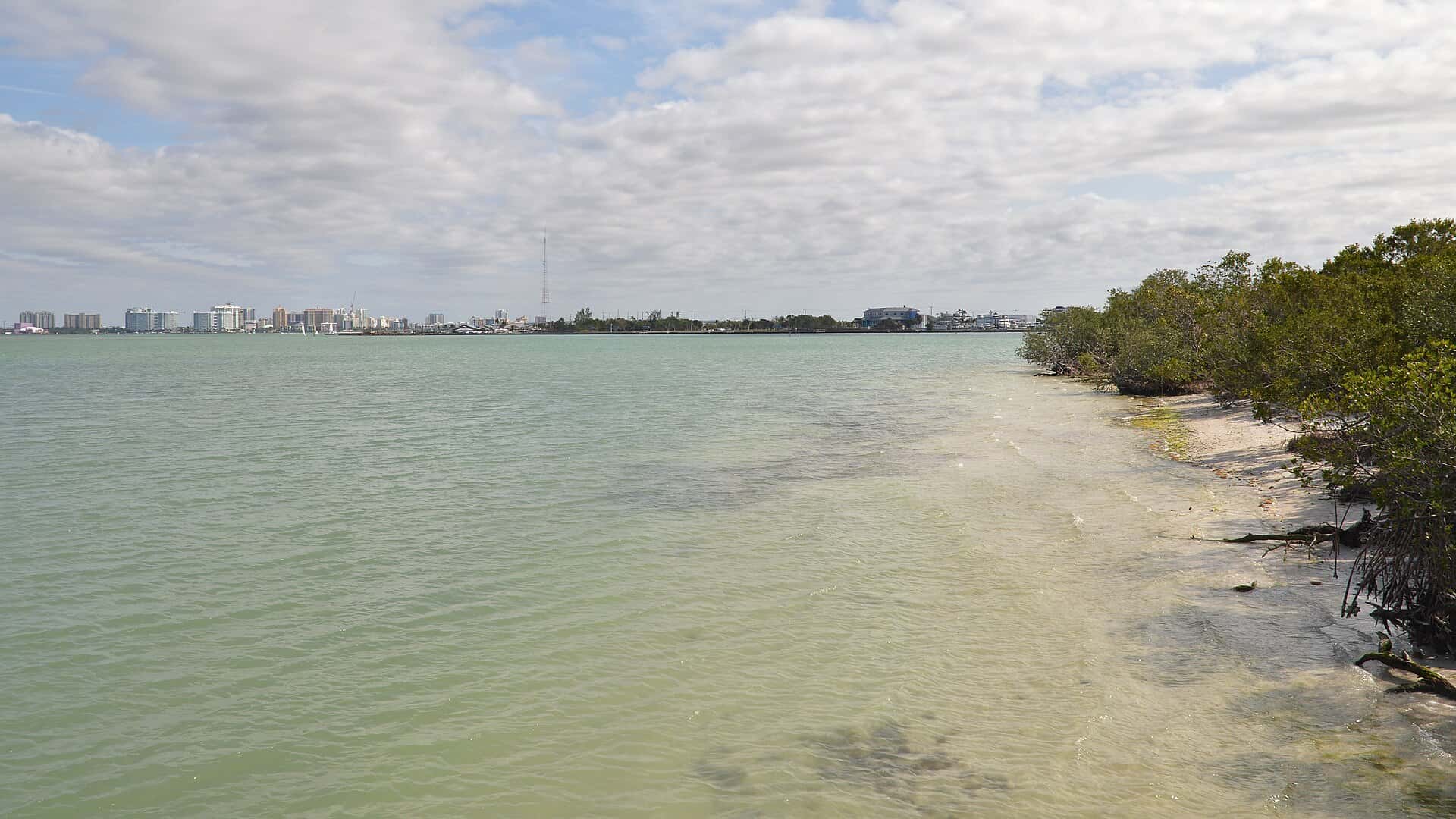
The Mullet is found along the Atlantic and Pacific coasts of the United States. In the Atlantic, its range extends from New England to Florida. In the Pacific, it can be found from California to Mexico. Mullet prefer brackish waters, often inhabiting estuaries, bays, and coastal lagoons.
They typically occupy depths of 1 to 20 feet, often near sandy or muddy bottoms. During warmer months, they move into shallower waters, while in colder months, they may retreat to deeper areas. Mullet are also known to gather around structures like piers and jetties, especially during spawning season.
When it bites
Mullet are generally more active from late spring through early fall. They tend to bite best when water temperatures range from 70 to 85 degrees F. Early morning and late afternoon are prime times for fishing, as Mullet are more likely to feed during these periods.
Weather conditions can influence their feeding behavior. A passing front may trigger increased activity, while strong winds can scatter them. A full moon often leads to heightened feeding, as Mullet become more active under the bright light.
How to catch it
To catch Mullet, anglers often use a variety of rigs. A simple float rig with a small hook (size 6 to 10) is effective. Use light line, typically 6 to 10-pound test. Baits such as bread balls, corn, or dough balls work well. Mullet are also attracted to small lures, particularly those that mimic their natural food sources.
Cast near structures, shallow flats, or areas with visible schools of Mullet. Retrieve slowly, allowing the bait to drift naturally. If using lures, a steady retrieve with occasional pauses can entice bites. Mullet can be skittish, so approach quietly and avoid making loud noises.
Size, age and the table
Anglers typically encounter Mullet ranging from 12 to 24 inches in length. A trophy Mullet is generally considered to be over 30 inches. Mullet grow relatively quickly, reaching maturity in about 2 to 3 years, with a lifespan of up to 16 years.
While Mullet are not renowned for their eating quality, they are edible and often consumed in various dishes. When handling Mullet, use wet hands to avoid damaging their slime coat. If releasing, do so gently to ensure their survival. Always check local regulations for guidelines on size and bag limits.