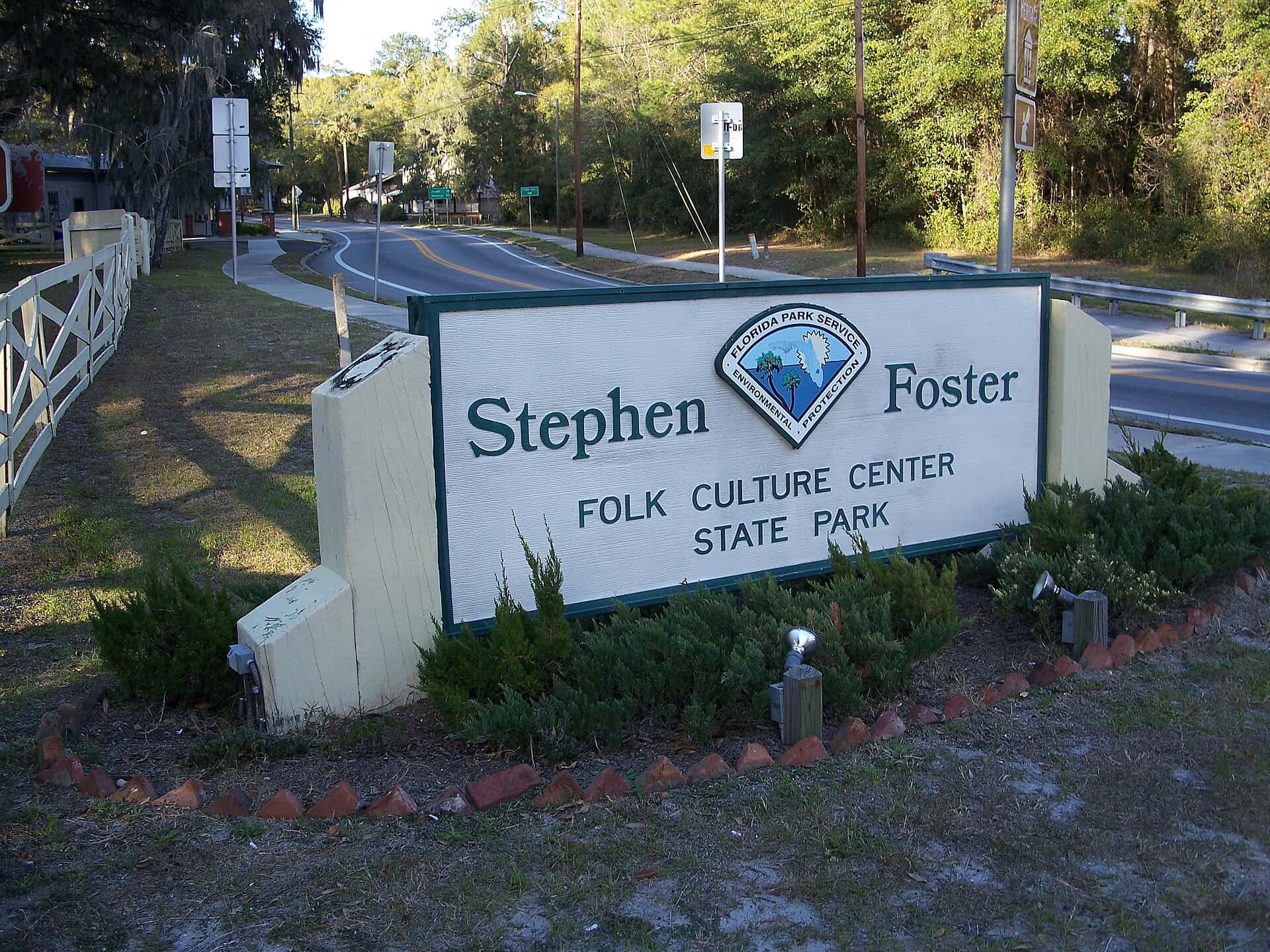
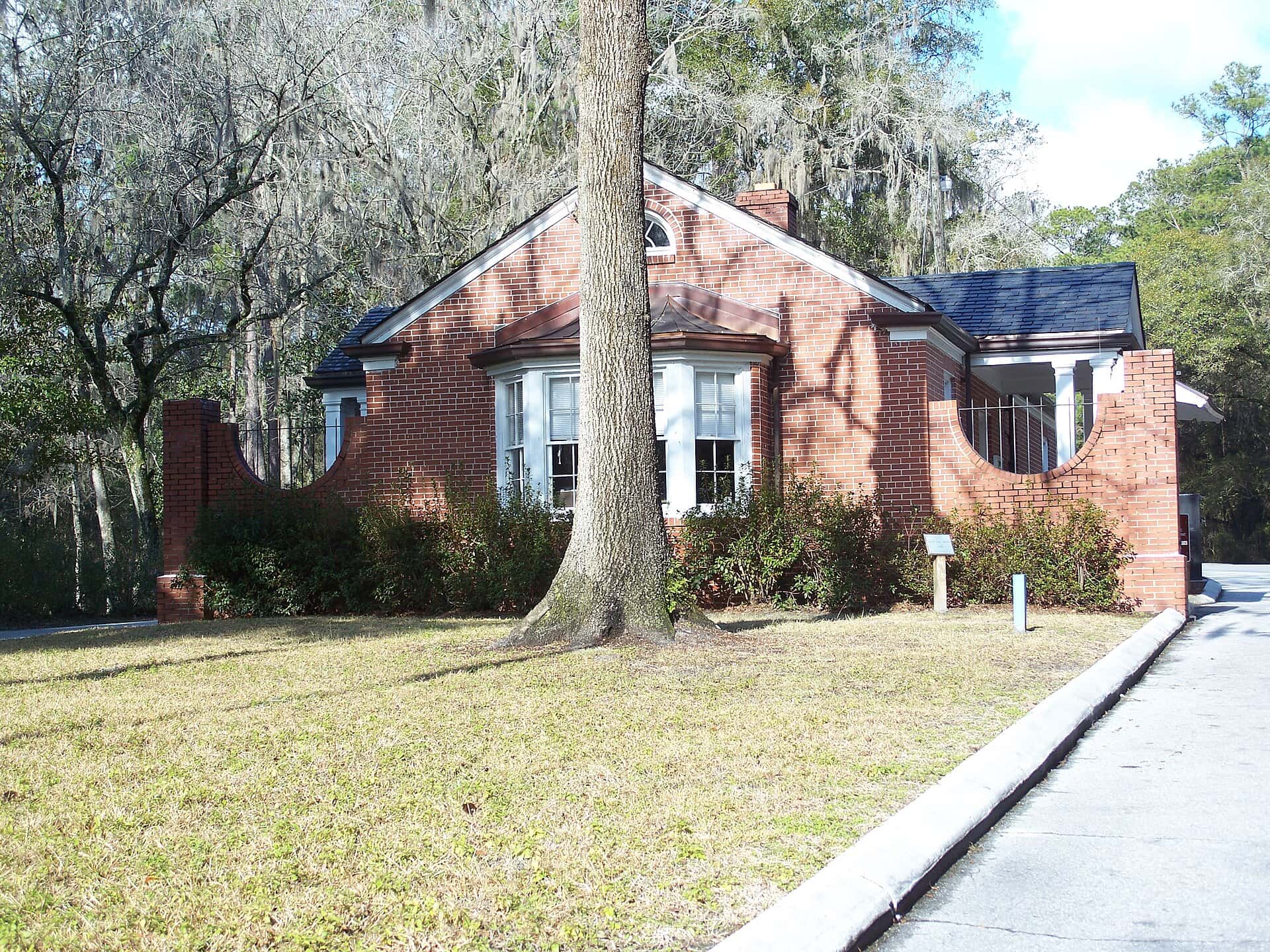
Open now. 15 sites, only 12 reservable, water and 30-amp power at every pitch, no sewer at the site. Both the river bank and the canoe/kayak launch sit about 0.5 miles away. Gate hours are 8 a.m. to sundown, but you're camping inside that gate, so it doesn't block a first-light launch. There's a fish cleaning station. $27/night plus tax and a one-time $6.70 reservation fee. Book at reserve.floridastateparks.org
Suwannee is one of three 15-site loops (with Gopher and Canebreak) that make up the park's 45-site campground on the Suwannee River in White Springs. Fewer of its sites are bookable than Gopher's, so it fills faster for the dates that are open.
The Seven Things to Know First
1. Gate hours vs. first light and dark. The park's day-use gate runs 8 a.m. to sundown. That sounds like it kills an early launch, but it doesn't — you're staying inside that gate overnight, and the canoe/kayak launch is inside the park too. You don't have to pass back through the entrance to reach the water. The gate hour matters most for check-in day: if you'll roll in after sundown, call the park at 386-397-4331 by 5 p.m. that day for the gate code.
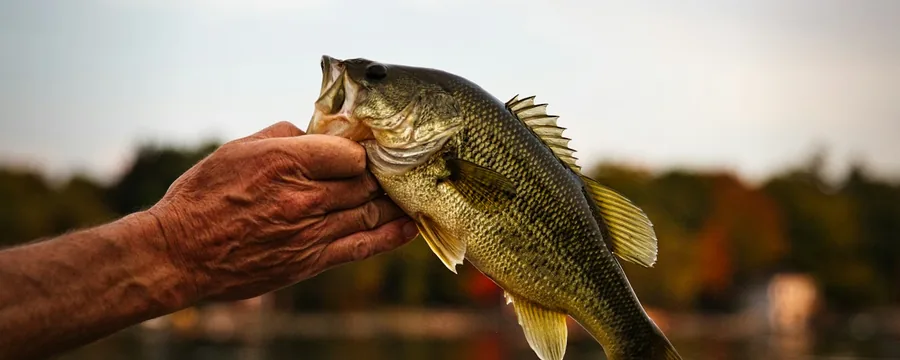
2. Fish cleaning station: yes. It's listed as an on-site amenity, along with bank fishing access.
3. Boat trailer at the site. There's no published per-site trailer rule for Suwannee loop. Florida State Parks defines your "camping rig" as any combination of vehicle, trailer, tent or hammock, and some sites won't take a large trailer plus a dining fly or slide-out. List your full rig — truck, camper, boat trailer — when you reserve, so they can match you to a site that fits.
4. Boat storage. There's no marina or overnight boat slip here. Your boat comes off the trailer at the launch or stays hitched at your site.
5. Ice, bait, boat fuel. Firewood and ice are sold at the park entrance/camp host. There's no dedicated bait-and-tackle shop in White Springs itself — the closest real selection is in Lake City, 13 miles south on US-41, about 20 minutes.
6. Distance to water. About 0.5 miles to the river bank and 0.5 miles to the canoe/kayak launch, both measured from the campground. Suwannee loop sits a touch farther from the water than Gopher loop, but the gap is short enough not to matter for a boat carry.
7. Best months. Camping is easiest October through April — cooler, drier, fewer bugs. Suwannee River bass and catfish fishing runs hardest May through September elsewhere on the river, so summer trades comfort for bite. Winter cold fronts push fish into deep holes and turn on speckled perch.
What Kind of Camping This Is
This is a developed, full-facility state park campground — not primitive. Suwannee is one of three paved loops (Gopher, Canebreak, Suwannee), each with 15 sites, ringed by oak canopy. It's built for RVs, campers, trailers and tents alike; the accepted equipment list runs from tents up through buses and fifth wheels.
Sites, Hookups and Facilities
Every Suwannee pitch has water, 30-amp power, a grill and a picnic table. None has sewer at the site — that's despite the park's official utility fee description bundling "water, electricity and sewer," which is standard boilerplate language across Florida state parks and doesn't mean your pitch has a sewer connection. You'll use the campground dump station instead.
Twelve of the 15 Suwannee sites can be reserved — the lowest reservable count of the park's three loops. The park doesn't publish a maximum RV length for this loop, so if you're running a big rig, call ahead and confirm your unit fits your assigned site before you commit fuel to the drive. A bathhouse with hot showers and its own coin-op laundry serves this end of the campground.
Site Selection
Camper reports single out the first half of Suwannee loop's outer sites as the ones with the most vegetation and privacy between neighbors. Sites at the front and back of the loop sit closer to the rest of the campground with less hedging. The park hasn't published which individual Suwannee sites are pull-through versus back-in, so ask for that when you reserve if it matters for your rig.
Location and Arrival
The address is 11016 Lillian Saunders Drive, White Springs, FL 32096, just off US-41. Check-in for the museum and craft village is farther into the park than the campground turnoff — you'll pass the campground road once before looping back to it after registering. Check-in time is 3 p.m., check-out is 1 p.m.
Water Access
The Suwannee River canoe/kayak launch sits inside the park, just past the gazebo, about 0.5 miles from Suwannee loop. The bank itself is roughly the same distance out. This is a hand-launch point built for canoes and kayaks, not a trailer ramp — if you're running a bigger rig with a trailer, plan on hand-launching a smaller boat here rather than backing a bass boat down a ramp. One recent camper report describes the launch as recently improved and in good shape.
One detail that can end a trip before it starts: the park closes the canoe/kayak launch to visitors and campers when the river runs above 62 feet at the gauge. Check the live reading before you leave home at the USGS gauge for Suwannee River at White Springs.
Reservations
Book through the Florida State Parks reservation system or by calling 800-326-3521. Florida residents can book up to 11 months out; non-residents up to 10 months. With only 12 of 15 sites bookable, Suwannee loop has less inventory than Gopher — book earlier if your dates are fixed. If your trip lands on Memorial Day weekend, know that the park hosts the Florida Folk Festival that weekend every year and the campground fills.
Fees
A site runs $20 per night plus tax. Add a nonrefundable $6.70 reservation fee, charged once per reservation, not per night. Add a $7 nightly utility fee. That puts a tent-free night at $27 plus tax before any discount. Florida residents 65 or older, or holding a Social Security or 100% federal disability certificate, get 50% off the base site rate — the reservation fee and utility fee aren't discounted.
Rules
Quiet hours run 11 p.m. to 7 a.m. Pets are welcome on a 6-foot leash and must stay off the sand at swimming areas and out of buildings. No firewood collection in the park. No fireworks. Maximum stay is 14 nights at a time, up to 56 nights total per six-month period.
Rules and fees can change, so campers should verify current regulations with the campground or managing agency before traveling.
Nearby Activities
The river is the draw — canoeing, kayaking and fishing right from the park. Beyond that, Carter Camp's trail network covers 10 miles for hiking, biking and horseback riding, and the Florida Trail runs along the bluffs above the water. The Stephen Foster Museum and 200-foot carillon tower are on-site if you want a break between trips to the water.
Nearby Services
White Springs itself is small — population under 800 — so don't expect a big selection of tackle or groceries in town. Lake City, 13 miles south, has a Walmart Supercenter and broader shopping, about a 20-minute drive. American Canoe Adventures, downtown White Springs, rents canoes and kayaks and runs shuttles if you'd rather not tow your own boat. Jacksonville International Airport is the nearest major airport, about 80 miles and an hour and 20 minutes away; Gainesville Regional is closer at 62 miles, about an hour.
Wildlife and Safety
Alligators live in this stretch of the Suwannee, and the park's own trail materials list them among the wildlife you'll see. Don't wade in unfamiliar water here, and keep pets and kids back from the bank at dusk and dawn. Watch footing near vegetated banks — cottonmouths are part of this river system. Gulf sturgeon are also present and protected; you must release one immediately if you hook it, and as the water warms they jump, which has injured boaters elsewhere on the Suwannee. Slow down running the river in warmer months. Summer brings heat and afternoon lightning — get off the water before storms build.
Pros and Cons
Pros
- Fish cleaning station and bank fishing right on-site
- Reports of good privacy on the outer half of the loop
- 30-amp power and water at every Suwannee pitch
- Historic museum and trails if the fish aren't biting
Cons
- Only 12 of 15 sites reservable — least inventory of the park's three loops
- No sewer hookup at the site — dump station only
- Canoe/kayak launch, not a trailer boat ramp
- No bait shop in White Springs itself
Verdict
Book Suwannee loop if privacy on the outer sites matters to you and you're running a canoe, kayak or small hand-launched boat rather than a trailered bass boat — just book earlier than you would for Gopher, since fewer sites here are available to reserve. If you need a real trailer ramp and full hookups including sewer, Suwannee River State Park near Live Oak — about 27 miles west — has both, along with its own confluence fishing at the Withlacoochee. Either way, check the gauge before you drive: this stretch of the Suwannee shuts the launch down at high water, and that's the one detail that can strand a trip.