How to recognise it
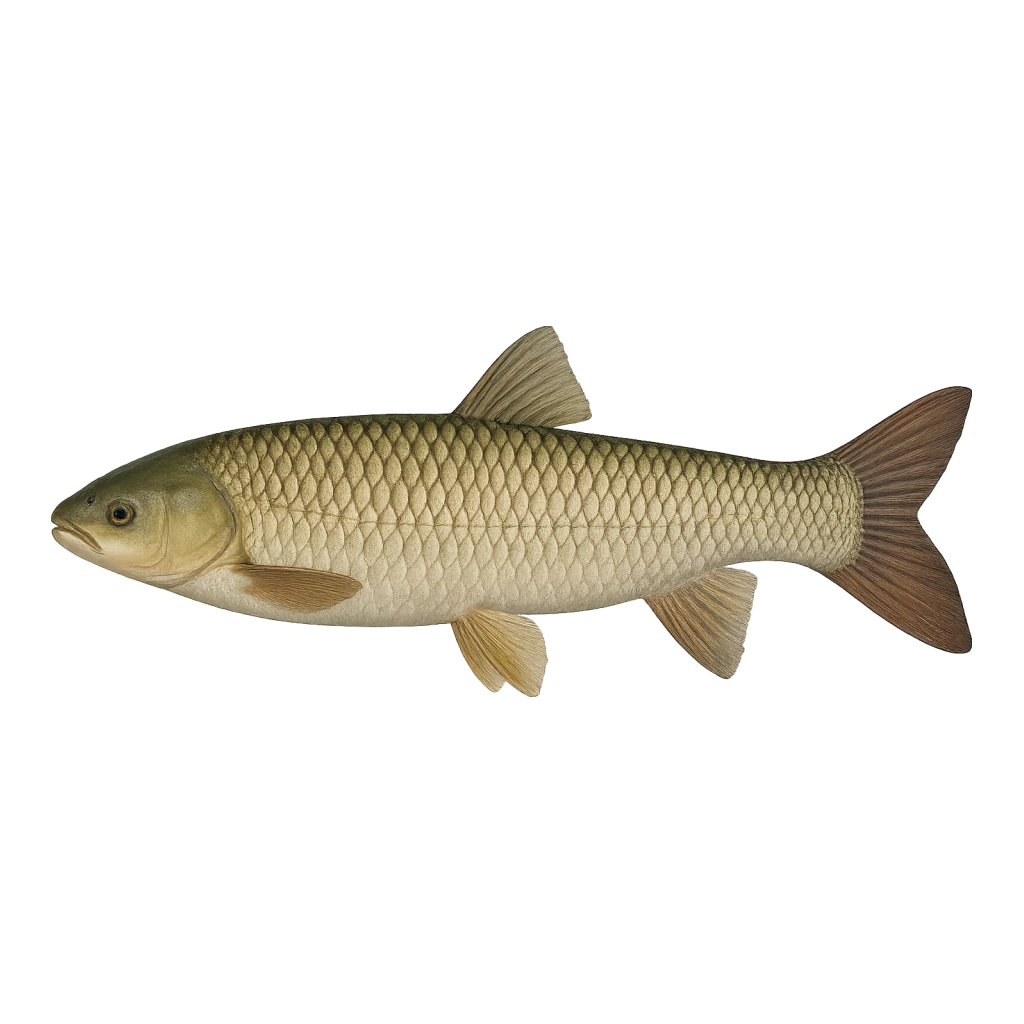
The Grass Carp (Ctenopharyngodon idella) is a large freshwater fish. It has a long, streamlined body with a blunt head. The coloration is typically olive-green to gray on the back, fading to a lighter shade on the belly. The scales are large and prominent. The dorsal fin is long and starts near the middle of the body, while the anal fin is long and extends towards the tail. The mouth is terminal and has no teeth, featuring a thick, fleshy lower lip.
Grass Carp are often confused with the Common Carp (Cyprinus carpio). The key detail that separates them is the absence of barbels on the Grass Carp's upper jaw, while the Common Carp has two pairs of barbels.
Where it lives
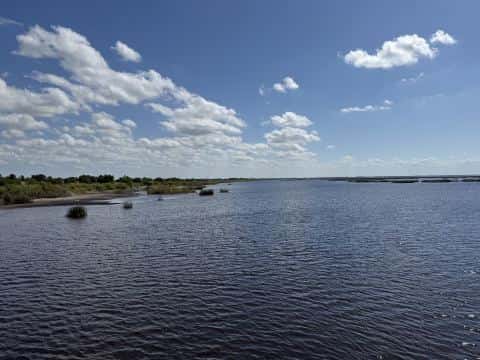
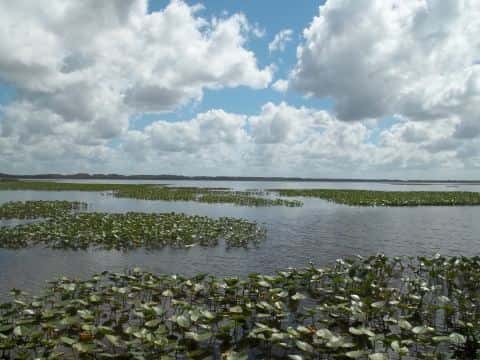
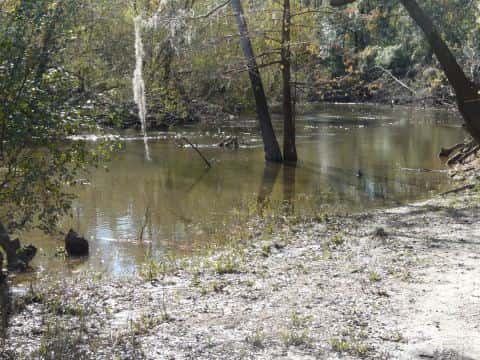
Grass Carp are found in various regions across the United States. They inhabit rivers, lakes, and reservoirs, primarily in the southeastern and midwestern regions. They prefer warm, shallow waters with abundant vegetation. Typically, they are found in depths ranging from 1 to 10 feet.
In spring and summer, Grass Carp tend to stay near the surface, where aquatic plants are abundant. As temperatures drop in fall, they may move to deeper waters. In winter, they often seek out warmer areas, such as near inflows or springs.
When it bites
Grass Carp are most active from late spring to early fall. They generally bite when water temperatures range from 70 to 85 degrees F. Early morning and late afternoon are the best times to fish for them. Weather changes can affect their feeding behavior; a passing front may trigger increased activity, while strong winds can make them less likely to bite. A full moon can enhance their feeding, leading to more aggressive behavior.
How to catch it
To catch Grass Carp, use a method known as "carp fishing." Popular rigs include the hair rig and the method feeder rig. Baits such as sweet corn, dough balls, or specially formulated carp pellets work well. Sizes for hooks should range from 4 to 8, and a strong line of 10 to 20 pounds test is recommended.
Cast near vegetation or areas where they are known to feed. Work the bait slowly, allowing it to settle near the bottom or drift with the current. Be patient, as Grass Carp can be cautious and may take time to bite.
Size, age and the table
Grass Carp typically range from 20 to 40 inches in length and weigh between 10 to 50 pounds. A trophy Grass Carp is generally considered to be over 40 inches. They grow rapidly, often reaching 24 inches within the first year. Their lifespan can exceed 10 years in the wild.
While Grass Carp are not commonly sought for eating, they are edible and have a mild flavor. However, proper handling is crucial to ensure quality. If you plan to release them, do so gently to minimize stress and injury. Use wet hands or a wet net to handle them, and avoid prolonged exposure to air.