How to recognise it
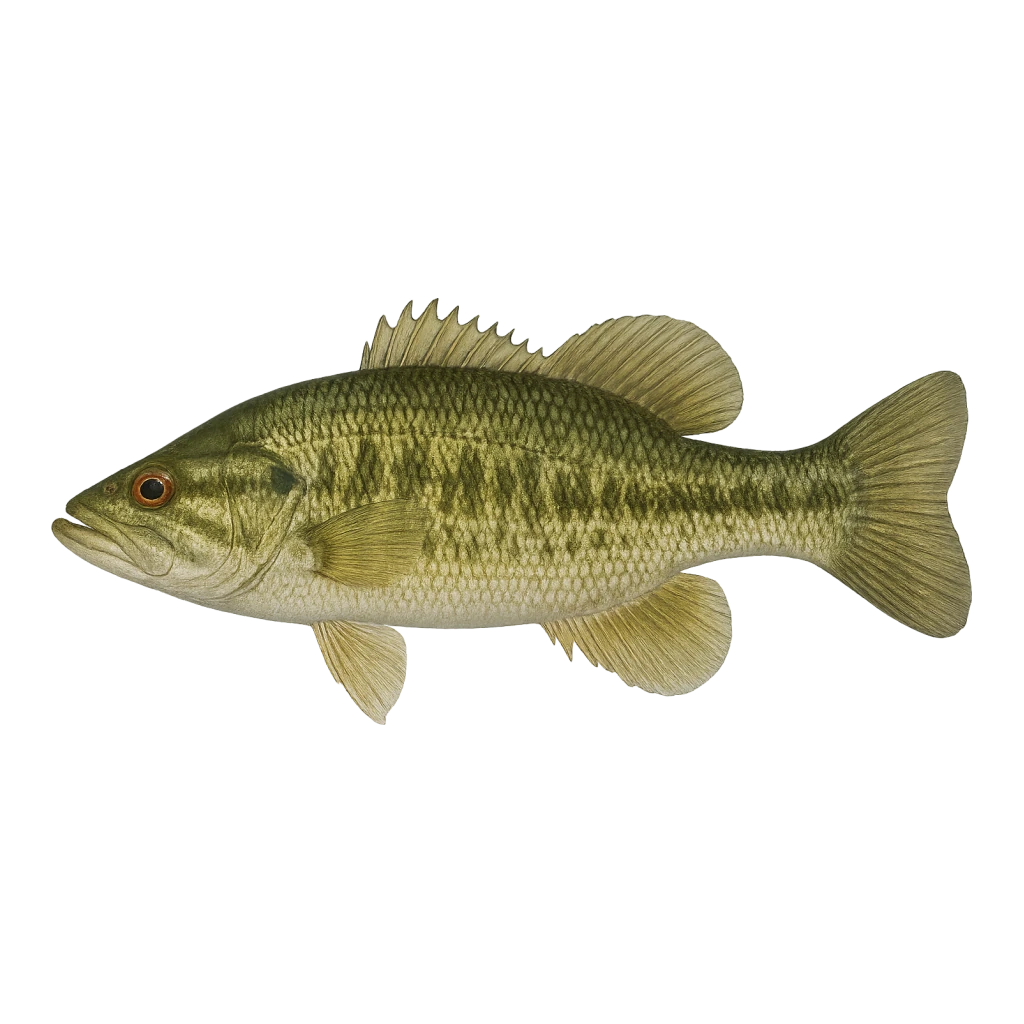
The Suwannee Bass (Micropterus notius) is a distinct freshwater fish. It has a streamlined body with a dark olive to blackish coloration. The sides are lighter, often with a faint pattern of vertical bars. The dorsal fin is long and has a slight notch. The mouth is large, extending past the eye. This species is often confused with the Florida Bass (Micropterus floridanus). The key detail that separates them is the presence of a distinct dark spot at the base of the caudal fin in the Suwannee Bass.
Where it lives
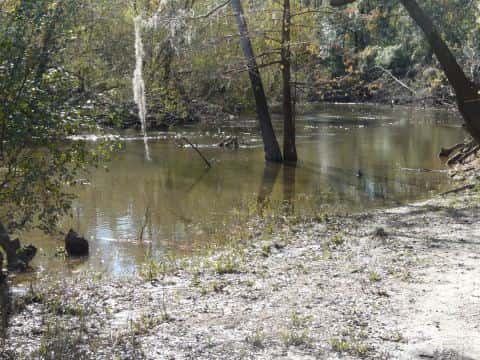
The Suwannee Bass is primarily found in the southeastern United States. Its range includes rivers and streams in Florida and Georgia. They prefer clear, flowing waters with moderate to high flow rates. Depths can vary, but they are typically found in water ranging from 2 to 10 feet deep. This species often holds to structures like rocks, fallen trees, and vegetation. In warmer months, they may move to shallower areas, while in cooler months, they tend to seek deeper pools.
When it bites
Suwannee Bass are most active from March to October. They prefer water temperatures between 65 and 85 degrees F. Early mornings and late afternoons are the best times to fish for them. A passing front can trigger increased feeding activity, while windy conditions may make them less likely to bite. A full moon can also enhance their feeding patterns, leading to more aggressive strikes.
How to catch it
To catch Suwannee Bass, use spinning or baitcasting gear with a 10 to 15-pound test line. A medium to medium-heavy rod is recommended. Popular rigs include Texas rigs and Carolina rigs. Use soft plastic lures like worms or creature baits in natural colors such as green pumpkin or watermelon. Crankbaits and spinnerbaits in sizes 1/4 to 1/2 ounce can also be effective. Cast near cover and retrieve slowly, allowing the lure to bounce off structures. Focus on areas with current breaks and eddies.
Size, age and the table
The typical size of a Suwannee Bass caught by anglers ranges from 12 to 18 inches. A trophy specimen is generally considered to be over 20 inches. They grow at a rate of about 1 inch per year and can live up to 6 years. The flesh is firm and has a mild flavor, making them suitable for eating. Handle them carefully to minimize stress and ensure a successful release. Use wet hands or a landing net to avoid damaging their slime coat.