How to recognise it
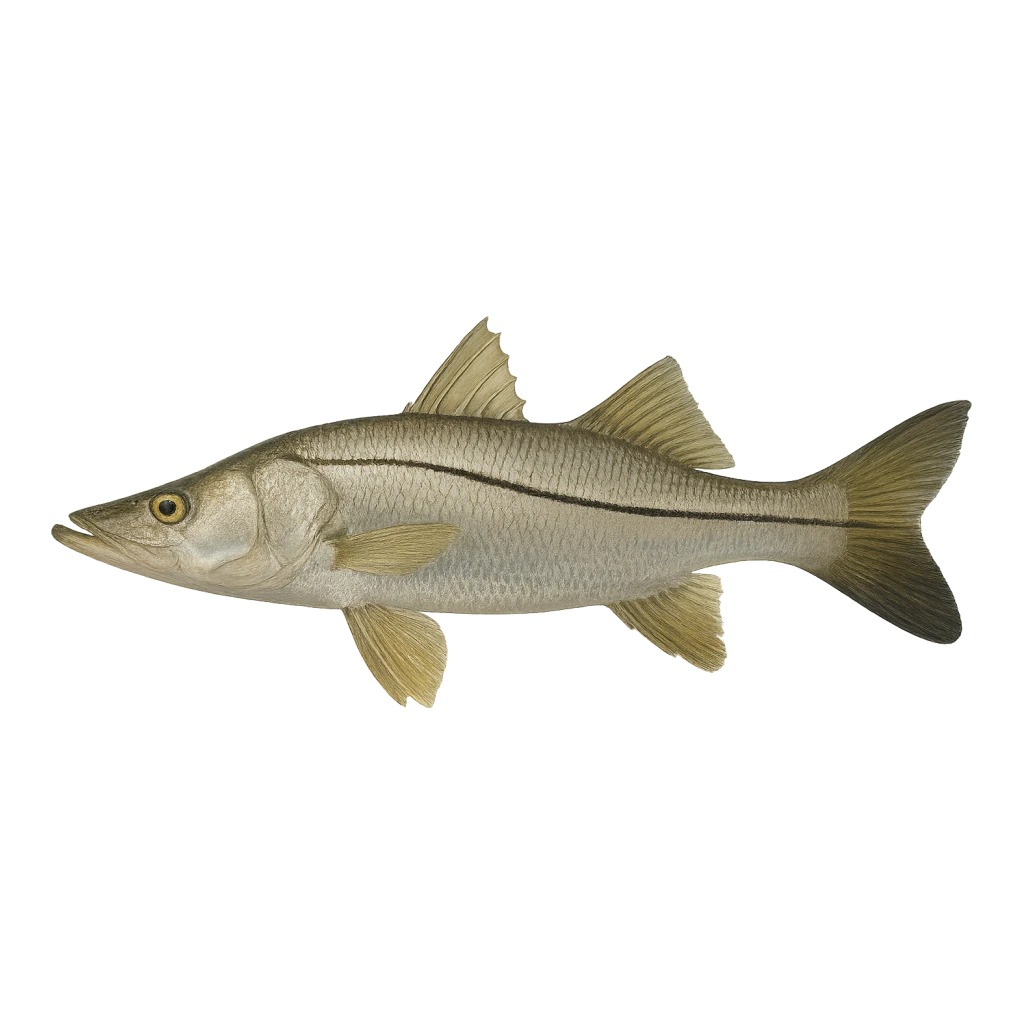
The Common Snook (Centropomus undecimalis) is a distinctive fish. It has a long, slender body with a slightly flattened head. The coloration ranges from a silvery to a yellowish hue, with a dark lateral line running from the gills to the tail. The dorsal fin is long and divided into two parts, with the first part being spiny and the second part soft. The mouth is large, extending past the eyes, and features sharp teeth.
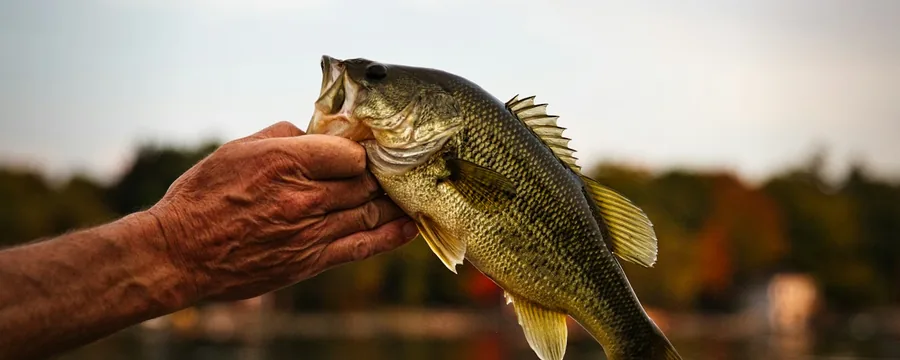
This species is often confused with the European Sea Bass (Dicentrarchus labrax). The key detail that separates them is the presence of a pronounced lateral line on the Common Snook, which is less defined in the European Sea Bass.
Where it lives
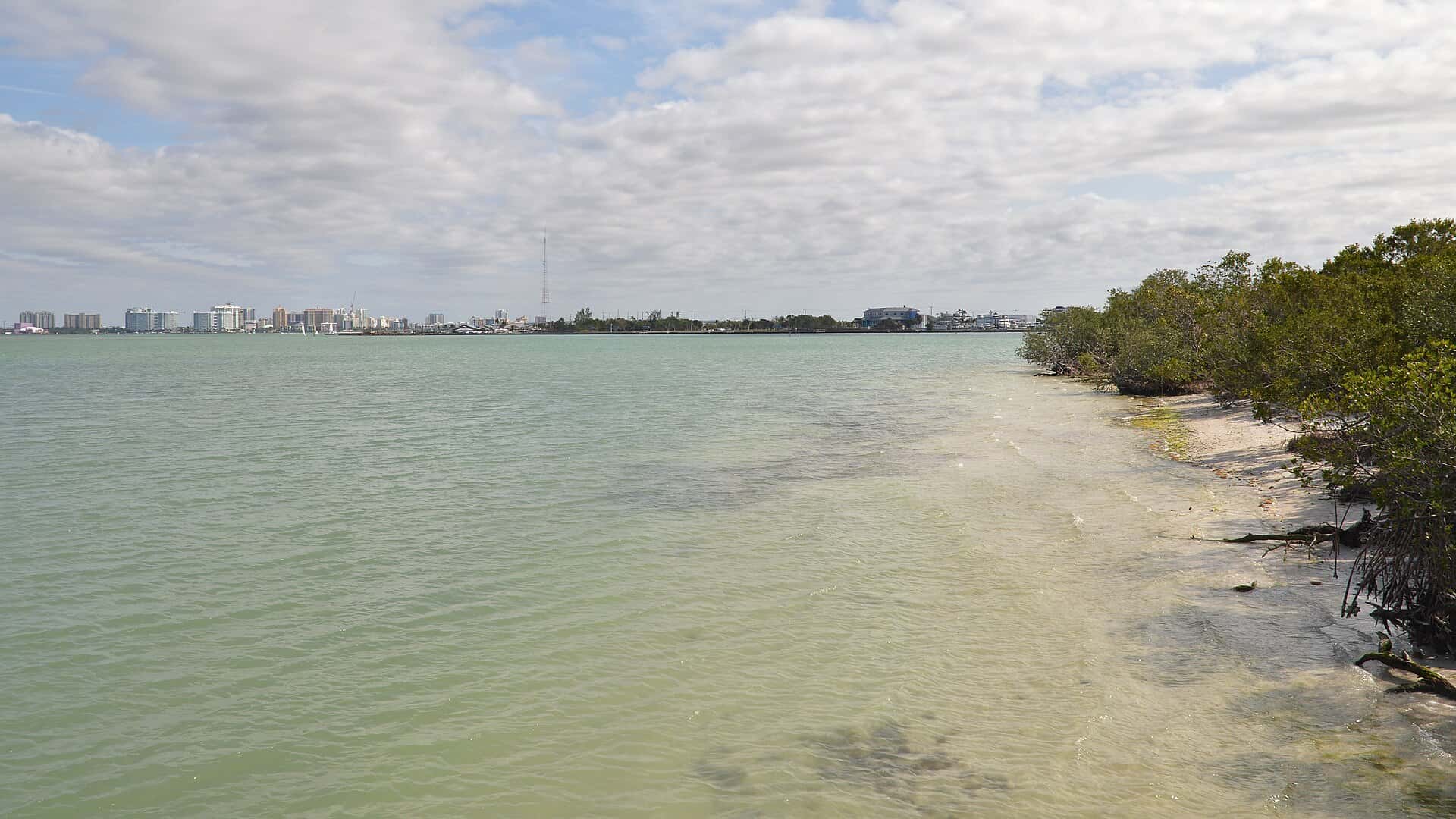
The Common Snook is found along the southeastern coast of the United States. Its range extends from Florida to North Carolina. This species prefers brackish waters, often inhabiting estuaries, mangroves, and coastal lagoons. Snook can be found in depths ranging from 1 to 20 feet, depending on the habitat.
In warmer months, they tend to move into shallower waters, while in cooler months, they may retreat to deeper areas. During the spawning season, typically in the summer, they can be found near inlets and passes.
When it bites
The Common Snook is most active from April to October. The ideal water temperature for fishing is between 70°F and 85°F. They are known to bite best during dawn and dusk. Weather changes, such as a passing front or strong winds, can trigger feeding activity. A full moon often leads to increased activity, making it a prime time for anglers.
How to catch it
To catch Common Snook, use a variety of rigs. The Carolina rig is effective, as well as the popping cork rig. Live baits like pinfish, mullet, and shrimp work well, typically in sizes ranging from 3 to 6 inches. Lures such as topwater plugs and soft plastics in colors like white, chartreuse, and silver are also successful.
Use a braided line in the 20 to 30-pound test range, with a fluorocarbon leader of 30 to 50 pounds. Hooks should be sized between 3/0 and 5/0, depending on the bait used. Cast near structure such as mangroves, docks, or rocky areas, and retrieve with a steady, erratic motion to mimic injured prey.
Size, age and the table
Common Snook typically range from 24 to 36 inches in length, with larger specimens reaching up to 48 inches. A trophy-sized Snook is generally considered to be over 40 inches. They grow rapidly, reaching sexual maturity at around 3 to 4 years of age, and can live up to 15 years.
Common Snook are known for their excellent eating quality, with firm, white flesh. When handling, wet your hands to minimize slime loss, and use circle hooks to increase survival rates upon release. Always check local regulations for guidelines on handling and releasing fish.