How to recognise it
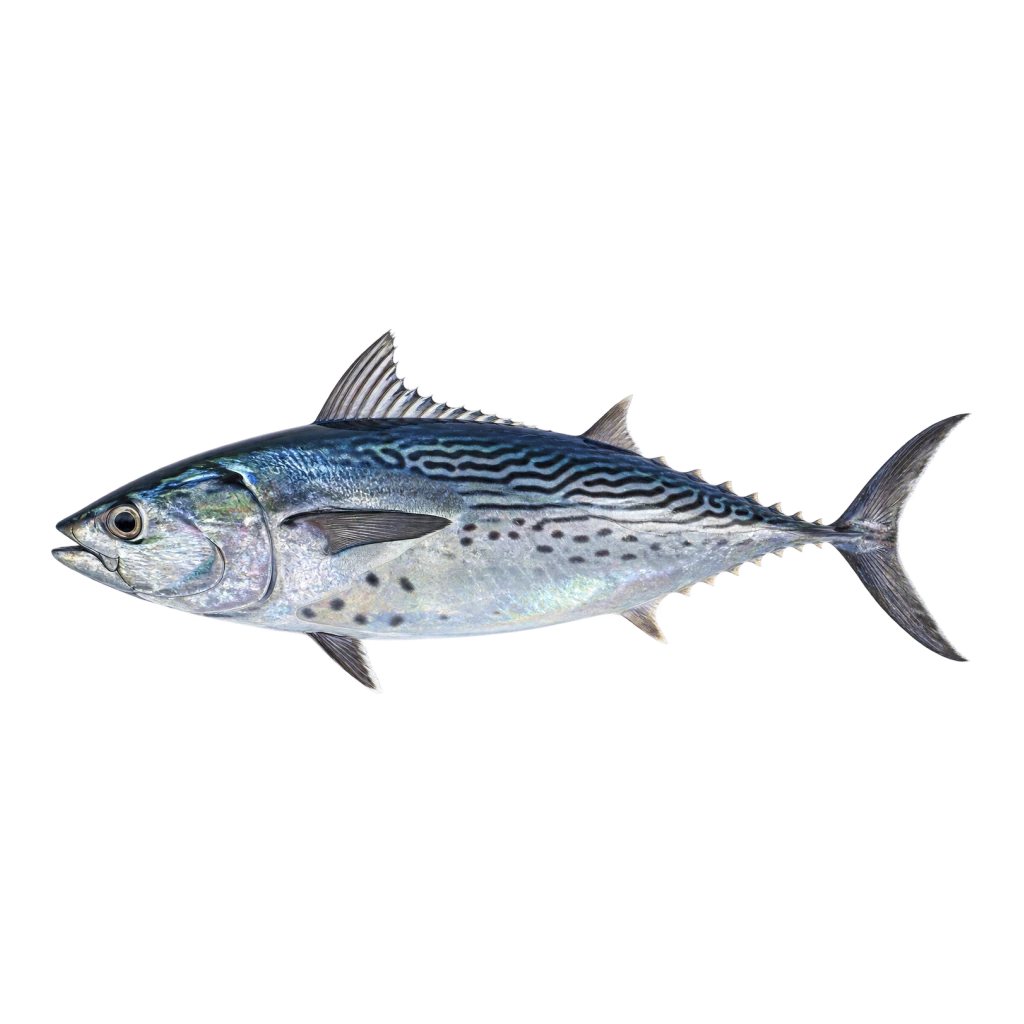
The Little Tunny, or Euthynnus alletteratus, is a streamlined fish with a sleek body. Its coloration is a bluish-green on the top, fading to silver on the sides and belly. It has distinctive horizontal stripes running along its back. The dorsal fin is tall and pointed, while the anal fin is shorter and more rounded. The mouth is large and extends past the eyes, which are relatively small. The species it is most often confused with is the Atlantic Bonito. The key detail that separates them is the number of dorsal fin spines; Little Tunny has 13 to 15 spines, while Atlantic Bonito has 11 to 13.
Where it lives
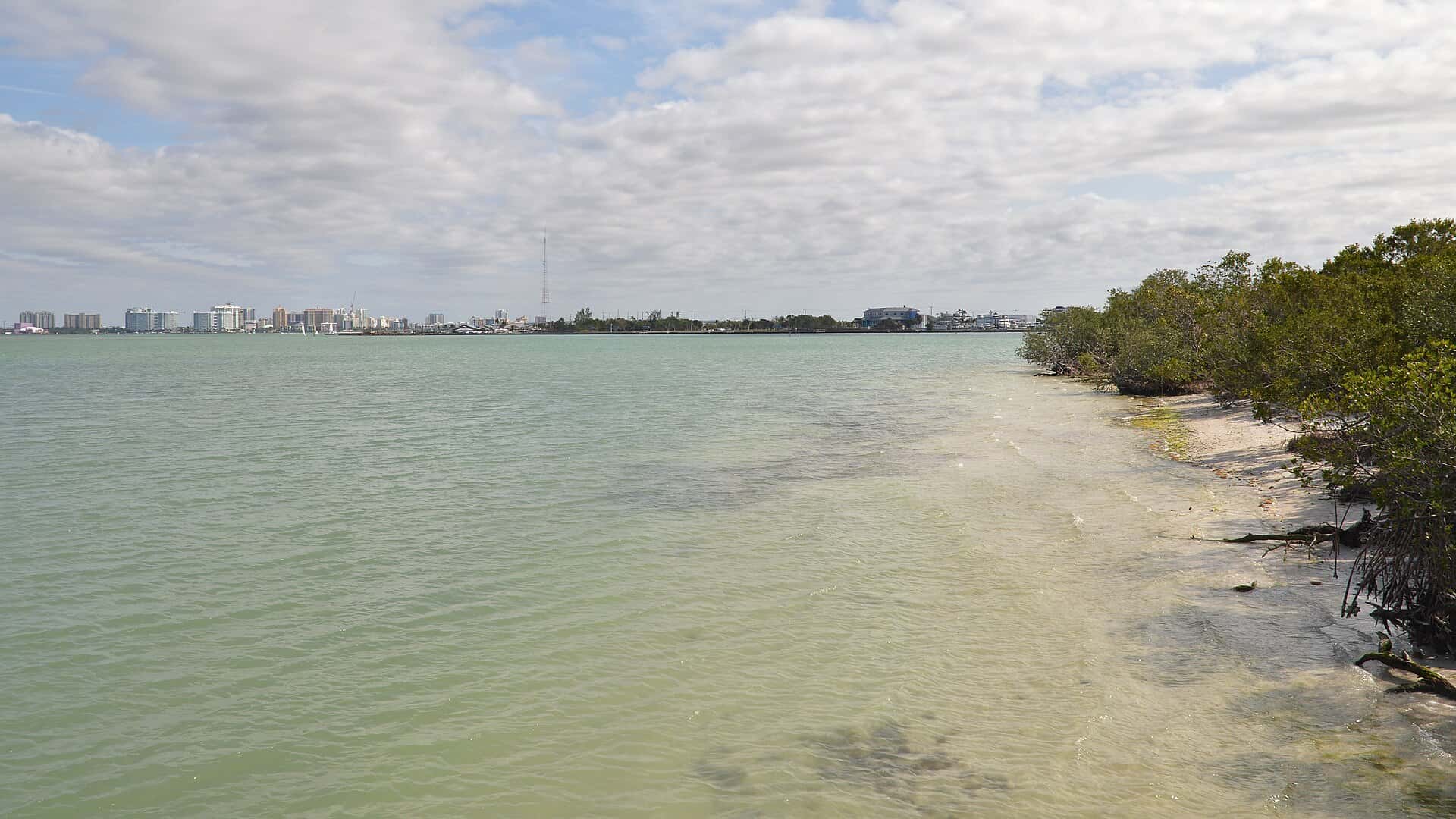
The Little Tunny is found along the Atlantic coast of the United States, from New England down to Florida. It prefers warm, saltwater environments and is often found in coastal waters, bays, and estuaries. The depth range is typically between 30 to 300 feet. In the summer months, they move closer to shore, while in winter, they tend to migrate to deeper waters. Seasonal changes can affect their distribution, with warmer waters attracting them closer to land.
When it bites
Little Tunny are most active from late spring through early fall. The ideal water temperature for fishing is between 70 to 80 degrees F. They are known to bite during the early morning and late afternoon. Weather changes, such as a passing front or increased wind, can trigger feeding activity. A full moon can also enhance their feeding behavior, making them more aggressive and willing to strike at lures and baits.
How to catch it
To catch Little Tunny, anglers often use trolling rigs with lures such as feathers, spoons, or diving plugs in sizes ranging from 3 to 6 inches. Colors like blue, silver, and chartreuse are effective. Live bait, such as small mackerel or sardines, can also be successful. Use a medium to heavy spinning or conventional rod with a line weight of 20 to 30 pounds. Hooks should be in the range of 2/0 to 4/0. Cast near schools of baitfish or around structures like reefs and jetties. Retrieve the lure with a fast, erratic motion to mimic injured prey.
Size, age and the table
Typically, anglers encounter Little Tunny ranging from 12 to 25 inches in length and weighing between 5 to 15 pounds. A trophy specimen is generally considered to be over 25 inches. They grow rapidly, reaching maturity in about 2 years, and can live up to 5 years. The meat is considered good quality and is often used for grilling or smoking. Handling should be done carefully to avoid damaging their delicate skin. If releasing, use wet hands and minimize air exposure to ensure their survival.