How to recognise it
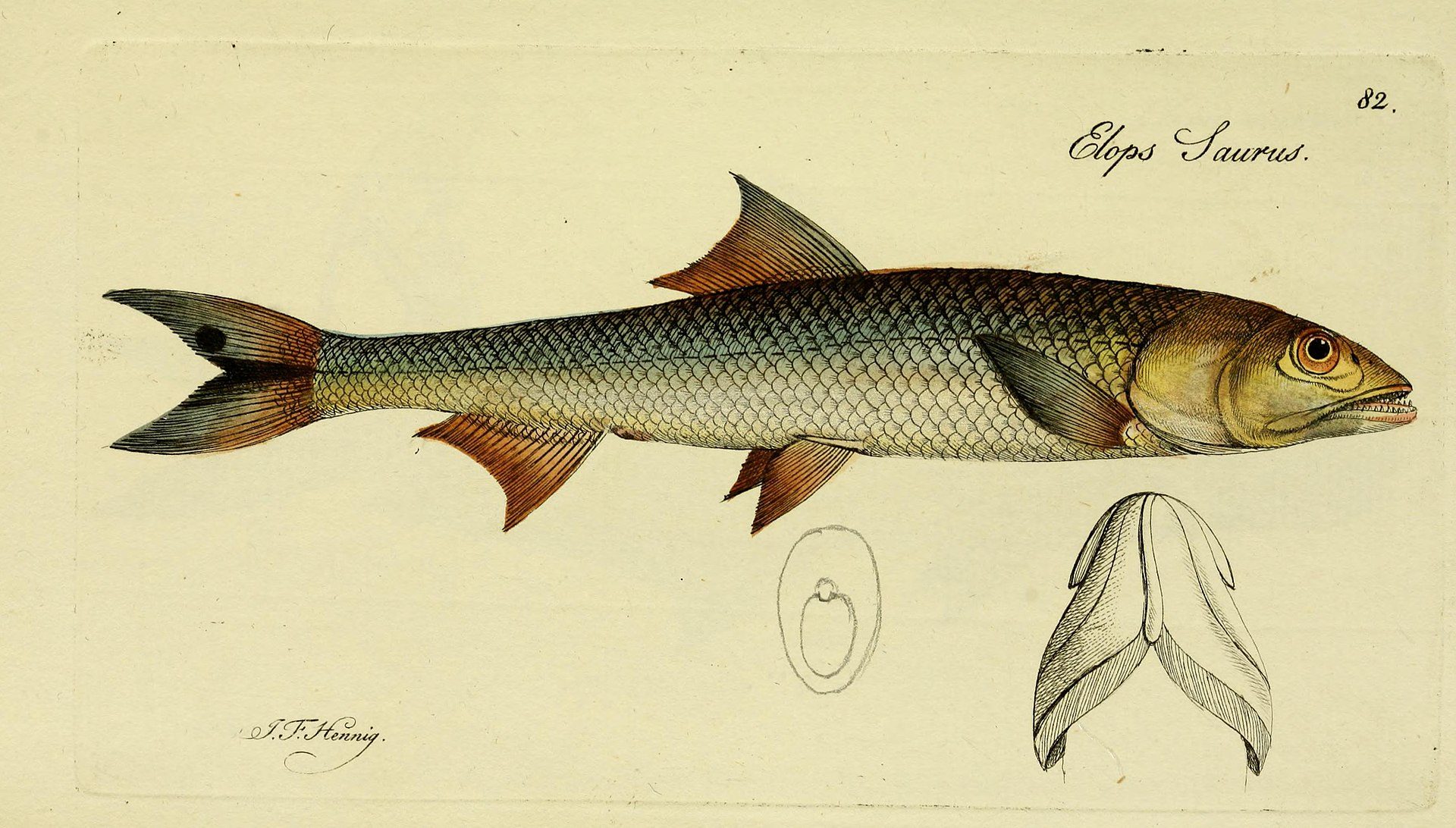
The Ladyfish (Elops saurus) is a slender, elongated fish with a streamlined body. It has a pointed snout and a large mouth filled with sharp teeth. The coloration is typically silver on the sides with a greenish or bluish back. The belly is white. The dorsal fin is located far back on the body and is long and pointed. The anal fin is similar in shape and position. Ladyfish can be confused with the Tarpon (Megalops atlanticus), but the key detail that separates them is the absence of a bony plate on the Ladyfish's head, which is present in Tarpon.
Where it lives
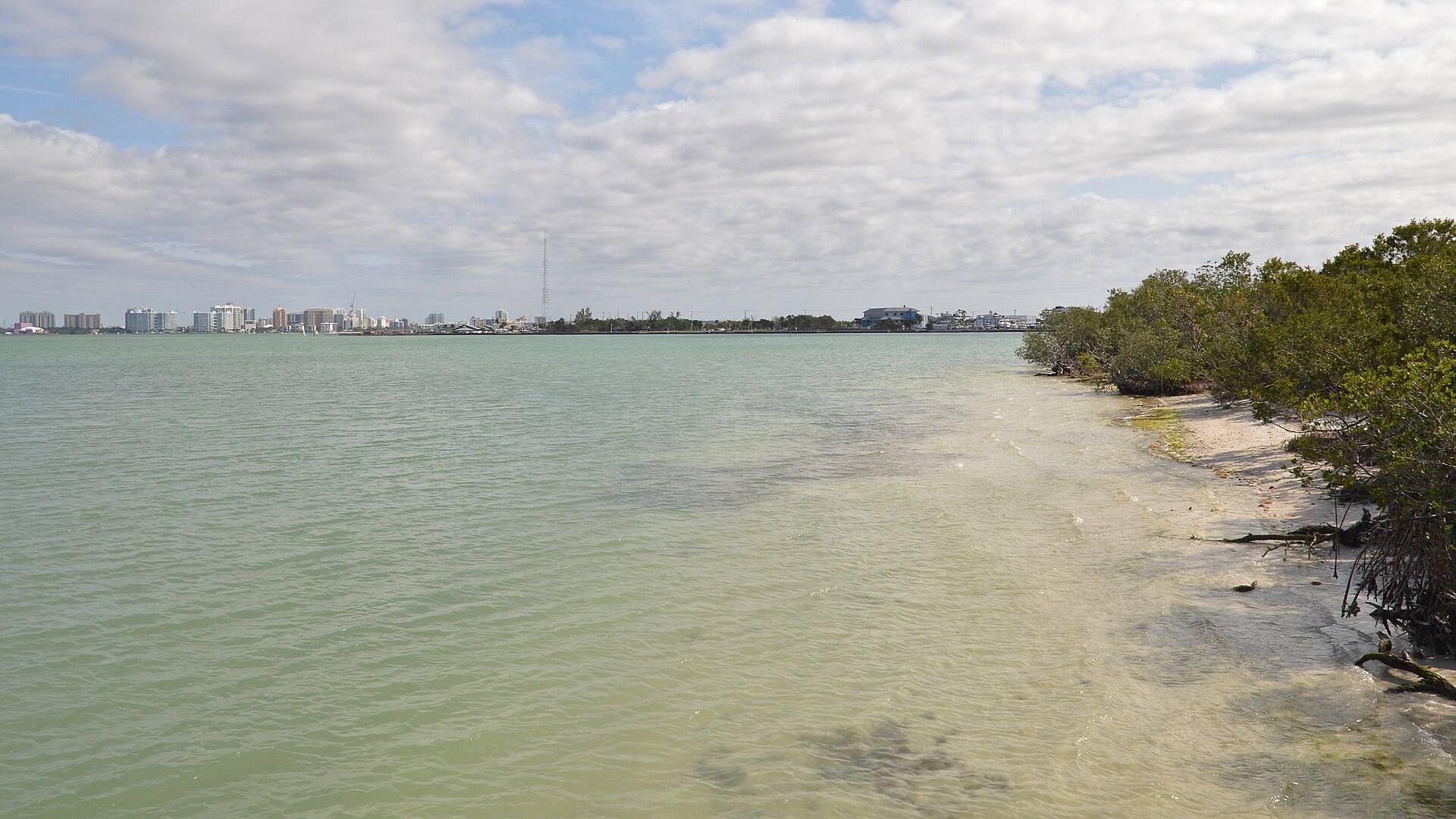
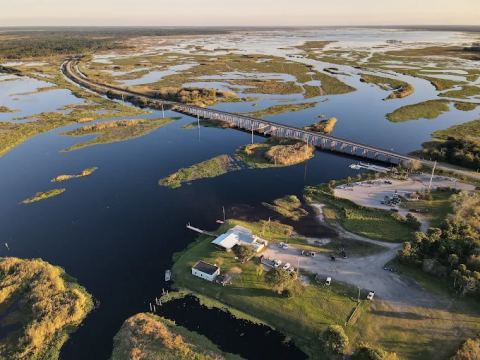
Ladyfish are primarily found in the coastal waters of the southeastern United States, from Florida to Texas. They inhabit estuaries, bays, and nearshore waters. They prefer brackish environments but can also be found in pure saltwater. Ladyfish are typically found at depths of 1 to 30 feet. In warmer months, they move closer to shore and into shallower waters, while in cooler months, they may retreat to deeper areas.
When it bites
Ladyfish are most active from late spring through early fall, particularly from May to September. They thrive in water temperatures between 70°F and 85°F. Early morning and late afternoon are the best times to catch them, as they tend to feed more aggressively during these hours. A passing front can trigger feeding activity, while strong winds or a full moon may lead to increased movement and feeding behavior.
How to catch it
To catch Ladyfish, use light to medium tackle. A spinning rig with a 10 to 20-pound test line is recommended. Use hooks ranging from size 1 to 3/0. Effective baits include live shrimp, small mullet, or cut bait. Lures such as topwater plugs, spoons, and soft plastics in bright colors (like chartreuse or pink) work well. Cast near schools of baitfish or around structure like docks and jetties. Retrieve lures quickly to mimic the movement of fleeing prey.
Size, age and the table
Anglers typically encounter Ladyfish ranging from 12 to 24 inches in length, with larger specimens reaching up to 36 inches. A trophy Ladyfish is generally considered to be over 30 inches. They grow rapidly, reaching maturity in about 2 to 3 years, and can live up to 5 years. Ladyfish are not highly regarded for eating due to their strong flavor and bony structure, but they can be consumed if prepared properly. Handle them with care to ensure a successful release, as they are sensitive to stress and can be easily injured.