How to recognise it
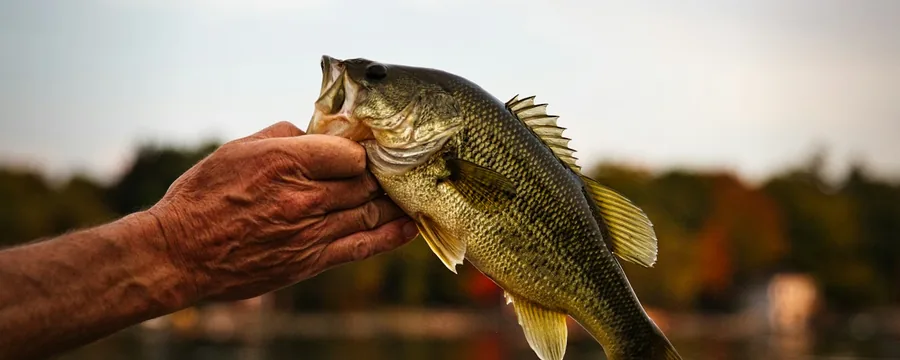
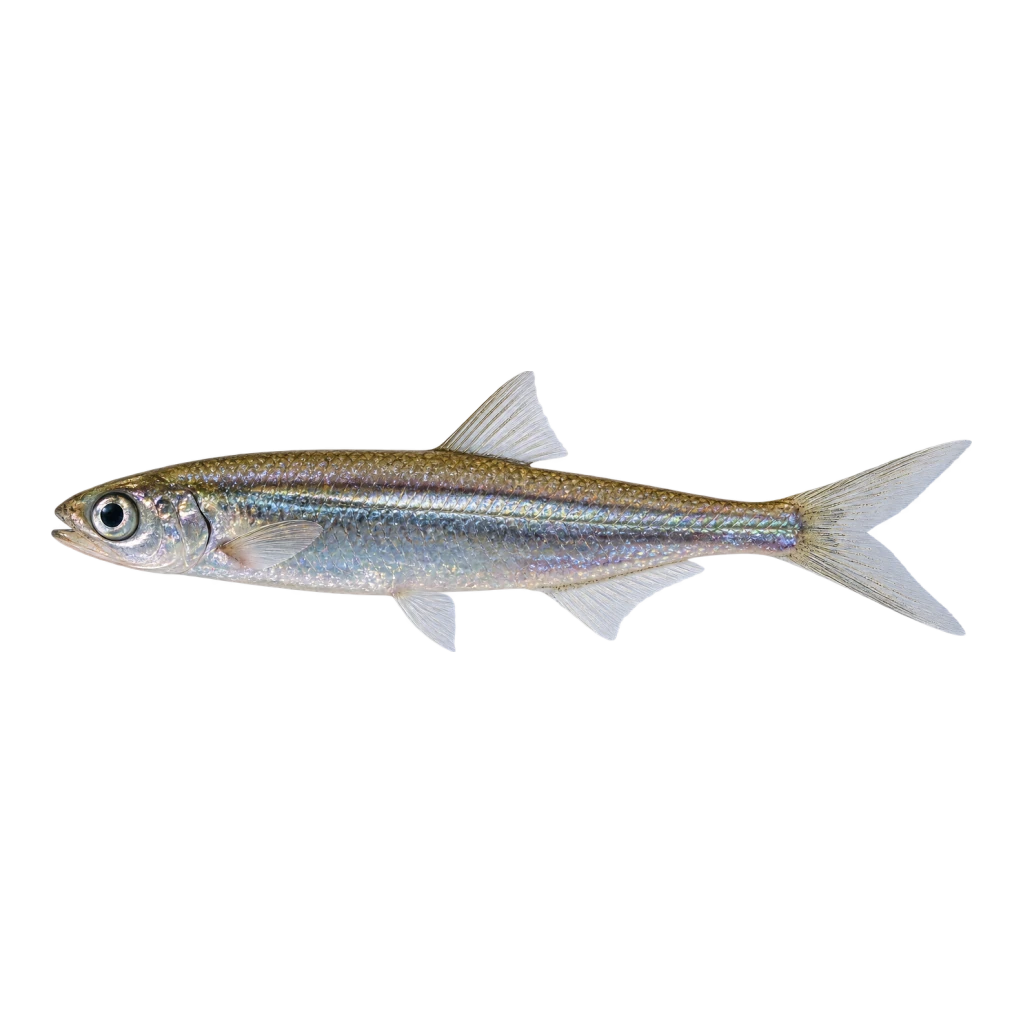
The Bay Anchovy (Anchoa mitchilli) is a small, slender fish. It typically measures 3 to 5 inches in length. The body is silver with a bluish-green back. A distinctive feature is the dark spot located behind the gill cover. The dorsal fin is located far back on the body, and the mouth is small and slightly upturned. The Bay Anchovy is often confused with the Atlantic Menhaden. The key detail that separates them is the absence of a pronounced lateral line on the Bay Anchovy.
Where it lives
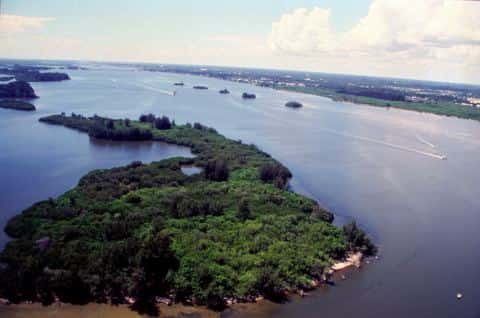
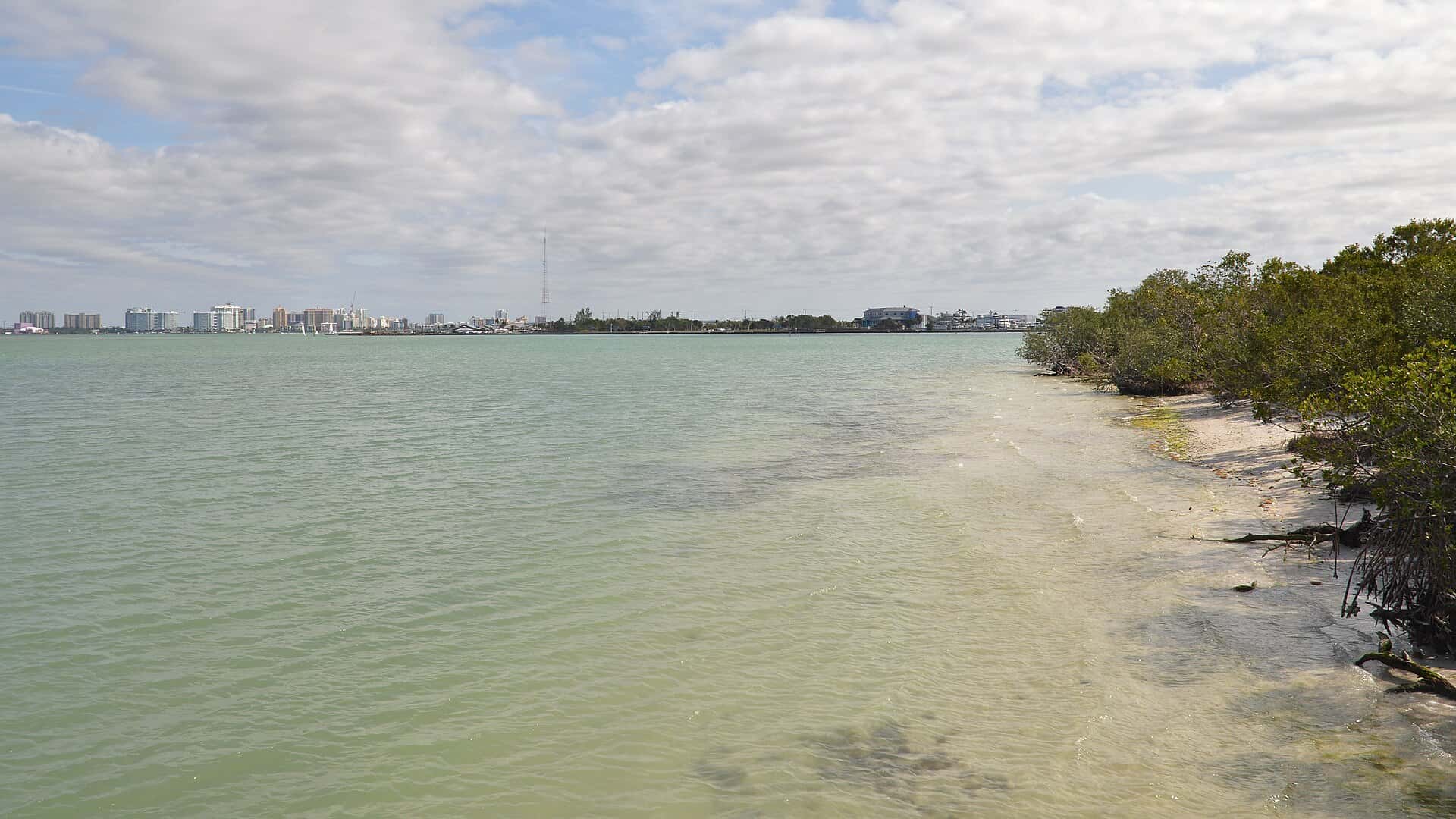
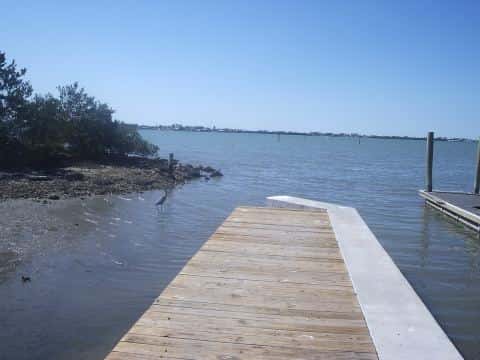
The Bay Anchovy is found along the Atlantic coast of the United States. Its range extends from Cape Cod, Massachusetts, to the Gulf of Mexico. It prefers estuarine and coastal waters, often inhabiting bays and tidal rivers. The depth range is typically from 1 to 30 feet. During warmer months, Bay Anchovies move into shallower waters. In colder months, they tend to migrate to deeper areas. They often seek cover among submerged vegetation and structures like piers or jetties.
When it bites
Bay Anchovies are most active from late spring through early fall. They bite best when water temperatures are between 65 and 80 degrees F. Early morning and late afternoon are prime times for fishing. A passing cold front can trigger feeding activity, while strong winds may scatter them. A full moon can also enhance their feeding behavior, making them more susceptible to capture.
How to catch it
To catch Bay Anchovies, use light tackle with a 6 to 10-pound test line. Small hooks, size 8 to 12, are recommended. Popular rigs include a simple bobber rig or a small jig. Live bait such as small shrimp or cut bait works well. Lures in sizes 1 to 2 inches, like small spoons or soft plastics in silver or white, are effective. Cast near structures or along the edges of grass beds. Retrieve the lure with a steady, slow motion to mimic the natural movement of the fish.
Size, age and the table
Anglers typically encounter Bay Anchovies measuring 3 to 5 inches. A trophy size is considered to be over 6 inches. They grow quickly, reaching maturity in about one year. The lifespan of a Bay Anchovy is generally around 2 to 3 years. While they are not commonly targeted for eating, they are a good source of omega-3 fatty acids. If you choose to keep them, handle them gently and keep them cool. For catch and release, minimize handling and return them to the water quickly.