How to recognise it
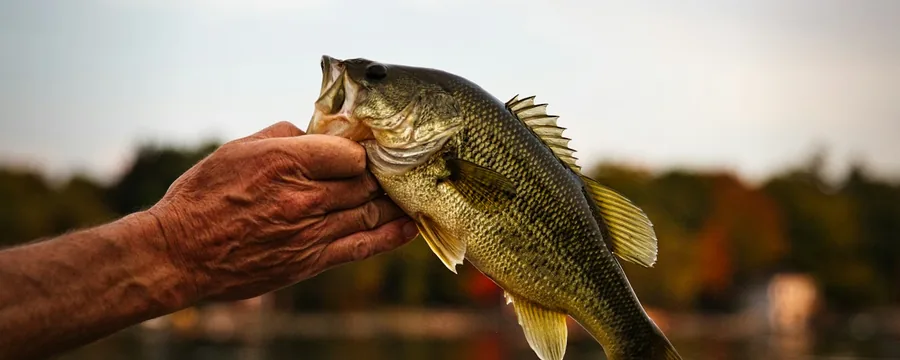
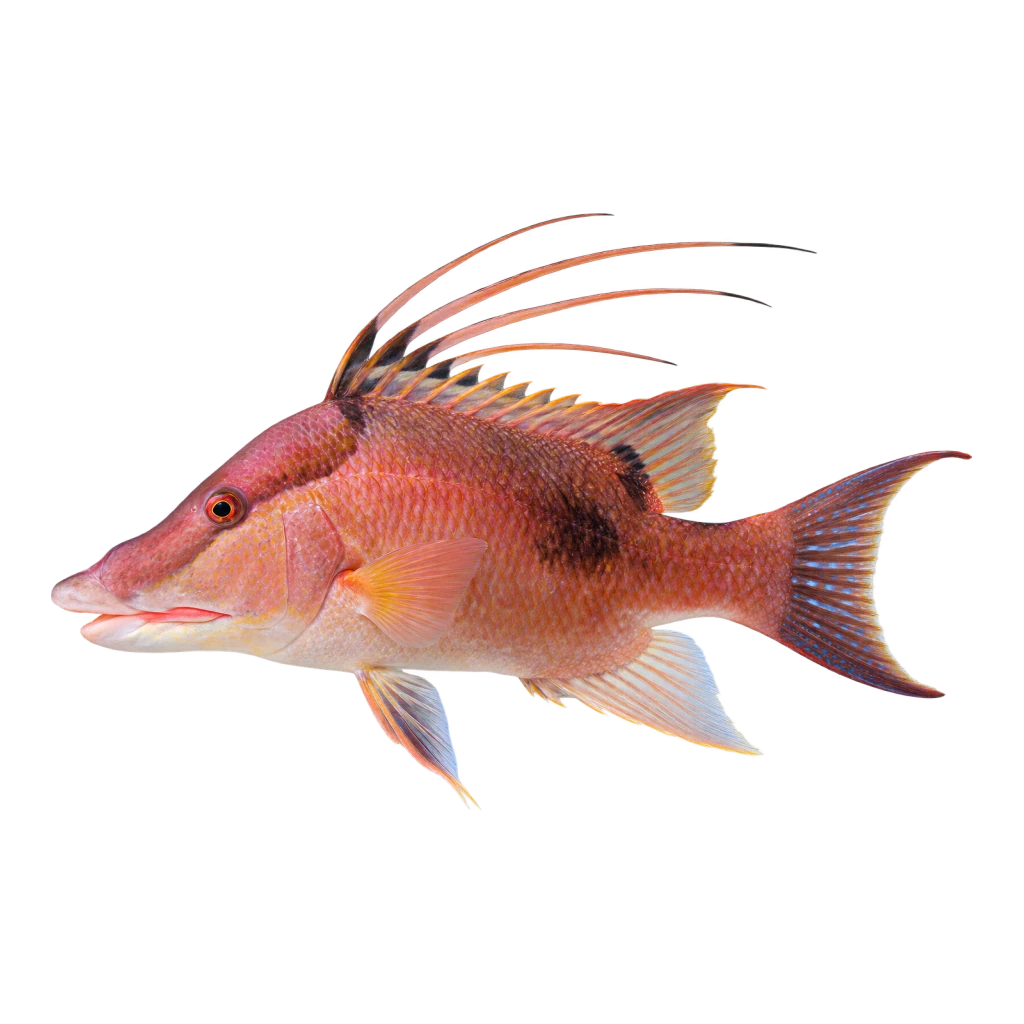
The Hogfish (Lachnolaimus maximus) is a distinctive species known for its elongated body and unique coloration. It typically displays a pink to reddish hue with a white underside. The most notable feature is its long, pointed snout, which is adapted for feeding on crustaceans. The dorsal fin is long and continuous, with a slight notch towards the back. The anal fin is also elongated. Hogfish have a small mouth that can protrude, allowing them to suck in prey.
This species is often confused with the Mutton Snapper (Lutjanus analis). The key detail that separates them is the Hogfish's elongated snout, while the Mutton Snapper has a more rounded head and shorter snout.
Where it lives
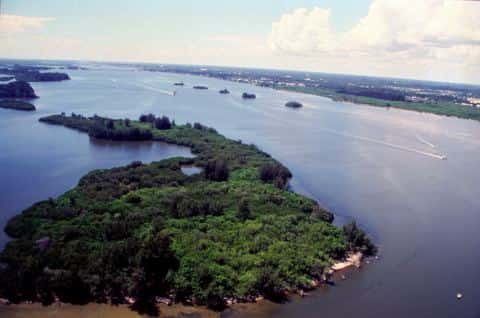
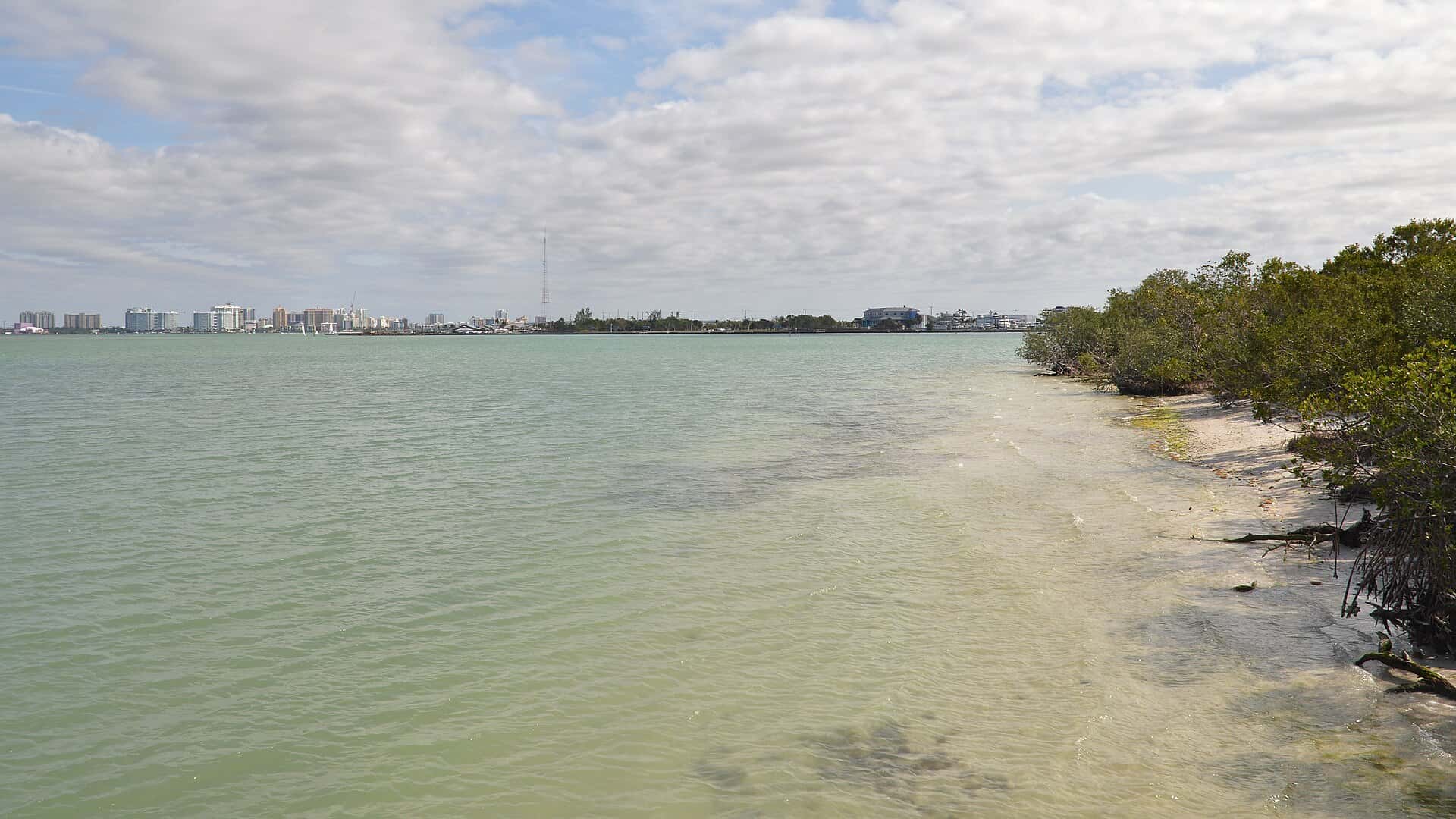
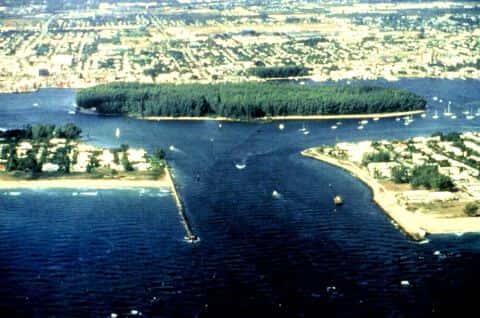
The Hogfish is primarily found in the southeastern United States, particularly in Florida and the Gulf of Mexico. They inhabit shallow waters, typically in depths ranging from 10 to 100 feet. Hogfish prefer rocky or coral reefs, seagrass beds, and areas with plenty of cover such as ledges and wrecks.
During the warmer months, Hogfish tend to move into shallower waters, while in cooler months, they may retreat to deeper areas. Their habitat preferences can shift based on water temperature and availability of food sources.
When it bites
The best months to target Hogfish are from April to November. They are most active when water temperatures range between 70°F and 85°F. Early morning and late afternoon are prime times for fishing, as Hogfish are more likely to feed during these hours.
Weather conditions can influence their behavior. A passing front may trigger increased feeding activity, while strong winds can make them less active. A full moon can also enhance their feeding patterns, making them more likely to bite.
How to catch it
To effectively catch Hogfish, use a bottom fishing rig with a 20 to 30-pound test line. A circle hook in the size range of 2/0 to 4/0 is recommended. For bait, live shrimp, sand fleas, or small crabs work well. If using lures, consider jigs in bright colors like pink or chartreuse, typically in the 1 to 2-ounce range.
Cast near rocky structures or coral reefs, and allow your bait to settle on the bottom. Slowly lift and drop the rod to mimic the movement of prey. Be patient, as Hogfish can be cautious feeders. Maintain a steady retrieve to entice them.
Size, age and the table
Anglers typically encounter Hogfish ranging from 15 to 25 inches in length. A trophy Hogfish is considered to be over 30 inches. Growth rates can vary, but they generally reach sexual maturity around 2 to 3 years of age. The lifespan of a Hogfish can exceed 10 years.
Hogfish are known for their excellent eating quality, with firm, white flesh that is mild in flavor. Proper handling is crucial to ensure their survival if released. Use wet hands or a wet cloth to handle them, and minimize their time out of the water. If you plan to keep them, ensure they are kept cool and handled carefully to maintain quality.