How to recognise it
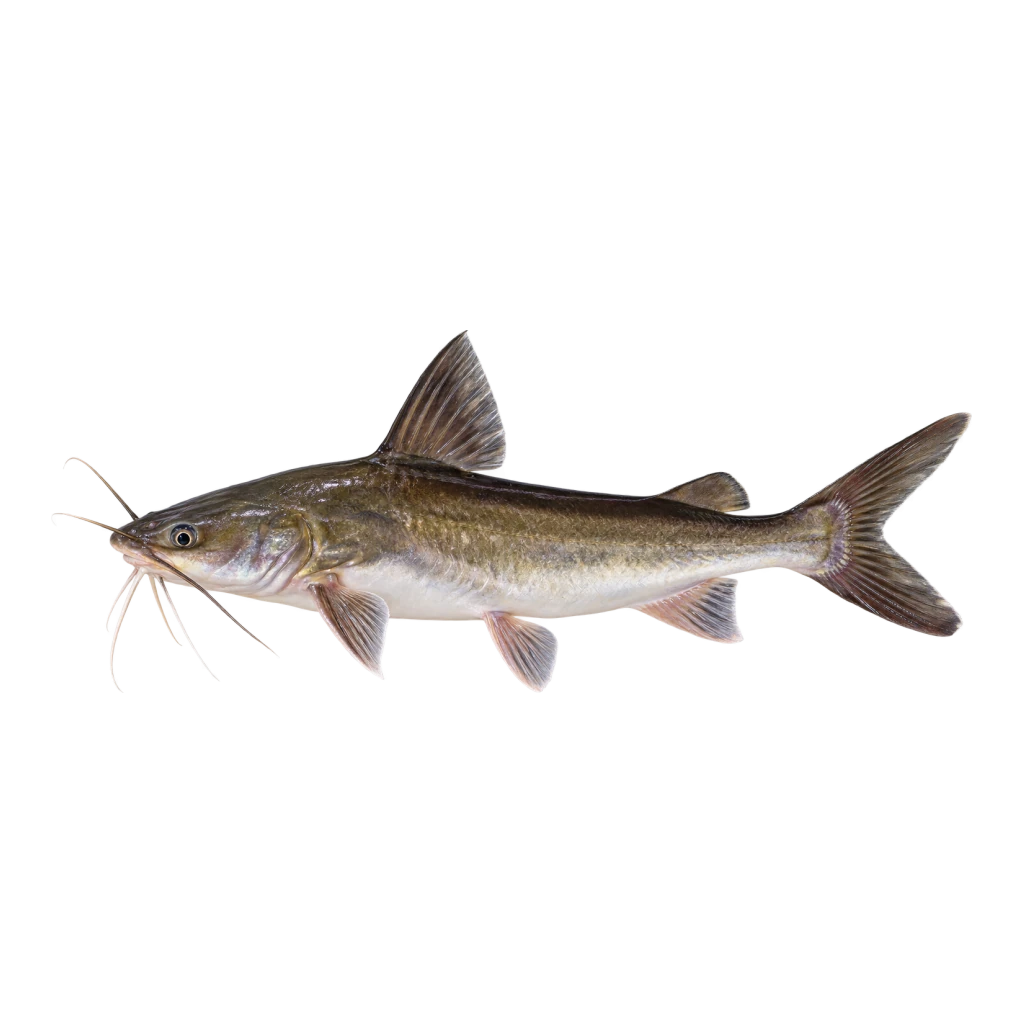
The Hardhead Catfish (Ariopsis felis) is a distinctive species. It has a long, slender body that can reach up to 30 inches in length. The coloration is typically grayish or brownish with a lighter underbelly. Its most notable feature is the long, sharp spines on its dorsal and pectoral fins. The mouth is wide and equipped with several small, sharp teeth.
This species is often confused with the Gafftopsail Catfish (Bagre marinus). The key detail that separates them is the presence of a long, filamentous tail on the Gafftopsail Catfish, which the Hardhead Catfish lacks.
Where it lives
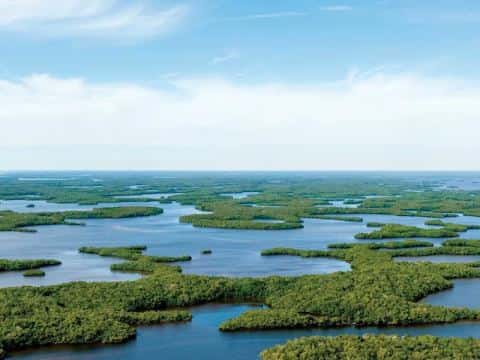
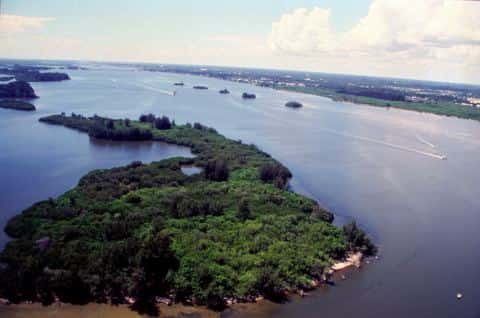
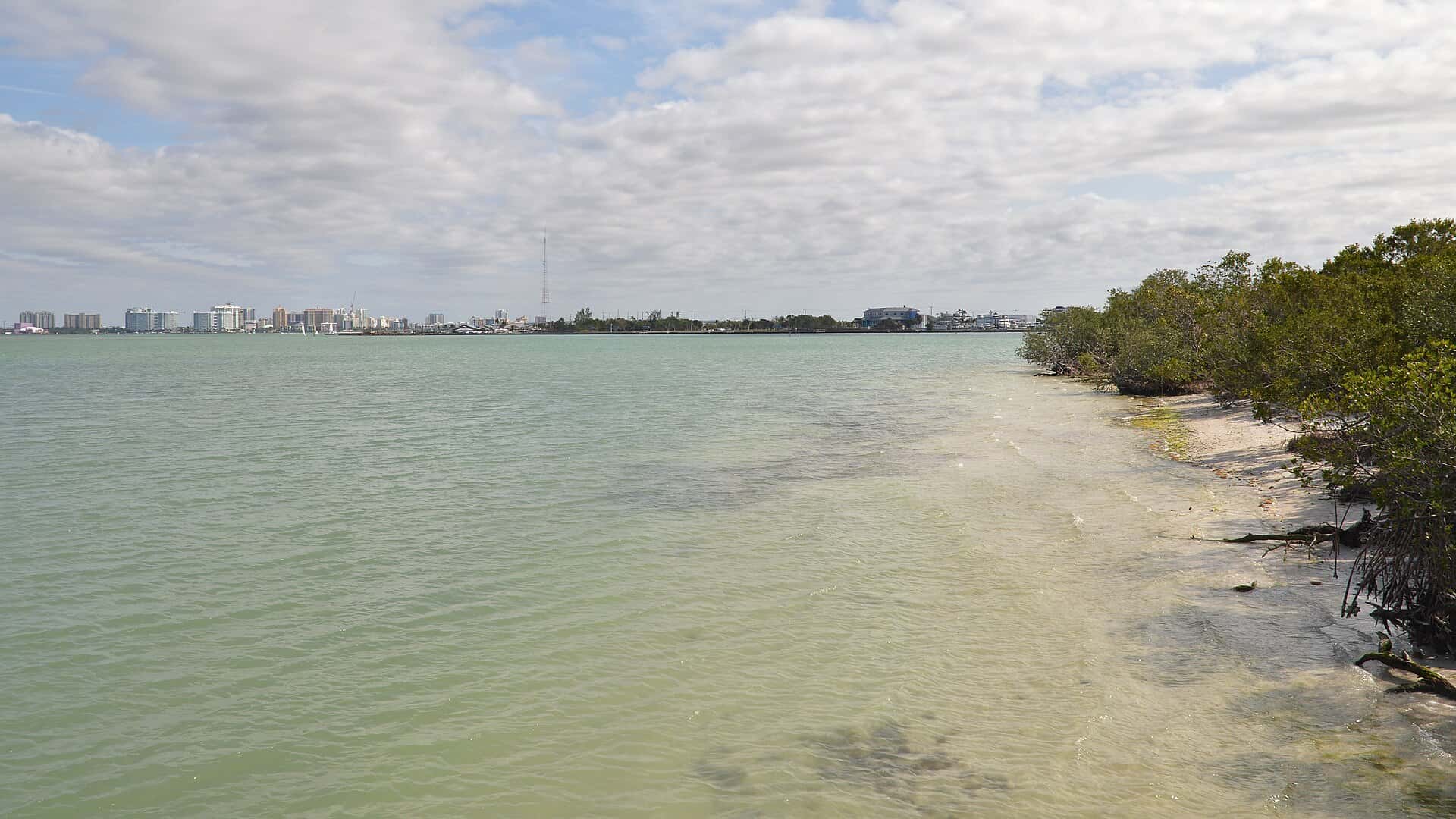
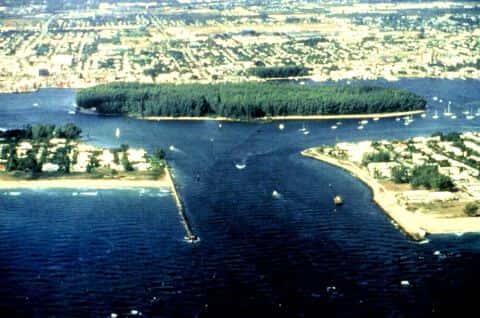
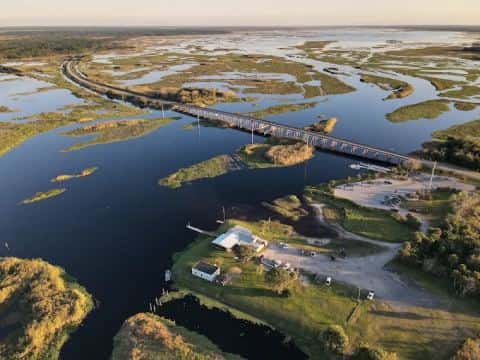
The Hardhead Catfish is primarily found along the Gulf Coast of the United States, from Florida to Texas. It inhabits brackish and saltwater environments, often found in estuaries, bays, and coastal waters. The depth range typically varies from 1 to 50 feet, depending on the time of year.
During warmer months, Hardhead Catfish tend to move into shallower waters, seeking cover among rocks, submerged structures, and vegetation. In cooler months, they may retreat to deeper waters for stability and warmth.
When it bites
The Hardhead Catfish is most active from late spring to early fall, particularly from May to September. The ideal water temperature for fishing is between 70°F and 85°F. They are known to bite during the day, especially in the early morning and late afternoon.
Weather conditions can influence their feeding behavior. A passing front may trigger increased activity, while strong winds can make them less likely to bite. A full moon often leads to more feeding opportunities, as they tend to be more active during this time.
How to catch it
To catch Hardhead Catfish, anglers can use a variety of rigs. A simple bottom rig with a 1 to 2-ounce sinker works well. Use a 2/0 to 4/0 circle hook for better hook sets. Baits such as shrimp, cut bait, or squid are effective, with sizes ranging from 3 to 6 inches. Bright colors like pink or chartreuse can attract their attention.
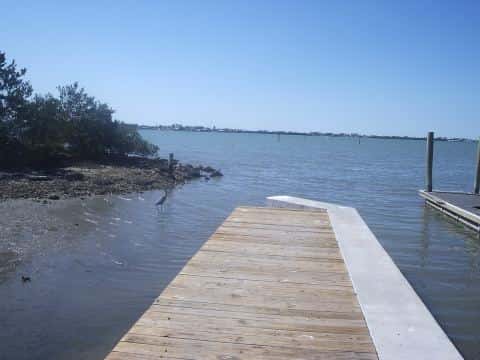
Cast near structures, such as jetties, piers, or mangroves. Allow the bait to settle on the bottom and wait for a bite. Retrieve slowly, ensuring the bait stays close to the bottom. This method increases the chances of attracting Hardhead Catfish.
Size, age and the table
Typically, anglers encounter Hardhead Catfish in the 1 to 5-pound range, with lengths around 18 to 24 inches. A trophy Hardhead Catfish is considered to be over 10 pounds. They grow at a moderate rate, reaching maturity in about 2 to 3 years, with a lifespan of up to 5 years.
Hardhead Catfish are edible and can be prepared in various ways. They have a mild flavor and firm texture. When handling them, be cautious of their sharp spines. If releasing, use wet hands to minimize stress and ensure a safe return to the water.