How to recognise it
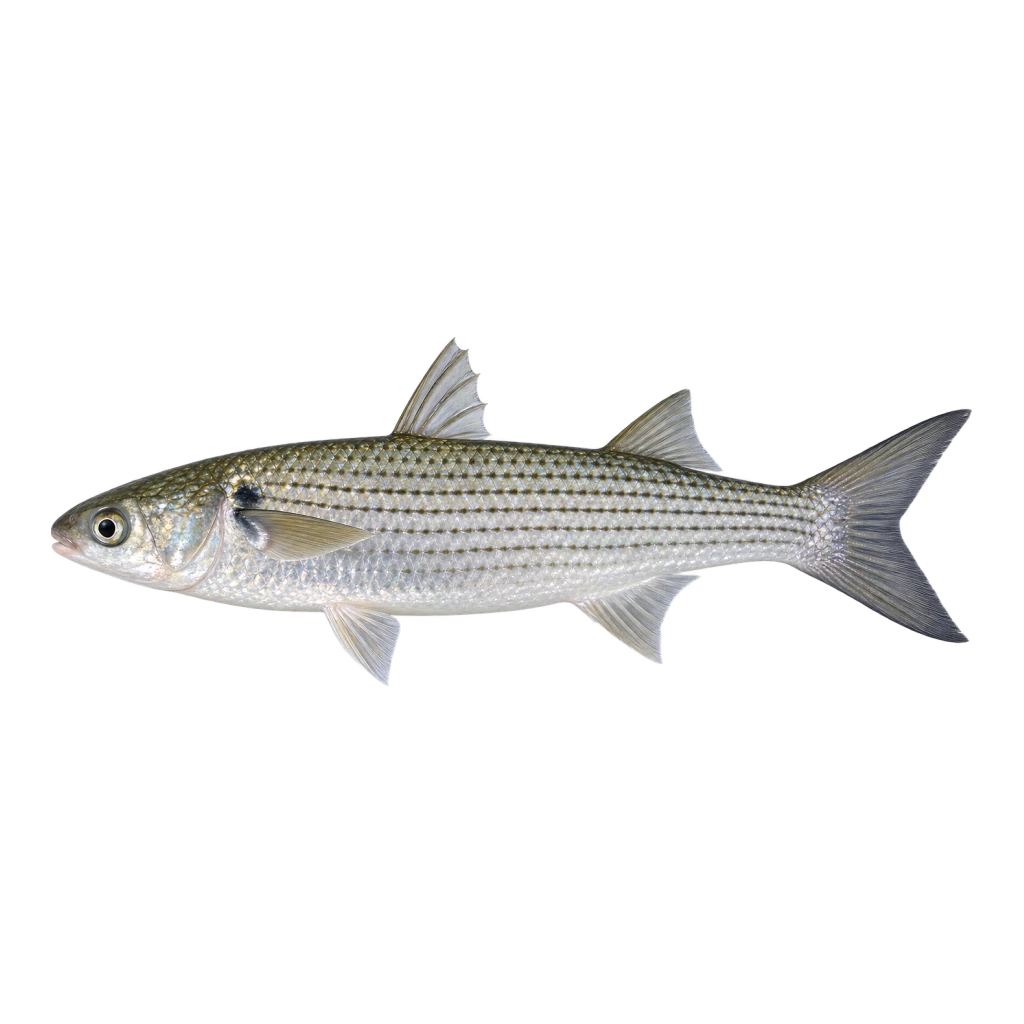
The White Mullet (Mugil curema) is a streamlined fish with a silver-gray body. It has a slightly forked tail and a blunt snout. The dorsal fin is divided into two parts, with the first part being spiny and the second part soft. The anal fin is similar in structure. The mouth is small and positioned at the front of the head, adapted for grazing on algae and detritus.
This species is often confused with the Striped Mullet (Mugil cephalus). The key detail that separates them is the absence of distinct vertical stripes on the White Mullet's body, which are prominent on the Striped Mullet.
Where it lives
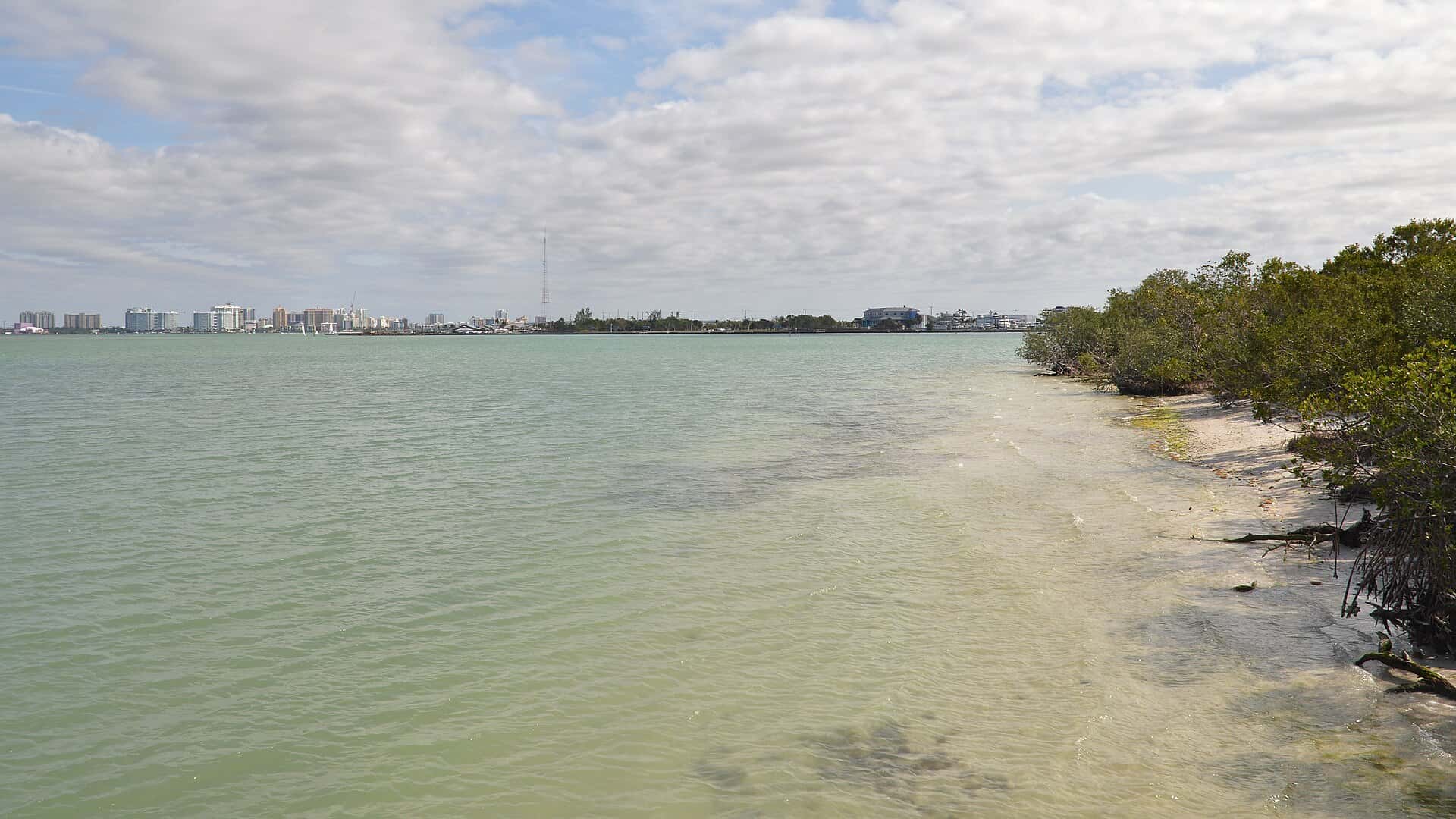
The White Mullet is found along the Atlantic coast of the United States, from New Jersey to Florida, and in the Gulf of Mexico. It prefers brackish waters, often inhabiting estuaries, bays, and coastal lagoons. The depth range typically extends from the surface down to about 10 feet.
In warmer months, White Mullets move into shallower waters where they can find abundant food. During colder months, they may migrate to deeper areas to escape cooler temperatures. They often seek cover among submerged vegetation and structures like piers and jetties.
When it bites
White Mullets are generally more active from late spring through early fall, particularly from May to October. They prefer water temperatures between 70°F and 85°F. The best time to fish for them is during the early morning and late afternoon, when they are most likely to feed.
Weather conditions can influence their feeding behavior. A passing front may trigger increased activity, while strong winds can make them less likely to bite. A full moon can enhance feeding opportunities, but it may also lead to more cautious behavior.
How to catch it
To catch White Mullet, anglers can use a variety of rigs. A simple float rig with a small hook (size 6 to 10) is effective. Use light line, typically 4 to 8-pound test. Baits such as small pieces of shrimp, worms, or bread work well. When using lures, small jigs or spoons in bright colors like chartreuse or white can attract them.
Cast near structures or into schools of feeding fish. Retrieve the bait slowly, allowing it to mimic natural movement. Keep an eye out for surface activity, as this indicates feeding behavior.
Size, age and the table
Anglers typically encounter White Mullets ranging from 12 to 20 inches in length. A trophy fish is considered to be over 24 inches. Growth rates can vary, but they generally reach maturity in about 2 to 3 years.
The lifespan of a White Mullet can reach up to 10 years. They are known for having a mild flavor, making them a popular choice for eating. Proper handling is essential to ensure their survival after catch and release. Use wet hands or a wet cloth to handle them gently, minimizing stress and injury.