How to recognise it
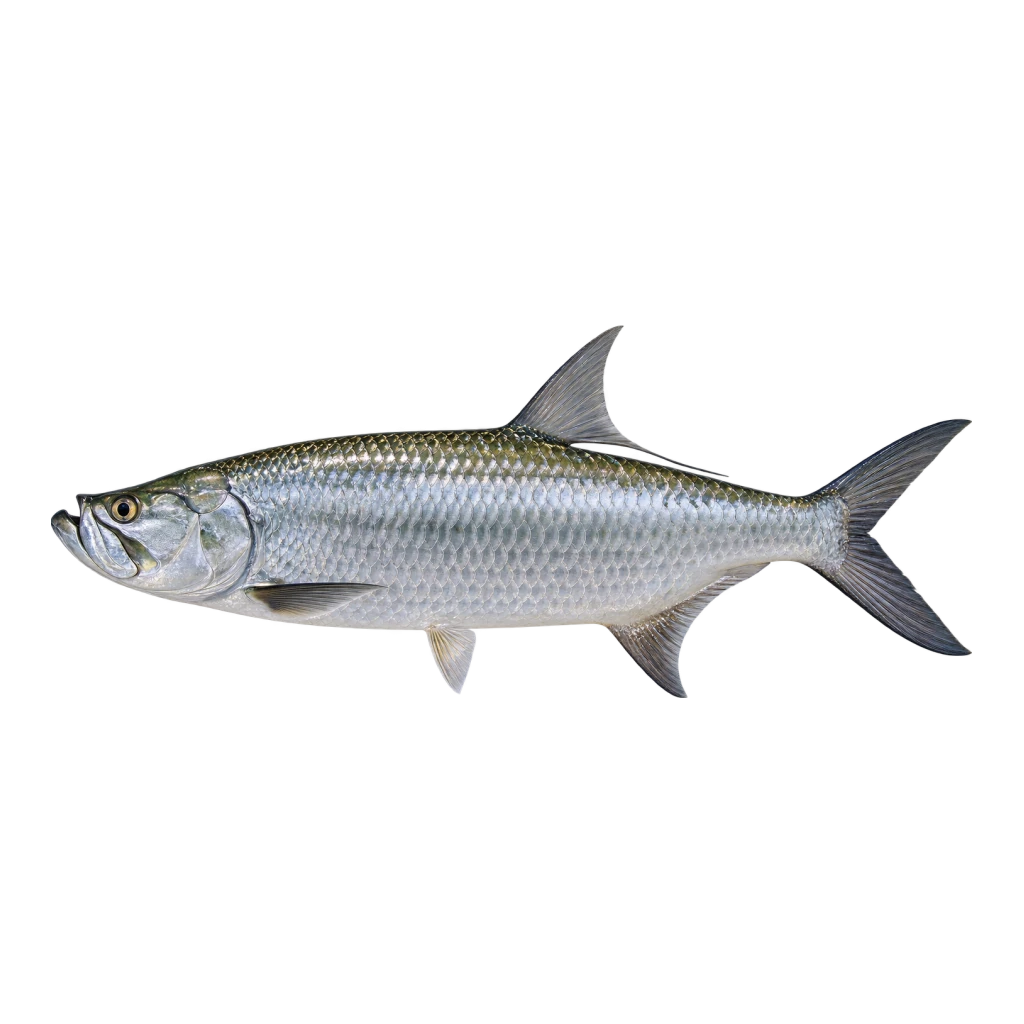
The Tarpon (Megalops atlanticus) is a large, silver fish known for its impressive size and acrobatic jumps. It has a streamlined body covered in large, shiny scales. The dorsal fin is long and located far back on the body. Tarpon have a distinctive mouth that is upturned, allowing them to gulp air at the surface. They can be confused with the Atlantic Mackerel, but the key detail that separates them is the Tarpon's larger size and its more elongated body shape.
Where it lives
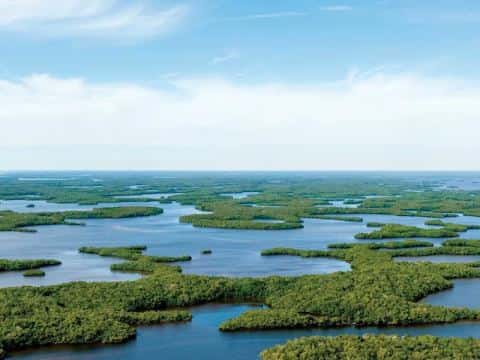
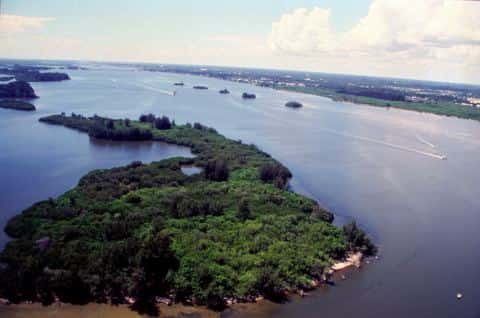
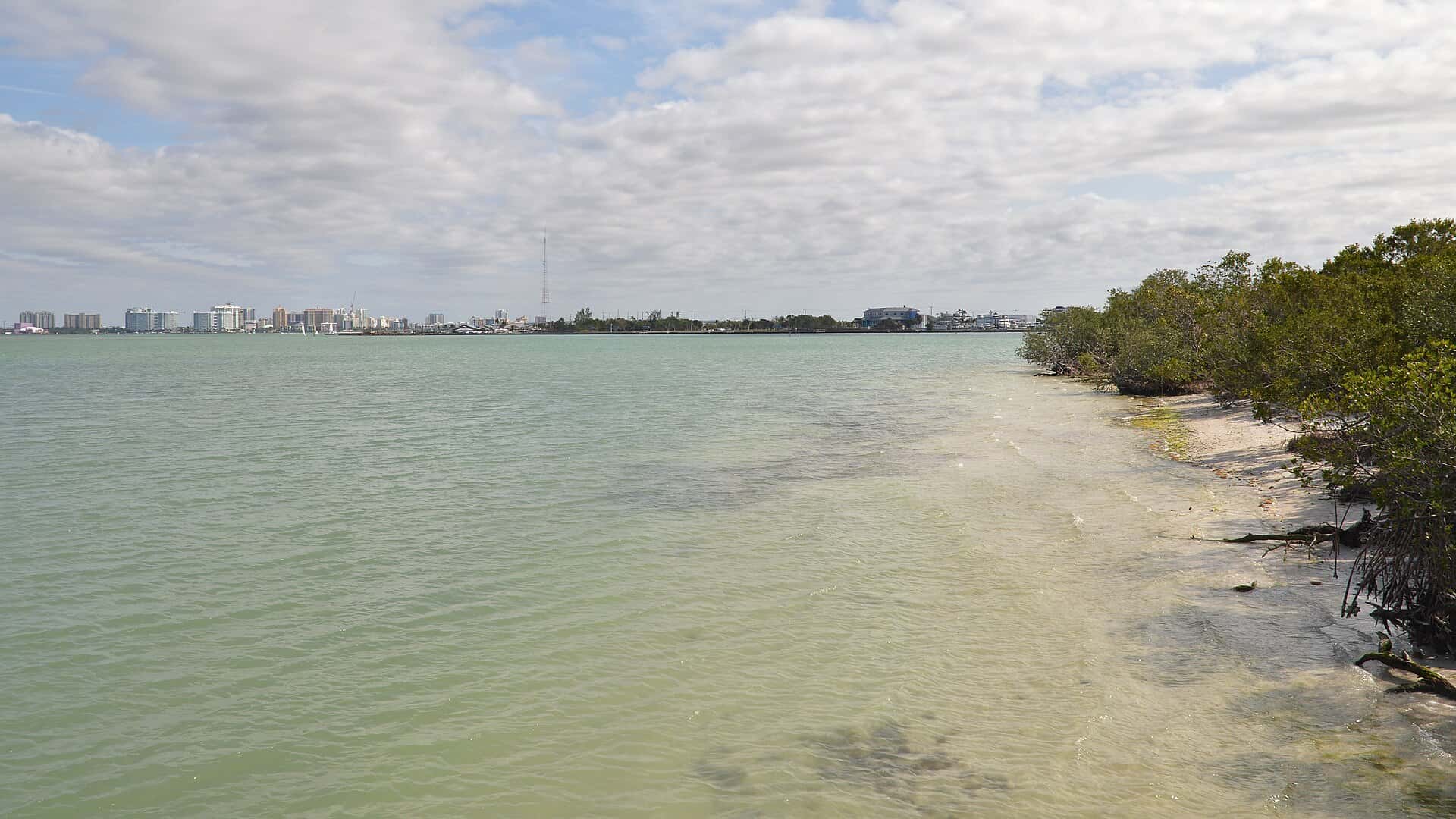
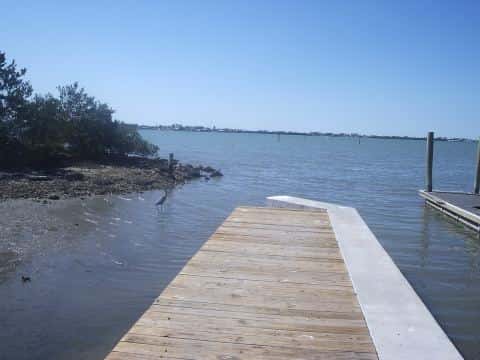
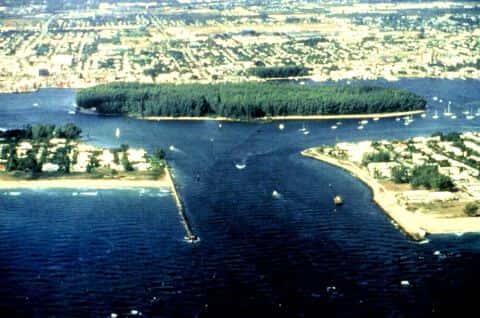
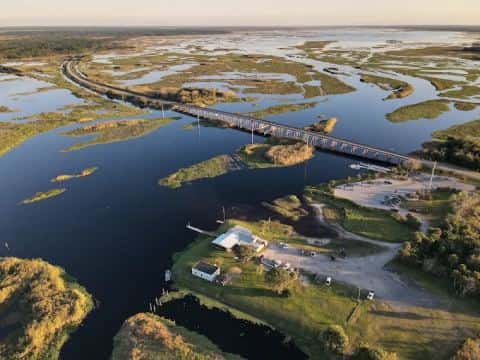
Tarpon are primarily found along the southeastern coast of the United States, particularly in Florida. Their range extends from the Gulf of Mexico to the Atlantic Ocean. They inhabit coastal waters, estuaries, and lagoons. Tarpon prefer depths of 10 to 30 feet but can be found in deeper waters as well. In warmer months, they are often found in shallower areas, while in cooler months, they may move to deeper waters for warmth. They seek cover near mangroves, docks, and bridges, which provide protection and feeding opportunities.
When it bites
Tarpon are most active from late spring to early fall, typically from May to October. They prefer water temperatures between 75°F and 85°F. Early morning and late afternoon are the best times to catch them, as they are more likely to feed during these hours. A passing cold front can trigger feeding activity, while strong winds may make them less active. A full moon can increase their feeding behavior, as it provides more light during the night.
How to catch it
To catch Tarpon, use a variety of rigs such as the circle hook rig or the live bait rig. Live baits like mullet, crabs, or shrimp in the 4 to 8-inch range work well. Lures such as topwater plugs or soft plastics in silver or blue colors can also be effective. Use a line rated between 30 to 80 pounds with a 7/0 to 10/0 hook size. Cast near structures like docks or mangroves and retrieve the bait or lure with a steady, moderate speed. Be prepared for a strong fight, as Tarpon are known for their powerful jumps.
Size, age and the table
Anglers typically encounter Tarpon ranging from 40 to 80 inches in length, with weights between 30 to 200 pounds. A trophy Tarpon is generally considered to be over 100 pounds. They grow rapidly, reaching about 50 inches in length by age 4. Tarpon can live up to 50 years in the wild. While they are not commonly eaten due to their tough flesh, they are highly regarded for sport fishing. Proper handling and quick release are essential to ensure their survival after catch.