How to recognise it
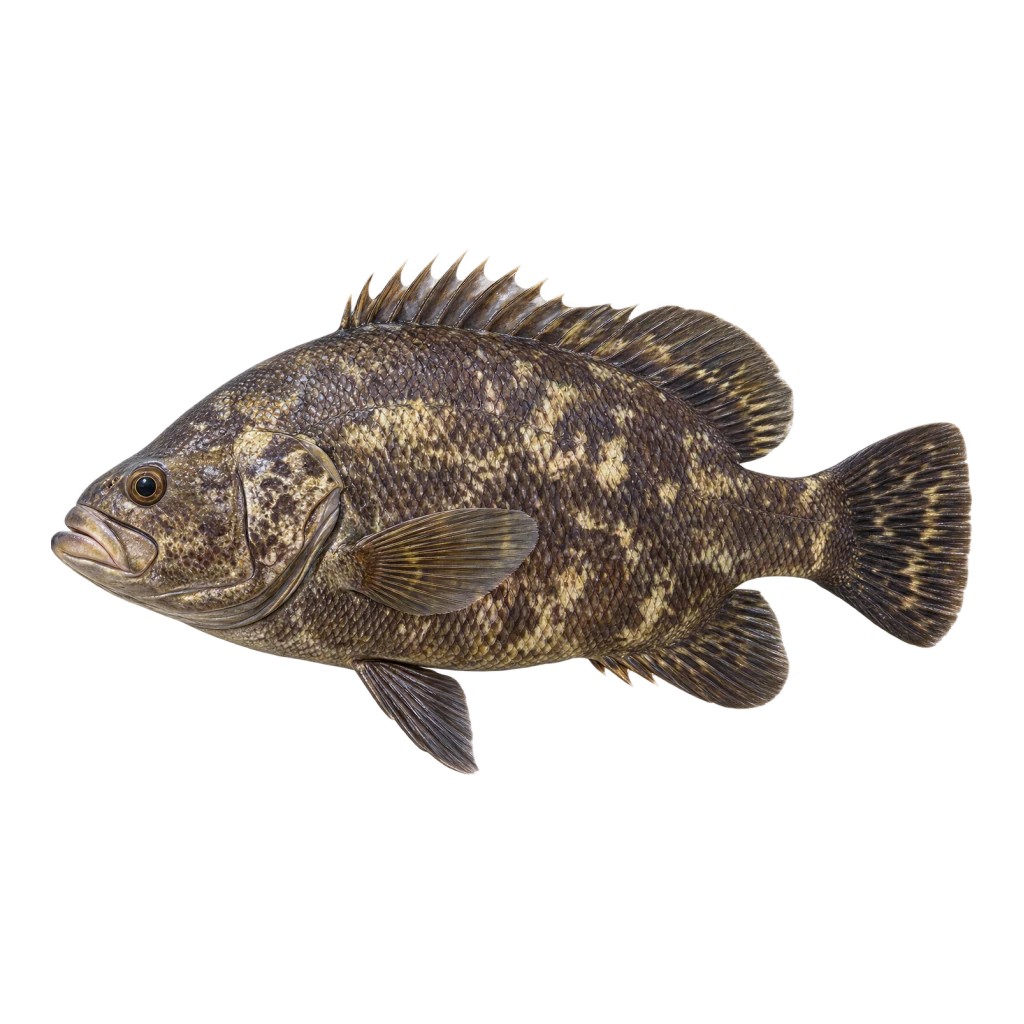
The Atlantic Tripletail (Lobotes surinamensis) is a distinctive fish. It has a flattened body and a large, broad head. The coloration is generally dark brown or gray, with lighter mottling. The fins are large and rounded, particularly the pectoral fins, which can be nearly as long as the body. The mouth is wide and slightly protruding. This species is often confused with the Mola Mola, or ocean sunfish. The key detail that separates them is the shape; the Atlantic Tripletail has a more elongated body compared to the rounded shape of the Mola Mola.
Where it lives
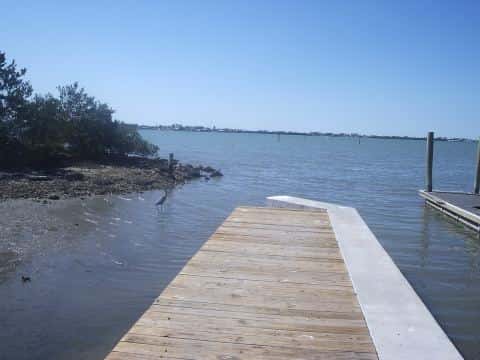
The Atlantic Tripletail is primarily found along the Atlantic coast of the United States. Its range extends from New Jersey down to Florida and into the Gulf of Mexico. This species prefers warm, shallow waters, typically in estuaries and nearshore environments. They are often found near floating debris, buoys, and weed lines. The depth range is usually between 5 to 30 feet. In warmer months, they move closer to shore, while in cooler months, they may venture into deeper waters.
When it bites
Atlantic Tripletails are most active from late spring through early fall. They prefer water temperatures between 70°F and 85°F. The best times to fish for them are during the early morning and late afternoon. A passing front can trigger feeding activity, while strong winds may make them less active. A full moon can also enhance their feeding behavior, making them more likely to bite.
How to catch it
To catch Atlantic Tripletail, use a variety of rigs. A simple float rig with a 1/0 to 3/0 circle hook works well. Live bait such as shrimp or small baitfish is effective. Lures like soft plastics in natural colors (such as green or brown) can also attract them. Use a 15 to 30-pound test line for best results. Cast near floating structures or debris, and allow the bait to drift naturally. Retrieve slowly to mimic the movement of prey.
Size, age and the table
Anglers typically encounter Atlantic Tripletails ranging from 15 to 30 inches in length. A trophy specimen is generally considered to be over 30 inches. Growth rates vary, but they can reach maturity in about 3 to 4 years. The lifespan of an Atlantic Tripletail can exceed 10 years. The flesh is firm and white, making it a popular choice for eating. Handle them carefully to avoid stress during release, as they can be sensitive to changes in water conditions.