How to recognise it
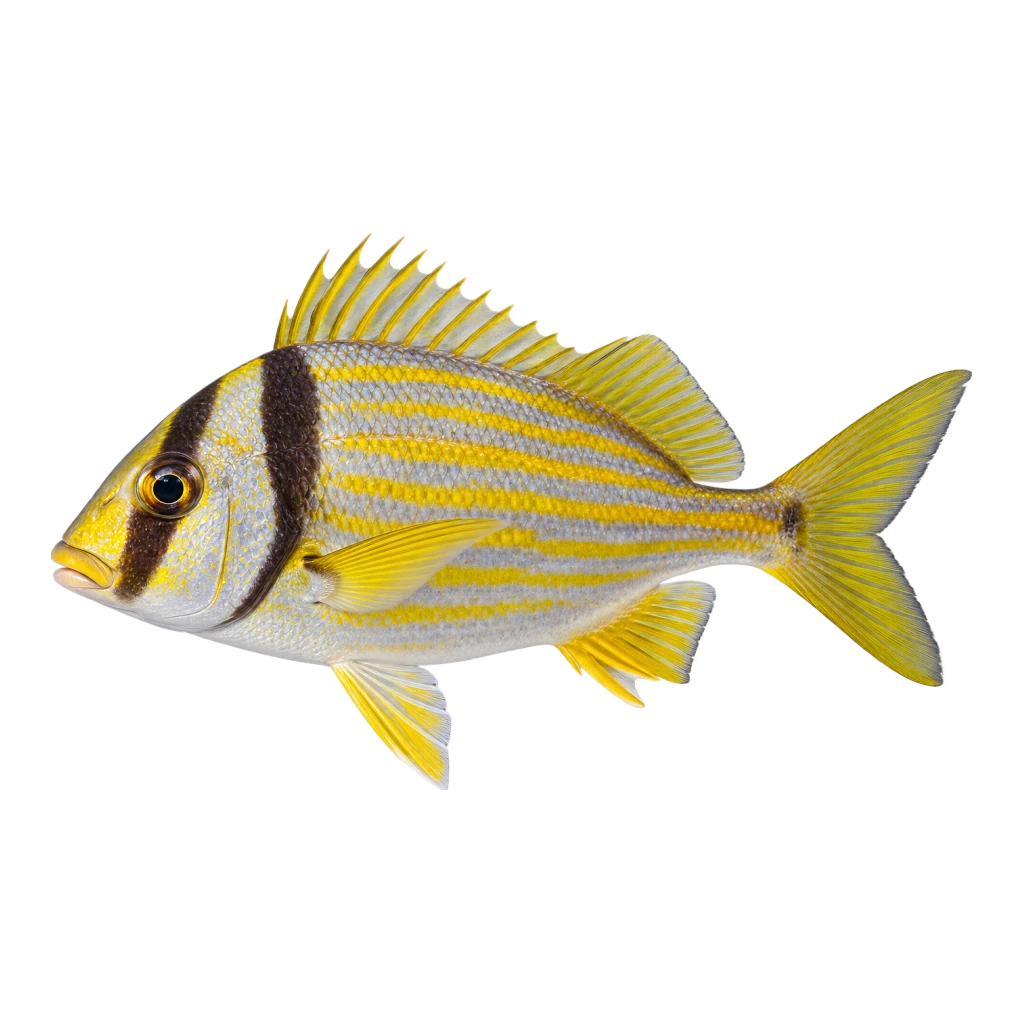
The Porkfish (Anisotremus virginicus) is easily identifiable by its distinct coloration and body shape. It has a compressed body with a slightly pointed snout. The most notable field marks include a bright yellow body with five dark vertical stripes running from the dorsal fin to the belly. The dorsal fin is long and continuous, while the anal fin is shorter and rounded. The mouth is small and terminal, adapted for grazing on algae and small invertebrates.
This species is often confused with the similar-looking French Grunt (Haemulon flavolineatum). The key detail that separates them is the Porkfish's yellow body with distinct vertical stripes, whereas the French Grunt has a more silver body with horizontal stripes.
Where it lives
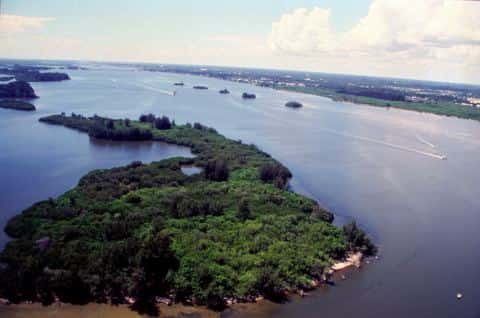
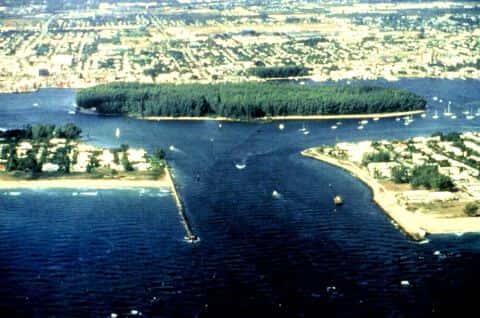
The Porkfish is primarily found in the western Atlantic Ocean. In the United States, its range extends from Florida to the Gulf of Mexico and down to the Caribbean. They inhabit shallow coastal waters, typically near coral reefs, rocky outcrops, and mangroves. The depth range for Porkfish is usually between 10 to 80 feet, although they can be found in shallower waters.
During warmer months, they tend to move closer to shore and into shallower areas. In colder months, they may retreat to deeper waters to escape cooler temperatures. This seasonal movement is influenced by water temperature and food availability.
When it bites
Porkfish are most active and likely to bite from late spring through early fall, typically from May to September. They prefer water temperatures between 75°F and 85°F. Early morning and late afternoon are the best times to fish for them, as they are more actively feeding during these periods.
Weather changes can also impact their feeding behavior. A passing front may cause them to become more aggressive, while strong winds can make them less active. A full moon can enhance their feeding activity, making them more likely to bite.
How to catch it
To catch Porkfish, anglers can use a variety of rigs. A simple bottom rig with a 1/0 to 2/0 hook is effective. Use a 20 to 30-pound test line for durability. Live baits such as shrimp, small crabs, or cut bait work well. Lures like small jigs or soft plastics in bright colors (yellow, pink, or white) can also attract them.
Cast near reefs, rocky structures, or mangroves where Porkfish are likely to be hiding. Retrieve your bait slowly, allowing it to bounce along the bottom or drift naturally with the current. This technique mimics the movement of their natural prey.
Size, age and the table
The typical size of a Porkfish caught by anglers ranges from 10 to 14 inches, with some individuals reaching up to 18 inches. A trophy Porkfish is generally considered to be over 15 inches. They grow relatively quickly, reaching sexual maturity around 2 years of age and can live up to 5 years in the wild.
Porkfish are known for their good eating quality. The flesh is white and flaky, making it a popular choice for grilling or frying. When handling Porkfish, be gentle to avoid damaging their delicate bodies. If you plan to release them, do so quickly and carefully to increase their chances of survival.