Above this text is everything we hold on one lake: the shoreline, the depth, the ramps, the water tests, the fish and the bite calendar. Every number came from somewhere. Here is where each one comes from — and where we stop and say we do not know.
The shoreline and the depth
We do not draw the outline by hand. It comes from federal and state survey data — the same shoreline the agencies publish. From it we work out the surface area and how long and how ragged the bank is. That is why a river and a round pond of the same size look so different on the page.
Depth comes from soundings — boats that ran the lake and recorded how deep it was. We cut those readings into bands and colour them, so you see where the bottom drops instead of one "max depth" number.
If nobody has ever sounded the lake, the page says the depth is unknown. We do not put a guess where a measurement should be.
Ramps and getting to the water
Ramps come from state parks and wildlife agencies: how many lanes, concrete or gravel, is there a fee, will a trailer fit, is there a dock. Each ramp sits on the map at its own spot, not in the middle of the lake. At five in the morning that difference matters.
When we say a campground is 400 yards from the water, we mean 400 yards to the bank — not to the middle of the lake. On a lake twelve miles across those are two very different walks.
Water tests
Temperature, clarity and oxygen come from monitoring stations, and every reading shows the date it was taken. The date is part of the fact. Clarity in spring runoff and clarity in a dry August are not the same water.
Clarity is measured with a Secchi disc: a black-and-white plate lowered on a rope until you can no longer see it. Simple, and it tells you exactly how far down your lure will still be visible.
Oxygen decides where fish can sit at all. Below about 2 mg/L most game fish leave, no matter what the depth chart says.
The fish, and what counts as proof
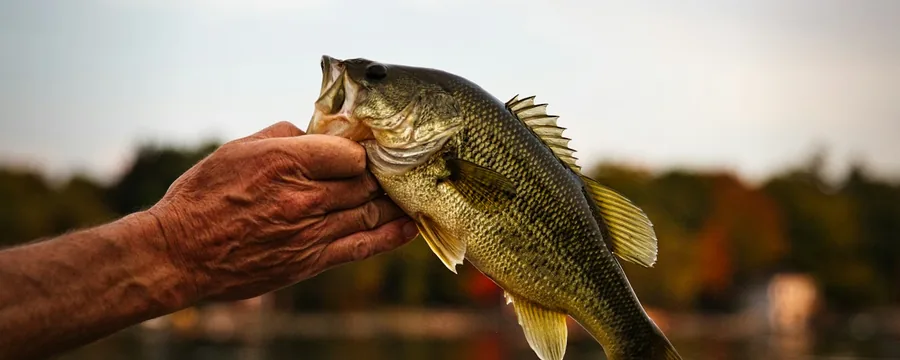
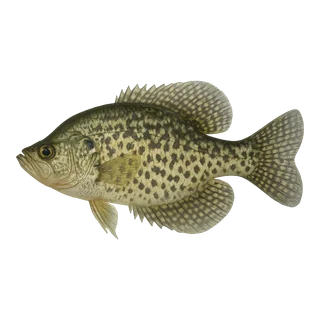
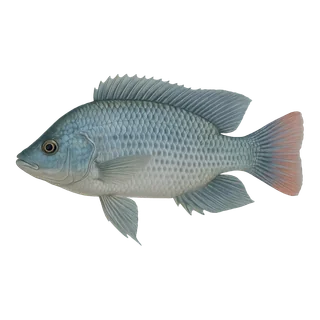
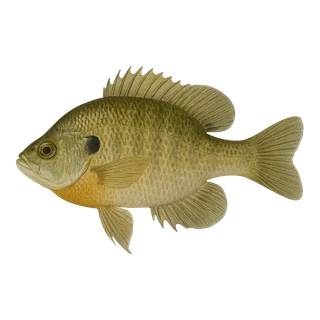
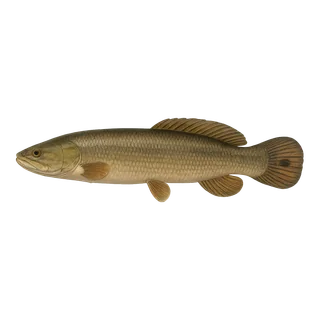
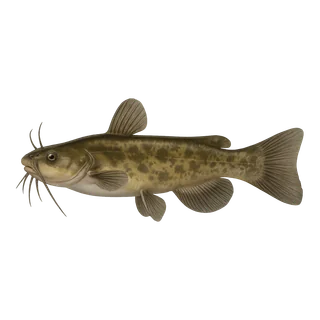
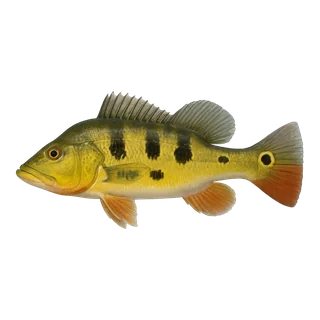
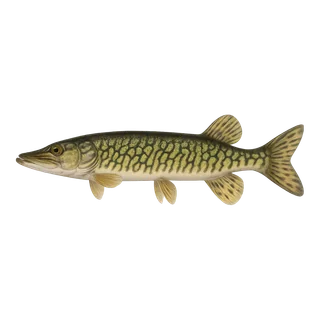
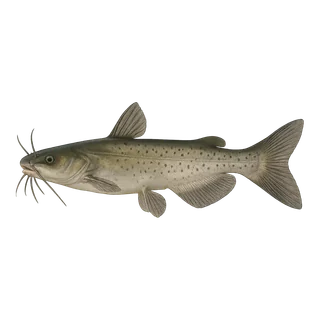
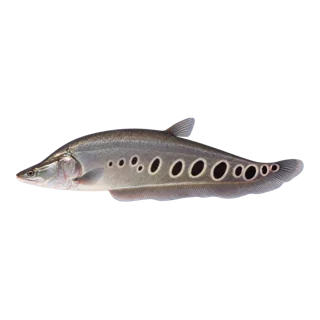
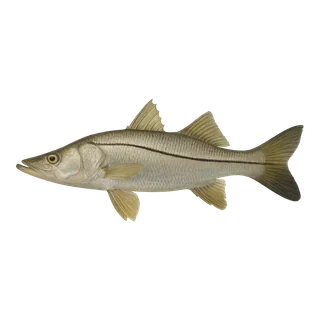
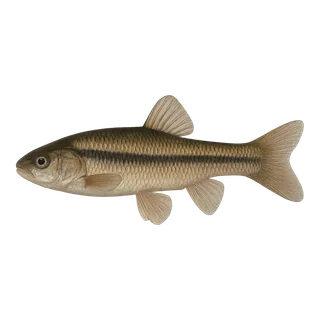
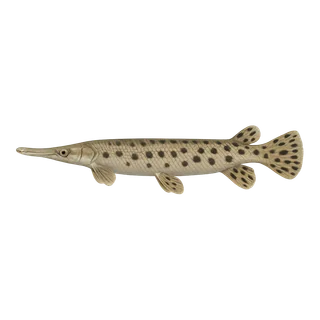
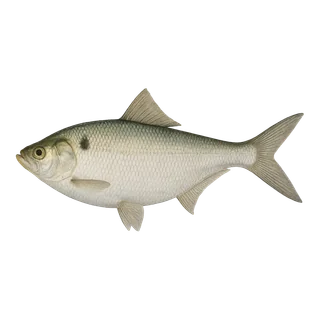
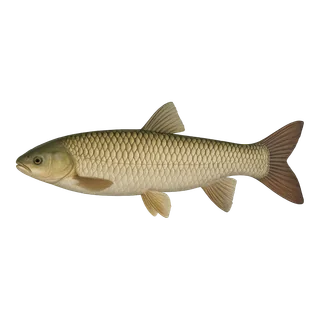
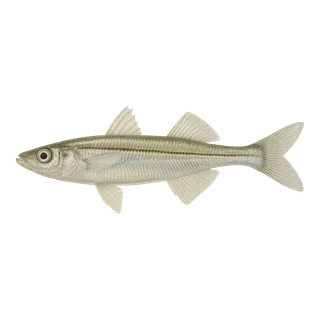
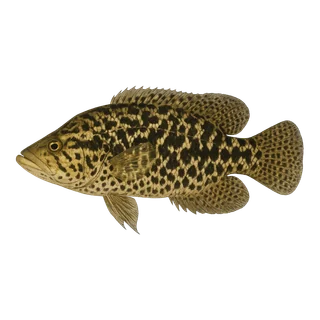
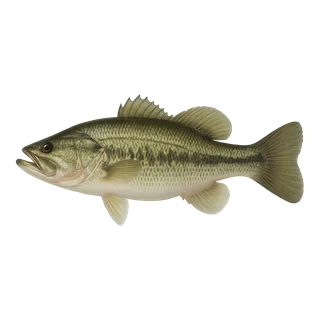
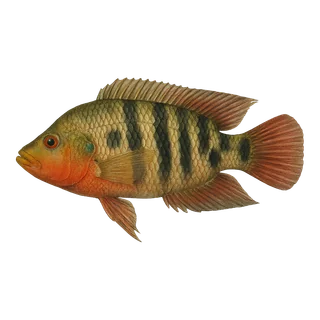
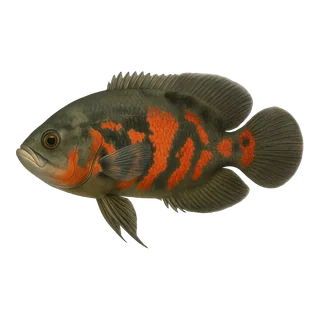
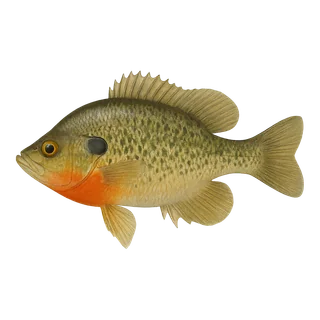
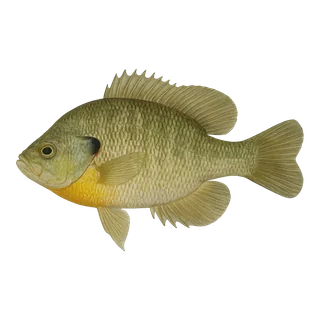
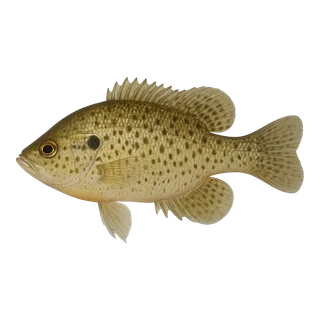
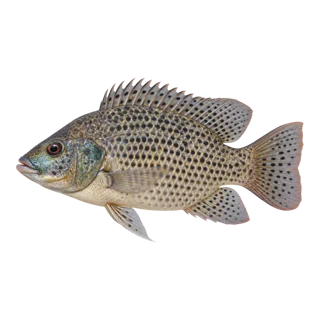
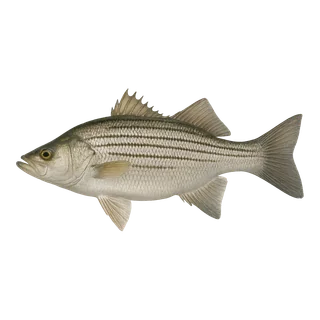
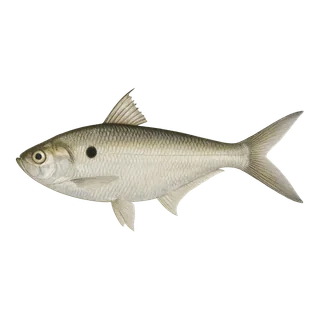
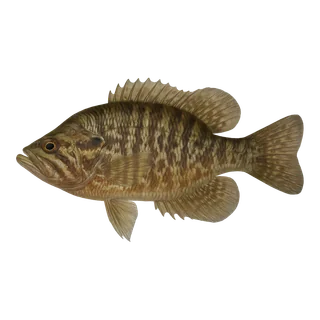
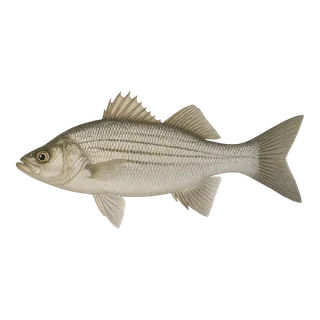
A species shows up on a water because something says it is there: a survey of what anglers caught, an agency report, a stocking record. Stocking records carry the number and the year, because forty thousand fingerlings ten years ago and forty thousand last spring are different news.
The list is never finished. If a fish is missing from our page, it means we have no record of it — not that it is not in the lake.
The bite calendar
Under the map you see twelve months for every species in the lake. It is worth saying plainly what that is and what it is not.
Each fish has a twelve-month curve of when it feeds best. That curve is a national average. We then move it by latitude — about four days for every degree, the same rule the state agencies use in their own guides. Florida ends up about six weeks ahead of the national curve. That matches what people there actually see: crappie spawning in February, not May.
What the shift cannot do is make a northern January cold. It moves the curve in time; it does not know that the lake is under ice. So every calendar says on the page how many weeks of adjustment are in it. When we have enough readings on a single lake, that calendar will be built from the lake itself — and the page will say so.
The daily forecast is a different thing. It reads pressure, the way pressure is moving, wind, air temperature, cloud, rain and time of day, and weighs them. Pressure and its trend carry almost half the score, because that is what the field studies support. Moon and solunar windows are in there too, but they are worth six points each out of a hundred — the tradition stays visible without deciding anything. If our own water tests show low oxygen in that lake, the score comes down.
The score describes conditions, not your catch. It does not know about fishing pressure, or the spawn, or the netting somebody did last night.
What we will not do
We do not invent a depth for a lake nobody has sounded. We do not list a ramp we cannot point to a source for. We do not fill an empty field just because the layout has a hole in it.
An honest "we do not know" is more useful than a confident guess. You can plan around a gap. You cannot plan around a number that turns out to be filler.